Furnace Repair in South Carolina
Across the counties where its people live, South Carolina recorded more severe weather from 2015 to 2024 than 36 of the other 49 states.
Tell us about the job
Takes about a minute. No obligation.
- 36°Fwinter overnight low where people live
- 5 monthsof heat, November through March
- $16.37 per million Btuwhat homes paid for natural gas in 2024 (Btu means British thermal units, a measure of heat)
- 95winter storms from 2015 to 2024
What does a furnace in South Carolina face?
How cold do winter nights get?
36°Faverage overnight low where people live
North Dakota4°F
Hawaii65°F
How many months does the heat run?
5 monthsof heating a year
Hawaii0 months
Alaska12 months
What does natural gas cost?
$16.37per million Btu, what homes paid in 2024
Montana$7.77
Hawaii$53.25
How often do storms hit?
245severe weather events per county from 2015 to 2024
Alaska5
Wyoming1,057
How many homes lost power for a day or more?
45%of homes in 2024
Arizona7%
Maine54%
The first cold snap finds the weak part
A furnace that sat quiet since March doesn't always start clean in November. Whatever was wearing out last winter, a cracked igniter or a weak flame sensor or a motor on its way out, had all summer to get worse, and the first cold nights are what tests it. October is worth a look before that happens. South Carolina only runs heat about five months a year, less than in 41 other states, so a furnace here spends most of its life sitting still. That makes the first real cold snap the moment problems show up, not the months after.
South Carolina's northern counties need about 32% more heat over a year than the southern counties, and within that, Cherokee County needs about 78% more than Beaufort County, where the state's heating need is lowest.
If you're further north or further inland, your furnace works harder and longer each winter, so worn parts give out sooner than they would near the coast.
Built recently, worth repairing
South Carolina's homes are newer than almost anywhere else in the country, and that works in your favor
Half the homes in South Carolina were built in 1992 or later. If yours is one of them, the furnace itself may not be original, but the house around it was built recently enough that it's less likely to be fighting bad ductwork or old insulation. A repair on a system like that is usually one worn part, not a house working against it. South Carolina ranks newer than 44 other states for housing age, so the odds here are better than in most places. None of that tells you what's wrong tonight. It just means a repair is usually the right call before anyone talks about replacing the whole system.
Nothing unusual about power costs here $41.71 per million Btu, right in line
- Northern counties need about 32% more heat than southern ones
- Winter nights average 36°F where people live
- Heat runs November through March
- 95 winter storms from 2015 to 2024
- Climate zones 2A and 3A across the state
- 45% of homes lost power a day or more in 2024
Half of South Carolina's homes were built in 1992 or later
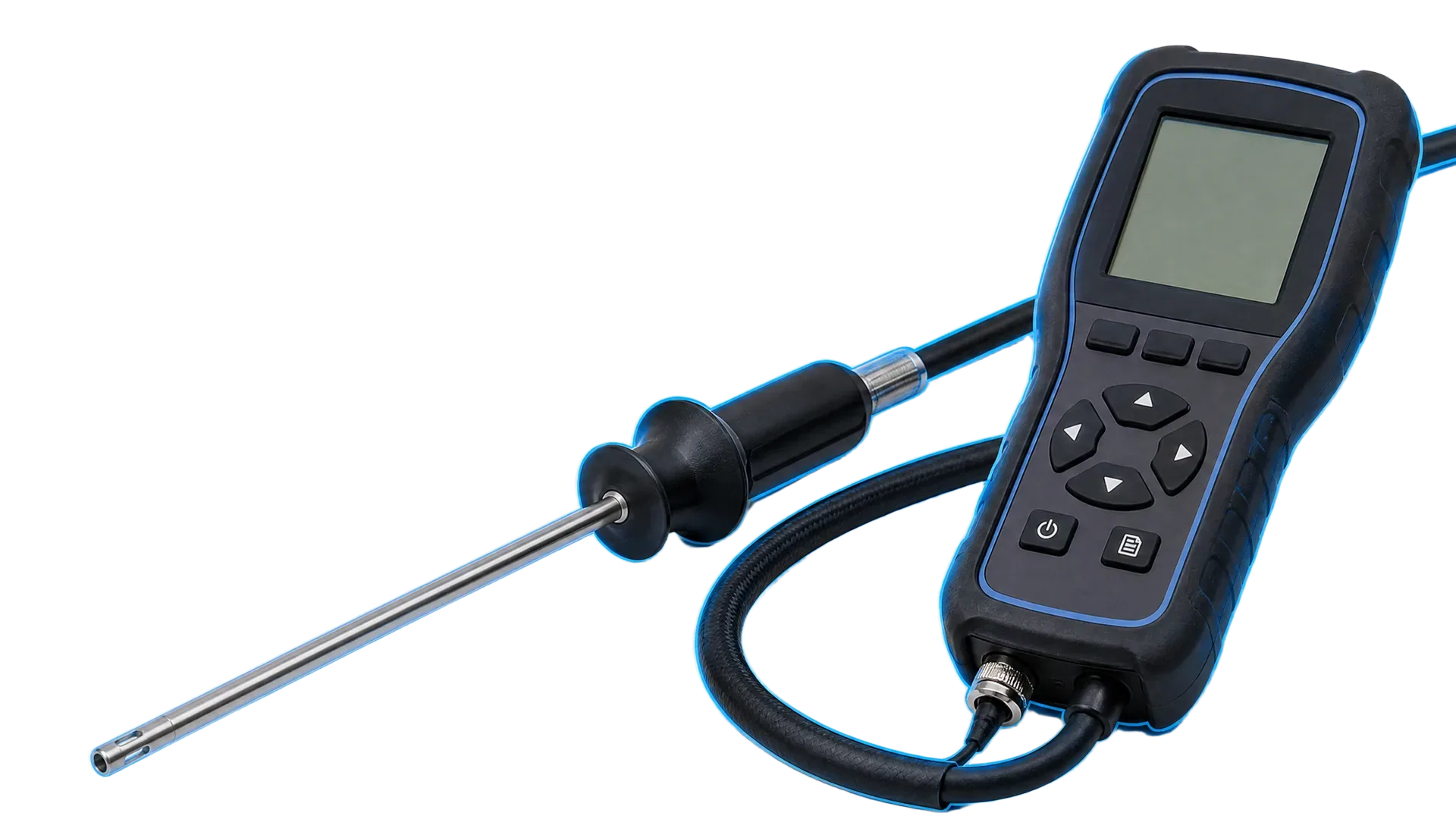
One worn part, or the whole system failing at once
A repair is usually the right call when one part has failed and everything else in the furnace still works the way it should. An igniter, a flame sensor, a draft inducer motor, a pressure switch. These fail on their own schedule, and replacing the one that quit doesn't put stress on the rest. The heat exchanger is the part that changes the math. If it's cracked, the furnace is unsafe to run at all, because that's what keeps combustion gases out of the air moving through your house. A cracked heat exchanger almost always means the furnace needs to be replaced rather than repaired, since it isn't a part a tech can patch and trust. A furnace that needs a new capacitor is still worth fixing, whatever its age. A furnace needing a new heat exchanger and a new blower motor in the same year is telling you something different. The parts are failing together because they're all at the same point in their life, not because one of them had bad luck. A tech can tell you which situation you're in by looking at what's actually worn and what still has life left in it.
An easier winter on the machine
Winter here is mild compared to most of the country. Overnight lows average 36°F across December, January and February, and South Carolina's nights stay warmer than in 41 other states. A furnace isn't fighting weeks of hard cold. It cycles on, takes the chill off, and shuts back down again. That's a lighter workload than the same furnace would see further north, and it shows up in how the parts hold up over the years. A furnace here is more often found with one component worn out rather than the whole system stressed past its limit, and that's part of why a repair is usually the right call.
A furnace that's mostly sound makes a repair tonight's answer, not a replacement.
Tell us about the job
Takes about a minute. No obligation.
Answer a few questions about your furnace and a licensed contractor near you will call to set up a time.