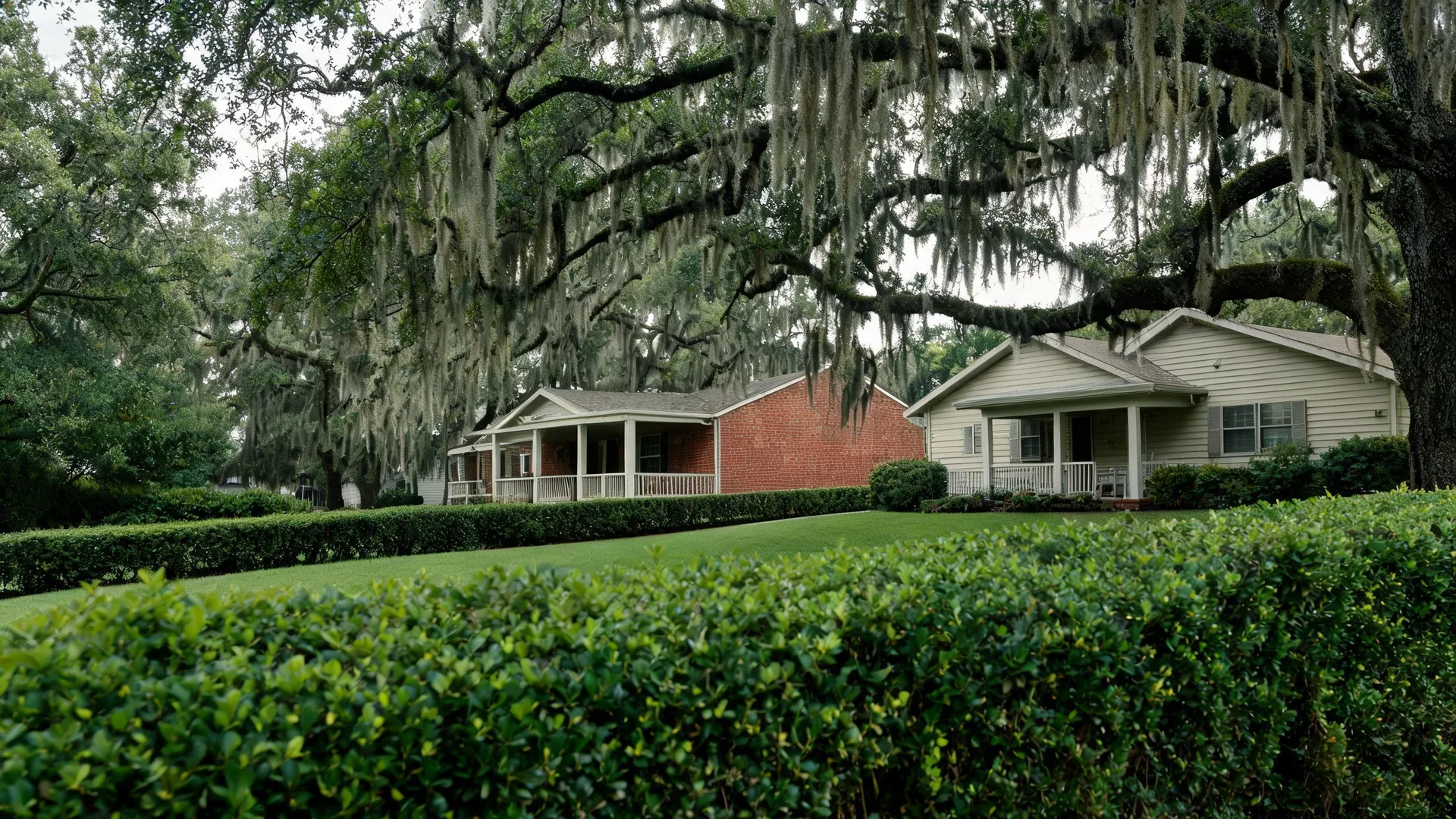



Two single-story houses, one with red brick and one with light siding, behind a trimmed hedge and lawn under large oak trees draped with Spanish moss.

Furnace Repair in Abbeville, SC

Tell us about the job

Takes about a minute. No obligation.

RepairFurnace or heatingAbbeville County, SC
Step 1 of 2

What ZIP code is the job in?

October is worth paying attention to here. Furnaces in Abbeville County sit unused since spring, then start running in November, and whatever was already weak in them tends to show up fast once they're on every day. A cracked igniter or a failing flame sensor often waits until that first real cold stretch to fail. Getting a furnace looked at before November, or dealt with quickly once trouble starts, is worth doing. Five months of regular use is enough to turn a small problem into a no-heat call.

5 months
November through March, your furnace is on duty
35°F
the average winter night it heats against
2 winter storms
in ten years, the nights a failure hurts most
Isometric line illustration of a cutaway building interior showing a furnace unit with a flue pipe and ductwork running along the ceiling, plus adjacent rooms with simplified furniture.
Your furnace works hardest from November through March.

NOAA nClimDiv, 1991–2020 normals

Your furnace only runs about five months a year here, November through March.

A furnace with that short a work season usually has some life left in it, so repair is the right call before replacement.

Abbeville sees its share of storms35 severe weather events hit the county between 2015 and 2024, and your furnace wasn't the target of any of them

A furnace with a bad igniter or a failing flame sensor breaks the same way here as anywhere else. Nothing about Abbeville winters pushes it to fail any sooner. What costs more here is running it once something is wrong, since electricity in South Carolina runs $41.71 per million Btu. A furnace that short-cycles or won't stay lit is worth diagnosing properly, not patched, because a part replaced without finding the actual cause tends to fail again.

Fix it. Five months a year doesn't wear out a furnace.

Get the repair done rather than planning around a replacement. A furnace working this few months a year isn't worn out, it's just old or neglected, and either one is usually fixable.

Find a contractor
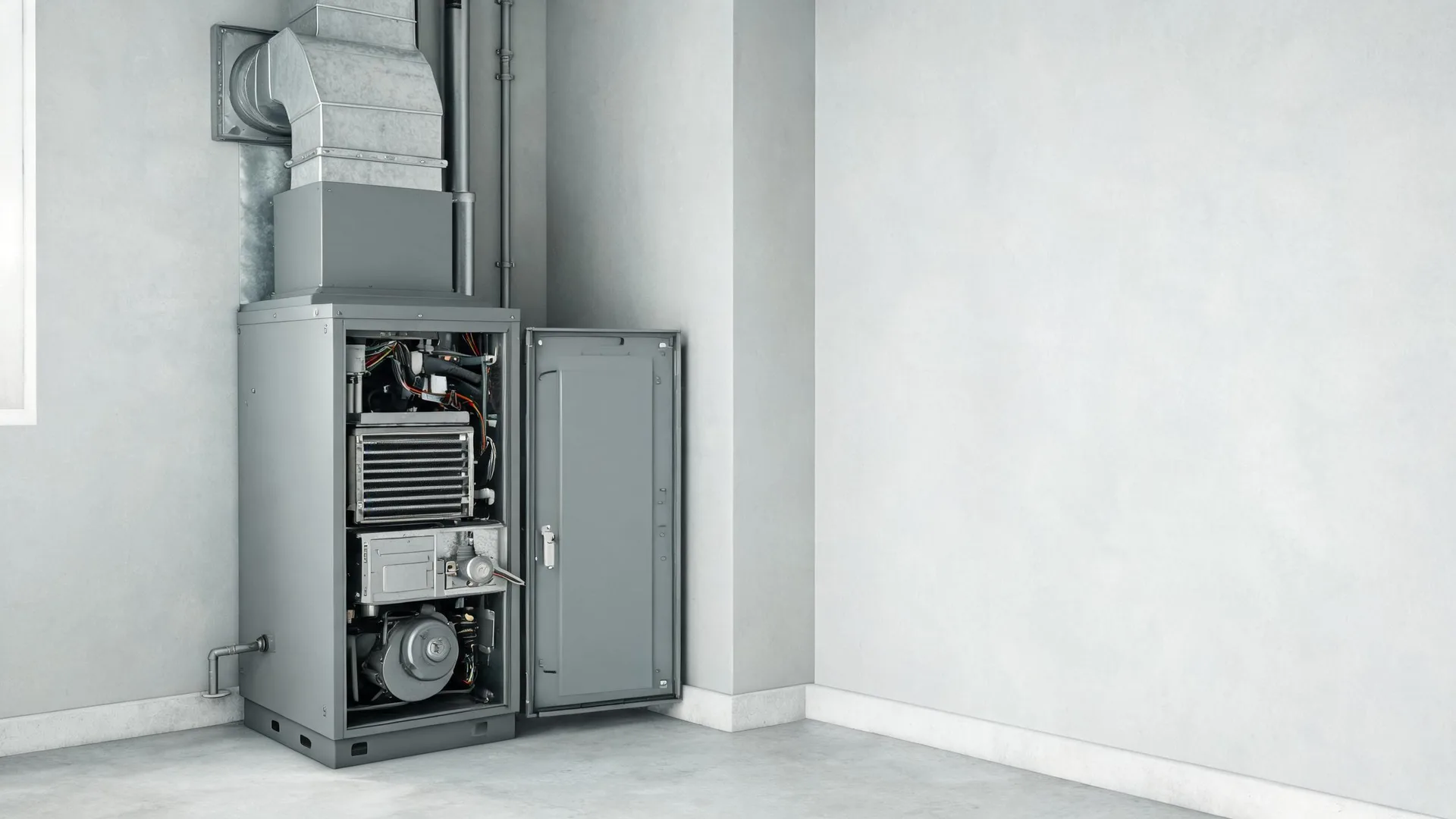
A gray gas furnace with attached ductwork and piping installed in an unfinished concrete basement.

It doesn't fail from the work. It fails from sitting, then being asked to work

A furnace that sits idle most of the year doesn't fail from wear. It fails from sitting. A cracked heat exchanger, a flame sensor coated in residue, a pilot assembly nobody checked since spring, all of that waits quietly until the thermostat finally calls for heat on a cold morning. Short cycling is the one most people notice. The furnace fires, runs briefly, shuts off, then starts again. Usually that's a dirty flame sensor failing to prove the flame is lit, or a clogged filter choking airflow until the furnace overheats and trips its limit switch. A furnace that won't stay lit at all, or takes several tries to catch, is usually down to the igniter or the gas valve. Banging or popping when it starts is often a dirty burner. None of this is about how long the furnace ran last season. It's about what happens the first time it's asked to work again.

A weak part doesn't get a chance to recover

A cracked heat exchanger opens a little more each time it heats and cools. A flame sensor already coated with residue picks up more buildup on every cycle until it stops reading the flame at all. The furnace doesn't pause to let any of that settle down. It just keeps firing on the same bad part until that part fails outright.
One weak part puts strain on the others

A furnace short-cycling from a dirty flame sensor will trip its safety switch over and over if it's left running. Each of those shutdowns puts a little more stress on the igniter and the control board. What starts as one bad sensor can take the igniter or the board down with it if the furnace keeps being asked to fire.

Most furnace failures trace back to one of a few parts. The igniter is the one that goes most often, since it heats up and cools down every single cycle and that stress eventually cracks it. A flame sensor doesn't break so much as get dirty, a film of residue building up until it can't detect the flame anymore and shuts the furnace down as a safety measure. The gas valve can fail stuck shut or stuck open, neither of which is something to leave alone. A clogged filter is the quiet cause behind a lot of these, since it chokes airflow until the furnace overheats and trips its own limit switch. The draft inducer motor and the control board fail less often, but when they do, it's usually because something else was wrong first and nobody caught it.

A furnace is worth fixing almost every time one of these parts fails on its own. An igniter, a flame sensor, a gas valve, a control board, swapped out on its own, brings the furnace back to where it was. What changes the math is a cracked heat exchanger. That's the part that separates the flame from the air moving through the house, and once it cracks, it doesn't get welded back shut. Age matters here too, not because old automatically means replace, but because a furnace with one failed part and a lot of hours on it is more likely to bring a second failure soon after. A technician checking a no-heat call should be able to tell you which kind of problem this is before any part gets ordered.