
Heat Pump Repair in South Carolina
Across the counties where its people live, South Carolina recorded more severe weather from 2015 to 2024 than 36 of the other 49 states.
Tell us about the job
Takes about a minute. No obligation.
- 36°Fwinter overnight low where people live
- 5 monthsof heat, November through March
- 89°Fsummer afternoon high where people live
- 5 monthsof cooling, May through September
Storms hit your outdoor unit hard here More than in most of the country
- Northern counties need about 32% more heat than southern ones
- Winter nights average 36°F where people live
- Summer afternoons average 89°F where people live
- Heat runs November through March
- Cooling runs May through September
- 95 winter storms from 2015 to 2024


- Heat restored on the coldest mornings instead of the system limping along on backup strips
- A technician who checks refrigerant charge, not just the thermostat setting, before calling it fixed
- The outdoor unit running quiet again, without the clicking or buzzing that means a contactor or capacitor is going bad
- A straight answer on whether the reversing valve is stuck, since that's what decides if you're stuck in one mode
- Defrost cycles that actually clear the coil instead of leaving ice built up on the outdoor unit
Why early winter is when it breaks
November is when most heat pumps here get tested for the first time since spring. A weak contactor or a low charge might not show up in October, when the system barely runs. Once it has to hold the house warm every day, the same part gives out. If your heat pump is struggling in the first cold snap, that timing is not a coincidence.
A system that barely gets a break
Ten months of the year, something is asking this heat pump to work
A heat pump in South Carolina runs cooling from May through September, then switches over and runs heat from November through March. There's barely a month where it sits idle. That kind of use wears on the same parts every time, the contactor, the capacitor, the reversing valve. When one of those starts to go, it shows up as the system struggling to keep up rather than shutting off outright. Get it diagnosed properly, not just reset, and the repair holds up through the next stretch of weather instead of failing again in a few weeks.
What does a heat pump in South Carolina face?
How hot do summer afternoons get?
89°Faverage afternoon high where people live
Alaska66°F
Arizona101°F
How cold do winter nights get?
36°Faverage overnight low where people live
North Dakota4°F
Hawaii65°F
How many months does the heat run?
5 monthsof heating a year
Hawaii0 months
Alaska12 months
What does electricity cost?
14.23¢per kWh (kilowatt hours, the unit on an electric bill), what homes paid in 2024
North Dakota11.51¢
Hawaii42.86¢
How often do storms hit?
245severe weather events per county from 2015 to 2024
Alaska5
Wyoming1,057
How many homes lost power for a day or more?
45%of homes in 2024
Arizona7%
Maine54%
A compressor and valve that rarely sit still
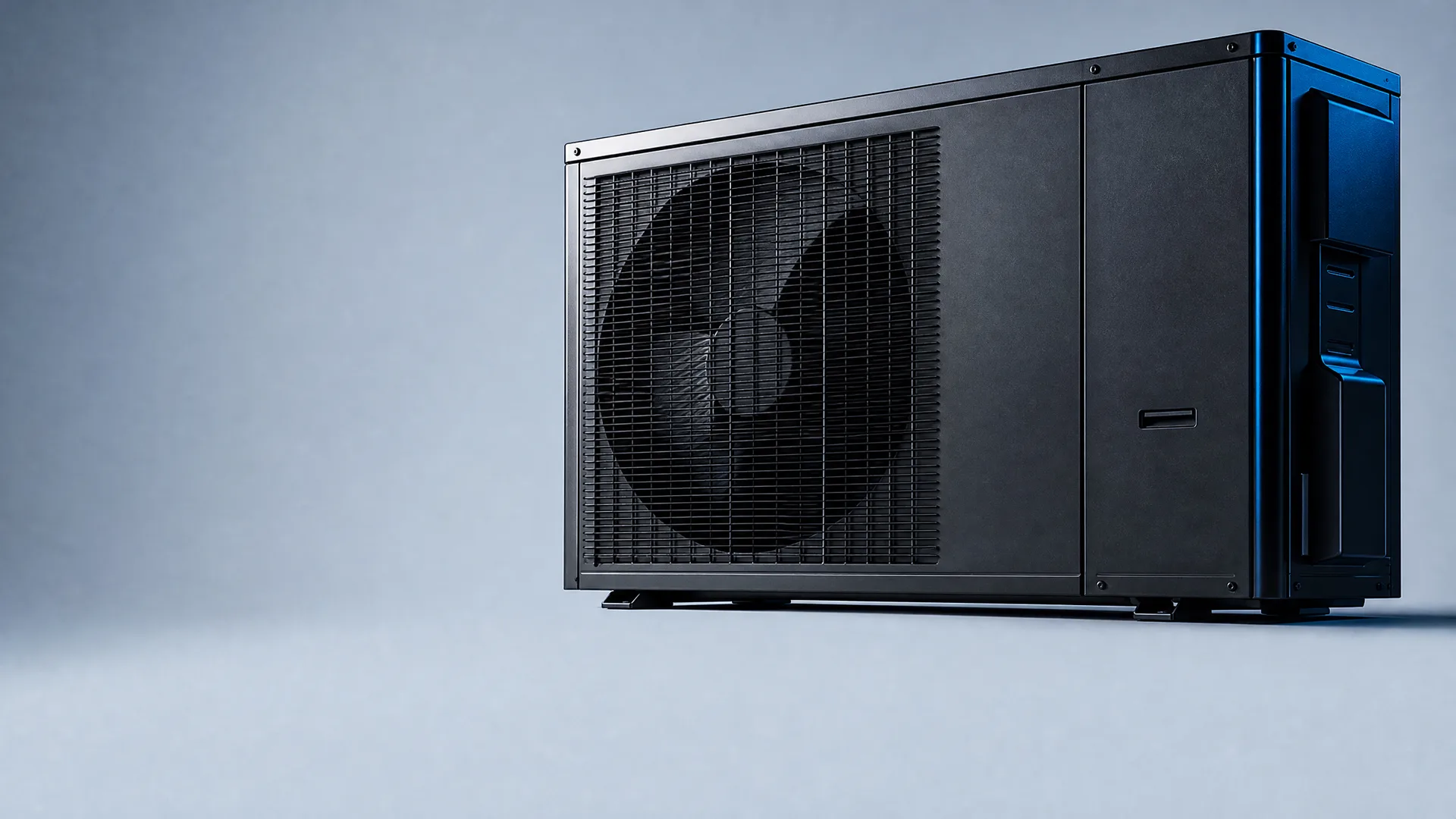
A heat pump here does not get the slow months other systems get. It runs cooling from May through September, then switches over and runs heat from November through March. The reversing valve is what makes that switch, and most of the year it is holding one position or moving to the other under real load. A weak contactor or a low charge tends to show up right when the system switches modes and has to work for real, not while it is sitting idle.
What a failing heat pump sounds and feels like
A heat pump usually tells on itself before it quits. The air coming out of the vents feels lukewarm instead of hot, or the system runs long stretches without the house catching up. Short cycling is another one, where it kicks on and off in quick bursts instead of settling into a normal run. Listen at the outdoor unit too. A hum that won't start the fan, or a clicking that repeats without the unit kicking on, usually means a capacitor or contactor is on its way out. If the system only ever blows cold air no matter what the thermostat is set to, the reversing valve may be stuck in one position. None of these mean the compressor is bad. Most trace back to a single part that is weak or failing, and that part is what a technician should be checking first rather than just resetting the system and sending it back out to fail again.
Half the homes in South Carolina were built in 1992 or later, and homes here are newer than in most states. If your heat pump came with a house from that stretch, the system itself is probably newer too, and a newer system is usually worth fixing rather than replacing. A technician can tell you how many years it has left, but age alone isn't working against it the way it would in an older house.
Most homes in South Carolina, 68.2%, are detached or attached single-family houses. Mobile homes make up another 14.2%. That split matters for where the outdoor unit sits and how exposed it is to wind and debris, something worth pointing out when a technician comes to look at it. Either way, a heat pump that came with a newer build is one worth repairing first and replacing only if the diagnosis calls for it.
A heat pump in Cherokee County works harder all year than one near Beaufort.
Tell us about the job
Takes about a minute. No obligation.
Answer a few questions about your heat pump and get a contractor who repairs them in South Carolina.