






White plantation-style houses with wraparound porches lit at night, surrounded by Spanish moss-draped live oak trees.

Heat Pump Repair in Winnsboro, SC

Tell us about the job

Takes about a minute. No obligation.

RepairHeat PumpFairfield County, SC
Step 1 of 2

What ZIP code is the job in?

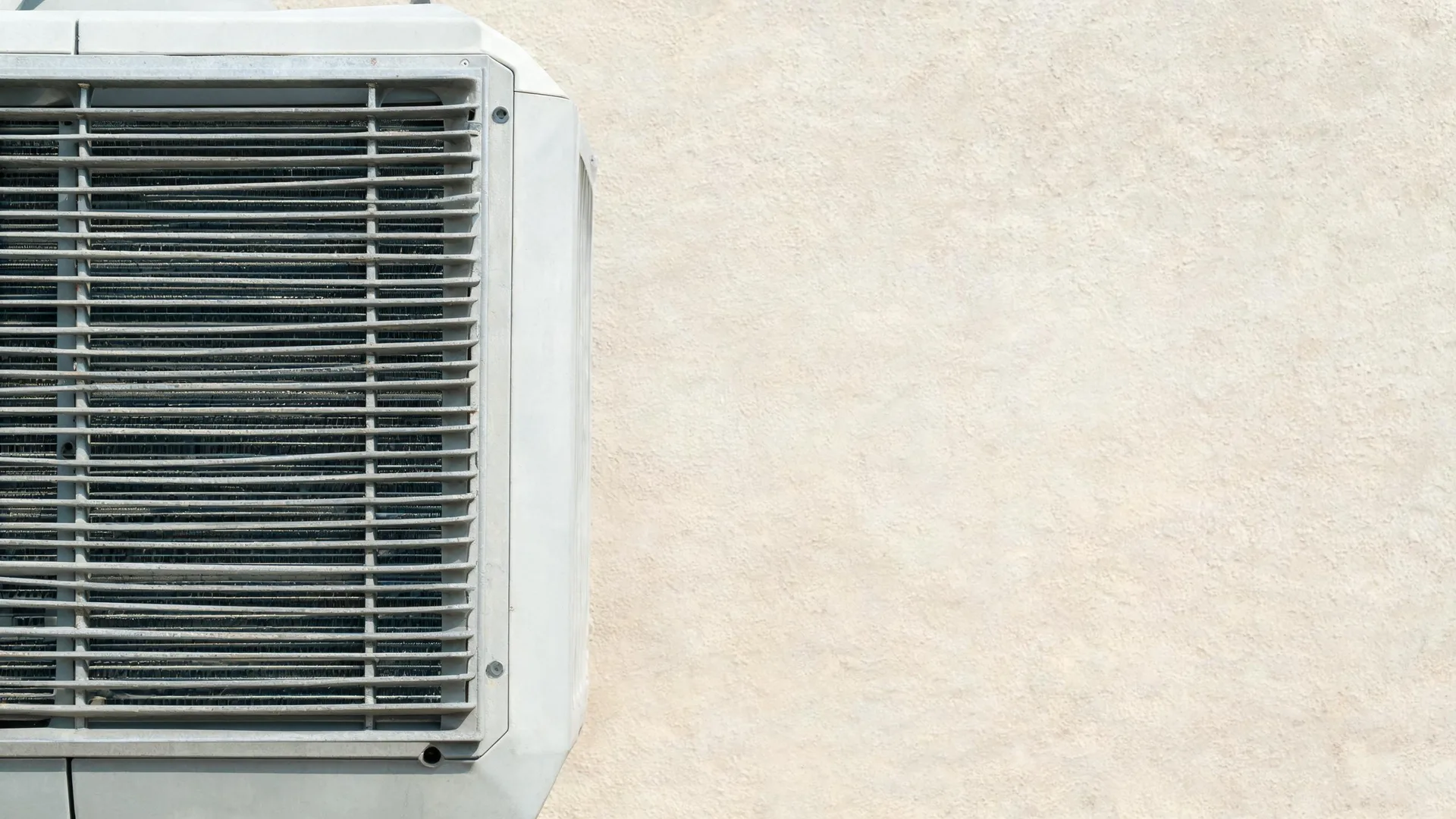
Fairfield County recorded 166 severe weather events between 2015 and 2024, and most of that was wind. Your heat pump's outdoor unit sits outside through all of it, exposed to whatever blows through. Hail dents the cabinet and bends the fins on the coil. Wind-driven debris does the same, or worse. A unit can take that kind of hit and keep running for months before the real effect shows up, usually as it working harder than it should to move the same heat. If a storm has come through recently, it's worth having the unit looked at even if it still turns on and blows air.

5 months
November through March, your system heats
5 months
May through September, it cools
34°F
the average winter night it heats against
90°F
the average summer afternoon it cools against
Isometric cutaway illustration of a single-story house showing interior rooms with furniture, an attic duct system connected to an indoor air handler, and an outdoor condenser unit linked by lines along the exterior wall.
Your system heats November through March and cools May through September.

NOAA nClimDiv, 1991–2020 normals

A heat pump that's low on charge or stuck in defrost still blows air, so the vents alone won't tell you anything is wrong.

Put a hand on the supply vent. Air that's barely warm, or cold, means the repair call shouldn't wait.

November is when a weak heat pump quits

Cooling runs May through September
Heat runs November through March
131 damaging wind events from 2015 to 2024
An older unit here is nothing unusualHalf the homes in Fairfield County were built in 1984 or earlier.

A technician checking the unit after a storm will look at the fins before anything else. Bent fins block airflow across the coil, and the unit draws more current trying to move the same amount of heat through less open space. None of that shows up by looking at the thermostat or listening to the compressor run. It shows up on the coil itself, and on the amp draw when someone checks it. If Winnsboro has had wind or hail come through in the last few months, that's reason enough to have the outdoor unit opened up and looked at, whether or not anything seems wrong yet.

Get it checked after a storm

Storms hit hard here. If the outdoor unit took hail or debris, have it checked even if it still runs.

Find a contractor
A gray heat pump outdoor unit mounted on a concrete pad next to a residential house with lap siding and stone accents.

A heat pump runs both ways, and fails on both schedules

A heat pump doesn't get the break a furnace or an AC gets sitting idle part of the year. It's switching between heating and cooling on the same compressor, the same fan motor, the same contactor, all year long. The reversing valve is the part unique to a heat pump, and it's a common point of failure, since it's the one switching position every time the system changes direction. Refrigerant charge matters more here too. A unit running low on charge struggles in both modes, and weak heat in winter often shows up before weak cooling does in summer. Defrost is its own wear point. The system has to reverse itself, melt the ice off the outdoor coil, then reverse back, and a stuck defrost control or a bad sensor leaves that coil iced over with the system unable to pull any heat from the air at all.

A small fault turns into a bigger repair

A failing capacitor makes the compressor pull harder every time it starts. Keep running the unit that way and the compressor windings take the damage instead, and a capacitor swap turns into a compressor replacement. The same goes for a refrigerant leak. Run it low on charge long enough and the compressor is pumping without enough oil return, and that wears the compressor itself.
Ice and a stuck defrost cycle don't fix themselves

If the defrost control or sensor fails, the outdoor coil can ice over and stay that way. The system keeps trying to pull heat from a coil that's blocked with ice, so it runs longer for less heat and the compressor works against a dead end. Shutting it down stops the ice from building further. Leaving it running doesn't give the coil any chance to clear on its own.

Before calling anyone, go outside and look at the unit itself. Clear away leaves, mulch or anything piled against the cabinet. The outdoor coil needs open air moving through it to work at all. Check that nothing is blocking the top where the fan discharges air upward. Inside, make sure the thermostat is set to heat and set higher than the room temperature. A setting left on the wrong mode after summer is an easy thing to miss. Check the breaker panel for a tripped breaker on both the indoor air handler and the outdoor unit, since a heat pump needs both sides running to do anything. Watch the outdoor unit while it runs. If the fan isn't turning, or the whole thing is caked in ice beyond what you'd see during a normal defrost, that's worth telling whoever comes out. None of this fixes a bad reversing valve or a low charge, but it rules out the simple stuff first.

A diagnostic visit starts outside at the unit itself, not at the thermostat. The technician pulls the panel and checks amp draw against what that compressor is rated for, since a motor pulling too much current is working against something, whether that's a dirty coil, a bad capacitor, or low charge. From there it's gauges on the refrigerant lines to check the charge, because both heating and cooling depend on the system having the right amount. The reversing valve gets tested by switching the system between modes and feeling whether it actually changes over, since a valve that's stuck or slow to shift will heat and cool out of the wrong end. Defrost gets checked too, the sensor and the control board that tells the system when to reverse and melt ice off the outdoor coil. Most of this is done with the unit running, because a problem that only shows up under load doesn't show up sitting still.