
Heat Pump Maintenance in South Carolina
Across the counties where its people live, South Carolina recorded more severe weather from 2015 to 2024 than 36 of the other 49 states.
Tell us about the job
Takes about a minute. No obligation.
- 36°Fwinter overnight low where people live
- 5 monthsof heat, November through March
- 89°Fsummer afternoon high where people live
- 5 monthsof cooling, May through September
What does a heat pump in South Carolina face?
How hot do summer afternoons get?
89°Faverage afternoon high where people live
Alaska66°F
Arizona101°F
How cold do winter nights get?
36°Faverage overnight low where people live
North Dakota4°F
Hawaii65°F
How many months does the heat run?
5 monthsof heating a year
Hawaii0 months
Alaska12 months
What does electricity cost?
14.23¢per kWh (kilowatt hours, the unit on an electric bill), what homes paid in 2024
North Dakota11.51¢
Hawaii42.86¢
How often do storms hit?
245severe weather events per county from 2015 to 2024
Alaska5
Wyoming1,057
How many homes lost power for a day or more?
45%of homes in 2024
Arizona7%
Maine54%
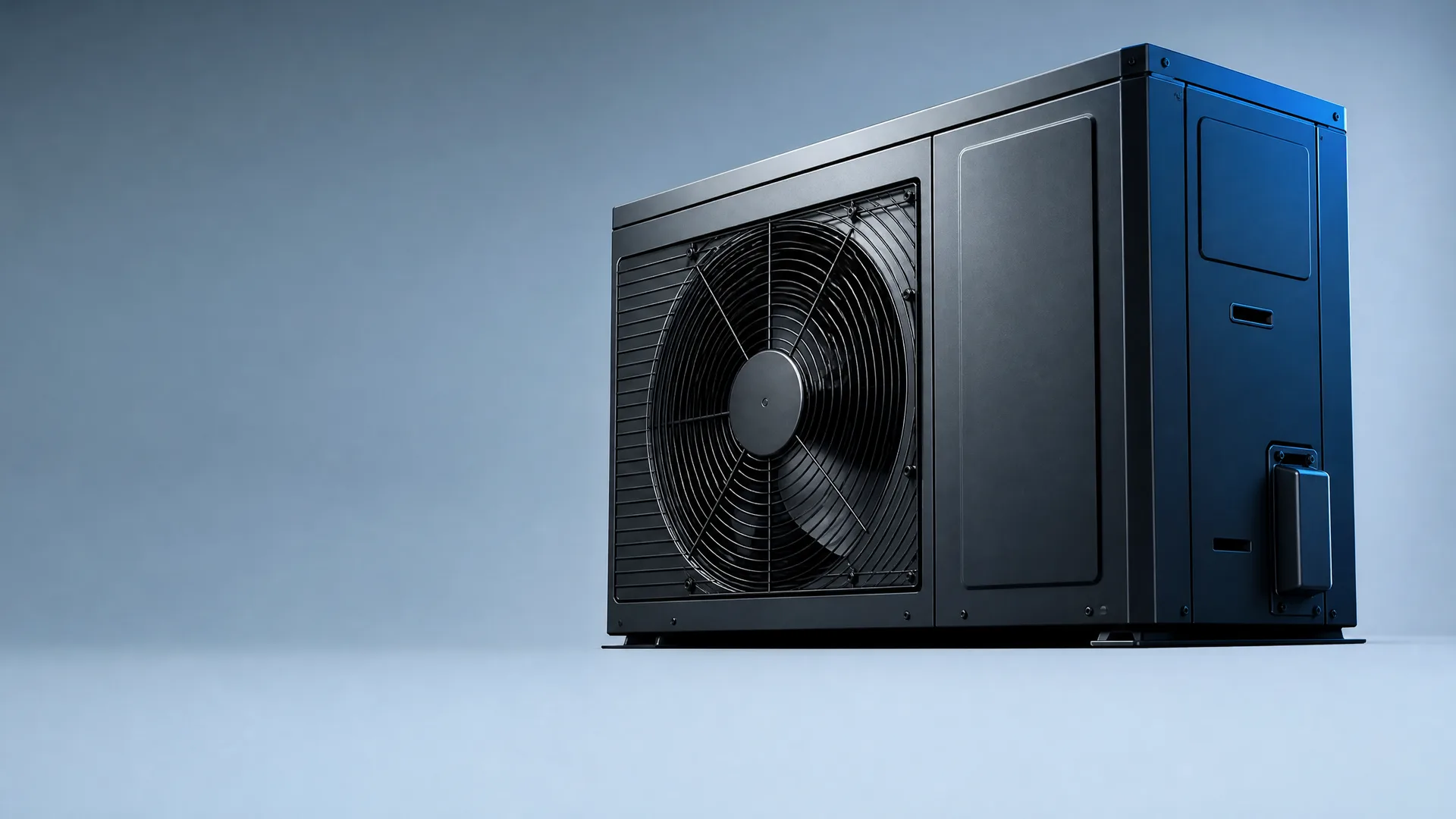
A system that works both sides of the year
A heat pump in South Carolina switches straight from cooling to heat in November, with no break between the two. October is the month to get it looked at, before it has to make that switch. Loose connections, low refrigerant or a worn contactor show up fast once the unit starts working hard for heat, and they are easier to catch before that first cold morning than after.
South Carolina runs cooling for more months of the year than 34 of the other 49 states, and heat for fewer months than 41 of them.
A heat pump here spends more of the year moving heat than sitting idle, so a yearly check matters more than it would somewhere colder.

A newer system is worth protecting
Half the homes here were built in 1992 or later, which means a lot of heat pumps still have years ahead of them
Half the homes in South Carolina were built in 1992 or later. That's a lot of heat pumps still well within their working life, not nursing along some unit from decades back. A yearly check is what keeps a newer system in that position. The contactor, the refrigerant charge, the electrical connections, all of it holds up better when someone looks at it once a year instead of waiting for a breakdown to force the issue. A system that's not old yet is worth keeping that way.
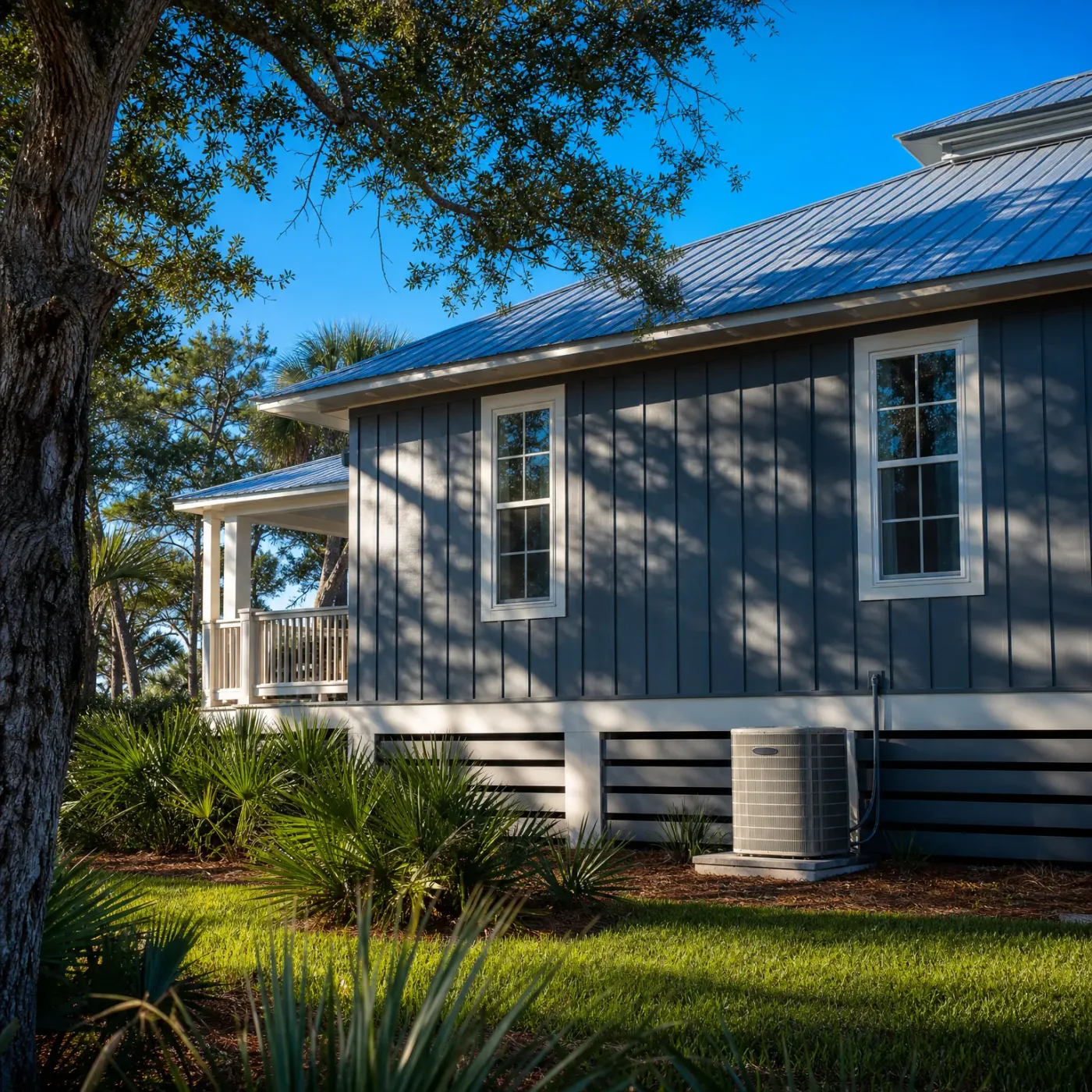
South Carolina doesn't ask the same thing of a heat pump everywhere. Homes in Cherokee County, in the north, need about 78% more heat over a year than homes in Beaufort County, where the state's heating need is lowest. A heat pump in Cherokee County is doing more work each winter than one near Beaufort.
Winter nights back that up. The average low in Cherokee County runs 32°F across December, January and February. In Beaufort County it stays milder, at 42°F. A system working near freezing air leans harder on its defrost cycle and its reversing valve than one that rarely sees air that cold. That's one more reason the fall check matters more the farther north you go.
Cooling runs the other way. Homes in South Carolina's southern counties need about 29% more cooling over a year than homes in the north, and homes in Beaufort County need about 70% more cooling than homes in Pickens County, where cooling need is lowest in the state. For a homeowner near Beaufort, the spring check before the air conditioning months carries more weight than it would for someone in Pickens.
So the calendar isn't the only thing that decides when to get a heat pump looked at. Where it sits in the state matters too. Further north, the check before November counts for more. Further south, it's the one before May. Either way, the unit is working one side of the year hard enough that catching a problem early beats finding it in the middle of a cold snap or a heat wave.
Ten months of work wear a heat pump down heat five months, cooling five more
- Northern counties need about 32% more heat than southern ones
- Winter nights average 36°F where people live
- Summer afternoons average 89°F where people live
- Heat runs November through March
- Cooling runs May through September
- 95 winter storms from 2015 to 2024


Newer homes, systems with years left in them
Most homes in South Carolina are detached single-family houses, and 14.2% are mobile homes. Mobile homes put different demands on a heat pump, with ductwork and connections that a technician checks differently than in a site-built house. Whatever kind of home it's in, a system installed within the last few decades still has plenty of working life ahead of it, and the contractor, refrigerant charge and electrical connections hold up longer when someone looks at them once a year instead of waiting for something to fail.
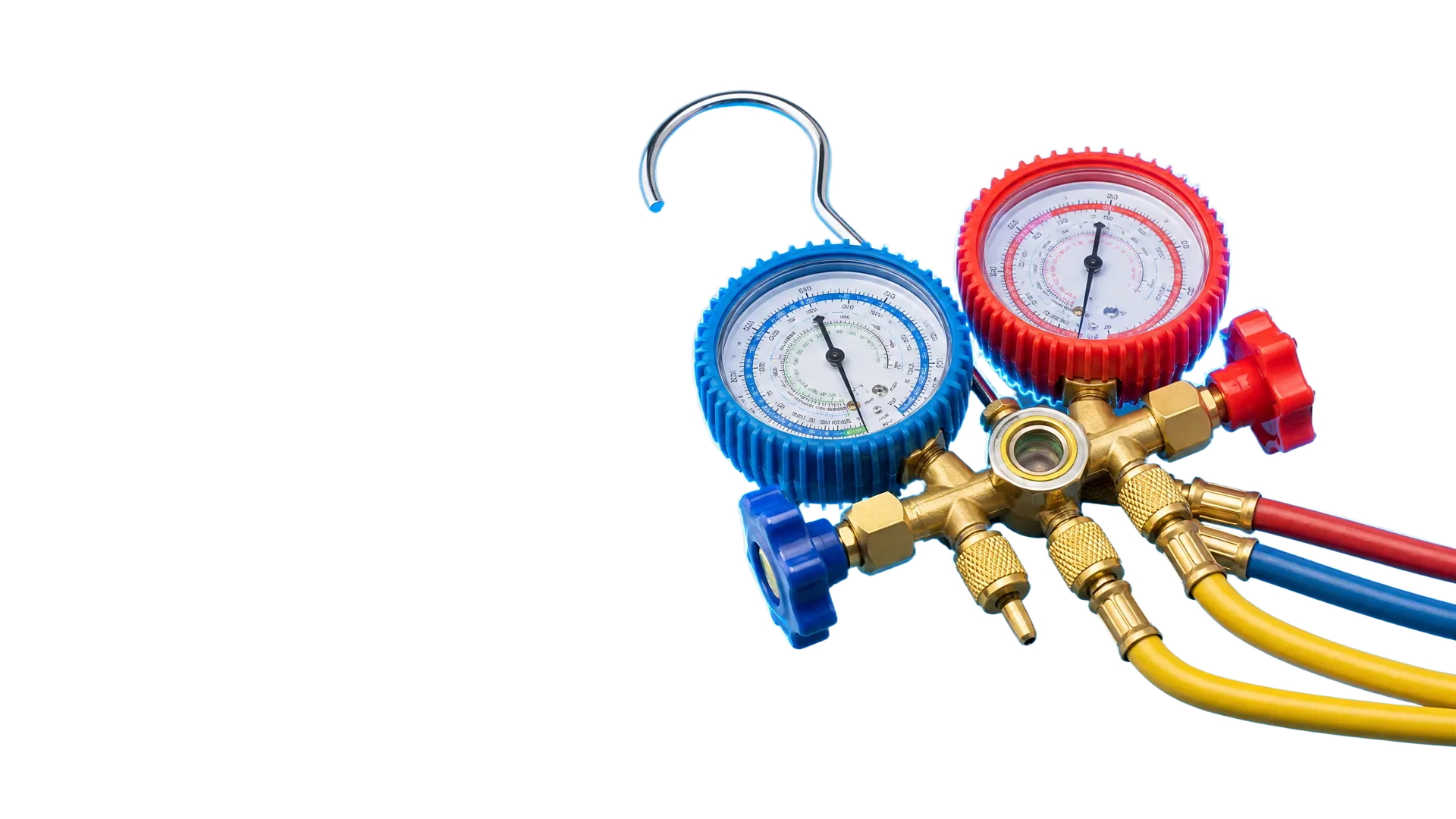
What a real tune-up actually checks
A tune-up that's worth the name means the panel comes off. Someone checks the refrigerant charge against what the system calls for, not just whether the air coming out feels cold. The contactor gets inspected for pitting, since that's the part that wears from switching on and off thousands of times. The capacitor gets tested under load, not just looked at. Electrical connections get tightened, because a loose one generates heat and eventually fails right when you need the system most. The coils get checked for dirt and buildup, inside and out, since a dirty coil makes the whole system work harder to move the same amount of heat. Someone runs the unit in both modes, heating and cooling, and checks the defrost cycle actually kicks in and reverses like it should. A quick visit skips most of this. It's a filter swap, a glance at the outdoor unit, maybe a reading of the temperature split, and out the door. That might catch something obvious, but it won't catch a refrigerant charge that's slipping low or a contactor that's a season away from failing. The difference shows up later, usually at the worst time, as a system that stops working instead of one that got caught early.

South Carolina logged more severe weather over the past decade than 36 of the other 49 states, counting where people actually live. Damaging wind and hail account for most of that, and an outdoor heat pump unit sits right through it, exposed to both. A storm can mark up the coil fins or knock a panel loose without it being obvious from a glance.
When the power goes out, a heat pump goes out with it. Nearly half of South Carolina households lost power for 24 hours or more in 2024, a bigger share than almost anywhere else in the country. Tornadoes and tropical storms both reach into this state most years. A yearly check will not stop a storm, but it means the unit is not already running on a weak capacitor or a loose connection when one hits.
Storm season here is hard on an outdoor unit, so have it checked before the next one hits.
Tell us about the job
Takes about a minute. No obligation.
Fill out the form once and a licensed heat pump contractor in South Carolina will contact you.