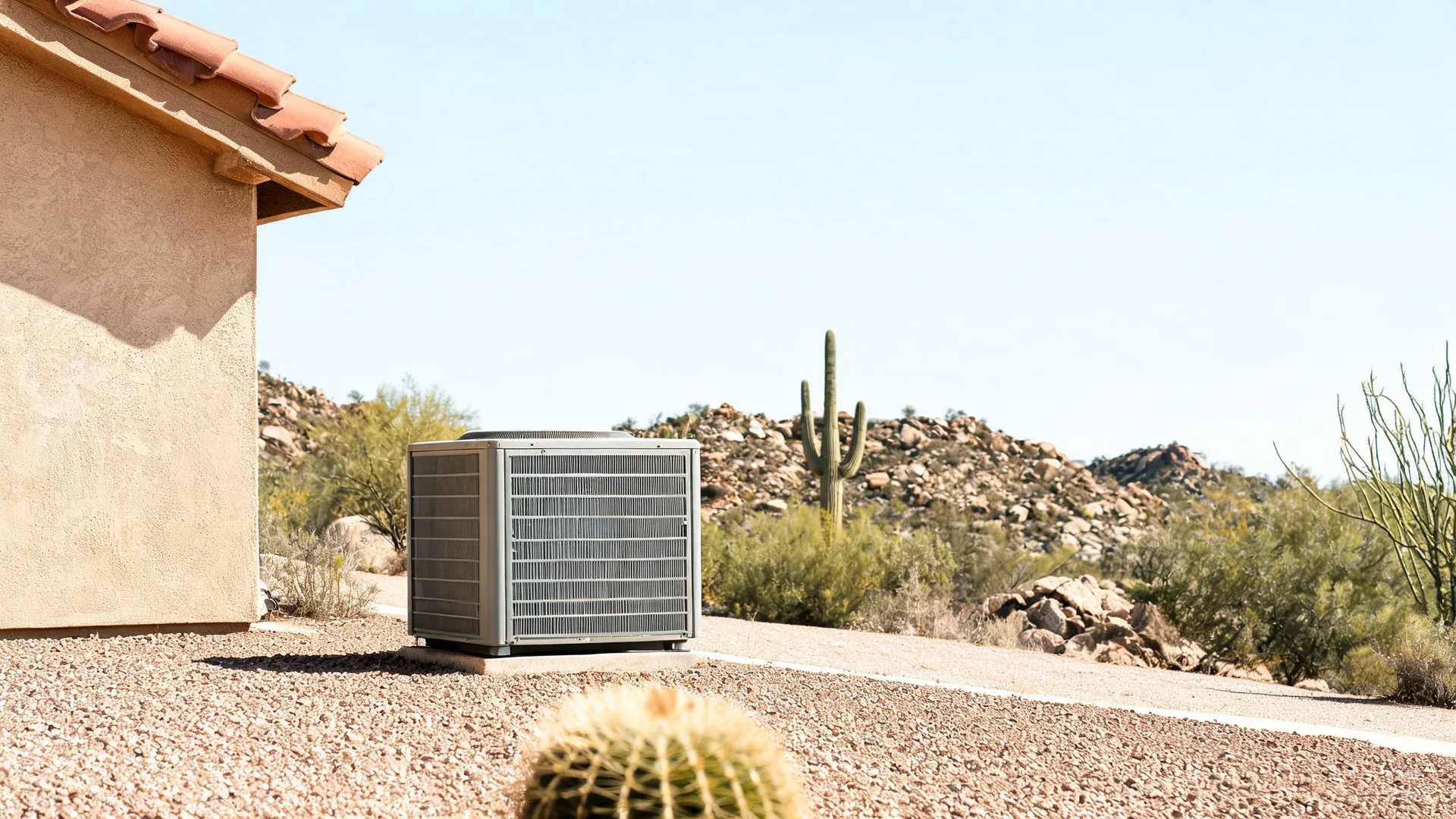
Pickens County gets hit often
Pickens County logged 113 severe weather events between 2015 and 2024, most of it damaging wind and hail. A heat pump's outdoor unit sits right in the path of all of it.
Takes about a minute. No obligation.
Pickens County logged 113 severe weather events between 2015 and 2024, most of it damaging wind and hail. A heat pump's outdoor unit sits right in the path of all of it.
Wind drives debris into the outdoor coil and fan. Hail dents the cabinet and can bend the fins that let the unit shed heat. None of that shows up until the system is asked to run hard, which is exactly when you don't want a surprise.
Half the homes in Pickens County were built in 1989 or later.
A heat pump installed with a newer home still has years of working life worth protecting with yearly service.




A heat pump moves air constantly, and the filter is the first thing that air has to get through. Once it loads up with dust, the system has to pull harder to breathe, and that strain lands on the blower motor. The outdoor coil does the same job in reverse, and when it's coated in dirt or matted with grass clippings, the unit can't shed or pull heat the way it needs to. The indoor coil collects condensation as it works, and that water has to leave through the drain line. Let that line clog with algae or sludge and the water backs up into the cabinet, sometimes into the ductwork above it. None of these are dramatic failures. They're slow ones, the kind that wear down a part long before anyone notices it's failed.
If your heat pump went in with the house, it likely still has years ahead of it. A yearly checkup is how those years stay easy on the system. The tech catches a dirty filter or a coil that needs cleaning before either one wears down a motor.
Find a contractorThe light load still adds up over a year of running. A yearly checkup is what catches a weak capacitor or a coil going dirty while the fix is still simple, before the unit has to lean on a part that's already worn.
A heat pump running low on refrigerant still blows air, so nothing feels wrong at first. A gauge set on the lines is the only way to see it. Low charge makes the compressor work harder to move the same heat, and that strain is what shortens its life.
Most of the year a heat pump runs in one mode, so the valve that switches it to the other sits unused for months. If it sticks, you find out on the day you need the other mode and the system won't switch. A tech can cycle it during a checkup and catch a sticking valve before the season asks for it.
Between visits, the filter is the one thing worth checking yourself. Pull it out, hold it up to the light, and if you can't see through it, swap it or clean it depending on the kind you have. Keep the area around the outdoor unit clear too. Leaves, grass clippings, and anything piled against the cabinet block the airflow the coil needs to work. Walk past it after a storm and look for bent fins or debris caught in the fan grille. Beyond that, leave it alone. The refrigerant charge, the reversing valve, and anything behind the access panel are a tech's job, not because the steps are secret, but because they take gauges and training to do without causing damage.
A proper tune-up starts outside at the condenser. The tech pulls the top or side panel and checks the capacitor and contactor, since a weak capacitor is one of the most common reasons a compressor or fan motor fails early. The coil gets washed if it's dirty, not just rinsed, because caked-on dirt holds heat against the fins instead of letting it shed. Inside, the blower wheel gets checked for dust buildup, which throws off airflow even when the filter is clean. The tech hooks up gauges and checks refrigerant pressures against what the system is supposed to run, since that's the only way to catch a low charge before it strains the compressor. The reversing valve gets cycled both ways to make sure it switches when asked, not just on the day you need heat or cooling and find out it won't. Electrical connections get checked for anything loose or corroding, since a loose wire is what turns into a no-start call later. None of this takes long when the system is healthy. It takes longer, and matters more, the year something's starting to go.