






Heat pump not heating in Charleston, SC

RepairHeat PumpCharleston County, SC
Step 1 of 2

What ZIP code is the job in?

A heat pump that runs but blows cool or room-temperature air usually means it's stuck in defrost, low on refrigerant, or the reversing valve that switches it from cooling to heating has failed. Charleston winters are mild, so the outdoor unit doesn't ice over the way it would further north, which makes a defrost cycle that won't release itself or a stuck valve the more likely cause here rather than frost buildup. A thermostat set to "emergency heat" instead of "heat" will also leave the house cold, since that setting bypasses the heat pump and relies on backup electric resistance heat, which most homes here run on and pay for by the kilowatt-hour. If outdoor temperatures have dropped into the 30s or below, the unit may simply be running its normal defrost and backup cycle, and the air coming out feels cooler than body temperature even when it's working. If the outdoor fan isn't spinning at all, or the system is tripping its breaker, that points to an electrical or motor problem that needs a licensed hand before it gets worse.

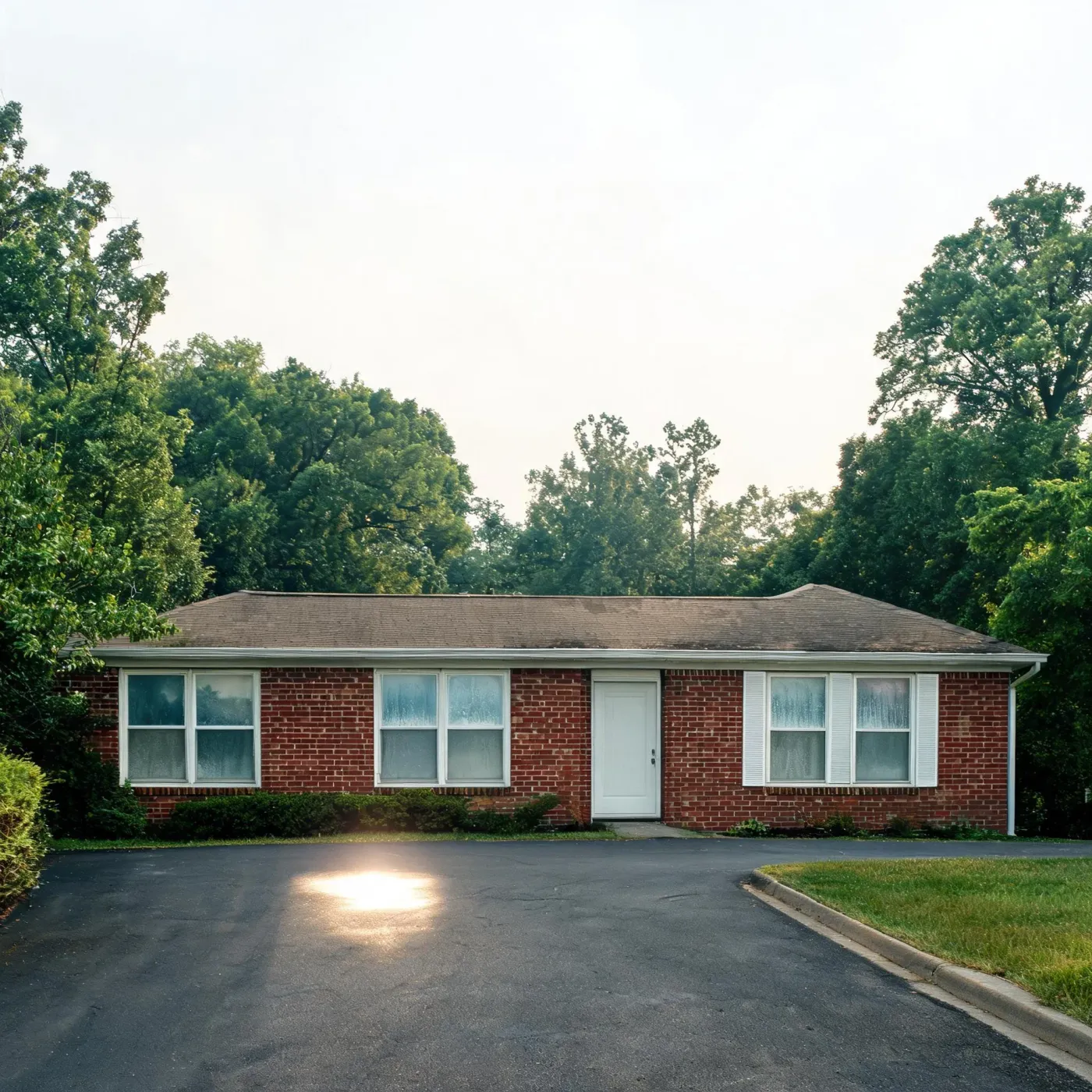
A single-story red brick ranch house with a white door, white-trimmed windows and a shingled hip roof, fronted by a wide asphalt driveway with sunlight glare, surrounded by green deciduous trees under a pale sky.

Summer air in Charleston County carries a dew point around 72°F, according to National Weather Service records, and that's the number that makes August feel heavier than July's temperature alone would suggest. A heat pump works against that moisture all summer, running longer to pull it out of the air, and that extra runtime is hard on the same reversing valve and refrigerant charge that cause winter heating trouble. If your system struggled with humidity in July, don't be surprised if it's the one blowing cold air instead of warm come December.

NASA POWER T2MDEW

Why does my heat pump blow cold air before it warms up?

You turn on the heat and for the first minute or two the air coming out feels cool, even cold, before it finally warms up. It makes you wonder if the system is actually working right or if something's wrong with it, especially if you're used to a furnace where the air is warm from the moment it starts.

That cool air at startup is normal for a heat pump

A heat pump moves heat from the outside air into your home instead of burning fuel to create it, so the air coming out of the vents is never as hot as what a gas furnace produces. When the system first kicks on, the indoor coil and the ductwork are still cold from sitting idle, and the air you feel in that first minute or two is just what's left over before the warm air catches up. Once the system has been running a few minutes, the air should feel warm, somewhere in the 90s. If it stays cool the whole time it runs, or never gets past lukewarm, that points to a real problem, not the normal startup lag.

A gray-haired bearded man in a dark knit sweater sits on a light gray sofa in a sunlit living room, looking to his left, with a framed artwork, a potted palm, and a curtained glass door behind him.
A middle-aged man in a dark green sweater sits on a light grey sofa looking toward a sunlit window, with a wooden shelving unit, lamp and potted plants in the background.
A man in a dark green sweater sits on a light grey sofa in a sunlit living room, looking to his left, with a shelving unit, houseplants, framed art and a large window behind him.
A gray-haired bearded man in a dark green sweater sits on a light gray sofa in a sunlit living room with a potted plant, framed picture, and dark shelving in the background.

Why does a heat pump have to work so hard on a 41°F night?

  • Winter nights average 41°F

    41°F is below your body's comfort range but still mild enough that most people assume the system shouldn't be struggling, which is why a weak heat pump gets ignored here longer than it should.

  • Heat runs November through March

    Five months of regular use means any issue with the reversing valve or defrost cycle shows up repeatedly, not once, so a small problem in November is still there in March.

  • Cooling runs May through October

    Six months of cooling every year puts real hours on the same compressor and valve that heat has to rely on come winter, so summer wear shows up as a winter failure.

NOAA nClimDiv 1991-2020

What This Means For Your House

  • A heat pump stuck on cool air during a cold snap can leave the house in the 50s before anyone notices something's wrong.
  • Electric backup heat kicks in when the system can't catch up, and in Charleston that shows up as a much higher power bill the following month.
  • A failed reversing valve won't fix itself, so the house keeps losing ground night after night until someone opens it up.
  • Low refrigerant left alone can damage the compressor, turning a repair into a full system replacement.
  • A unit cycling on and off instead of running steady usually means a part is already failing, not just struggling with the cold.
  • Pipes and plants can't tell the difference between a broken heat pump and no heat pump at all once the temperature drops overnight.

A heat pump that's stopped actually heating doesn't announce itself right away. The thermostat might still read close to the setting while the house slowly drifts colder, and by the time anyone notices, rooms have settled into the 50s overnight. Charleston doesn't get the kind of deep freezes that force the issue fast, so a system quietly losing ground can go a few days before it's obvious something's wrong.

In the meantime, the backup electric heat strips are doing the work the heat pump can't, and that's expensive here. You won't see it until the next bill, and by then it's covered more than one cold snap. If the cause is a failed reversing valve, nothing about that changes on its own. The house keeps losing ground each night the system runs in this state. If it's low refrigerant, running the compressor under that condition wears it down, and what started as a repair can turn into a conversation about replacing the whole unit.

A system that cycles on and off rather than running steady is usually telling you a part has already failed, not that it's simply struggling against the cold. And once the house itself is cold, anything in it that depends on steady heat is exposed the same way a home with no heat pump at all would be: pipes in exterior walls, plants kept indoors over winter, anything that doesn't tolerate a long stretch in the 50s.

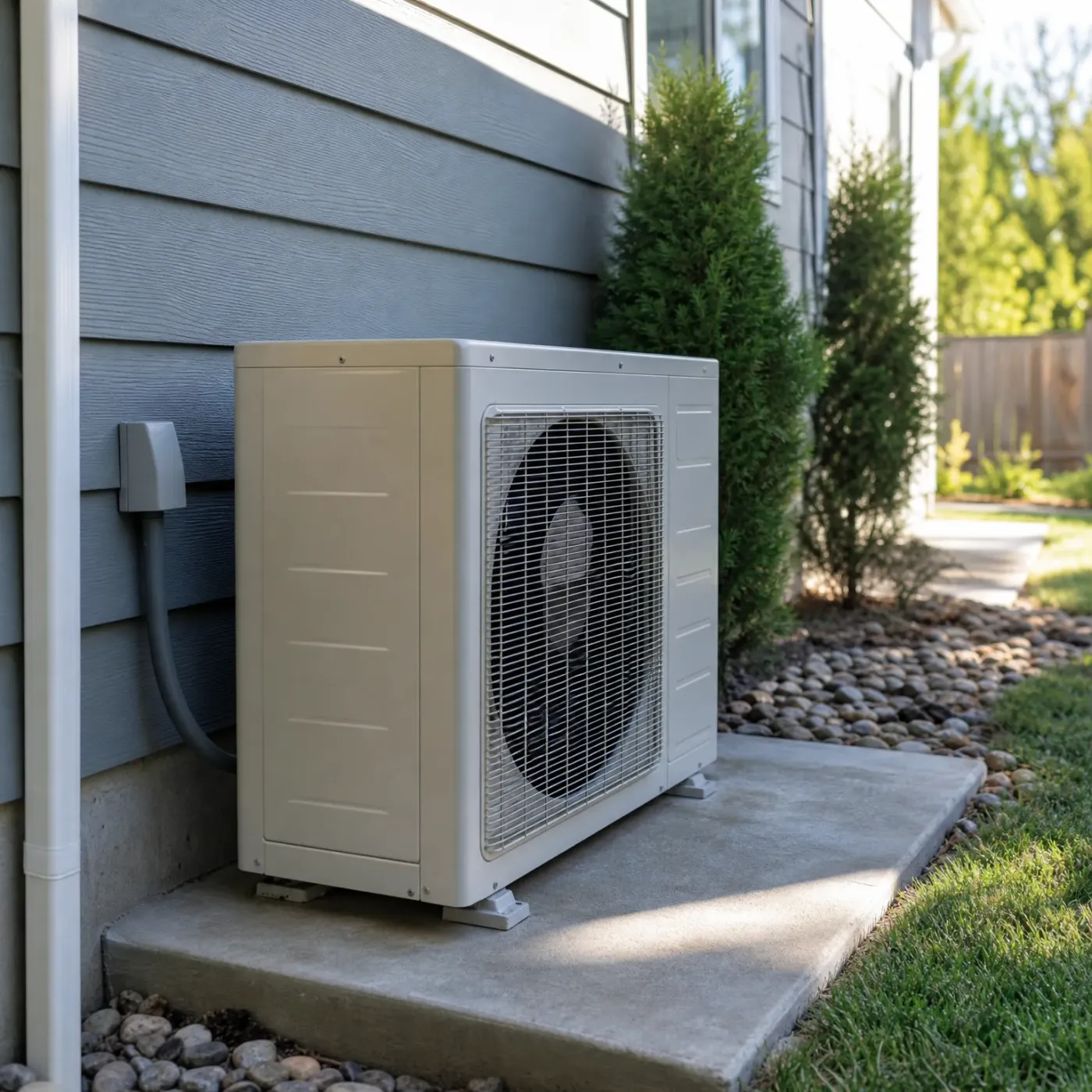
A gray outdoor condenser unit on a concrete pad beside a light-colored lap-sided house, with a wall-mounted disconnect box, refrigerant lines, mulch bed and shrubs, and a concrete walkway in the foreground.
A heat pump like this keeps the coil and fan grille clean, so air moves through it the way it's supposed to.
An outdoor air conditioner condenser unit with rust spots on its top grille sits on a concrete pad beside a house with light horizontal siding, with conduit lines and an electrical box on the wall and a mulch bed to the right.
Rust on the grille and dirt packed around the base mean the coil underneath is likely just as dirty, and a dirty coil can't pull heat from the air no matter how hard the unit runs.
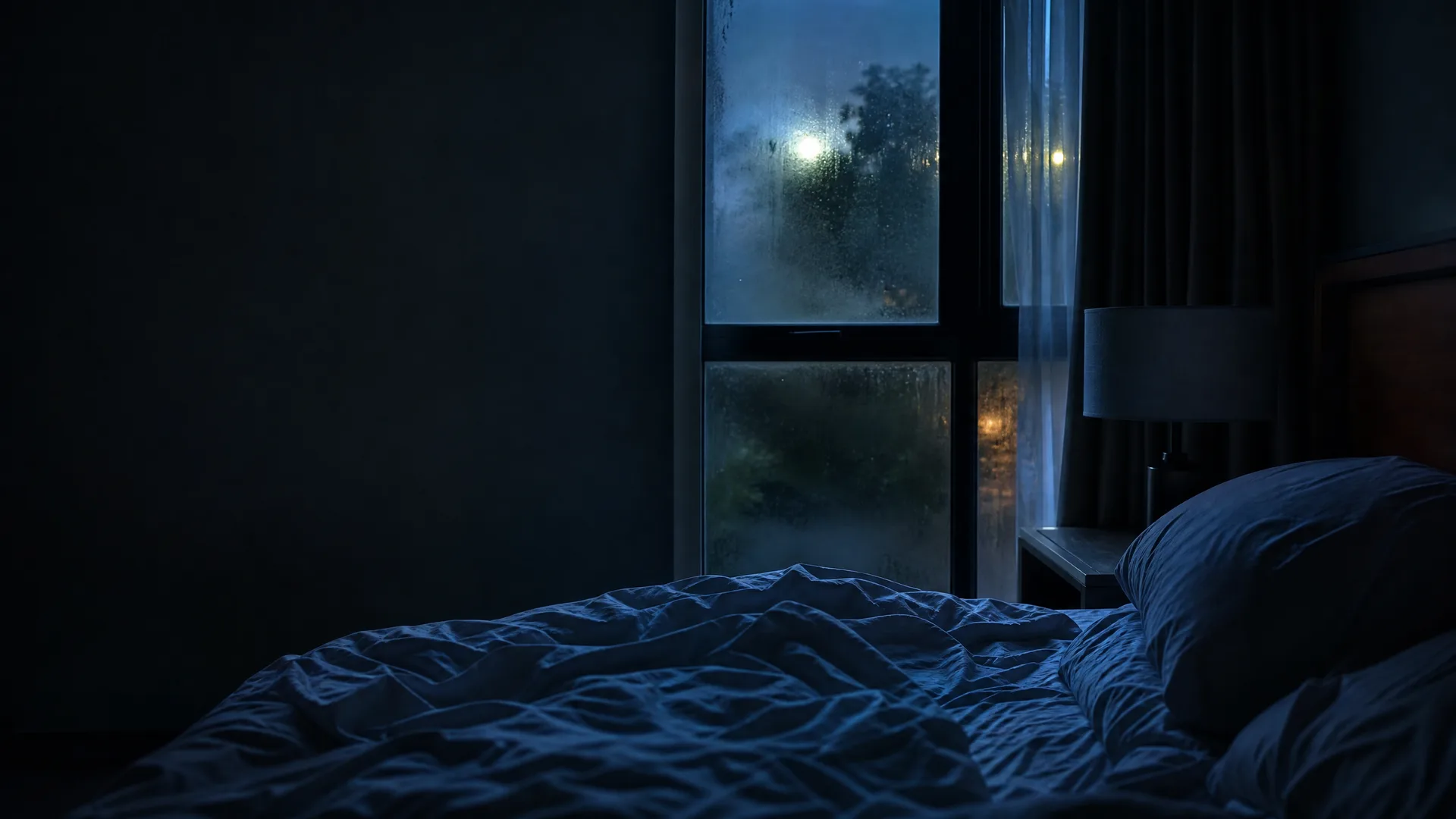
A dark bedroom at night with a rumpled duvet and pillows on a bed beside a rain-streaked, condensation-covered window with distant lights, a curtain, and a bedside lamp.

It's past midnight in January and the house is sitting at 58 degrees. You're under two blankets and still awake, and you can hear the outdoor unit running steady, not even cycling off. The vent by the bed is pushing air but it's barely warmer than the room. Your hand hovers near it and you can't tell if it's doing anything at all. Down the hall the thermostat shows the set point five degrees higher than what the house actually feels like. You think about getting up to check the breaker panel, then decide it can wait until morning, and pull the blanket up instead.

No calling every shop in Charleston County

The pro who gets in touch is licensed in South Carolina and works in Charleston County.

It costs nothing to send, and you don't have to hire anyone.

Riding it out until tomorrow

The house is cold tonight but not dangerous, and the forecast shows it warming up in a day or two. Some homeowners wait it out, run a space heater in the bedroom, and plan to call someone once the weather breaks. That can work if the unit is still putting out some heat and the backup strip heat is covering the gap. The risk is a part that's failing slowly, like a reversing valve stuck halfway, getting worse with every cycle instead of staying the same, so the wait costs more in the end than it saves tonight.


Getting a tech out now

A licensed contractor who works on heat pumps all winter in this area has likely seen the exact failure showing up in your house, whether that's a low charge, a stuck reversing valve, or a defrost control that won't let go. Calling one contractor instead of several means one visit, one diagnosis, and no explaining the problem over and over to different companies. For a system blowing cold air in the 40s, getting someone out sooner means fewer hours running on backup heat alone, which in Charleston adds up fast on the power bill.

An outdoor air conditioner condenser unit on a concrete pad beside a house with horizontal siding, with conduit, cables and an electrical box on the wall and mulch beds at either side.
Before you get your heat pump repair
A light gray outdoor heat pump unit mounted on a concrete pad beside a house with horizontal lap siding, with refrigerant lines and conduit running to a wall-mounted electrical box, gravel and a leafy shrub nearby.
After you get your heat pump repair
A gray outdoor condenser unit on a concrete pad beside a house with horizontal lap siding, with an electrical disconnect box and insulated refrigerant lines on the wall, gravel in the foreground and a planting bed at left.

Clean and clear

The fins and base are clean, so air moves through the coil the way it's designed to. Refrigerant lines and the disconnect are easy to check when something needs attention, and a unit kept like this usually keeps running without surprises.

A weathered gray outdoor condenser unit sits on a concrete pad beside a house with horizontal siding, with refrigerant lines entering the wall at left and a mulched shrub bed at right.

Caked with grime

Dirt packed into the fins and base blocks the airflow the coil depends on. A unit left like this works harder to pull heat from the air, and that strain shows up as weak heat, longer run times, or a system that can't keep up once it turns cold.

Finding Help Yourself vs. Getting Matched

Calling it in yourself

  • You're searching for a contractor who works on heat pumps specifically, not just furnaces or window units.
  • You're calling around Charleston County asking who can come out this week and explaining the same problem to each one.
  • You're comparing quotes from companies you've never worked with, guessing at who actually knows this equipment.
  • Every company you call wants its own diagnostic visit before anyone tells you what's wrong.
  • You're the one deciding which bid is fair without knowing what a reversing valve or a defrost board job should run.

Matched to one contractor

  • One licensed contractor local to Charleston County gets your request, not five companies competing for the callback.
  • You explain the problem once, and it goes to someone who already works on heat pumps in this area every winter.
  • Someone who sees reversing valves and defrost boards fail in mild Charleston winters knows what to check first.
  • You're not sorting through separate quotes or fielding calls from companies you didn't choose to hear from.
  • The contractor is licensed, so the diagnosis and the repair come from someone qualified to do both.
  1. A contractor checks the reversing valve that switches the system from cooling to heating.

  2. Refrigerant levels get tested to see if a low charge is starving the coil.

  3. The defrost control board and sensor get checked for a stuck defrost cycle.

  4. The outdoor coil gets inspected for dirt or damage blocking heat transfer.

A wooden table in the foreground holds a closed laptop and a ceramic mug of coffee, with a spindle-back wooden chair behind it, a beige wall with paneled wainscoting, a window at left, and a kitchen counter with a cutting board, bowl of fruit and greenery at right.

A heat pump that won't heat has a reason, and it's fixable

A heat pump blowing cold air in the middle of winter is almost always one of three things: a reversing valve stuck in the wrong position, a refrigerant charge too low to pull heat from the outside air, or a defrost cycle that isn't ending the way it should. None of those get better by waiting, and running the system on electric backup heat in the meantime costs more than the repair itself usually does.

Once you've got a contractor who works on heat pumps, the part gets checked, tested and fixed without you having to explain the problem a second time or track down a callback. You skip the search through listings, the string of calls asking who's free this week, and the back and forth comparing quotes from companies you don't know. One licensed, local contractor who works on this equipment all year handles it, and you go back to a house that heats the way it's supposed to.

A speckled beige ceramic vase holding thin dried branches sits on a round wooden table near a window with sheer curtains, with a dark upholstered chair and draped blanket blurred in the background.
A beige outdoor heat pump or air conditioner condenser unit on a concrete pad beside a gray horizontal-siding house, with a disconnect box and conduit on the wall, shrubs, river rock and lawn nearby.

Skip the calls to every shop

Find a local pro

A licensed pro who works in Charleston County gets your request.

No charge to send it. You decide if you hire them.