
Furnace Installation in South Carolina
Across the counties where its people live, South Carolina recorded more severe weather from 2015 to 2024 than 36 of the other 49 states.
Tell us about the job
Takes about a minute. No obligation.
- 36°Fwinter overnight low where people live
- 5 monthsof heat, November through March
- $16.37 per million Btuwhat homes paid for natural gas in 2024 (Btu means British thermal units, a measure of heat)
- 95winter storms from 2015 to 2024
Storms hit South Carolina more than most states Outages often follow, state wide
- Northern counties need about 32% more heat than southern ones
- Winter nights average 36°F where people live
- Heat runs November through March
- 95 winter storms from 2015 to 2024
- Climate zones 2A and 3A across the state
- 45% of homes lost power a day or more in 2024


- A new furnace gets sized to your house, not swapped in at whatever size the old one happened to be, so rooms that never got warm enough before have a real shot at it
- The ductwork gets checked against the new furnace instead of assumed to match, so air actually moves the way the unit expects it to
- A new ignition system lights the furnace reliably instead of the slow or failed starts an aging one develops
- Fresh seals and connections at the flue and cabinet mean nothing is leaking heat or exhaust where it shouldn't
- A furnace installed correctly from the start holds its warranty, which a bad install or a mismatched part can quietly void
Get it done before November
October is the month to get this done. Heat doesn't come on here until November, and once it does, you don't want to be without it while a contractor orders parts or finds a slot. South Carolina only needs heat about five months a year, less than most of the country, so there's a wide stretch where a furnace sits unused and a replacement can happen without anyone shivering through it. Line it up before November and the whole job happens on your timeline, not during the first cold snap when everyone else is calling too.

The old furnace has to come out right, not just come out
What a proper removal covers before the new unit ever goes in
Pulling the old furnace out is part of the job, not an extra step. A contractor disconnects the gas line and caps it, pulls the electrical, and takes the flue connection apart before the new unit goes in. If the ductwork ties into the old furnace in a way that doesn't match the new one's size or airflow, that gets adjusted too, not left for you to find out about later. None of this is optional work tacked onto the install. A furnace that's capped wrong or a flue that's not sealed properly is a hazard sitting in your house, not just a loose end.
What does a furnace in South Carolina face?
How cold do winter nights get?
36°Faverage overnight low where people live
North Dakota4°F
Hawaii65°F
How many months does the heat run?
5 monthsof heating a year
Hawaii0 months
Alaska12 months
What does natural gas cost?
$16.37per million Btu, what homes paid in 2024
Montana$7.77
Hawaii$53.25
How often do storms hit?
245severe weather events per county from 2015 to 2024
Alaska5
Wyoming1,057
How many homes lost power for a day or more?
45%of homes in 2024
Arizona7%
Maine54%
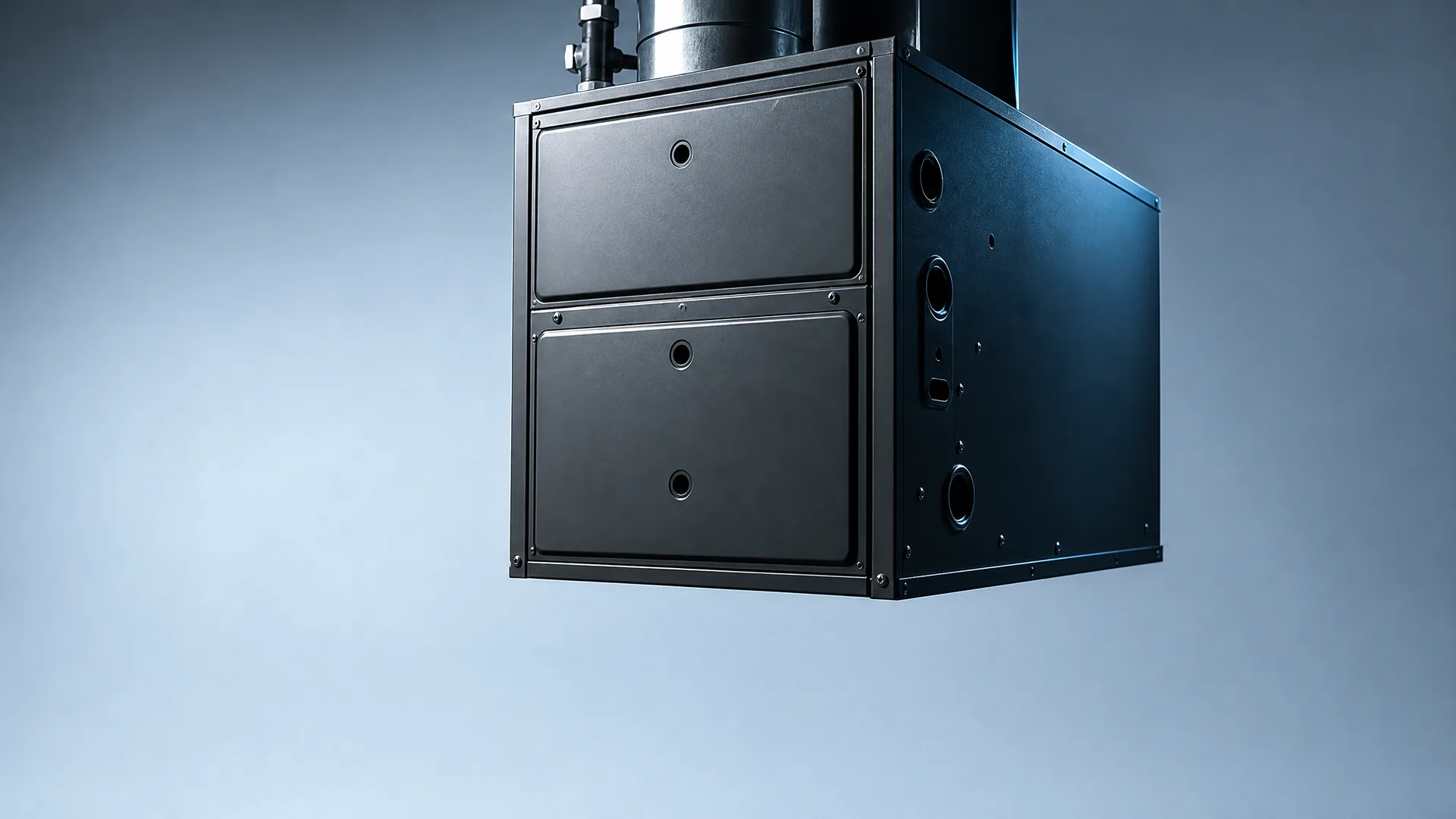
A standard furnace is the right call here
A standard furnace, sized to the house and nothing more, is the right call here. Electricity runs $41.71 per million Btu in South Carolina homes, and that number doesn't push anyone toward a bigger unit or a higher efficiency tier than the house needs. Sizing comes from the house itself, the square footage, the insulation, the duct layout, not from a reason to go bigger. A contractor sizing this right will ask about the house before quoting a unit.
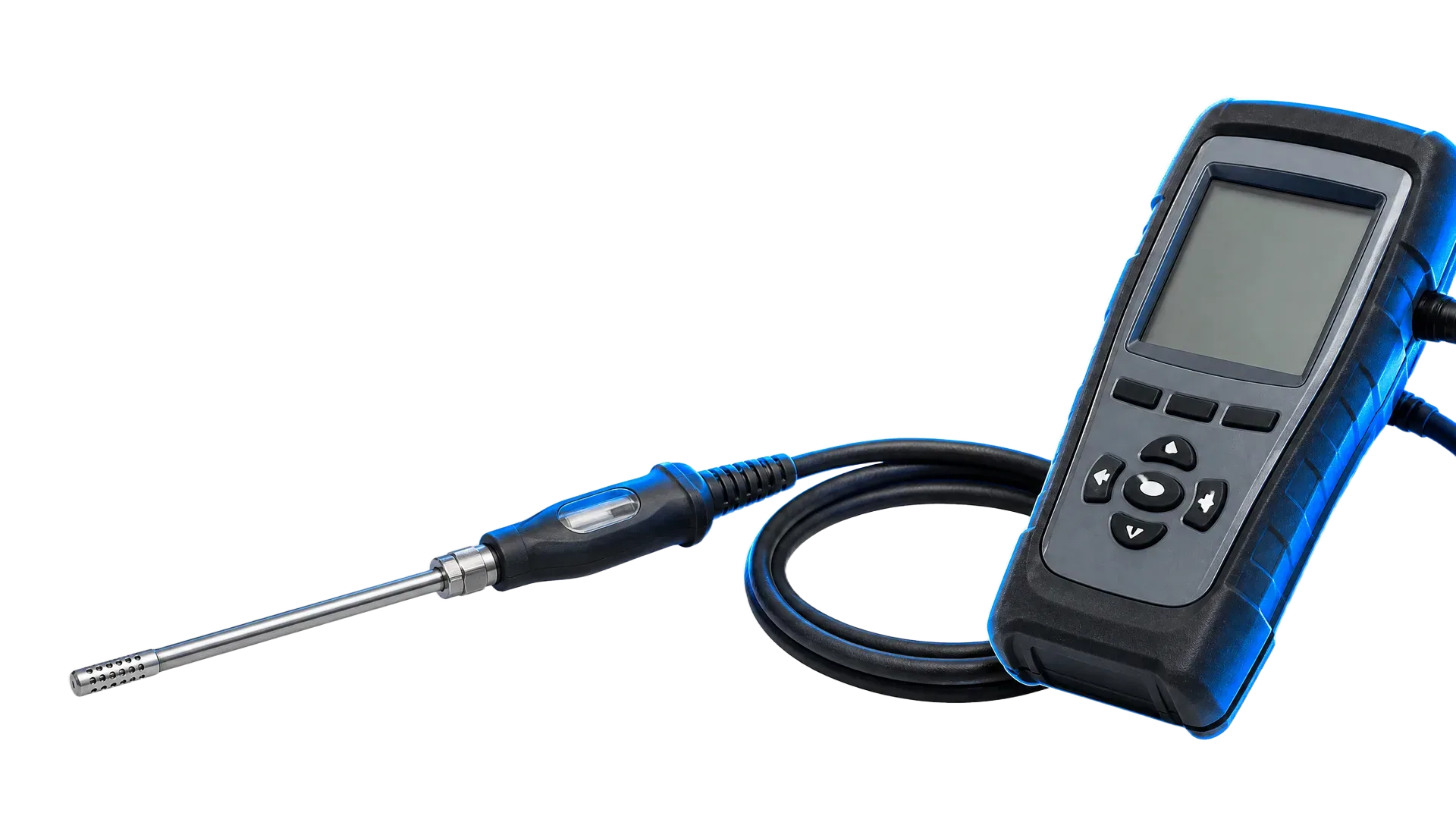
What the rating on the label actually tells you
The number on the label, the AFUE (annual fuel utilization efficiency, the share of the fuel a furnace turns into heat) rating, tells you how much of the fuel your furnace burns actually turns into heat in the house, versus how much goes out the flue. A furnace with a higher rating wastes less gas doing the same job. That's the whole idea behind it, nothing more. It doesn't tell you how big a furnace you need or how fast your house heats up. A higher rating also doesn't mean fewer repairs down the road. It's a separate question from sizing, and a contractor worth hiring treats it as one. The right rating for your house depends on how long you plan to stay in it and what the fuel costs where you live, not on buying the highest number available.

Electricity heats 70.8% of homes in South Carolina, more than any other fuel. Utility gas comes in well behind at 23.6%, and bottled or LP gas and fuel oil together heat less than 5% of homes. If your current furnace runs on electricity, you're in the largest group in the state, and replacing it with another electric furnace is the straightforward path.
An electric furnace doesn't need a gas line or a flue, so there's no venting to run or disconnect the way there is with a gas unit. That's one less system for a contractor to deal with on install day. If your home runs on gas or propane instead, that's still a normal setup here, just a smaller share of homes than electric.
South Carolina sees more storms and power cuts than almost any other state.
Tell us about the job
Takes about a minute. No obligation.
Fill out the form once and a licensed contractor sizes and quotes the job.