




Three white clapboard houses with wraparound porches glow with warm interior and landscape lighting beneath Spanish moss-draped oak trees at dusk.

Furnace Installation in Abbeville, SC

Tell us about the job

Takes about a minute. No obligation.

New system or replacementFurnace or heatingAbbeville County, SC
Step 1 of 2

What ZIP code is the job in?

Most houses in Abbeville County run on electric heat, 68.3% of them. Gas furnaces are the minority here, at 22.3%, with another 5.7% running on propane. If your house is one of the electric majority, a heat pump is probably what's already set up to run there, and replacing it with another heat pump keeps things simple. Wiring, breaker size, the condenser pad outside, all of it is already sized for electric heat. Switching to gas means running a gas line that may not exist, which is a bigger job than swapping out what's already there.

5 months
November through March, your furnace is on duty
35°F
the average winter night it heats against
80% AFUE
the federal minimum any new unit must meet
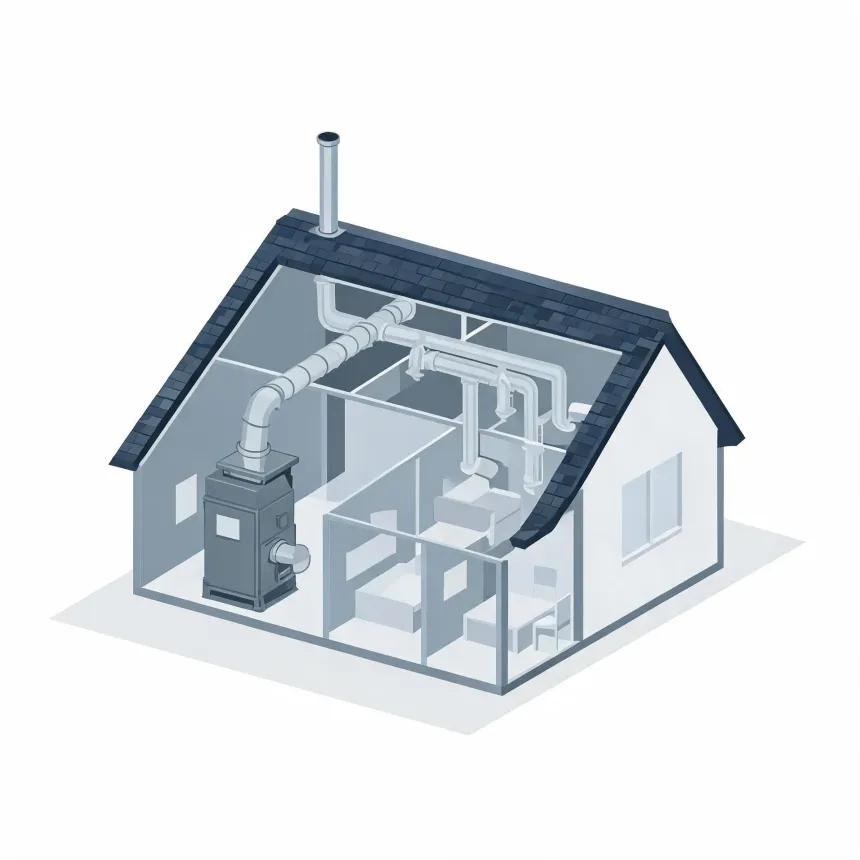
Isometric cutaway illustration of a small house showing a gray furnace unit with a flue pipe through the roof and branching ductwork running to rooms with simple furniture.
Your furnace works hardest from November through March.

NOAA nClimDiv, 1991–2020 normals

Furnaces in Abbeville County only have to work five months a year, November through March.

A furnace that sits idle most of the year doesn't need the highest efficiency rating to be worth installing.

A standard furnace is sized for nights like these

Climate zone 3A
Heat runs November through March
Winter nights average 35°F

Sizing a furnace for a house here does not take much guesswork. Half the homes in the county were built in 1980 or earlier, half in 1980 or later, and a contractor sizes off the house in front of them either way, with a load calculation that looks at square footage, windows, and insulation rather than the year on the deed. Mobile homes are a bigger share of the housing stock here than in most places, close to a quarter of all homes, and that does call for a furnace built and rated for manufactured housing rather than a standard model. Outside of that one distinction, nothing about Abbeville asks for oversizing or a higher-tier unit. A correctly sized, mid-efficiency furnace will heat a house here through the winter without strain.

Get it done before November

Heat goes on in November and runs through March. Replace the furnace in October and it happens on your schedule, with time to get it right, instead of a cold morning forcing the decision.

Find a contractor
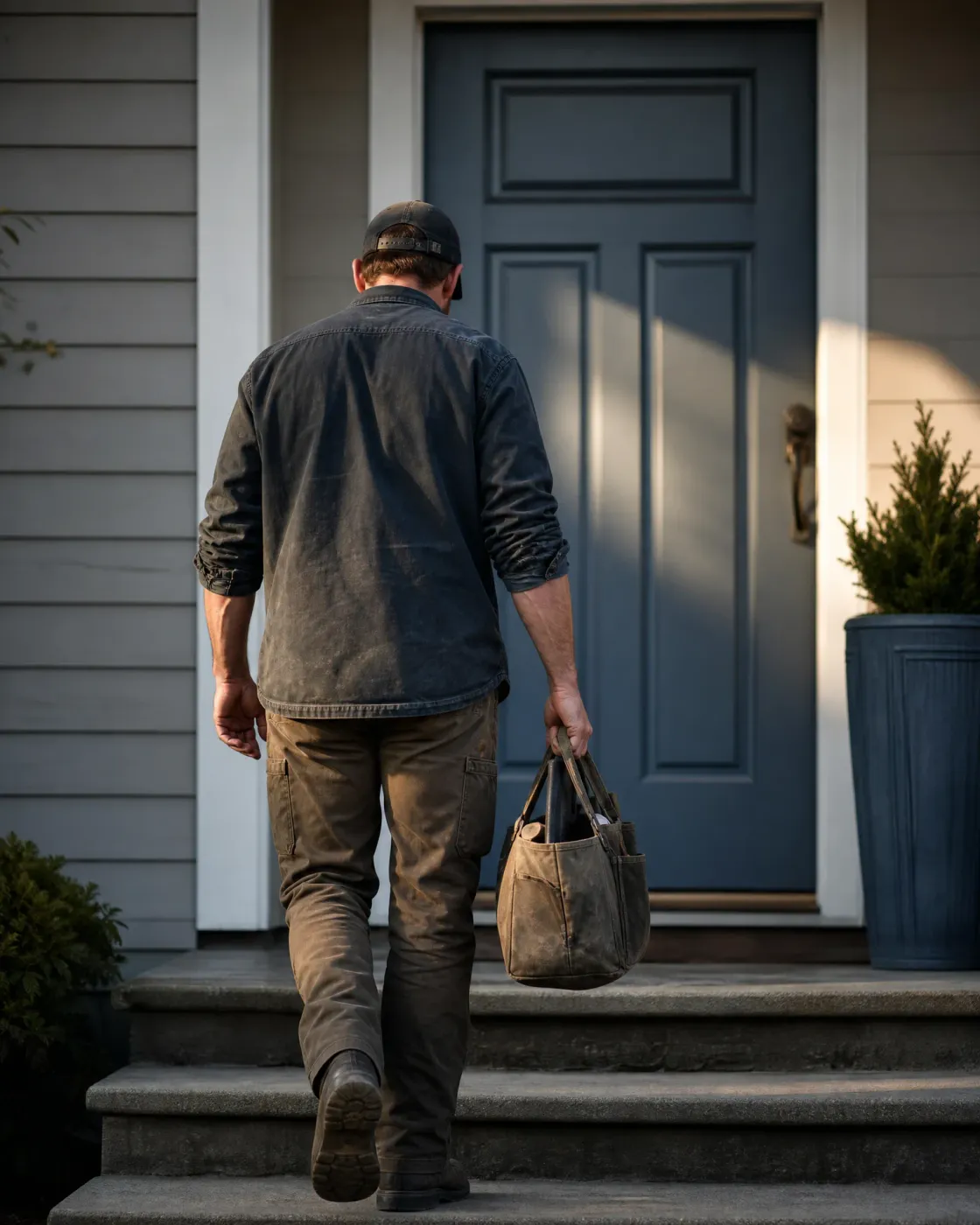
A man in a cap, dark work shirt and brown cargo pants walks up concrete steps toward a blue-gray front door, carrying a worn canvas tool bag in his right hand, with a potted shrub beside the entry.
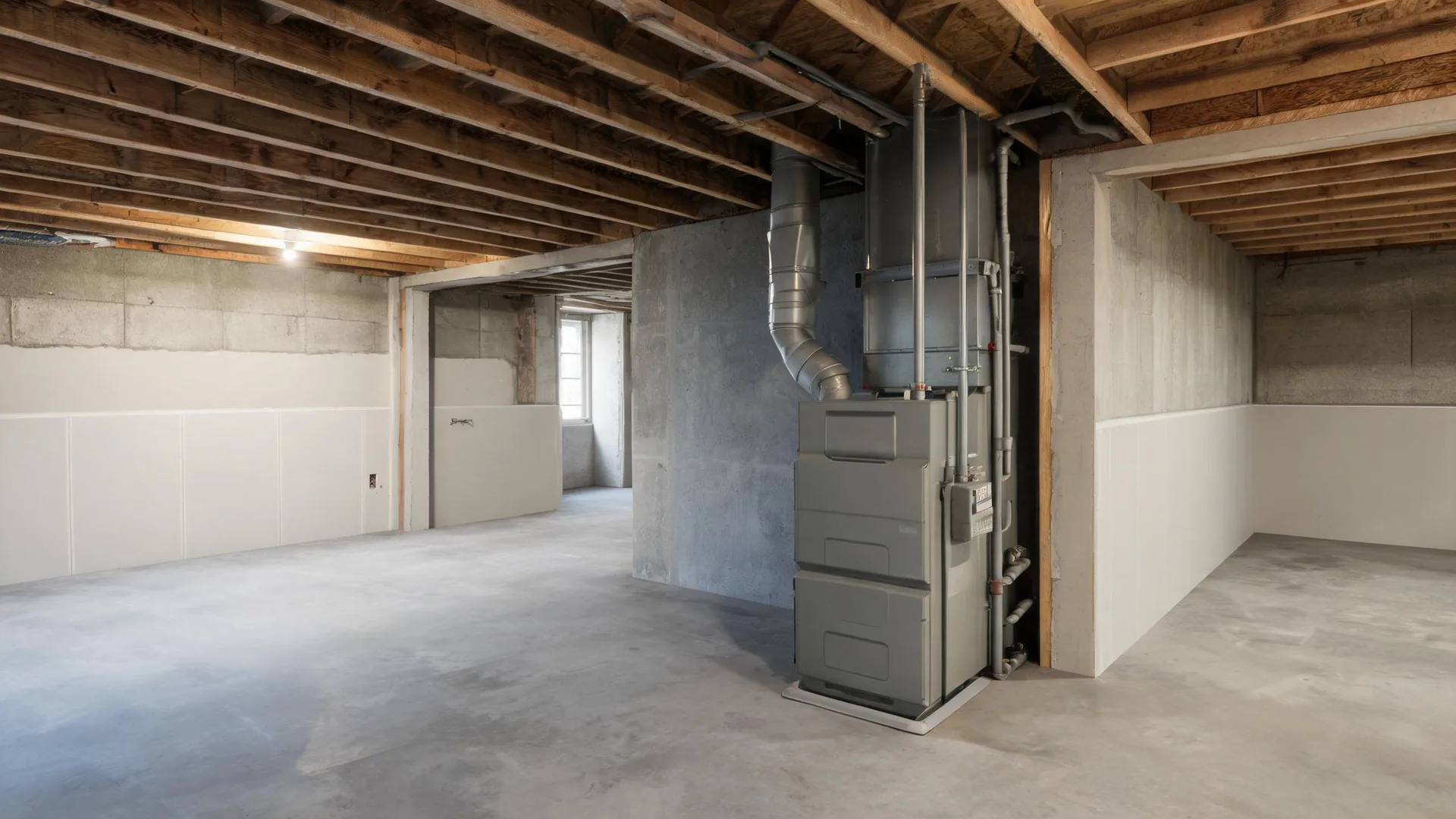
A gray gas furnace with attached ductwork and piping installed in an unfinished concrete basement.

A short shift, year after year

Five months of work a year is a short shift for a furnace. Picking the right system matters more than chasing the efficiency tier. A mid-range unit, sized right for the house, will hold up through those five months for years without strain. Put the money you'd spend stepping up a tier toward the install itself, or toward a manufactured housing furnace if that's what the place needs.

The AFUE number is a ratio, not a grade

The percentage on a furnace label is how much of the fuel burned turns into heat in the house, against how much goes out the flue. A furnace rated higher wastes less gas doing the same job. The rating says nothing about how big a house the furnace can heat or how long it will last, only how much fuel it takes to do the work.
Paying for a jump you barely use

The gap between a mid-efficiency furnace and a high-efficiency one shows up in the gas bill, and only on the days the furnace is running. A furnace that fires up for a short stretch of the year has fewer hours to earn that difference back. The money saved by skipping the higher tier does more good going toward the install itself.

The equipment itself is only part of the bill. A big share goes into the work around it. Sizing the ductwork correctly, setting the vent pipe so it clears a window or a wall by the right distance, running the gas line, wiring the thermostat and control board. A furnace that bolts into a space already built for one costs less to install than one that needs new ductwork or a new vent run cut through the house. Permits and inspection add to the job too. That work confirms the furnace is vented safely and won't backdraft exhaust into the house. The brand on the furnace matters less to the final price than how much has to change around it to get that furnace running.

The old furnace comes out first. Ductwork, gas line, and vent pipe all get disconnected before it can be pulled from the space. The new unit goes in and gets leveled, because a furnace sitting crooked won't drain condensate right if it's a condensing model. Ductwork gets sealed back to the plenum, the gas line gets run and pressure tested for leaks, and the vent pipe gets pitched so exhaust clears the house instead of pooling in it. Wiring runs to the thermostat and control board last. Once it's all connected, the contractor fires it up and checks the flame, the airflow at the vents, and the gas pressure against what the manufacturer calls for. The house goes without heat for most of that stretch, so it helps to pick a day when that won't be a problem.