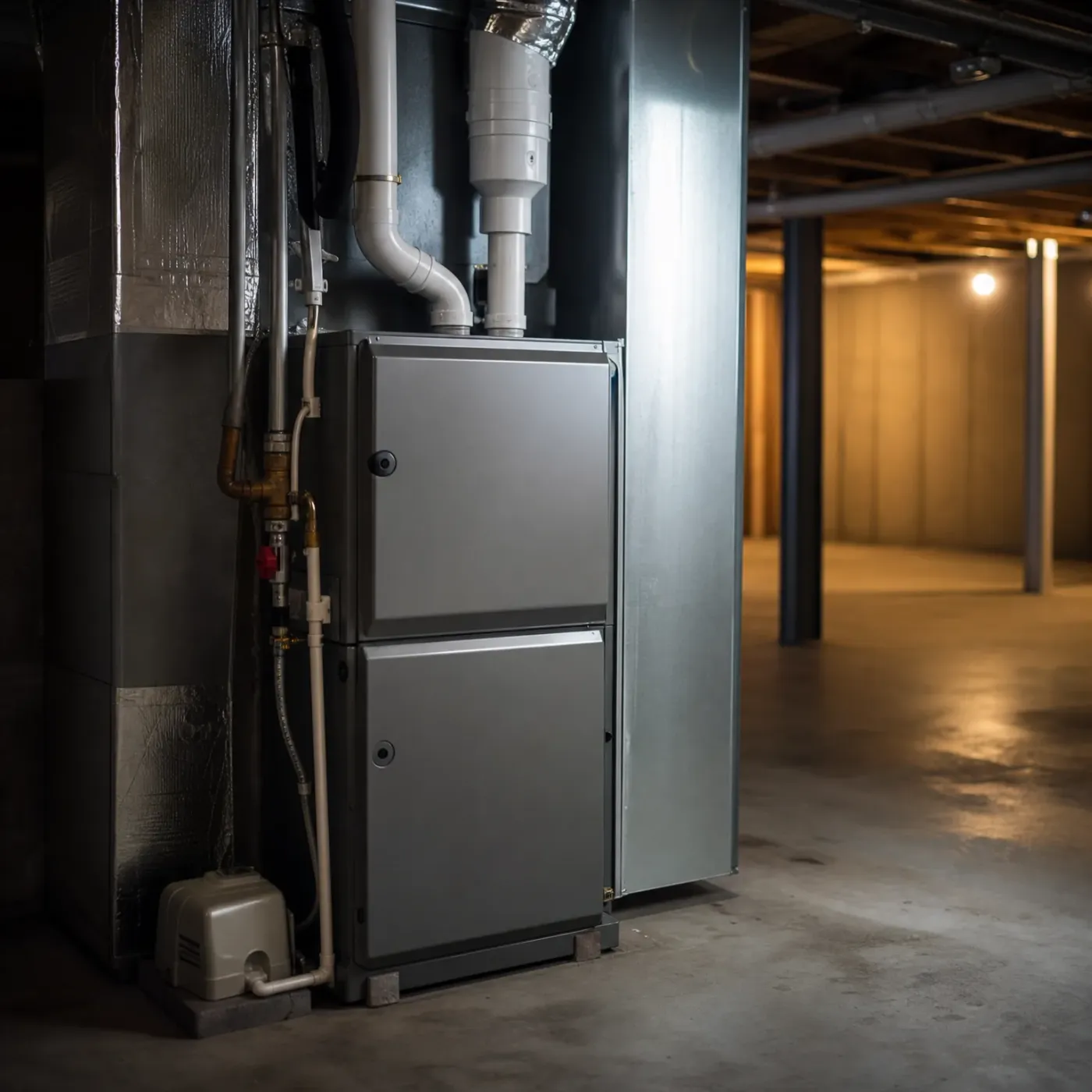

A gray high-efficiency furnace with PVC venting, copper and plastic piping, and a condensate pump sits beside sheet-metal ductwork in a concrete-floored basement.

Done looking for a furnace pro

How long a furnace lasts in South Carolina

Most houses in South Carolina heat with electricity, so the question is really how long that furnace keeps working before parts start failing on you, and what pushes it toward replacement sooner. The page below gets into both. Once you send the form, finding someone qualified to look at it is off your plate.

Hand off my installation

A furnace in South Carolina typically lasts 15 to 20 years. Since most homes here heat with electricity, that usually means an electric furnace paired with the air conditioner, and the parts that wear out first are the heating elements and the blower motor, since that same blower runs most of the year moving cooled air too. Mild winters mean the furnace itself isn't working hard many months out of the year, which helps it reach the far end of that range. What cuts it short is usually the blower motor's hours, not the cold, since it's doing double duty across summer and winter. If yours is nearing 15 years or you're noticing weaker heat, longer run times, or it cycling on and off more than it used to, that's the point to start asking whether a repair makes sense or whether it's time to plan for a new one.

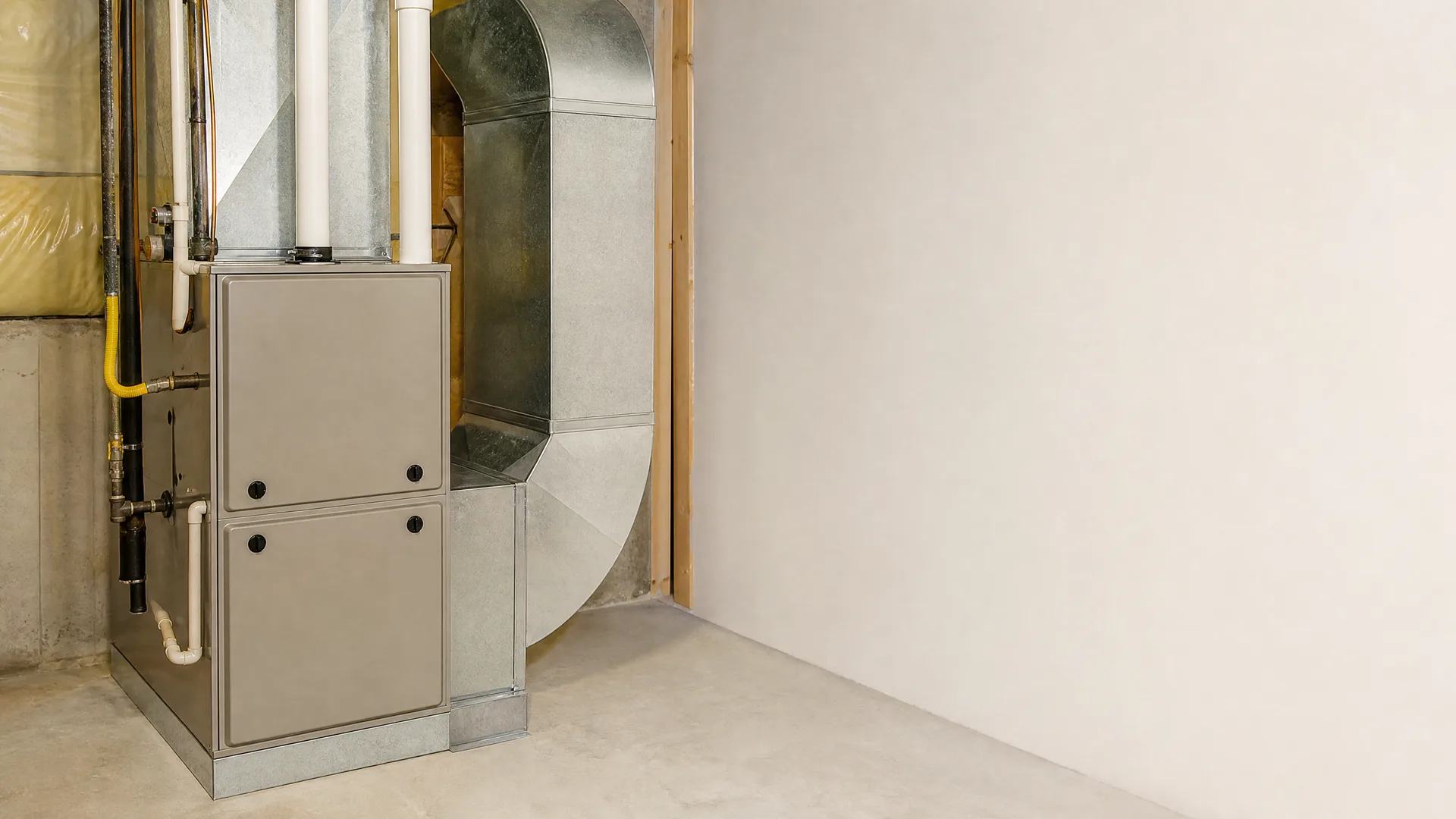
A gas furnace with sheet-metal ductwork, PVC vent pipes and copper and black piping stands against a wall in a basement with a bare light-colored wall and concrete floor.

What shortens an electric furnace's life

An electric furnace runs its blower motor hard, and that motor is the part most likely to wear out before the rest of the unit does. Every time the system cycles on, the heating elements take a jolt of current, and that wear adds up over years of winters. Homes that run the blower constantly, not just when the thermostat calls for heat, put more hours on that motor each year and tend to see it fail sooner than 15 years.

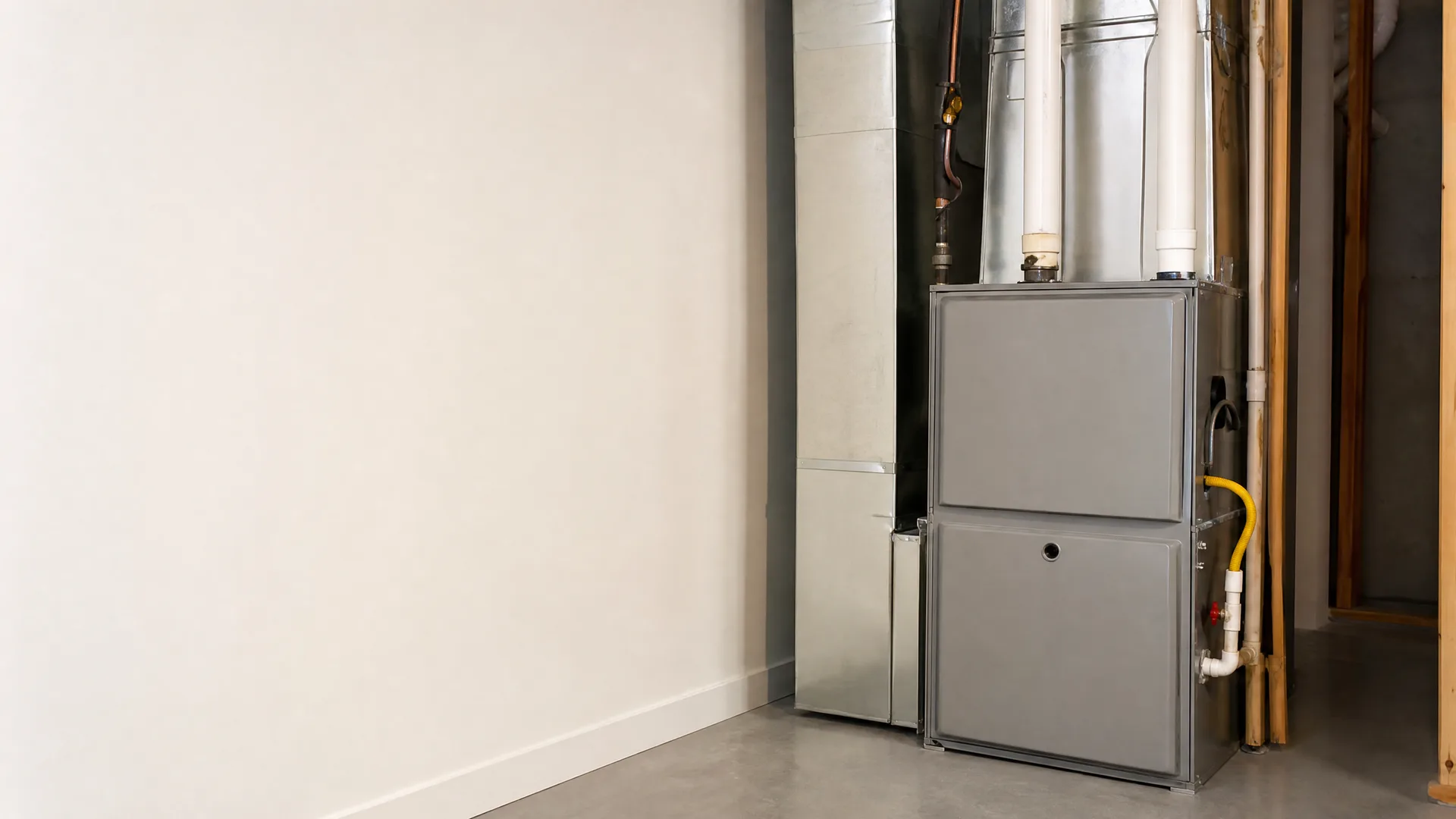
A gray furnace with attached sheet-metal ductwork, white PVC vent pipes, copper and yellow gas lines stands against a wall in a room with a plain white wall and concrete floor.

Why summers factor into furnace life

The blower that moves heat in January is the same one moving cooled air every muggy month from spring through fall, since the electric furnace and the air conditioner share that blower cabinet. That means the motor logs hours nearly year-round here, not just during the months you run heat. A furnace in a house that leans hard on air conditioning for cooling often shows blower wear before the heating elements themselves give out.

Is your furnace telling you something right now

If the blower runs but the air coming out feels weak or barely warm, that's usually the motor losing strength or an element that's stopped heating. A burning smell the first few times it kicks on each fall is normal dust burning off, but a burning smell that doesn't go away is not. Listen for grinding or rattling from the blower compartment. Notice if some rooms heat fine while others stay cold, or if the unit is cycling on and off more than it used to. Left alone, a struggling blower motor can run hotter than it should, and a system that can't push enough warm air leaves you paying for heat you're not getting.

A gray furnace with sheet-metal ductwork, PVC vent pipes and a yellow gas line stands on a concrete basement floor beside wooden stair framing.

Running the way it should

This is a furnace holding up on schedule, still inside its 15 to 20 years. The blower pushes air through the ducts without strain, the elements heat on command, and the system cycles the way it's supposed to. Nothing here needs more than the filter changes and checkups it's already getting.


An older gas furnace with a louvered front panel stands on a concrete basement floor beside galvanized sheet-metal ductwork, a metal flue pipe, gas piping and a flexible conduit along a concrete wall.

Past its working life

This is a furnace that's run long enough for its blower motor to weaken and its elements to wear down. Heat comes out uneven or late, the motor strains to keep up, and repairs start costing more than they're worth. At this point replacing it is the honest call, not patching it again.

A gray-haired man in a blue quarter-zip sweater sits in an armchair with his eyes closed, beside a large window with bare trees outside and a potted plant and lamp nearby.
A woman in a cream knit sweater sits in an armchair with her eyes closed and head tilted back, beside a window showing orange autumn foliage and a wooden side table with a mug.

It's off your list after this

By 15 to 20 years, an electric furnace in South Carolina has usually lost a step somewhere, a blower motor straining or elements that take longer to heat, and most homeowners notice it on the first cold morning when the system runs longer than it used to. Deciding whether to repair it one more time or replace it is easier with someone who sees this equipment all winter and knows which failures tend to repeat within a year. Send the request and it goes to one licensed contractor working in your area, not a handful competing for the job, so you are not fielding five calls to sort out. From there it is off your plate. You stop watching the thermostat and wondering if tonight is the night it quits, and that is the part worth handing off now rather than waiting for the furnace to decide for you.

Fixing it one more time

An electric furnace that's a few years past its prime can often take another repair. A blower motor replacement or a new heating element gets you through another winter if the rest of the unit is sound. This makes sense when the furnace has been reliable and the repair is a single part, not a string of them. It costs less upfront, and you keep a system you already know. The tradeoff is that an old unit tends to need the next part soon after, and electric heat from a weak system runs longer to do the same job, so the power bill creeps up even if the repair holds.

Replacing it now

Putting in a new furnace makes more sense once repairs start stacking up or the unit is deep into its 15 to 20 years. A new system heats evenly from the first cold morning in October without the blower straining to keep up, and you're not guessing which part fails next. It costs more at once than a repair does. What you get back is a furnace sized right for your house and years before anything needs attention again. For a home heating on electricity, that steadier run matters more over a winter than it would with gas, since every extra minute the blower runs shows up on the bill.

A beige furnace with a louvered front panel and metal ductwork stands on a concrete basement floor beside pipes and a white cylindrical water heater.
Before you get your furnace installation
A gray high-efficiency furnace in a basement with PVC venting pipes, a yellow gas line, metal ductwork, concrete walls and floor, and a wood-framed stairway at left.
After you get your furnace installation

Winter nights average 36°F statewide

Nights here average 36°F in the dead of winter, not far below room temperature. Your furnace isn't fighting single-digit cold, it's making up a modest gap, which is part of why electric furnaces in South Carolina stretch toward 20 years instead of wearing out early.

NOAA nClimDiv 1991-2020 county normals weighted by homes

What South Carolina Furnaces Tell You

  • A furnace in South Carolina typically runs 15 to 20 years before it needs replacing.
  • The blower motor and heating elements are the parts most likely to fail first.
  • Weak airflow, longer run times, and a burning smell are signs the unit is past its best years.
  • A furnace a few years past its prime can often take one more repair before replacement makes more sense.
  • Mild winters with nights averaging 36°F mean the furnace works less hard than it would further north.
  • A local contractor who services this equipment every season can tell you whether yours still has years left or needs replacing now.

Fifteen to twenty years is the span most electric furnaces here see before replacement makes more sense than another repair. That number holds because the furnace isn't working against hard winters. Nights averaging 36°F mean the blower and elements aren't straining the way they would further north, so the wear shows up slowly, in the blower motor losing strength or elements that take longer to heat rather than a sudden breakdown. The signs show up in ordinary ways. Air that feels weak coming out of the vents, a system that runs longer than it used to on a cold morning, a burning smell the first few times it kicks on each fall. None of that means the furnace is done. A unit a few years past its prime can often take one more repair, a new blower motor or a replaced element, and get through another winter fine if the rest of the system is sound. Where the furnace actually stands on that 15 to 20 year span, and whether a repair still makes sense or the unit's past the point of it, is something a local contractor can tell you by looking at it. Someone who services this equipment every season knows what tends to fail first in a furnace your age and what that failure usually means for the rest of the unit.

A man in a navy sweater reclines with closed eyes in a beige armchair in a living room, with a lamp, wooden cabinet, bookshelf, potted plant, and a side table holding a newspaper and mug nearby.
A man in a blue henley shirt reclines on a leather chair with his eyes closed, beside a window, a houseplant, a side table with a newspaper and a dark mug.
A man in a gray sweatshirt reclines with his eyes closed in a dark leather chair, with a bookshelf behind him and a side table holding folded newspapers, a mug, and a potted plant by a window.
A man in a blue sweater leans back on a brown leather chair with his eyes closed and a slight smile, in a room with bookshelves, framed pictures, a potted plant by a window, a folded newspaper and a dark mug on a table.

Furnace Installation

Stop chasing a furnace pro

Your request stays with one local pro.

A black smartphone standing upright against a plain light gray background, its screen filled with solid green.
New system or replacementFurnace or heatingSouth Carolina
Step 1 of 2

What ZIP code is the job in?







