Two illuminated white colonial-style houses with wrap-around porches, flanked by oak trees draped in Spanish moss, photographed at night.

Furnace Installation in Columbia, SC

Tell us about the job

Takes about a minute. No obligation.

New system or replacementFurnace or heatingRichland County, SC
Step 1 of 2

What ZIP code is the job in?

Bigger isn't better

A furnace that's too big for the house heats the air fast, shuts off, and starts again a few minutes later. That short cycling wears out the igniter and the blower motor sooner. It also leaves the house with warm spots and cold spots because the air never runs long enough to even out.


The size comes from a load calculation

A contractor works out furnace size from the house itself. Square footage, window area, insulation, ceiling height, how the rooms are laid out all go into it. That calculation points to a specific output, and the installed furnace should match it rather than just match the one being replaced.

5 months
November through March, your furnace is on duty
36°F
the average winter night it heats against
80% AFUE
the federal minimum any new unit must meet
Isometric cutaway illustration of a small house showing a furnace unit connected to ductwork and a vertical flue pipe extending through the dark shingled roof, with sparse furniture in the rooms.
Your furnace works hardest from November through March.

NOAA nClimDiv, 1991–2020 normals

Columbia winters don't push a furnace hard.

A standard size and efficiency rating is enough to heat this house.

Most Columbia homes heat with electric furnaces, and a replacement usually stays electric

73.4% of homes heat with electricity
Heat runs November through March
Winter nights average 36°F

Heat goes on in November here and runs through March. October is the month to get a furnace installed, before the first cold night sends everyone else calling at once. A contractor working without that rush has time to size the unit right and check the work before it matters. Power cuts hit this area more than most, so a furnace installed calmly in October is one more thing that's ready when the weather turns hard.

Five months of mild winter means you don't need to overbuy

Heat runs November through March here, and overnight lows average 36°F even at the coldest point of the year. That's not a hard load. A mid-range furnace sized correctly for the house will keep up without strain. Put the money into getting the size and installation right instead of chasing the highest efficiency rating on the shelf.

Find a contractor
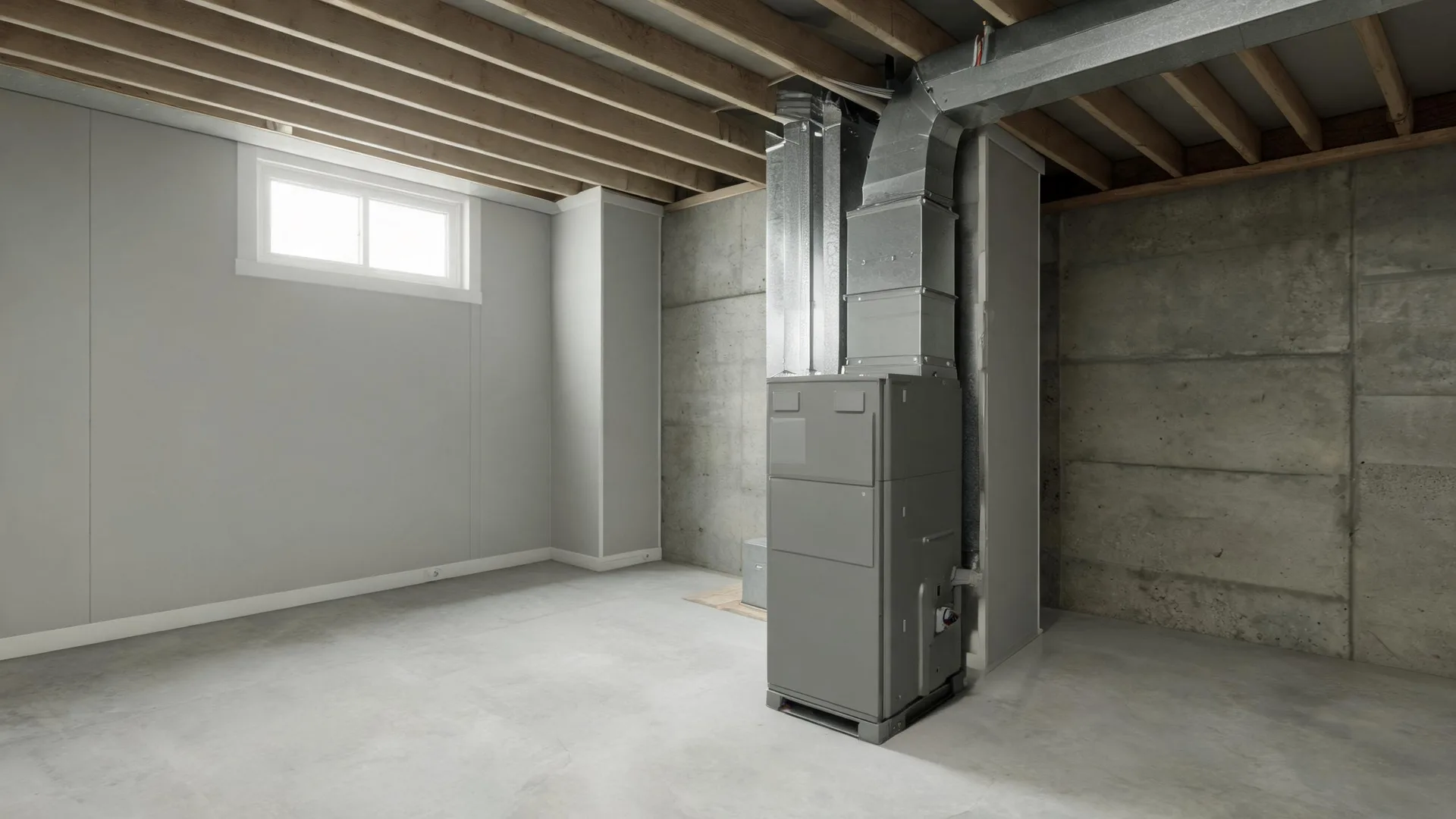
A gray high-efficiency gas furnace installed in an unfinished basement, surrounded by gas lines, a condensate drain, and sheet-metal ductwork.

Five months a year, correctly sized, is what this furnace needs to be

Five months of work a year is a light schedule for a furnace. Ask for a mid-range unit, sized to the house, rather than paying more for the highest efficiency rating on the shelf. The money is better spent on getting the size and the installation right.

Ask what the warranty actually covers

A parts warranty from the manufacturer doesn't cover labor, and most contractors sell a separate labor warranty on top of it. Ask how many years on each, and ask what voids them. Skipping the yearly check or letting someone other than a licensed contractor touch the unit can void a warranty even while it's still active on paper.

Ask what happens to the old wiring and ductwork

An electric furnace draws a lot of current, and the breaker and wiring sized for the old unit may not be rated for the new one. The ducts matter too. A furnace sized right for the house still needs ductwork that can move that much air, and undersized or leaky ducts will show up as rooms that never quite heat. Ask whether the quote includes checking both, not just swapping the furnace itself.

The furnace itself is only part of the bill. What's connected to it matters as much. If the ductwork is undersized or leaky, a contractor may need to modify or seal it before the new furnace can heat the house evenly, and that work isn't optional even though it isn't the furnace. The electrical hookup has to match what the new unit draws, and the breaker may need to change along with it. A straightforward swap, same size, same location, same ductwork, is the cheapest kind of install there is. Anything that changes where the furnace sits or how the air reaches it adds labor before the unit ever turns on.

The efficiency rating on the label tells you how much of the fuel it burns turns into heat in the house, and how much goes out the vent pipe unused. A higher number means less waste, but it doesn't mean more heat or a warmer house. Furnaces rated for the same output heat the same house the same amount, one just burns less fuel getting there. The rating doesn't tell you anything about sizing either. A high-efficiency furnace that's the wrong size for the house still short cycles and still leaves rooms uneven. Where the rating earns its keep is in what it costs to run the furnace over the years you own it, not in how it performs on any single cold night.