
Heat pump vs furnace in Richland County, South Carolina

Get Matched With a Pro

See real numbers before you choose

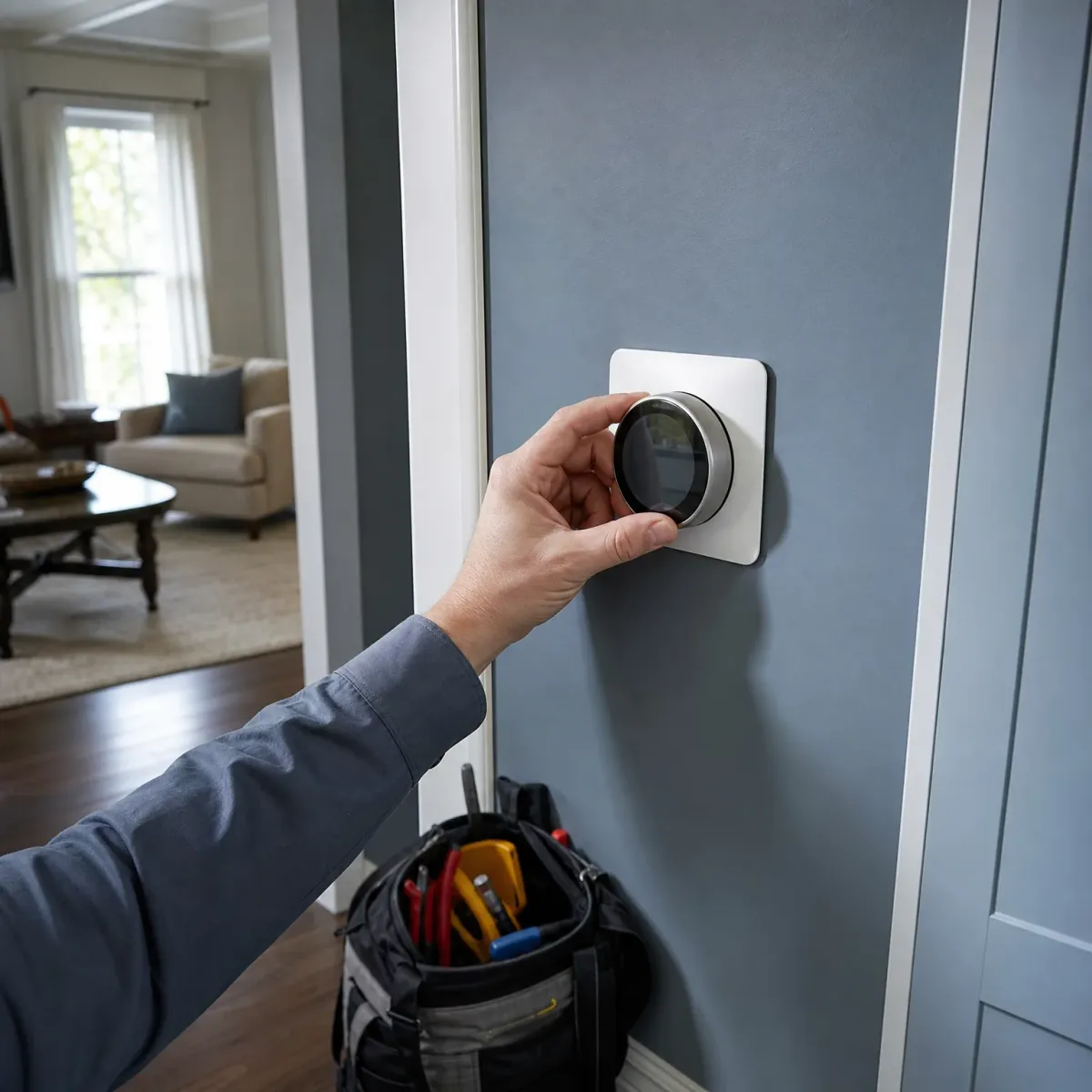
A person's hand adjusts a round thermostat on a blue-gray interior wall, with a tool bag on the floor below and a living room visible through a doorway.

Tell us about the job

Takes about a minute. No obligation.

New system or replacementRichland County, SC
Step 1 of 3

What kind of equipment?

Which costs less to run in Richland County?

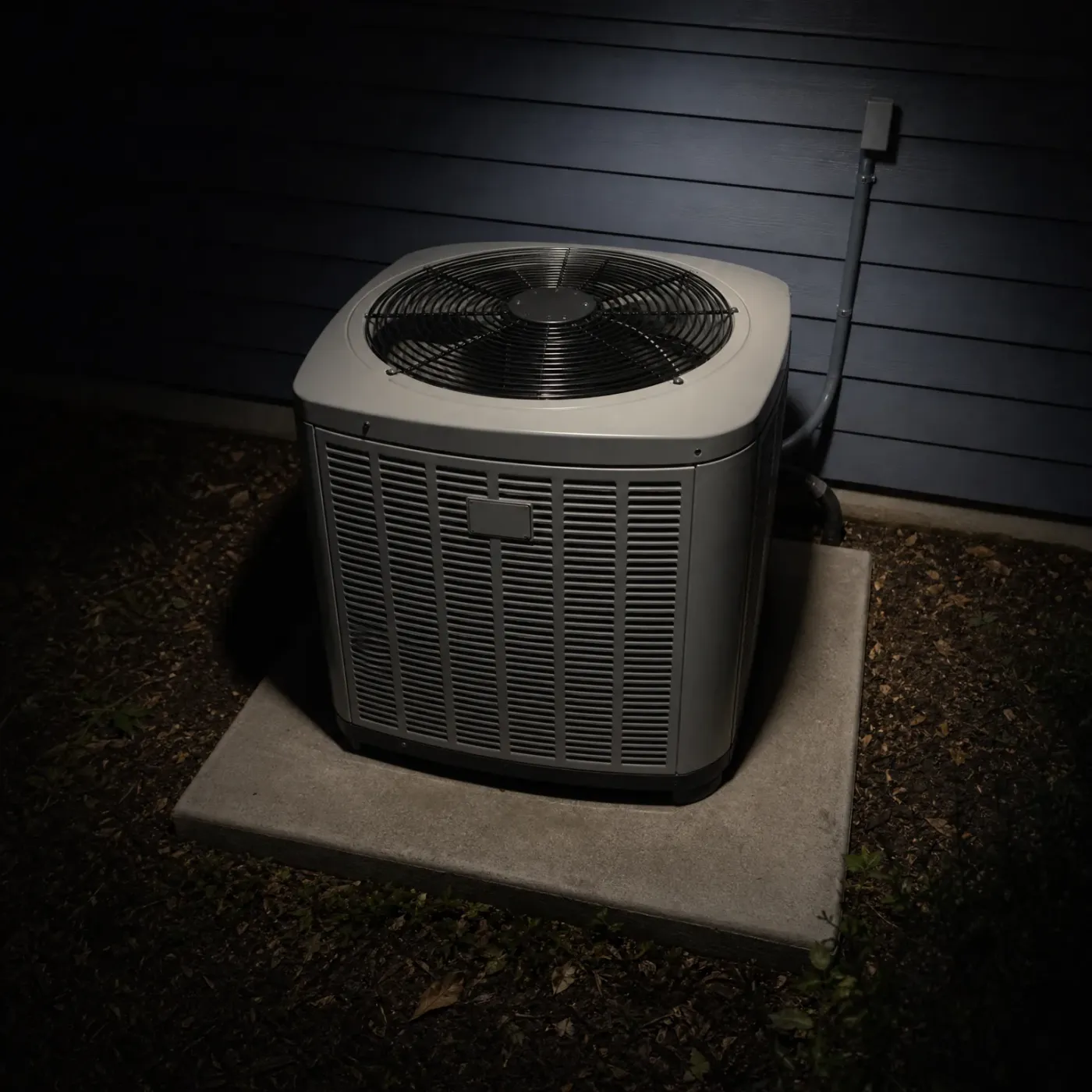
An outdoor air conditioning condenser unit on a concrete pad beside a dark horizontal-sided wall at night, with conduit and a disconnect box on the wall behind it.

Heat pump

To heat your home here$1.90per 100,000 Btu

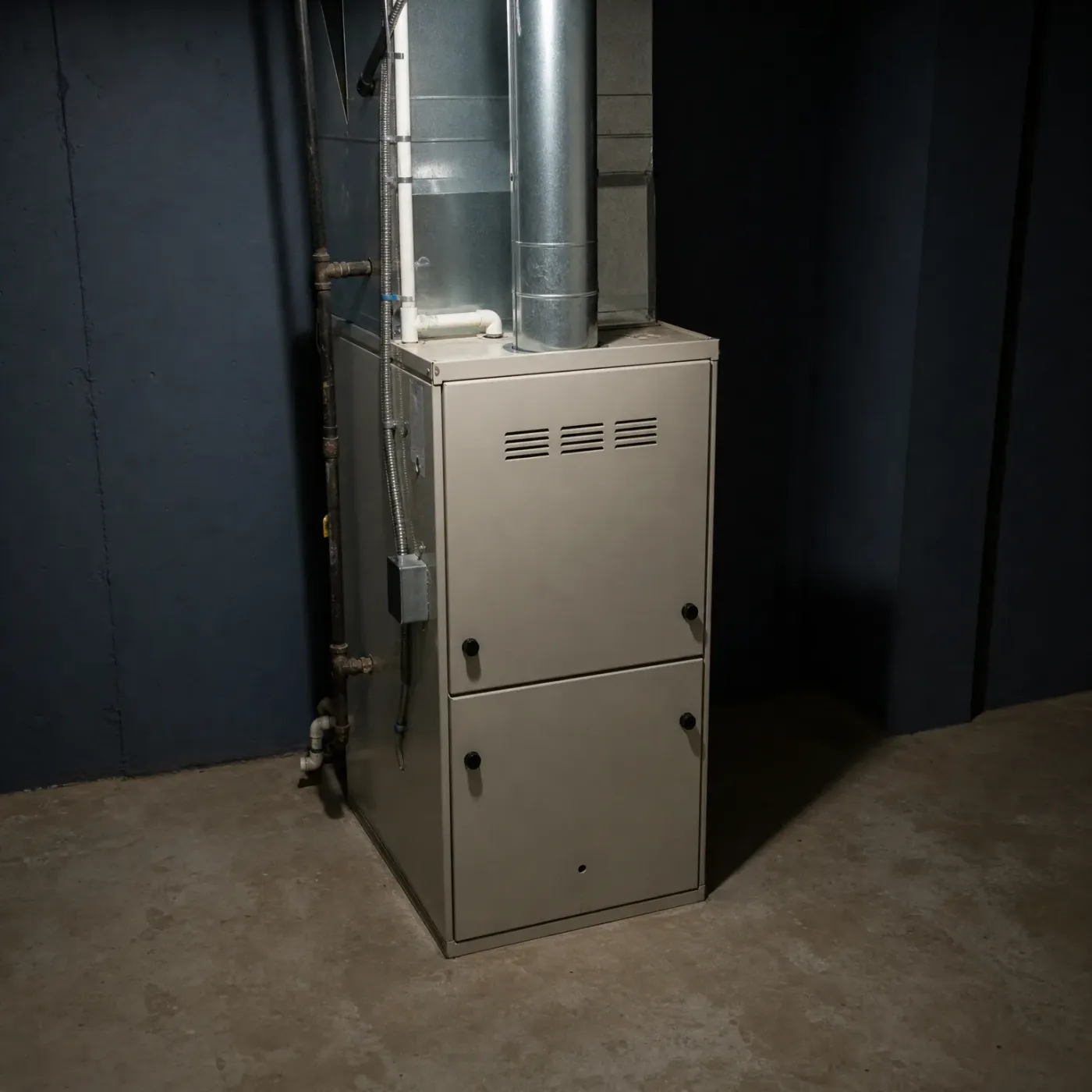
A beige residential furnace stands in a basement corner against dark painted walls, with a metal flue pipe, rectangular ductwork, PVC piping and copper pipes running above and beside it on a bare concrete floor.

Furnace

To heat your home here$2.05per 100,000 Btu

At South Carolina's gas and electricity prices, a heat pump makes the same heat as a gas furnace for about 7% less.

Btu stands for British thermal unit, the standard measure of heat energy.

Where does a heat pump shine?

  • Made for mild winters

    Nights in Richland County average 36°F through December, January and February. A heat pump handles that range fine, pulling heat from outside air all winter without working overtime.

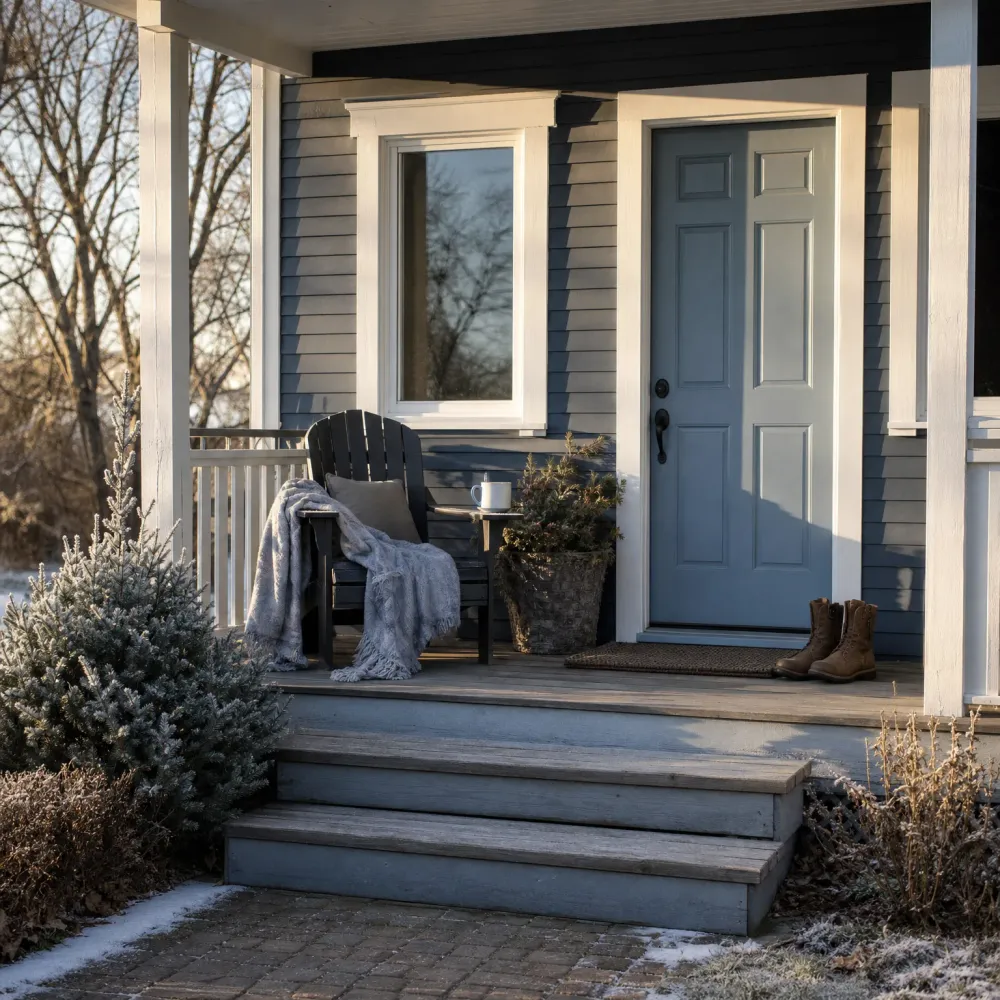
    Covered porch of a gray clapboard house with a blue paneled front door, a dark Adirondack chair draped with a blanket, a potted evergreen, a pair of boots on a doormat, and weathered wooden steps beside frost-dusted shrubs.
  • Steady, even comfort

    It eases up and down with the weather. There are fewer swings between too warm and too cool.

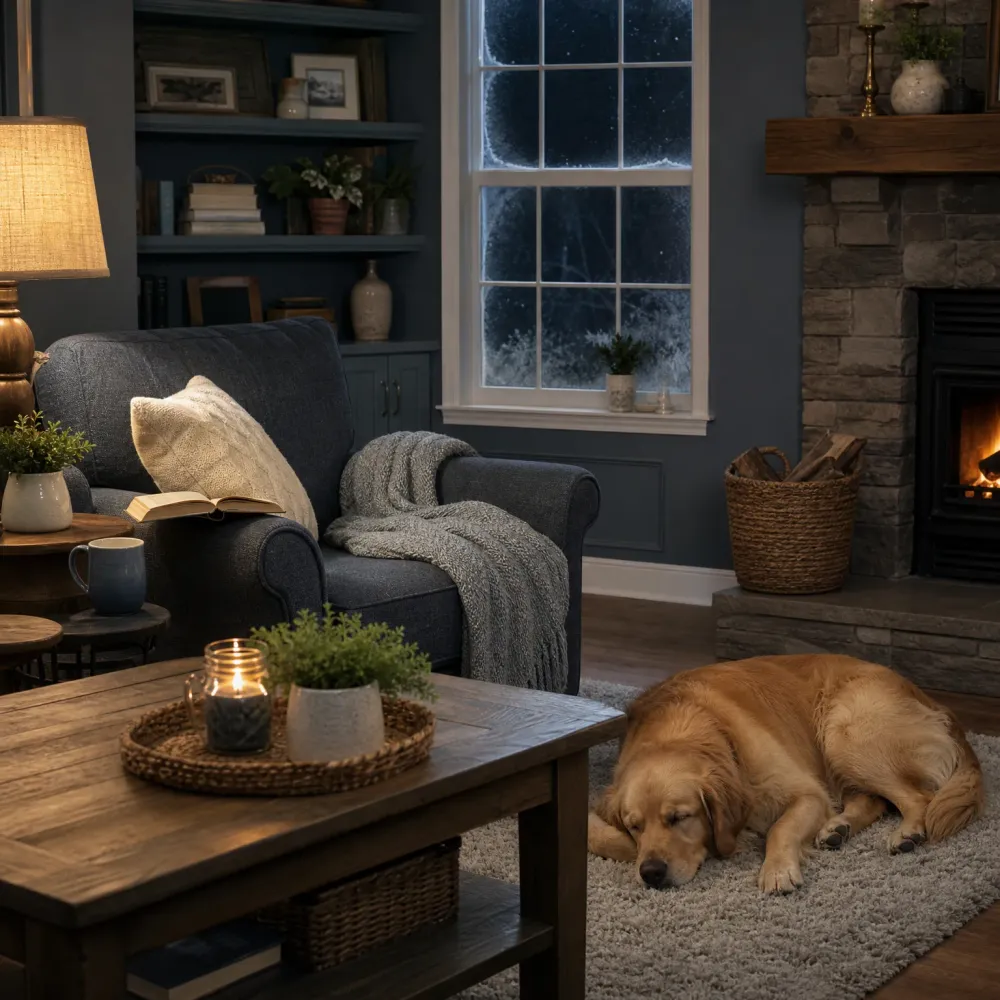
    A dimly lit living room with a dark gray armchair, knit blanket and open book, a wooden coffee table with a candle and plant, a stone fireplace with a lit fire, a frosted window, and a golden-colored dog sleeping on a light rug.
  • Heats and cools in one system

    A heat pump runs the same way all year. It pulls heat into the house in winter and pushes it out in summer.

    A cream sofa with navy and light blue cushions and a blue fringed throw sits beneath a white sash window overlooking a green garden, with a dark built-in bookshelf at left, a potted plant in a woven basket at right, and a wooden coffee table holding a vase of white flowers, books, and a mug.

Where does a furnace shine?

  • Proven, simple, easy to get serviced

    Gas furnaces have heated homes for generations. Almost every HVAC tech knows them inside and out.

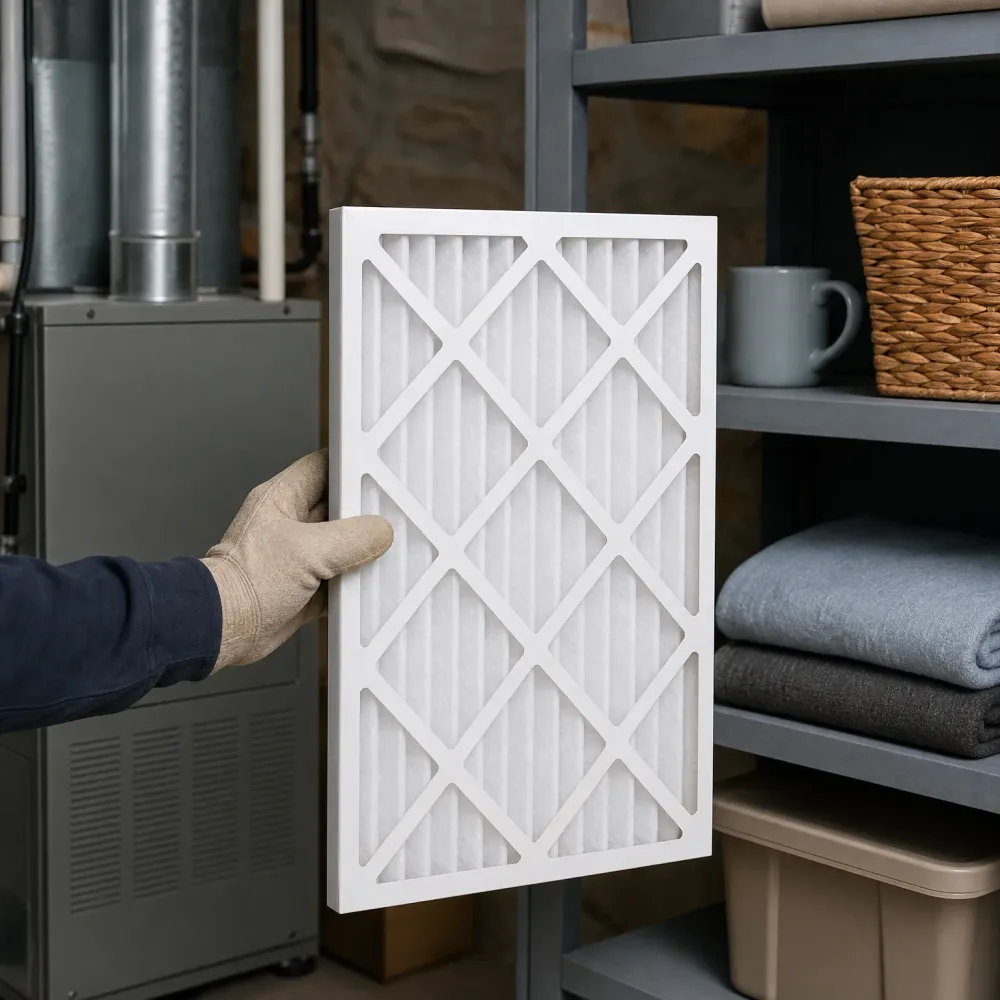
    A gloved hand holds a white pleated air filter in a basement area, with a furnace and ductwork on the left and a shelving unit holding a mug, woven basket, folded blankets, and a storage bin on the right.
  • Pairs with any central AC

    The ductwork that delivers heat in winter delivers cool air in summer once an AC coil is added.

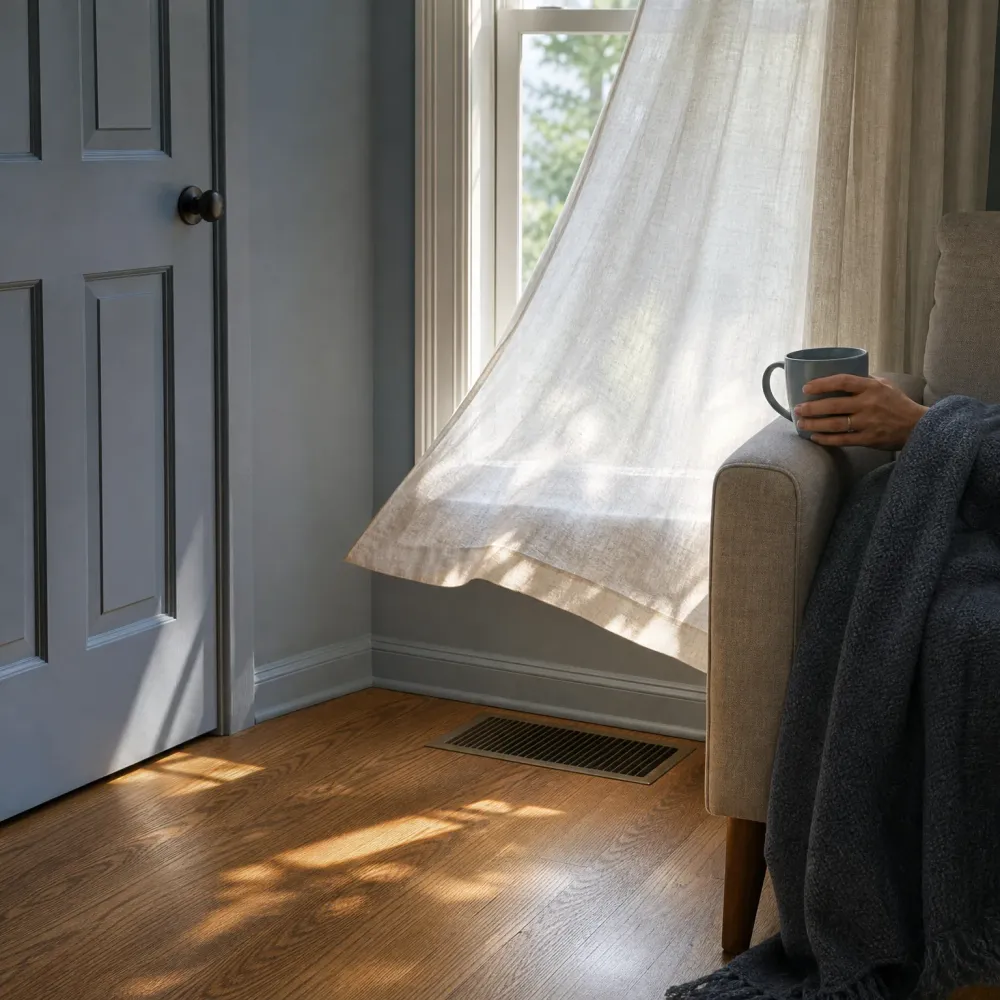
    A person's hand holding a gray mug rests on the arm of a beige sofa draped with a dark knit blanket, beside a window with a billowing sheer curtain, with a gray paneled door and sunlit wood floor at left.
  • Fast, strong heat on demand

    Turn the heat up and the furnace answers right away. There's no long wait for the house to catch up.

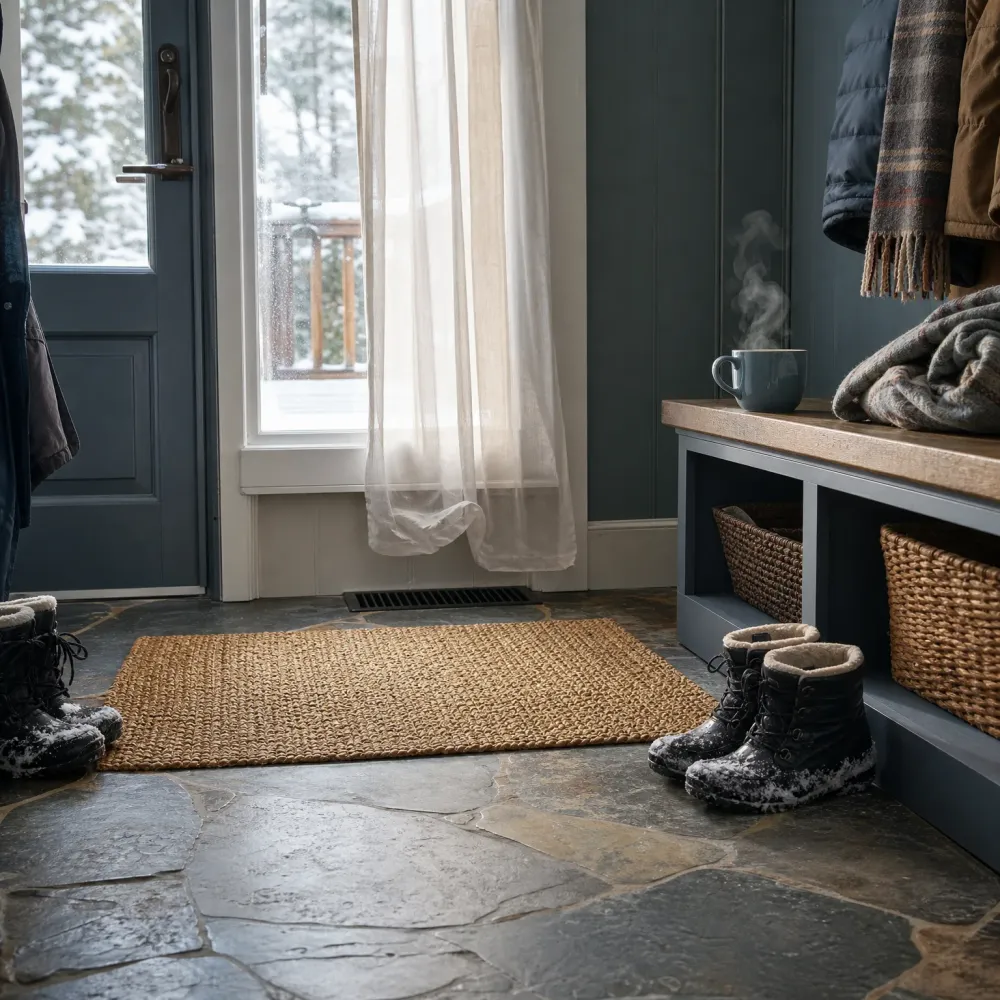
    Mudroom entry with slate floor, woven jute mat, snow-dusted boots, a bench with wicker baskets and a steaming mug, coats and a plaid scarf on hooks, and a glass door with a sheer curtain showing snow outside.

What Richland County winters actually ask of a heat pump

Heat runs about five months here, November through March, and the overnight low averages 36°F across those winter months. A heat pump built to the federal minimum does its best work in exactly that range, and here it also comes out cheaper to run, $1.90 per 100,000 Btu against $2.05 for a gas furnace.

The real question is what happens on the coldest nights, and the answer is that there aren't many of them. The temperature falls to 32°F or below about 45 nights a year, out of roughly 150 nights in the stretch when the heat runs. That's under a third. A heat pump still makes heat at 32°F. It just makes it less efficiently, which is why some homes pair one with backup heat for those nights rather than running on it alone.

A gas furnace doesn't have that problem on cold nights, because it burns gas directly and the outdoor temperature doesn't change how it works. What it does have is nothing to do the rest of the year. Heating runs five months here and cooling runs five months, the same length, and a furnace only covers one of them. The other seven months, it sits unused.
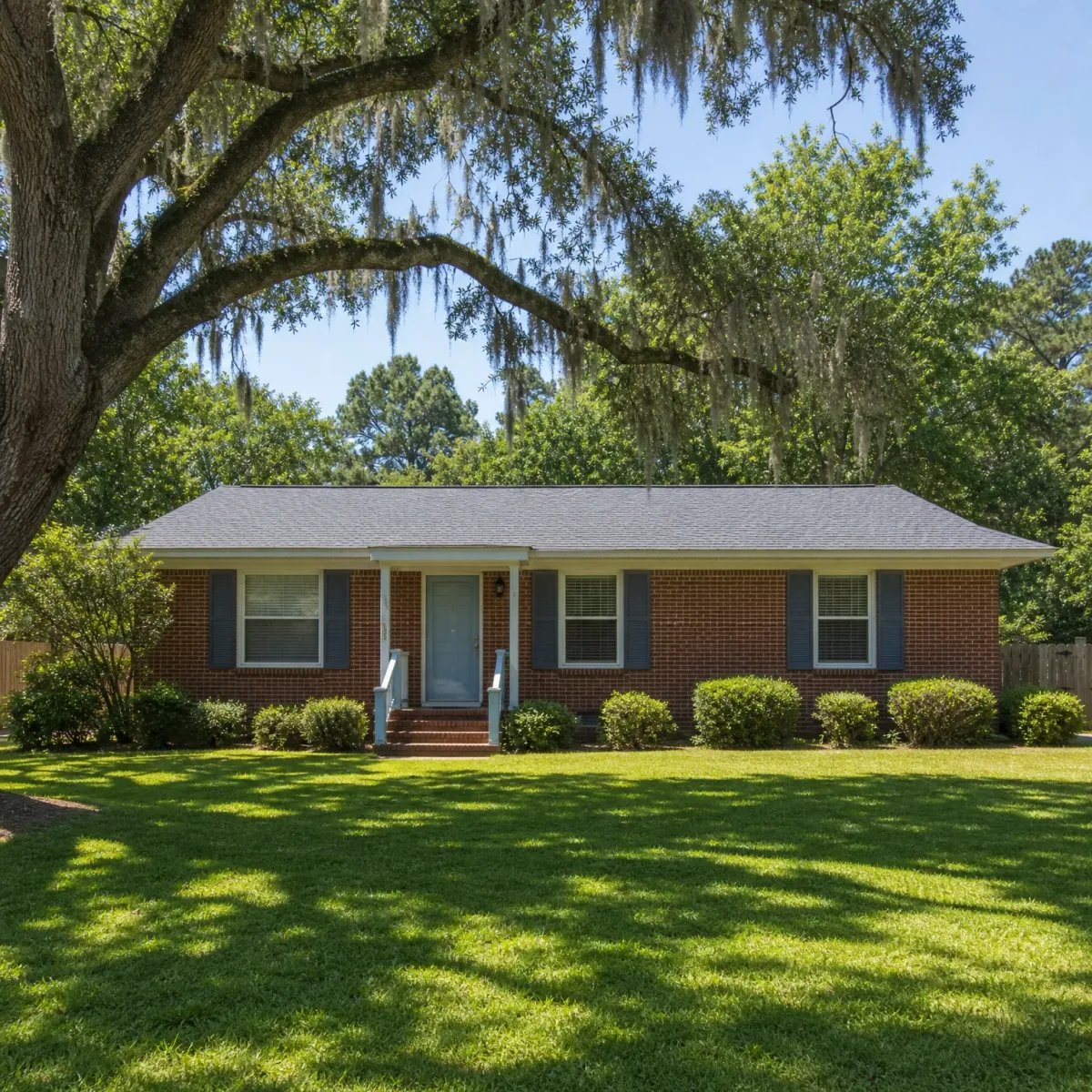
Single-story red brick ranch house with gray shingle roof, blue shutters and front door, low shrubs along the foundation, a mowed green lawn in front, and a large moss-draped oak branch overhanging from the left.

What this means for your air conditioning

A heat pump is a furnace and an air conditioner in one machine. It makes heat in winter and cools the house in summer, using the same equipment both seasons. Summer afternoons here reach 90°F or above about 85 days a year, so that side of the machine gets real use too.

A furnace needs a separate air conditioner to cool the house. That's the normal setup in most homes here, where three out of four heat with electricity already and about one in four with gas. If your cooling system is due for replacement around the same time as your heating, a heat pump replaces both with one piece of equipment. If your air conditioner is newer and working fine, a furnace lets you leave it alone and only replace the heat.

Either way, the running cost favors the heat pump by a small, real margin, about 7 percent at South Carolina's current electricity and gas prices. That gap alone isn't enough to decide it. What should decide it is what's true of your house: whether your air conditioner is near the end of its life, and whether gas is already run to the house or you'd be adding a heat pump where it isn't.

Sources: NOAA nClimDiv · NOAA 1991–2020 seasonal normals · Census ACS 2020–2024 · EIA SEDS 2024 · 10 CFR 430.32

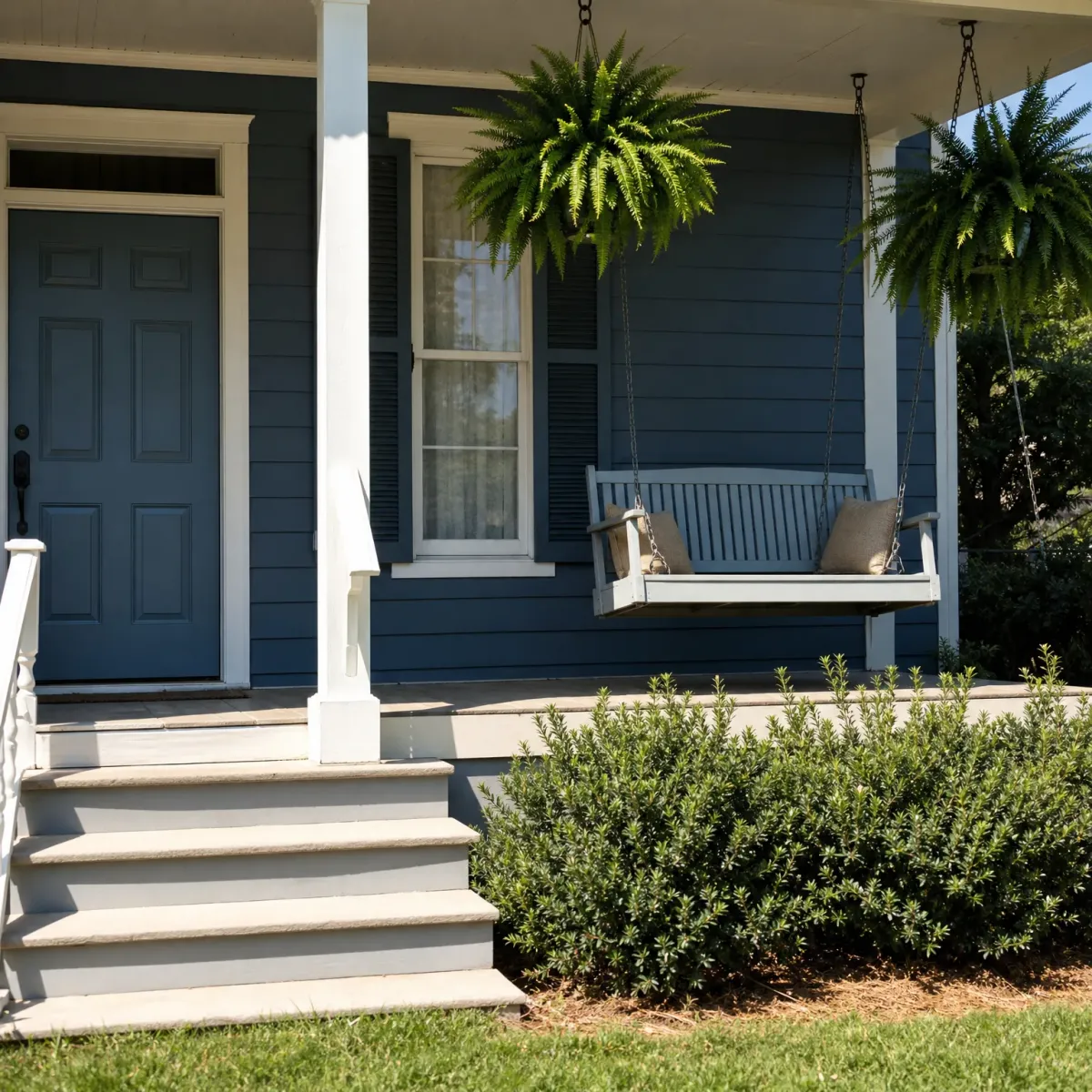
Front porch of a dark blue-gray house with white trim, a blue six-panel door, concrete steps, a white hanging porch swing with cushions, two hanging ferns, and trimmed shrubs along the foundation.

Common questions about heat pumps and furnaces

  • Will a heat pump keep my house cool enough here?

    Yes. A heat pump is a central air conditioner in the summer months, same as the AC half of a furnace setup, and Richland County's afternoon temperature only hits 90°F or higher on about 85 days a year.

  • Can I keep my furnace and add a heat pump?

    Yes, that pairing is called a dual fuel system. The heat pump carries the heating load most of the winter and the furnace switches on for the coldest nights, the roughly 45 a year here that fall to 32°F or below, when a furnace burns gas for a stronger, faster heat than a heat pump alone delivers.

  • What if my house doesn't have a gas line?

    A heat pump is the one to look at. It runs on electricity, so it does not need a gas line, and it heats and cools from the same system instead of burning propane or oil that has to be delivered and stored on site.

  • Is a heat pump cheaper to run than a furnace in Richland County?

    Yes, at today's prices. A heat pump runs about $1.90 per 100,000 Btu of heat here against $2.05 for a gas furnace, because South Carolina's electricity price makes up for a furnace burning gas more efficiently. Nights fall to 32°F or colder about 45 times a year here, under a third of the nights heat runs at all, which is the kind of cold where a heat pump's output drops and the gap between the two narrows.