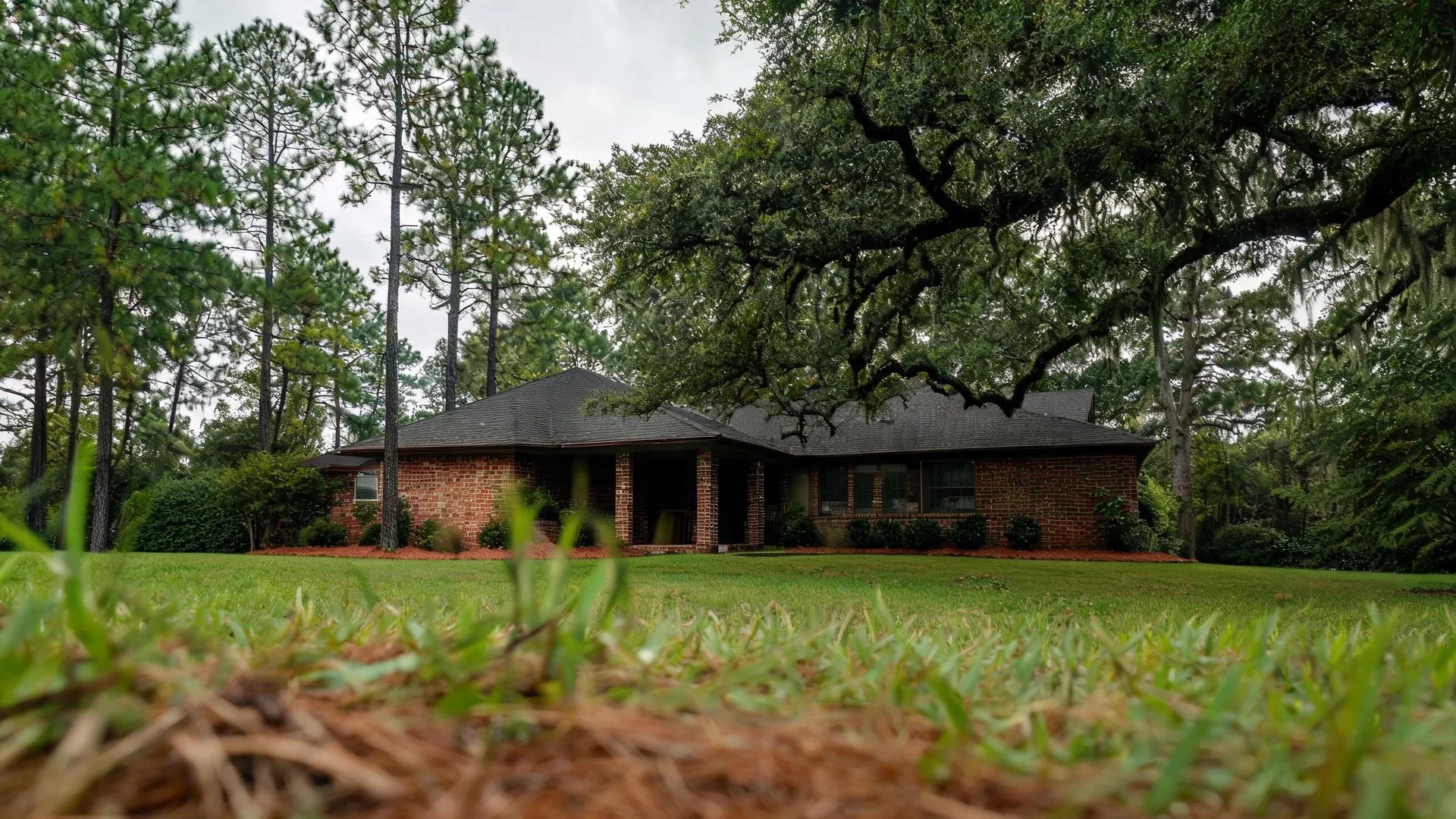





A single-story brick house with a dark shingled roof set behind a lawn, framed by pine trees and a large spreading oak, photographed from a low angle with blurred grass in the foreground.

Furnace Repair in Columbia, SC

Tell us about the job

Takes about a minute. No obligation.

RepairFurnace or heatingRichland County, SC
Step 1 of 2

What ZIP code is the job in?

A furnace that's struggling will usually tell you before it quits for good, and running it through those warning signs is what turns a small repair into a bigger one. A cracked heat exchanger gets worse under heat and cooling cycles, and the longer it runs, the more it flexes that crack open. A dirty flame sensor makes the burner shut off and relight over and over, and each failed attempt puts more strain on the igniter until that goes too. A clogged filter starves the system of airflow, which makes the blower motor work harder and run hotter than it's built for. If you smell gas, hear a new noise, or see the flame burning anything but steady blue, that's the furnace telling you to shut it down and get it looked at, not push through the night on it.

5 months
November through March, your furnace is on duty
36°F
the average winter night it heats against
2 winter storms
in ten years, the nights a failure hurts most
Isometric cutaway illustration of a small house showing a furnace unit connected to ductwork running through the interior and attic, with a chimney on the shingled roof and simple furniture in the rooms.
Your furnace works hardest from November through March.

NOAA nClimDiv, 1991–2020 normals

Half the houses in Richland County were built in 1989 or later.

A furnace that came with a newer house still has a lot of working life, so repair is usually the right call.

Heat starts in November here, right when a weak furnace gets found out

Heat runs November through March
Winter nights average 36°F
Climate zone 3A

Furnace here only has to work about five months a year, November through March. Overnight lows average 36°F through the coldest stretch of winter, December through February, which is cold enough to need heat but not the kind of extreme that pushes a system hard night after night. Compare that to a furnace running flat out for a Midwest winter, and this one has an easier run. That matters when something breaks, because a furnace that hasn't been worked hard usually hasn't worn hard either. A repair is more often addressing something that failed on its own, a part that aged out or got neglected, not a system that's been pushed past what it can handle.

Most likely one part, not a bigger problem

Nothing about this area runs a furnace harder than normal, so when one acts up here it's usually a single part that failed, not a system worn down by the climate. Worth fixing it rather than living with it. Electricity in South Carolina cost $41.71 per million Btu last year, and a part that's failing, a blower motor pulling more than it should, a flame sensor making the burner cycle over and over, runs up that cost for as long as it's left alone.

Find a contractor
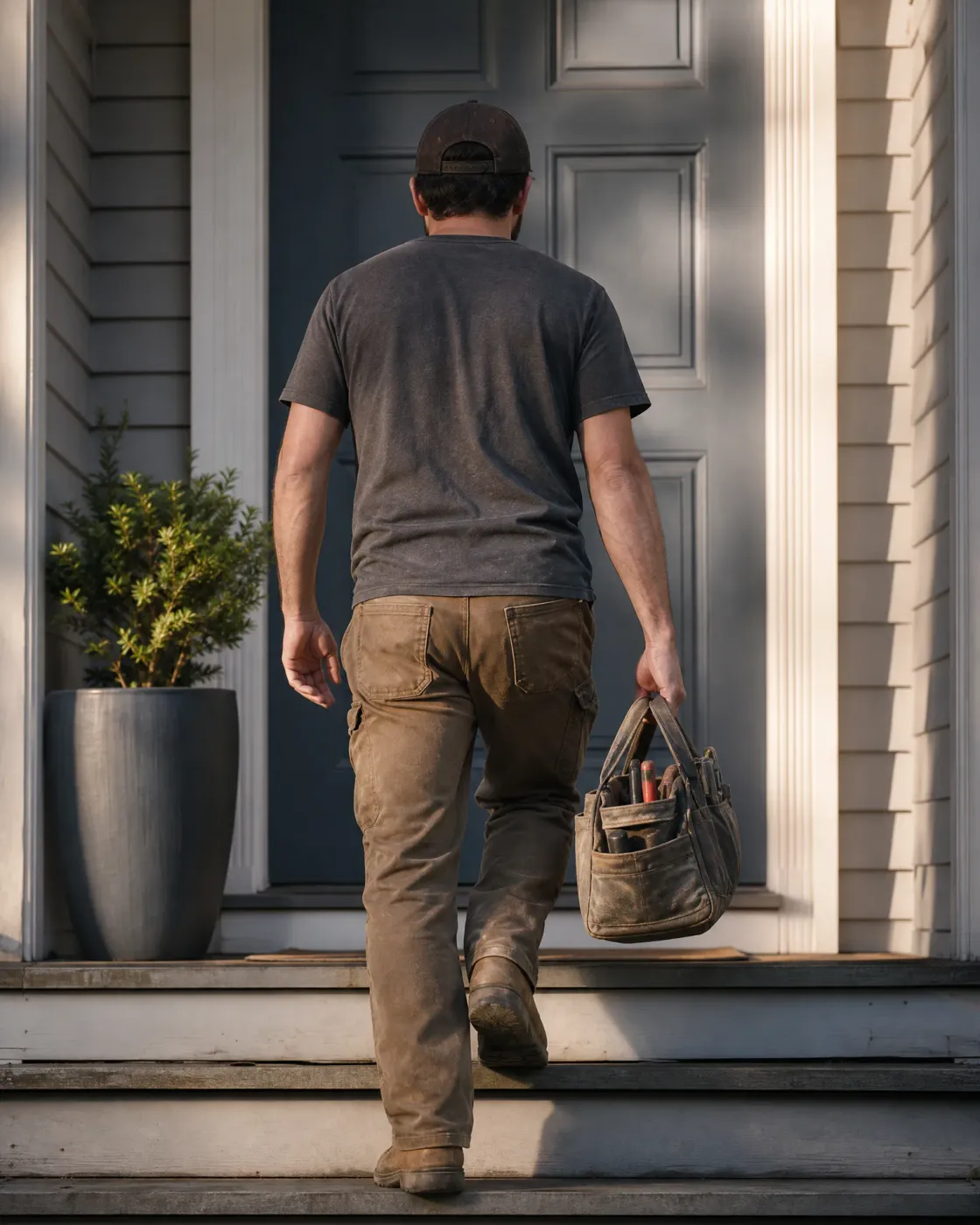
A man in a cap, gray T-shirt and brown work pants carries a worn leather tool bag up wooden porch steps toward a dark paneled front door, with a potted shrub to the left.
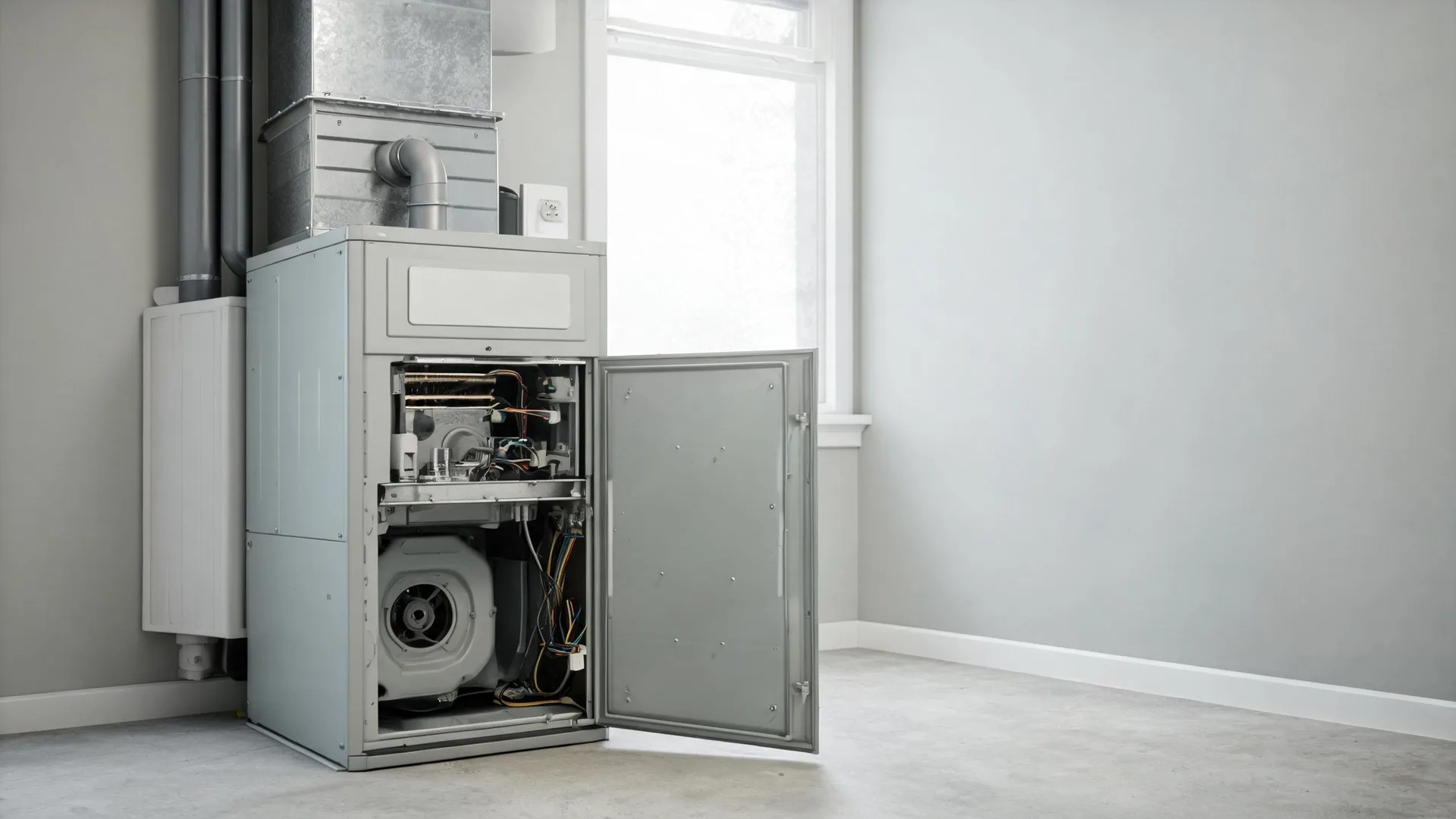
A gray gas furnace with attached ductwork and piping installed in an unfinished concrete basement.

A newer furnace is worth fixing

If your furnace came with the house and the house is from the last couple decades, that's worth finding out before you decide anything. A newer furnace that's broken down once is still a furnace with years ahead of it. Get the part fixed and it should run fine from here.

What you can check safely

Shut the furnace off and swap the filter if it's dirty or you can't remember the last time it was changed. Check the thermostat is set to heat and the batteries aren't dead. Walk over to the furnace and make sure the switch on it, the one that looks like a light switch, is flipped on, since those get bumped off during other work nearby. If the furnace is gas, check the gas valve is open and that nothing is blocking the intake or exhaust vents outside.
What to leave alone

Don't take any panels off the furnace or reach near the burners or heat exchanger. Don't try to relight a pilot light if you're not sure how, and don't reset a switch or breaker more than once if it trips again right away. That's the furnace telling you something's actually wrong, and forcing it back on hides the signal a tech needs to find the problem fast.

A lot of furnace calls trace back to ignition. An igniter draws current every cycle, and that wear eventually breaks the element, so it glows weaker and weaker until it stops lighting the burners at all. Flame sensors foul up with a film that builds over a season of normal combustion, and once that film blocks the signal, the control board shuts the gas off as a safety measure even though nothing else is wrong. Blower motors wear out from the bearings running year after year, and a motor working against a dirty filter or blocked vent burns out sooner than one that's breathing clean air. Pressure switches and limit switches fail quietly too, tripping to protect the furnace from a draft problem or overheating, so the furnace won't run even though the part causing it is somewhere else entirely. Most of this comes down to small parts with a limited number of cycles in them, not the furnace as a whole giving out.

A tech starts by asking what the furnace was doing before it quit. A no-heat call and a short-cycling call point at different parts from the first minute. Next comes a look at the flame, if it's gas, because the color and shape tell their own story before a panel ever comes off. Then the panels do come off. That's where the actual checking happens, voltage at the igniter, resistance across the flame sensor, the pressure switch doing what it's supposed to when the inducer motor kicks on. A lot of this is testing one part, ruling it out, and moving to the next, in order, until the one that's actually failed shows itself. The furnace usually gets run through a full cycle at the end, start to shutoff, so the fix gets watched working instead of just assumed.