 Get a local pro
Furnace pilot light keeps going out in South Carolina
A local pro who knows furnaces gets your details and gets in touch.
A pilot that won't stay lit is a furnace telling you something specific. It's not random, and it's not something to just keep relighting all winter. Most of the time it comes down to one of a few things: a thermocouple that's worn out and can't hold the gas valve open, a draft pulling the flame off the thermocouple, or a buildup of soot or dust on the pilot assembly itself. Each of those has a different fix, and guessing wrong means you're back at the pilot light again next week.
Furnaces in South Carolina don't run as hard as they do up north, since most homes here heat with electricity and gas furnaces tend to be a smaller part of the mix. That's actually part of why pilot problems get missed or mishandled. A contractor who only sees a handful of gas furnaces a season is working it out as they go. One who works on this equipment regularly, even in a state where it's less common, has already seen this exact pattern of failure and knows which part is the likely cause before they take the cover off.
That's the difference this page is here to make. When you request service, you're matched with one licensed contractor local to South Carolina, not a handful of companies competing for the job. You get one call, from someone who actually works on furnaces in homes like yours, instead of sorting through bids from people who might not.
Power here runs at a typical cost, so there's no real reason to keep burning gas on a pilot that won't hold. The fix is usually small. Finding the right person to make it is the part worth getting right.
Below, you'll find what actually causes this and what to check before anyone comes out. When you're ready, the button connects you to that contractor directly.
Why does my furnace pilot light keep going out?
Relighting the pilot once is easy enough to shrug off. When it keeps happening, you start wondering if you're going to wake up to a cold house, or worse, if something's actually wrong with the gas line. With most homes here running on electric heat, a gas furnace that won't hold a pilot is already the odd one in the neighborhood, and you want to know what's actually going wrong before winter settles in for good.
A worn thermocouple is the most common cause
The thermocouple is a small sensor that sits in the pilot flame and tells the gas valve it's safe to keep sending gas. Once it wears out or drifts out of position, it stops sensing the flame correctly and shuts the gas off, even though the pilot was burning fine a second earlier. A draft blowing across the pilot or a dirty pilot orifice can cause the same thing, which is why it's worth having someone look rather than relighting it over and over. Since most houses in South Carolina heat with electricity, a furnace like this may be older or less used, and parts like the thermocouple wear out from age as much as from regular use.

What the thermocouple actually does
The thermocouple sits in the pilot flame and reads its heat. When it senses the flame, it holds the gas valve open. Let it cool for even a few seconds and the valve shuts, cutting gas to the pilot. A worn thermocouple can't hold that reading steady, so it reads the flame as out when it isn't, and shuts the valve anyway. That's a part replacement, not an adjustment.

A draft does the same thing
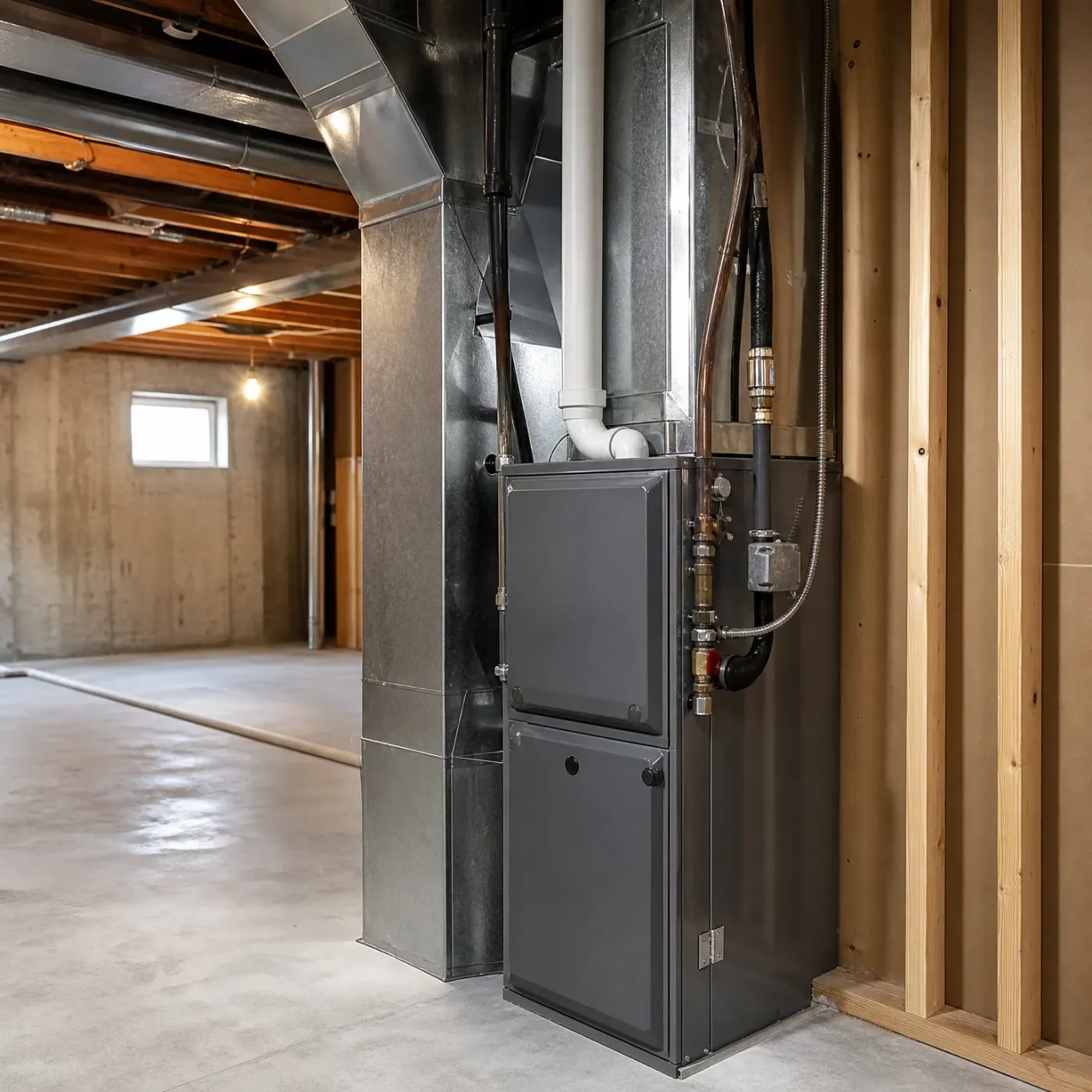
Furnaces in South Carolina often sit in a closet, garage, or crawlspace, and any of those can feed the pilot assembly a stray draft. A small puff of air can bend the flame off the thermocouple just long enough for it to read cold. If the pilot goes out more on windy nights or after a door's been opened nearby, that points to draft before it points to a worn part.
Winter nights average 36°F statewide
Nights here average 36°F in December, January and February, so your pilot has to hold steady for hours on end, not just a quick burst of cold. A thermocouple on its way out often can't make it through a night that cold without dropping the flame.
NOAA nClimDiv 1991-2020 county normals weighted by homes




Get your furnace to the right pro
The pro who reaches out is licensed in South Carolina.
Tell a local repair pro what your furnace is doing.
You're not committing to anything by asking.
Relight It Or Fix It
Relight it yourself
- You follow the steps on the panel, hold the gas button down, and the flame catches again for now.
- It costs nothing and takes a few minutes, so it's the first thing anyone tries.
- If the pilot only went out once, during a storm or a draft from an open door, this is often the end of it.
- You won't know if the thermocouple is weakening until the flame drops again, maybe that same night.
- Relighting it over and over through December and January means you're managing the symptom, not the cause.
- A gas furnace that keeps losing its pilot is working harder to heat the house on the nights it does stay lit.
Have it looked at
- A local contractor who works on furnaces all winter can tell a worn thermocouple from a draft problem in a few minutes.
- They'll test the part with the flame lit, which isn't something you can do safely from the owner's manual.
- If it's the thermocouple, replacing it stops the problem instead of just resetting it each time.
- You get matched with one contractor for your situation, not a handful of companies calling you back.
- A furnace that holds its pilot through a cold night isn't leaving anyone in the house waiting on a reset at 2 a.m.
- Catching it now means you're not troubleshooting a dead furnace on the coldest morning of the year.
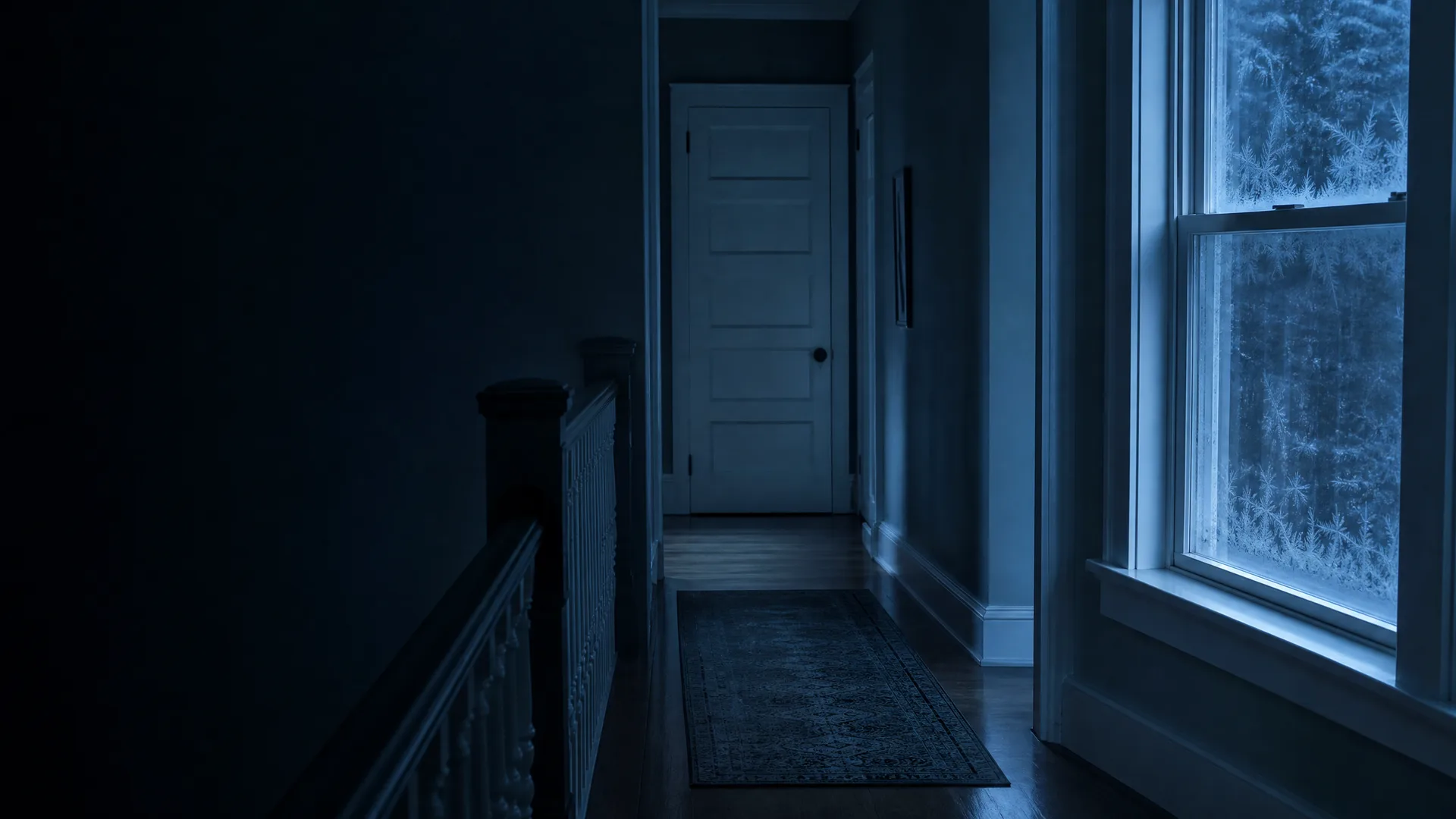
You wake up a little after 2 and the house feels wrong before you know why. The hallway floor is cold under your feet. No sound from the vents, no air moving at all. You stand there a second and look at the window, and the glass has frost crowding the edges of it, the kind that only shows up when it's stayed this cold outside for hours. Down the hall the kids' doors are shut. You already know what you'll find at the furnace before you get there. The pilot's out again, same as last week, and it's the middle of the night in the coldest stretch of January, with nobody awake but you.

A pilot that won't hold is worth fixing, not relighting
A thermocouple that's worn out, a dirty pilot orifice, a draft finding its way to the flame. Those are the usual reasons the pilot won't stay lit, and none of them get better on their own. Relighting it buys you a few hours, not a fix, and on a cold night in South Carolina those hours matter to the people trying to sleep warm in your house.
A licensed contractor near you who works on gas furnaces every winter can look at the thermocouple and the pilot assembly and tell you which one's failing, usually within the same visit. You'll be matched with one contractor local to South Carolina, not a handful of companies competing for the callback, and that contractor will reach out to you directly to get it sorted before the next cold night comes through.


The right pro for this job
Only one pro gets your request, so you hear from one company.