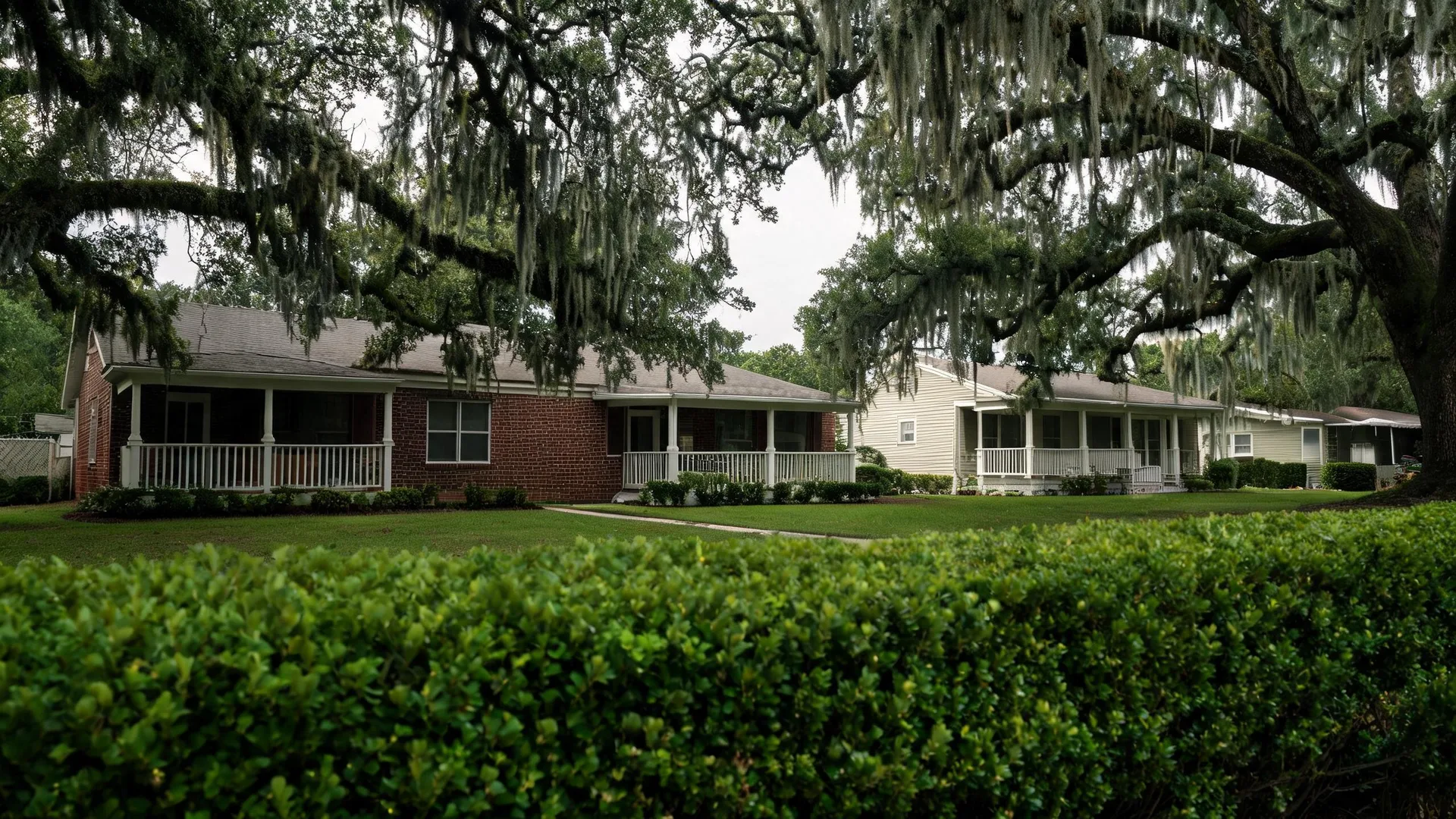
A row of single-story houses with covered porches, the nearest clad in red brick, seen behind a trimmed hedge and lawn beneath large moss-draped oak branches.

Furnace Installation in Newberry, SC

Tell us about the job

Takes about a minute. No obligation.

New system or replacementFurnace or heatingNewberry County, SC
Step 1 of 2

What ZIP code is the job in?

The rating tells you fuel burned, not heat delivered

The efficiency number on a furnace label is a measure of how much fuel gets turned into heat instead of lost up the flue. A higher rated furnace keeps more of what it burns inside the house. It says nothing about how big a furnace you need or how fast it heats the place. Sizing that right is a separate question your installer has to work out from the house itself.

A higher rating usually means a different kind of vent

Furnaces with the highest ratings pull extra heat out of the exhaust before it leaves, which cools that exhaust enough that it has to vent through PVC pipe instead of a metal flue. That changes where the furnace can go and how it ties into the house. A lower rated furnace still vents through metal and fits where the old one did. Worth asking which type you're being quoted, since it changes the installation, not just the furnace.

5 months
November through March, your furnace is on duty
34°F
the average winter night it heats against
80% AFUE
the federal minimum any new unit must meet
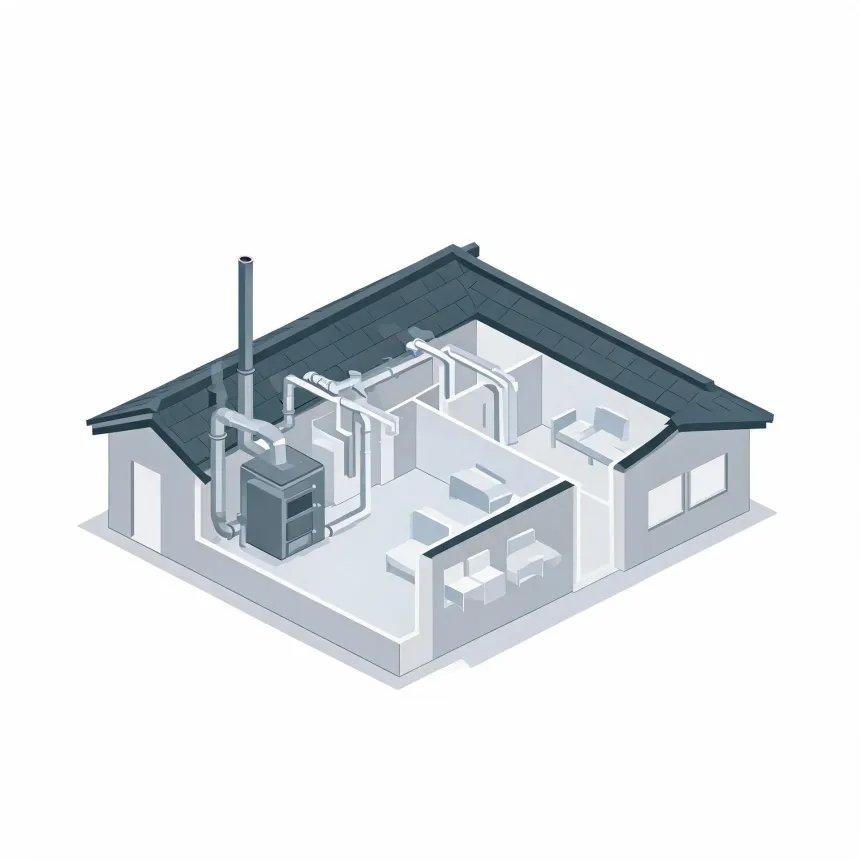
Isometric cutaway illustration of a single-story house showing interior rooms with a dark furnace unit, connected ductwork, a vertical flue pipe through the roof, and simple furniture, on a white background.
Your furnace works hardest from November through March.

NOAA nClimDiv, 1991–2020 normals

Newberry doesn't push furnace sizing past the standard options.

Get the size matched to your house and a mid-range efficiency rating, and you're done.

Most homes here heat with electricity

66% of homes heat with electricity
Heat runs November through March
Winter nights average 34°F
Have it in before NovemberHeat runs November through March here, about five months a year.

Newberry's winters are mild enough that furnace sizing here stays ordinary, nothing oversized to handle extreme cold. The zone doesn't set its own furnace rule though. The federal minimum does, and right now that's 80.0 percent AFUE for any gas furnace built from late 2015 on. That number holds for a few more years yet. After that the floor jumps to 95.0 percent, which pushes every furnace into the condensing type with PVC venting. A furnace bought today still has that mid-range option on the table.

Five months of work a year

Heat only has to run November through March here, and the overnight low in those months averages 34°F. That's a light load for a furnace to carry. A mid-range system sized right for your house will handle it without strain.

Find a contractor
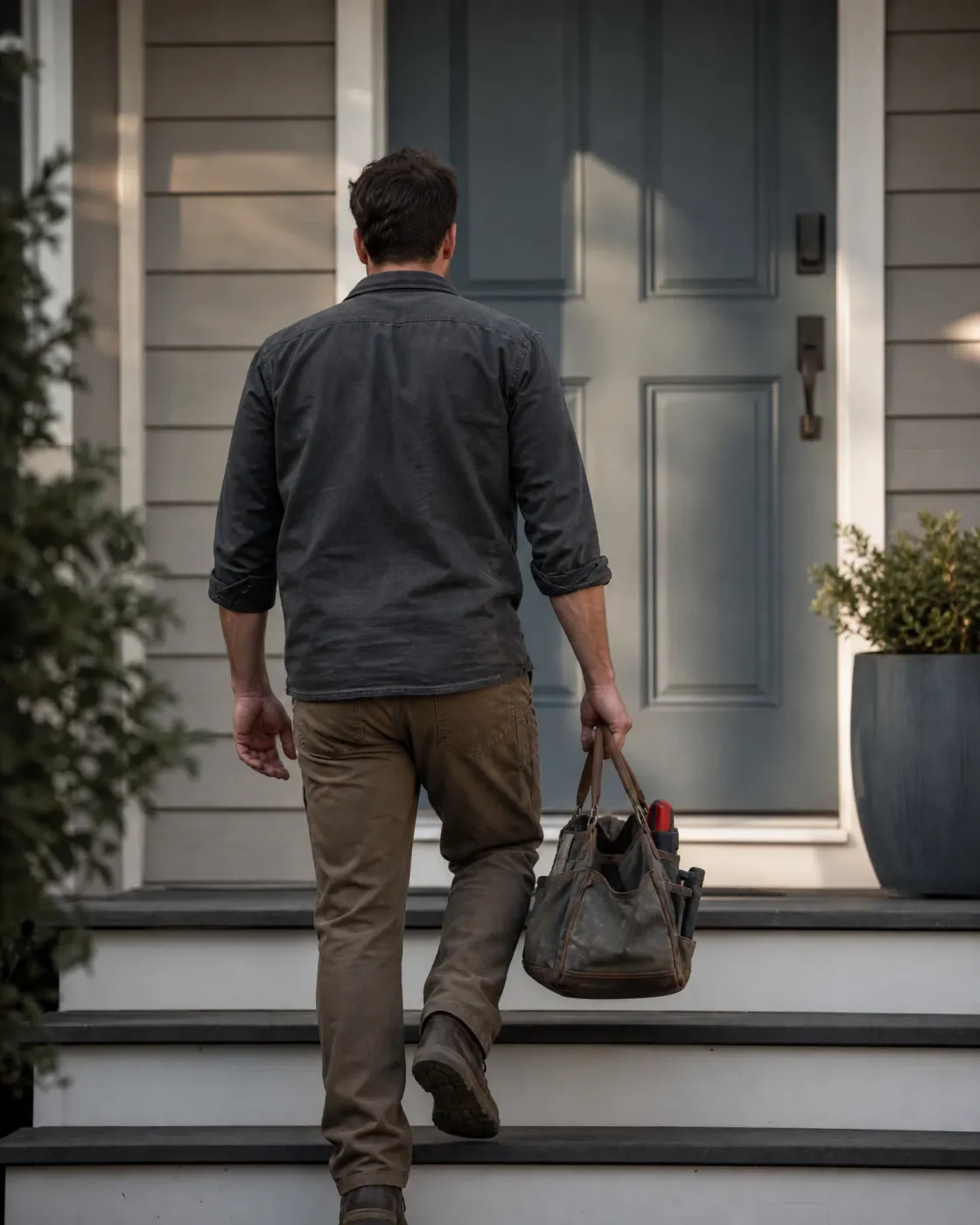
A man in a dark shirt and brown pants carries a worn canvas tool bag up concrete steps toward a gray-blue front door of a house with horizontal siding and a potted shrub.
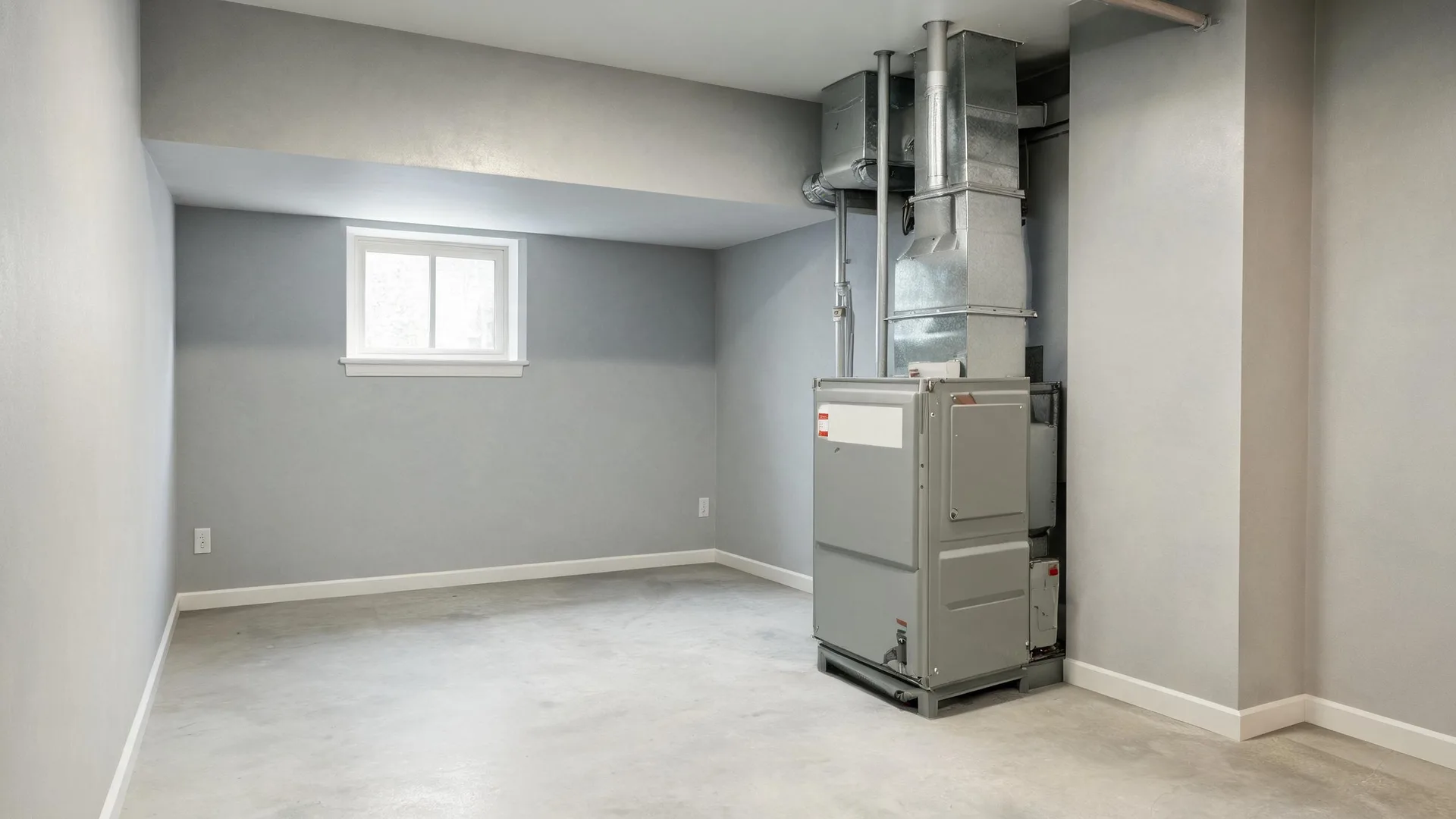
A gray residential gas furnace installed in an unfinished basement, surrounded by ductwork, a metal flue pipe, and a gas supply line.

Five months a year, same as next door

Running five months a year is not heavy duty on a furnace. What ages a furnace is the number of times it starts and stops, not how cold it gets outside, so a mild winter here does not mean less wear than a harsher one elsewhere. A standard furnace sized to the house handles that fine. Half the homes in the county were built in 1981 or earlier, and if your furnace is original to the house, its age is worth checking before you decide whether to replace or just repair it.

The house decides the size, not the sales quote

A furnace sized too big for the house costs more up front and still does a worse job, cycling on and off instead of running a steady stretch. Getting that size right takes a load calculation on the house itself, checking the square footage, the windows, the insulation. Skip that step and you're paying for capacity the house can't use.

The vent pipe changes what the install involves

A furnace that vents through PVC needs a place for that pipe to run outside, plus a drain line for the condensate it produces. A furnace that vents through metal ties into the flue that's already there. One of those is a simpler swap. The other means new pipe, maybe a new path through the wall, and a drain nearby. That difference shows up in the labor, not the furnace itself.

The old furnace doesn't get left in place. Pulling it out is part of the job, not an extra step tacked on. Once it's disconnected from the gas line, the flue or vent pipe, and the ductwork, it comes out whole or in pieces if it has to, and the space gets cleared for what's going in. Any leftover venting that won't be reused, old metal flue going to a PVC furnace, for instance, gets capped or removed so there's nothing dead-ended in the system. The old thermostat usually comes down too if the new furnace needs a different kind. None of that old equipment goes back in, and a reputable installer hauls it off as part of the work rather than leaving it for the homeowner to deal with.

Installation day starts with the gas and power shut off before anything gets disconnected. The old furnace comes out first, whatever that takes, and the space gets cleared before the new one goes in. Setting the furnace in place is the easy part. Most of the day goes to the connections around it. The gas line, the ductwork, the vent, the wiring to the thermostat, each one gets tied in and checked on its own before the furnace ever fires. Once it's hooked up, it gets run through a full cycle. The flame, the airflow, the temperature rise all get checked right there, so any problem shows up that day instead of on the first cold night. A furnace that passes gets left running clean. One that doesn't gets adjusted before anyone calls the job done.