





Low-angle view along a red brick wall with flowering pink shrubs at its base, a mown lawn extending to a distant single-story house and tall pine trees under an overcast sky.

Furnace Installation in Charleston, SC

Tell us about the job

Takes about a minute. No obligation.

New system or replacementFurnace or heatingCharleston County, SC
Step 1 of 2

What ZIP code is the job in?

The size of the furnace matters more than the brand. A unit too big for the house cycles on and off instead of running steady, and that short cycling wears out parts faster and leaves rooms uneven. Getting the size right means a contractor looks at the house itself, the windows, the insulation, the layout, not just the square footage. Ductwork is the other big piece. If the existing ducts are undersized or leaky, a new furnace has to push against that, and sometimes the right fix is sealing or modifying ducts before the furnace even goes in. Venting matters too, since a new furnace may need a different vent setup than the old one depending on its efficiency. None of this shows up until someone is actually in the house looking at what's there.

5 months
November through March, your furnace is on duty
41°F
the average winter night it heats against
80% AFUE
the federal minimum any new unit must meet
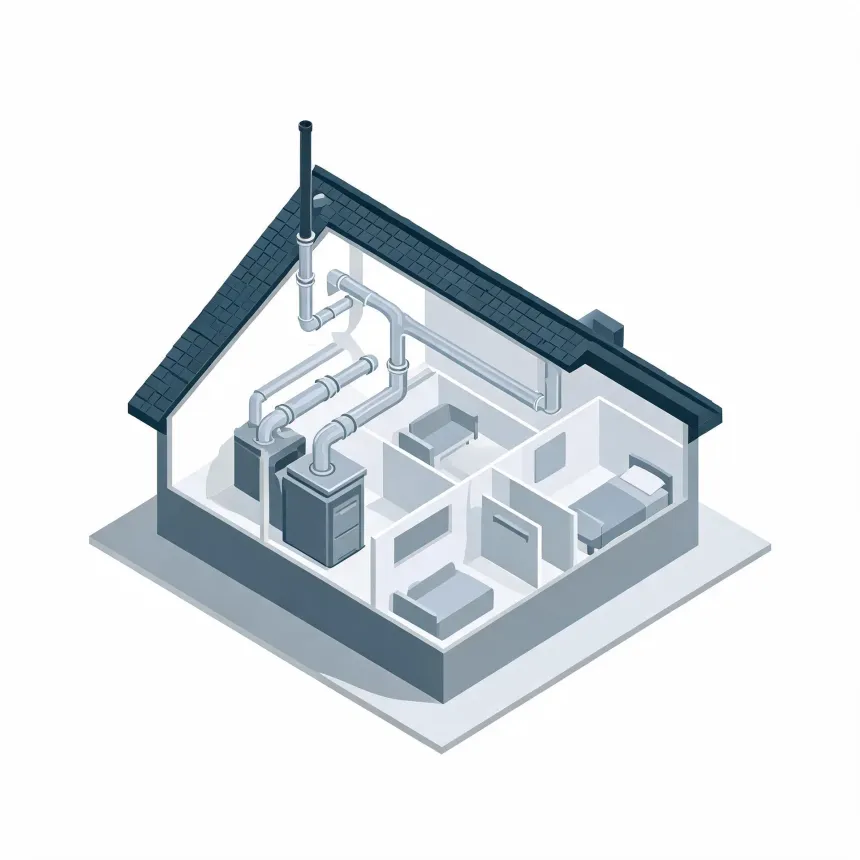
Isometric illustration of a cutaway house showing a furnace unit with ductwork and a flue pipe running through the interior rooms, which contain simple furniture.
Your furnace works hardest from December through March.

NOAA nClimDiv, 1991–2020 normals

Electricity heats 75.9% of homes in Charleston County.

A furnace going into a house like that is likely replacing an electric system, which changes what the install involves.

Five months of mild nights, not a system that runs hard

Heat runs November through March
Winter nights average 41°F
Climate zone 3A
Put it in before NovemberHeat runs November through March here, so October is when this gets done without a rush.

The efficiency number on a furnace label tells you how much of the fuel it burns turns into heat in the house instead of going out the vent. A higher number means less of what you pay for escapes unused. That number only holds up if the furnace is installed to match it. A high-efficiency furnace vents differently than an older one, often through PVC pipe instead of a metal flue, because the exhaust runs cooler. Put the wrong vent on it, or size the ducts for the old unit, and the furnace won't deliver the efficiency printed on its label no matter what that label says. The rating describes the equipment. What you actually get depends on whether the rest of the install was done to match it.

A standard furnace, sized right, is what this job calls for

Electricity runs $41.71 per million Btu in South Carolina, and most Charleston County homes heat with it now. None of that calls for a bigger or pricier furnace than the house needs. A standard size and efficiency, matched to the house, is what this job calls for.

Find a contractor
A man seen from behind in a dark shirt and tan work pants carries a canvas tool bag up stone steps toward a gray panelled front door of a shingled house, with a potted shrub beside the entry.
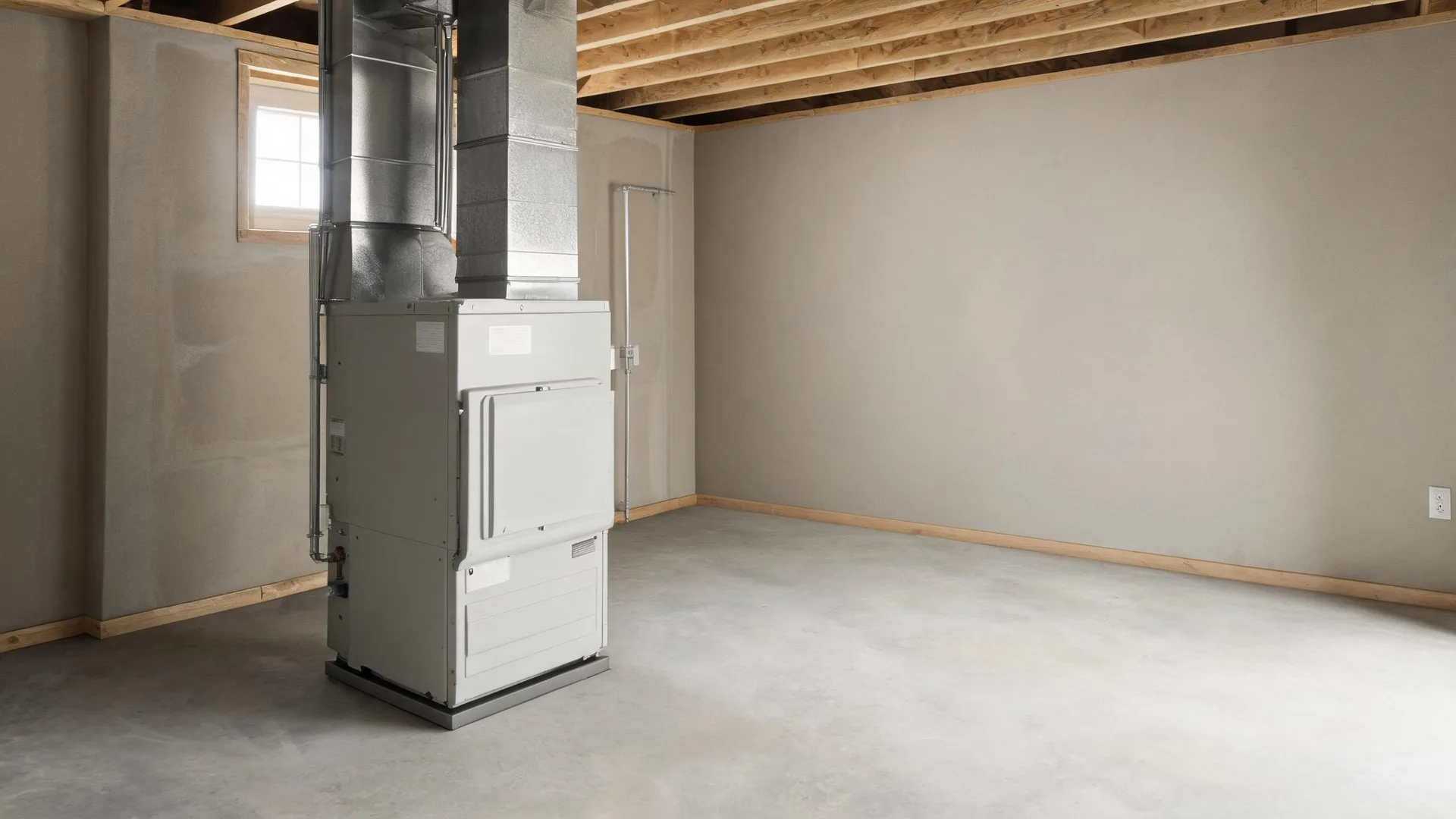
A gray gas furnace with attached ductwork and piping installed in an unfinished concrete basement.

A mild climb, most years

Five months of real work a year, with overnight lows averaging 41°F, is not a hard pull for a furnace. A standard unit sized to the house will cover it without strain. Put the attention instead where it actually changes the outcome here, on sizing and venting done right during the install.

Ask what happens to the old vent and ductwork

A quote should say what gets touched besides the furnace itself. If the old vent gets reused or replaced, that should be written down. If ductwork needs sealing or changes, that belongs in the quote too. A quote that only lists the new unit may be leaving out work that still has to happen.
Ask to see the load calculation, not just hear a size

Ask the contractor to show the room by room math, not just state a number. This is what says how much heat the house actually needs, based on its windows, insulation and layout. A contractor who can show you that math looked at the house. One who can't is guessing.

A load calculation looks at the whole house, not just the square footage. Houses the same size can need different size furnaces because one has more window area, taller ceilings, or walls facing a different direction. The math accounts for how fast heat moves out through the windows, walls and roof, and how much the furnace needs to replace to hold the temperature steady. Skip that math and guess by square footage alone, and the guess tends to run big. A furnace that's oversized doesn't heat the house faster or better. It reaches the thermostat's setting quickly, shuts off, and starts again a short while later, cycling on and off all day instead of running in longer, steady stretches. Short cycles mean the air near the thermostat gets warm while rooms farther off stay cool, because the system never ran long enough to push heat evenly through the ductwork. The furnace itself pays for it too. The igniter and blower motor see more start cycles over the life of the unit when it's oversized, and that's when those parts tend to fail early.

Install day starts with the old furnace coming out, along with the old vent pipe if it's being replaced. Whoever's doing the work needs a clear path to the mechanical closet or attic, since the cabinet has to come apart to get the old unit out and the new one in. Gas line, electrical and venting connections all get redone or checked, not just hooked back up out of habit. Once the new furnace is set, it gets fired up and run through a cycle, with someone checking the temperature rise across the heat exchanger to confirm it's firing the way it's supposed to. The ductwork gets checked for airflow at that point too, not left for later. A furnace that's installed right gets tested before anyone calls the job finished, not just switched on and left running.