


Heat pump vs furnace in Charleston County, South Carolina

Compare Real Quotes

Pros who install both

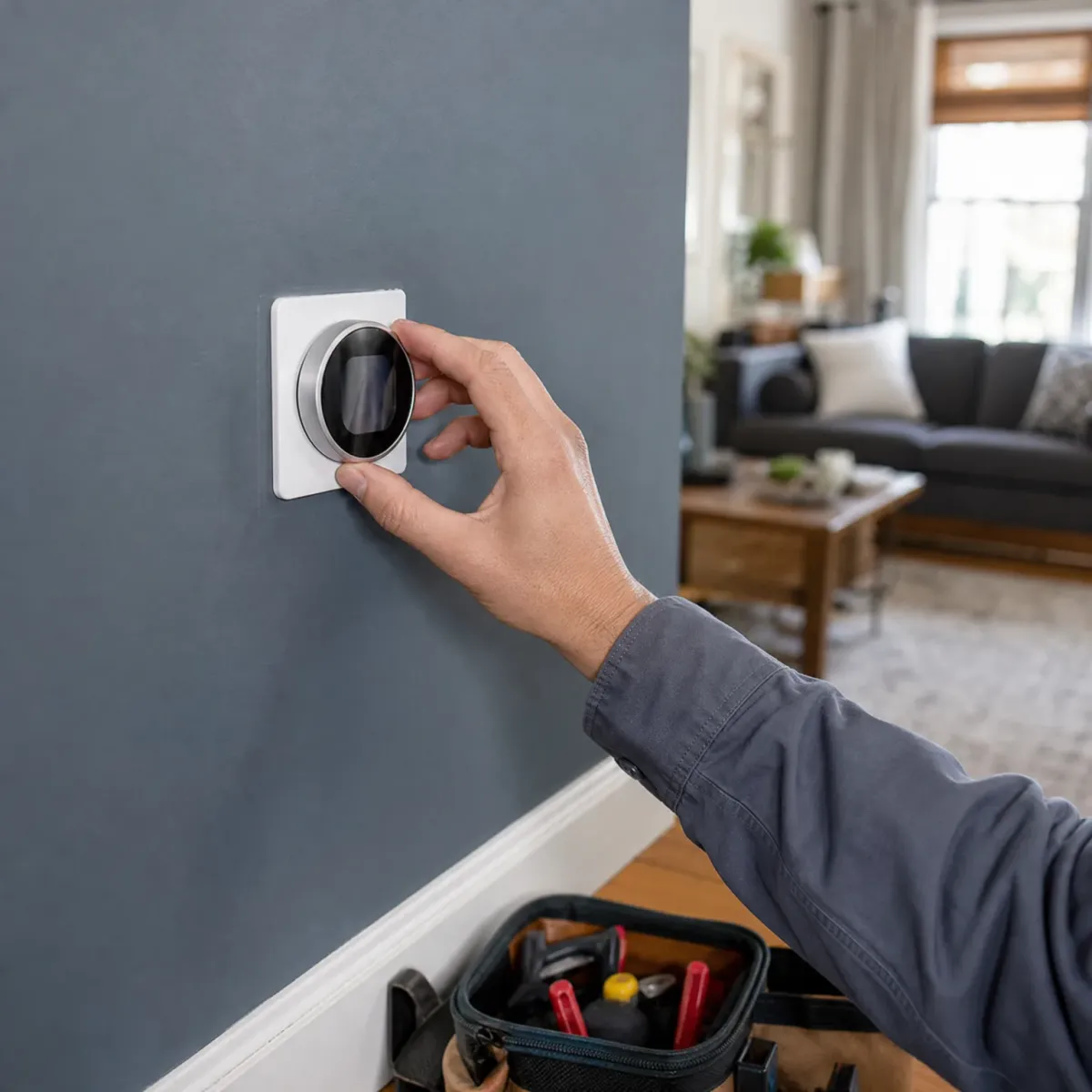
A person's hand adjusts a round thermostat on a dark blue-gray wall, with a living room and an open tool bag visible in the background.

Tell us about the job

Takes about a minute. No obligation.

New system or replacementCharleston County, SC
Step 1 of 3

What kind of equipment?

Which costs less to run in Charleston County?

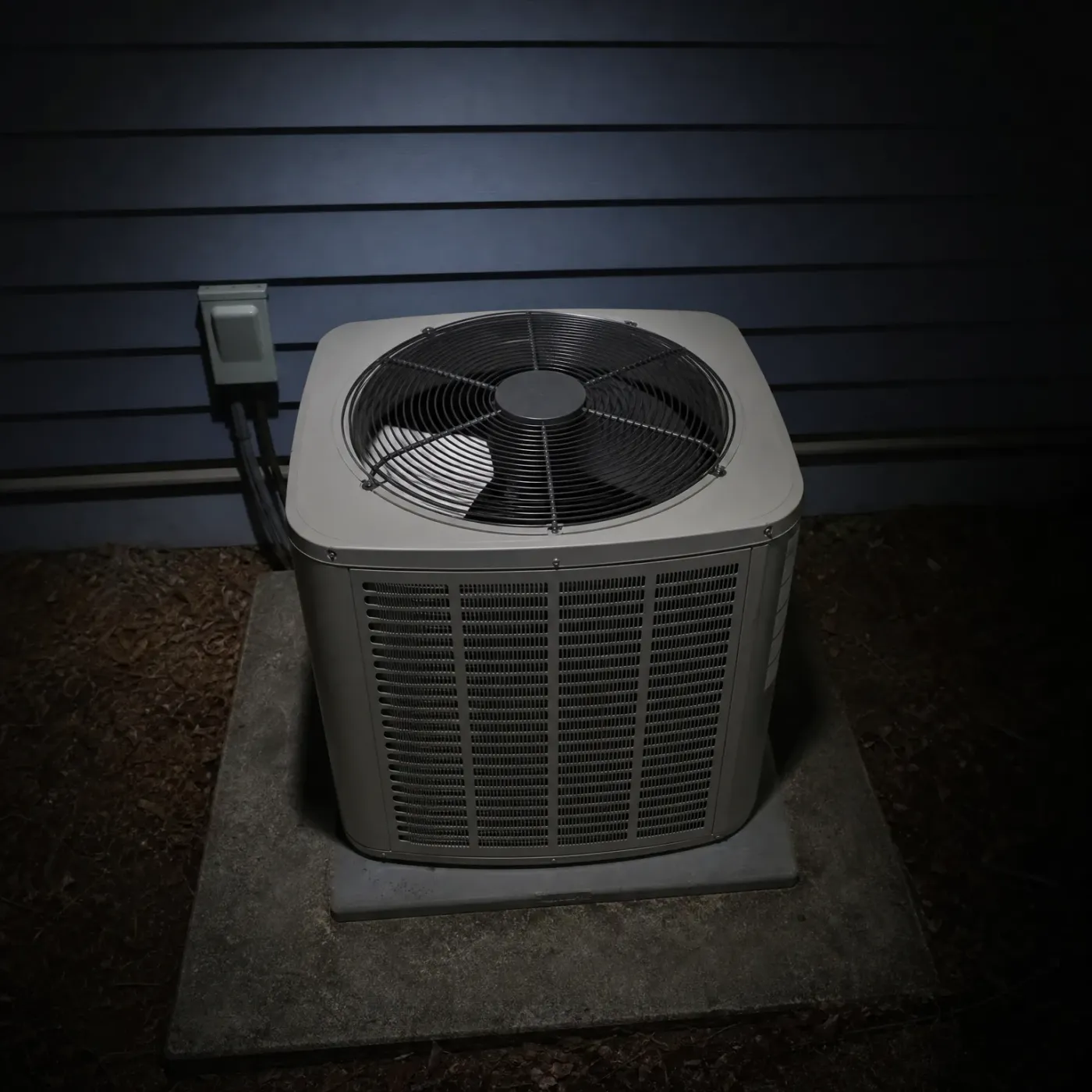
An outdoor air conditioning condenser unit with a top-mounted fan sits on a concrete pad beside a horizontal-siding wall, with an electrical disconnect box and refrigerant lines on the wall behind it, photographed in low light.

Heat pump

To heat your home here$1.90per 100,000 Btu

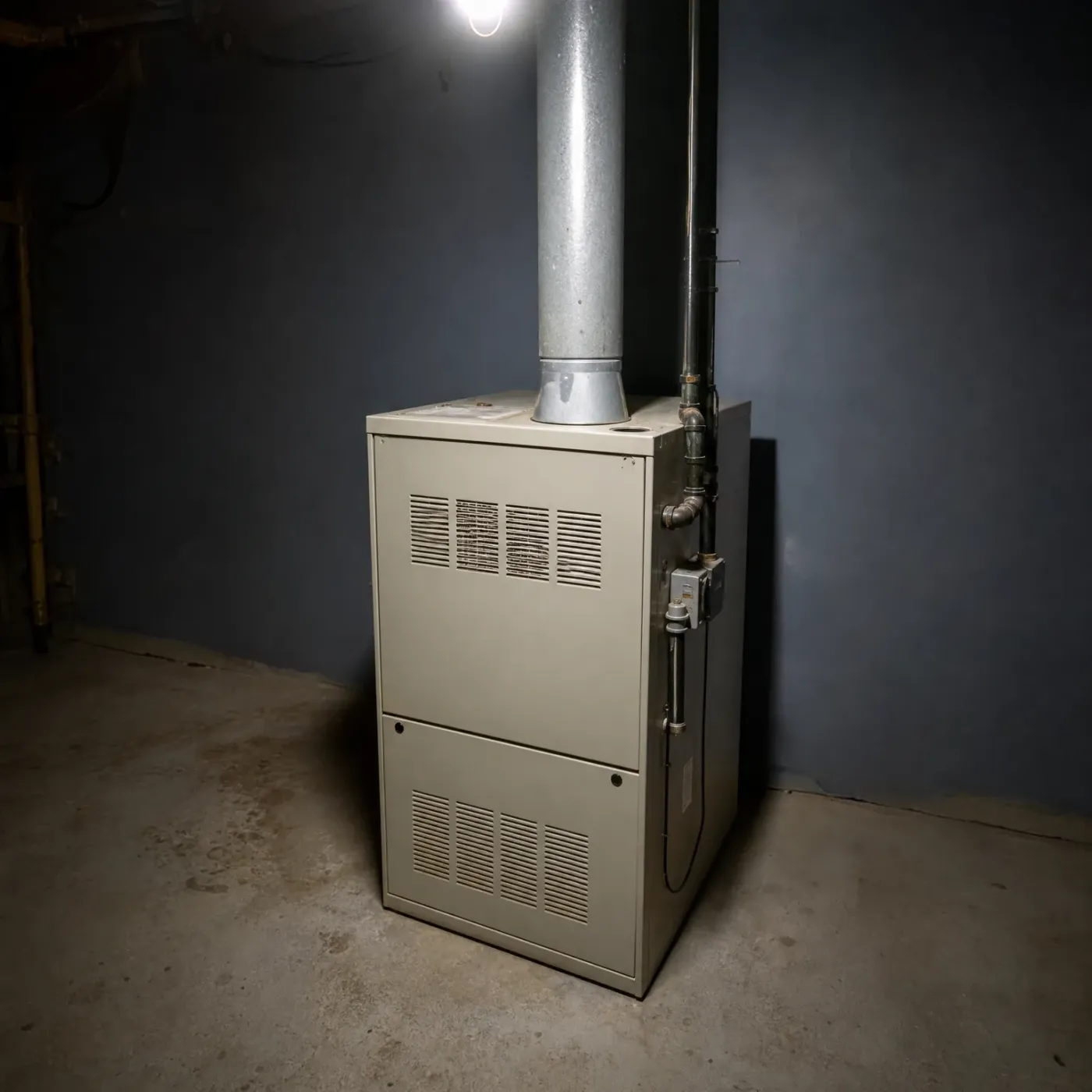
A beige residential furnace with louvered front panels stands on a concrete basement floor against a dark gray wall, with a metal flue pipe rising from its top and gas piping along its right side.

Furnace

To heat your home here$2.05per 100,000 Btu

At South Carolina's gas and electricity prices, a heat pump makes the same heat as a gas furnace for about 7% less.

Btu stands for British thermal unit, the standard measure of heat energy.

Where does a heat pump shine?

  • Made for mild winters

    Charleston County winter nights average 41°F, and that's comfortable territory for a heat pump. It can draw heat from outside air all season without having to work hard to do it.

    Covered front porch of a blue-gray clapboard house with white columns and trim, a paneled front door with sidelights, a wicker chair with a blue blanket and mug, boots by the door, and frost on the surrounding lawn.
  • Covers a long cooling season

    Cooling runs May through October here. A heat pump handles that whole stretch with the same system it uses for heat, so you're not relying on a separate unit for most of the year.

    A screened porch with a wood floor, ceiling fan, wicker furniture with blue cushions, a rocking chair draped with a blue throw, a fire-pit table, and a glass of iced tea on a side table, with trees and water visible through the screens.
  • No gas line, nothing burning in the house

    A heat pump runs on electricity alone. Nothing burns inside the house.

    A kitchen island with a white stone countertop holding a black cooktop and a stainless steel kettle, with navy cabinets, a white farmhouse sink with a brass faucet, a bowl of lemons, potted greenery, and gray upholstered stools in the foreground.

Where does a furnace shine?

  • Pairs with any central AC

    The ductwork that delivers heat in winter delivers cool air in summer once an AC coil is added.

    Sunlit living room corner with wood flooring, a floor air vent near a glass door with white sheer curtains, a wooden dresser, a potted plant in a woven basket, a gray armchair, a patterned fringed rug, and a dark mug and book on a wooden table.
  • Proven, simple, easy to get serviced

    Parts are easy to find and most repairs are routine. Getting one fixed rarely means waiting on a specialist.

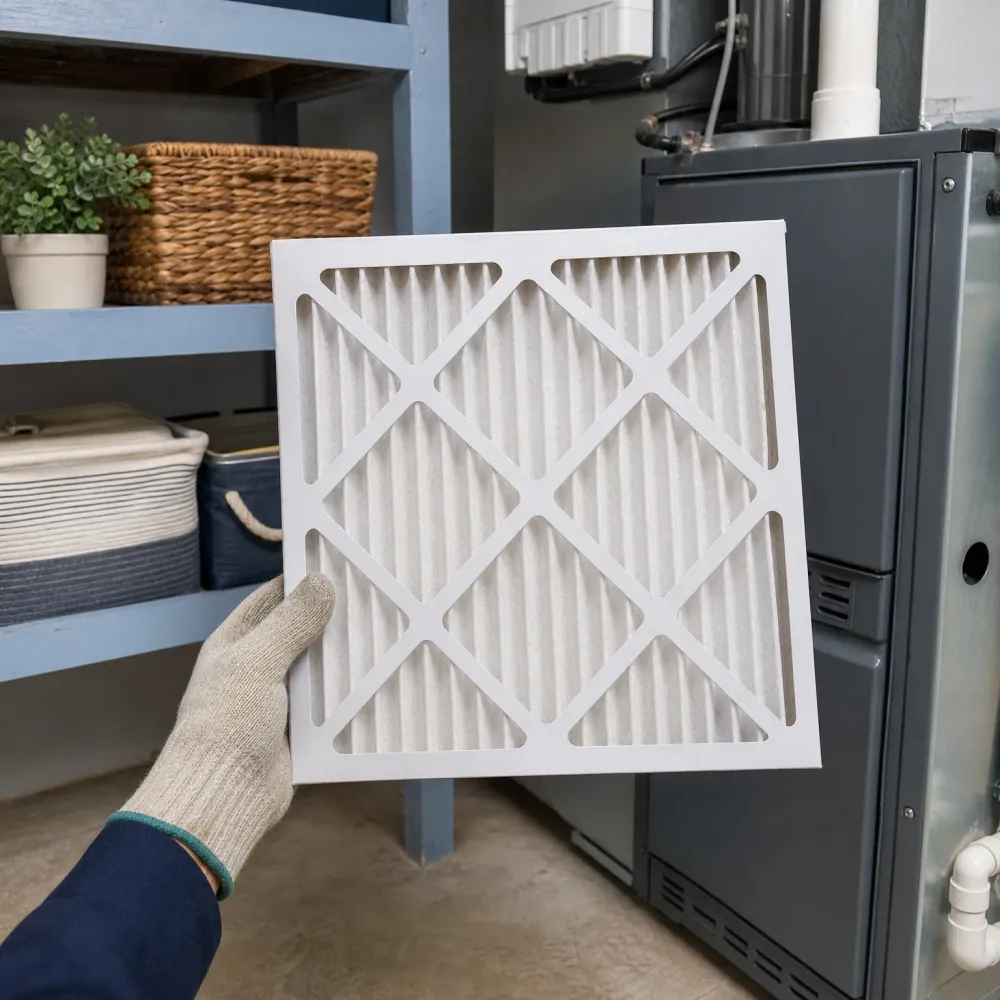
    A gloved hand holds a white pleated air filter in front of a gray furnace, with shelving holding a potted plant and storage baskets at left.
  • Fast, strong heat on demand

    The air coming from the vents feels genuinely hot. That's welcome on a freezing morning.

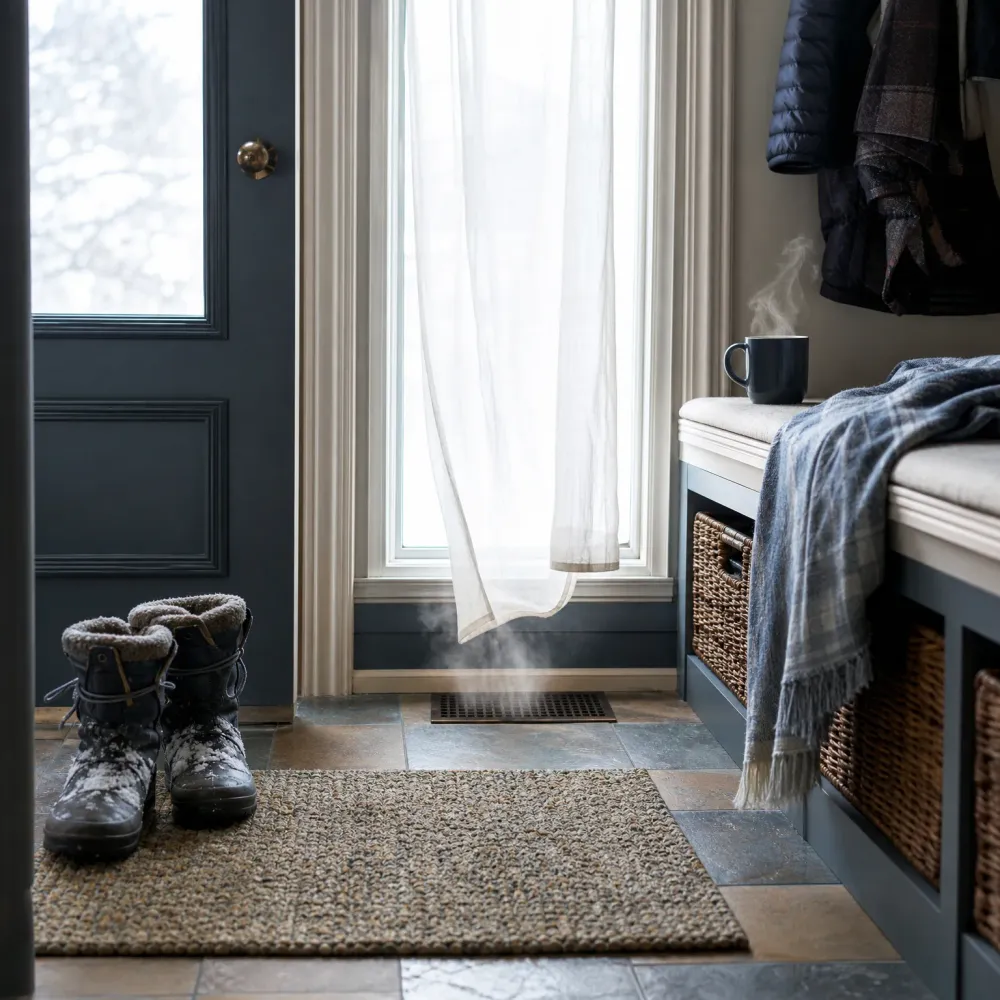
    A mudroom entry with snow-dusted winter boots on a woven jute mat, a dark blue door with glass panel, a sheer-curtained window, a floor vent emitting visible steam, and a bench with wicker baskets, a gray plaid throw, and a steaming mug.

A heat pump fits Charleston's winters

Winters here are mild. The overnight low averages 41°F across December, January and February, and it only drops to freezing or below on about 17 nights a year. A heat pump struggles when the air outside gets very cold, but that's not what it has to work with here. Most nights all season, it's pulling heat from air well above freezing, which is the easy case for it.

That's also why the heat pump wins on running cost. It makes the same heat as a gas furnace for about 7% less, at $1.90 against $2.05 per 100,000 Btu, and the reason comes straight from the climate above. A heat pump loses ground on the coldest nights, when it has to lean on backup heat, but those nights are under a quarter of this heating season. The other three quarters are exactly where a heat pump runs cheapest.

The heat pump also matches how the year actually splits here. Heating runs about five months, November through March, but cooling runs six, May through October, with afternoons hitting 90°F or above on about 50 days a year. A furnace only heats. For the other seven months, it sits there doing nothing while a separate AC unit carries the house. A heat pump is already built to do both jobs, so it's working the longer part of the year, not the shorter one.
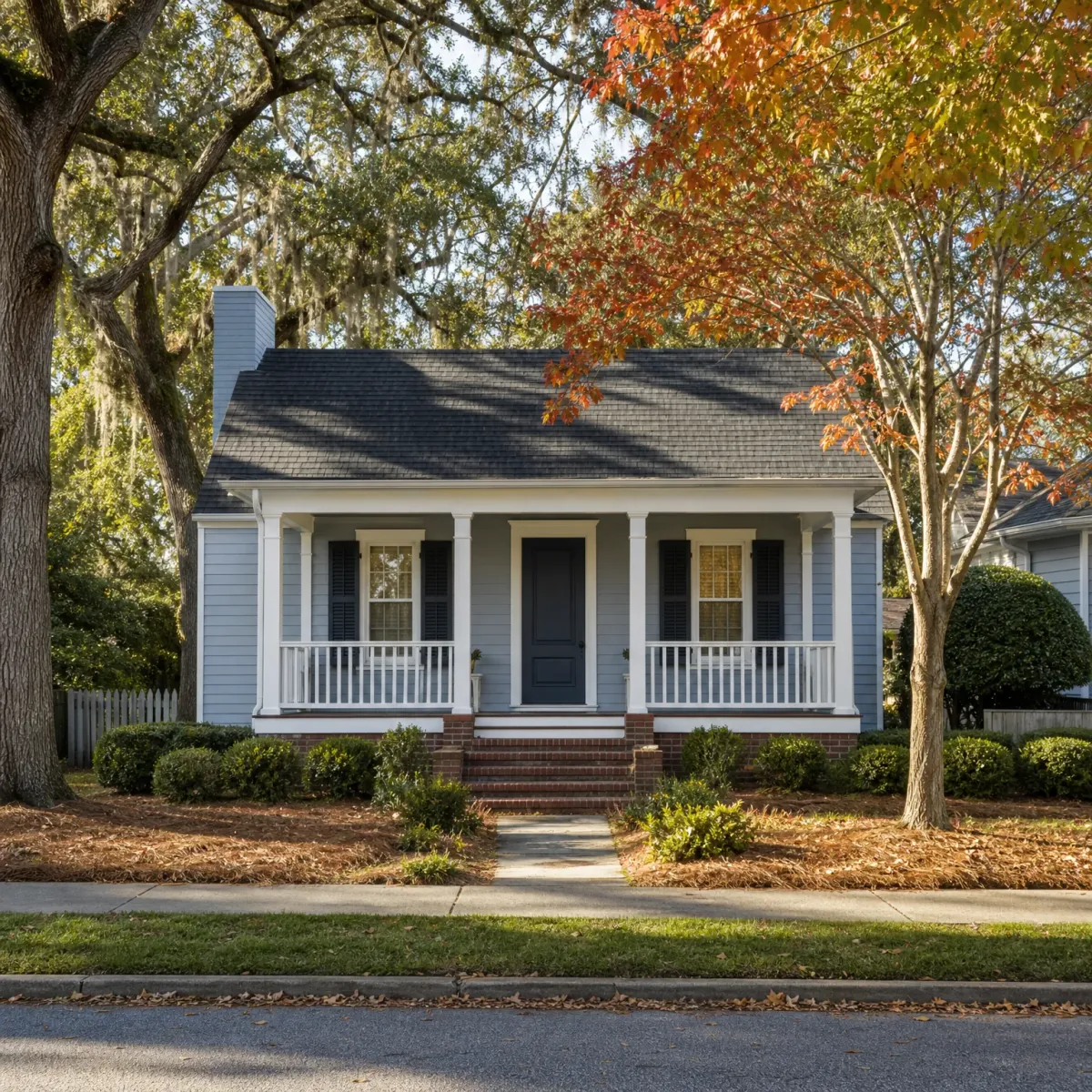
A small single-story light blue house with a white columned front porch, dark shingled roof, brick foundation and steps, set behind a lawn and sidewalk with large trees including one with orange autumn leaves.

What the furnace still has going for it

None of that makes a furnace the wrong choice. A gas furnace puts out hot air fast and holds that output no matter how cold it gets outside, which matters less here than in a harder winter, but it's still a real difference on the coldest nights. And a furnace pairs with any central AC, so the cooling side of the house is a separate, simple decision either way.

About one in five homes here heat with utility gas against three in four on electricity, so a furnace means joining the smaller group. That's not a reason by itself, but it's worth knowing before you commit to a gas line and a service plan built around it. If a furnace is already what your house has, or you'd rather have strong heat on demand and don't mind running a separate AC, that's a reasonable way to go. If you're deciding fresh, the climate and the running cost both point the other way.

Sources: NOAA nClimDiv · NOAA 1991–2020 seasonal normals · EIA SEDS 2024 · 10 CFR 430.32 · Census ACS 2020–2024

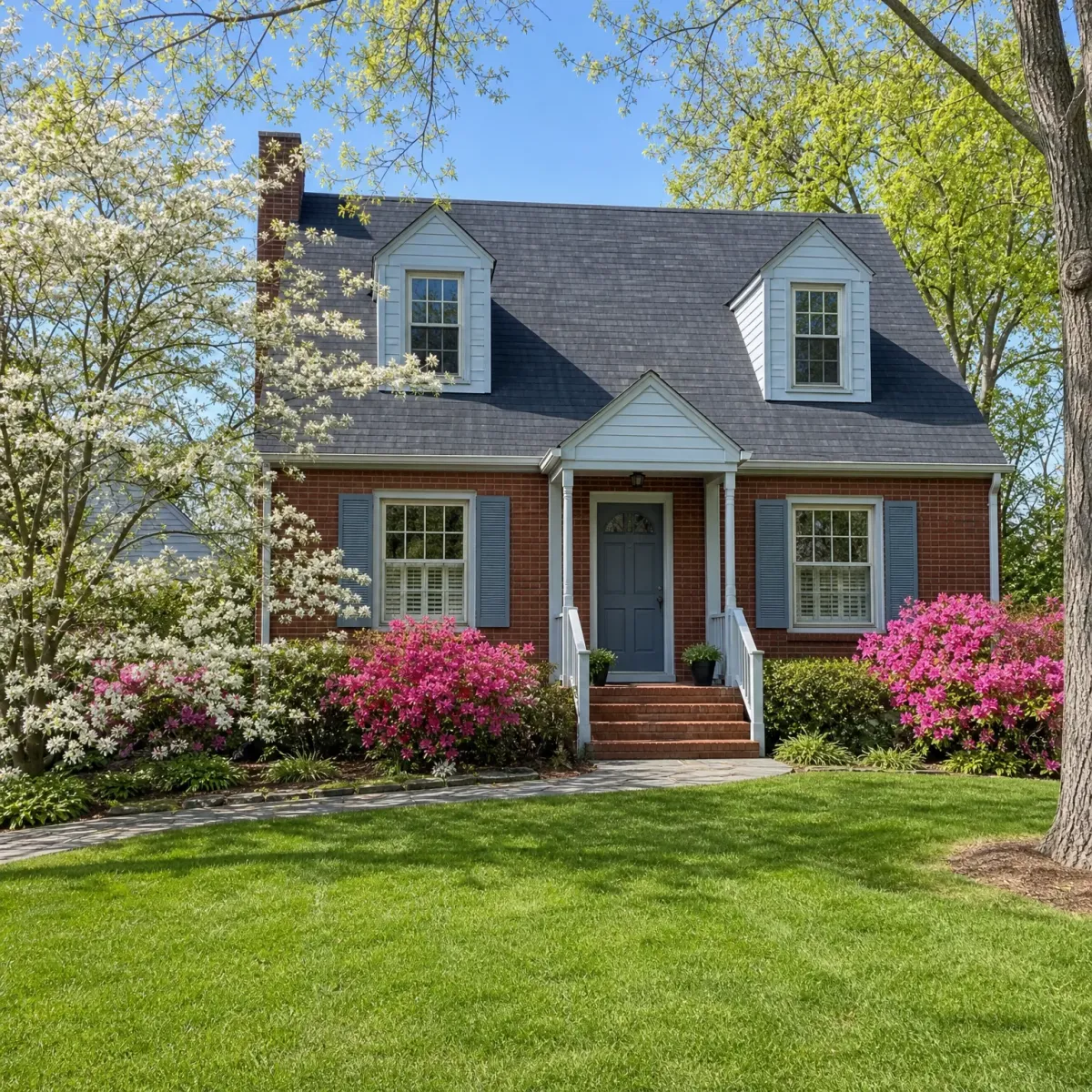
A red brick Cape Cod style house with two dormer windows, blue-gray shutters and front door, flanked by blooming pink azaleas and a white-flowering tree, with a mown green lawn in front.

Common questions about heat pumps and furnaces

  • Will a heat pump keep my house cool enough here?

    Yes. A heat pump is also an air conditioner, and that is the bigger job here since cooling runs six months a year against five for heat. Afternoons reach 90°F or higher on about 50 days a year, and a heat pump built to the federal minimum is sized to cover exactly that kind of cooling season.

  • Can I keep my furnace and add a heat pump?

    Yes, and in Charleston County it works out well. The heat pump handles heating on the many nights that stay above freezing, where it runs cheaper than the furnace, and the furnace can take over on the roughly 17 nights a year that drop to 32°F or colder. The furnace also still pairs with central AC for the six-month cooling season, so it keeps a job the other seven months of the year.

  • What if my house doesn't have a gas line?

    A heat pump is the straightforward choice. It runs on electricity alone, so there is no line to run and no tank to fill, and electricity already heats three in four homes in Charleston County. Propane or oil furnace heat is still possible, but it costs more to set up and run than a heat pump does.

  • Is a heat pump cheaper to run than a furnace in Charleston County?

    Yes, a heat pump costs less to run here. It makes the same heat for about $1.90 per 100,000 Btu against $2.05 for a gas furnace, because South Carolina's electricity price works in its favor at the federal minimum efficiency for each machine. Charleston's mild winters help too: a heat pump gives up its efficiency edge in the coldest weather, and only about 17 nights a year here drop to freezing or below.