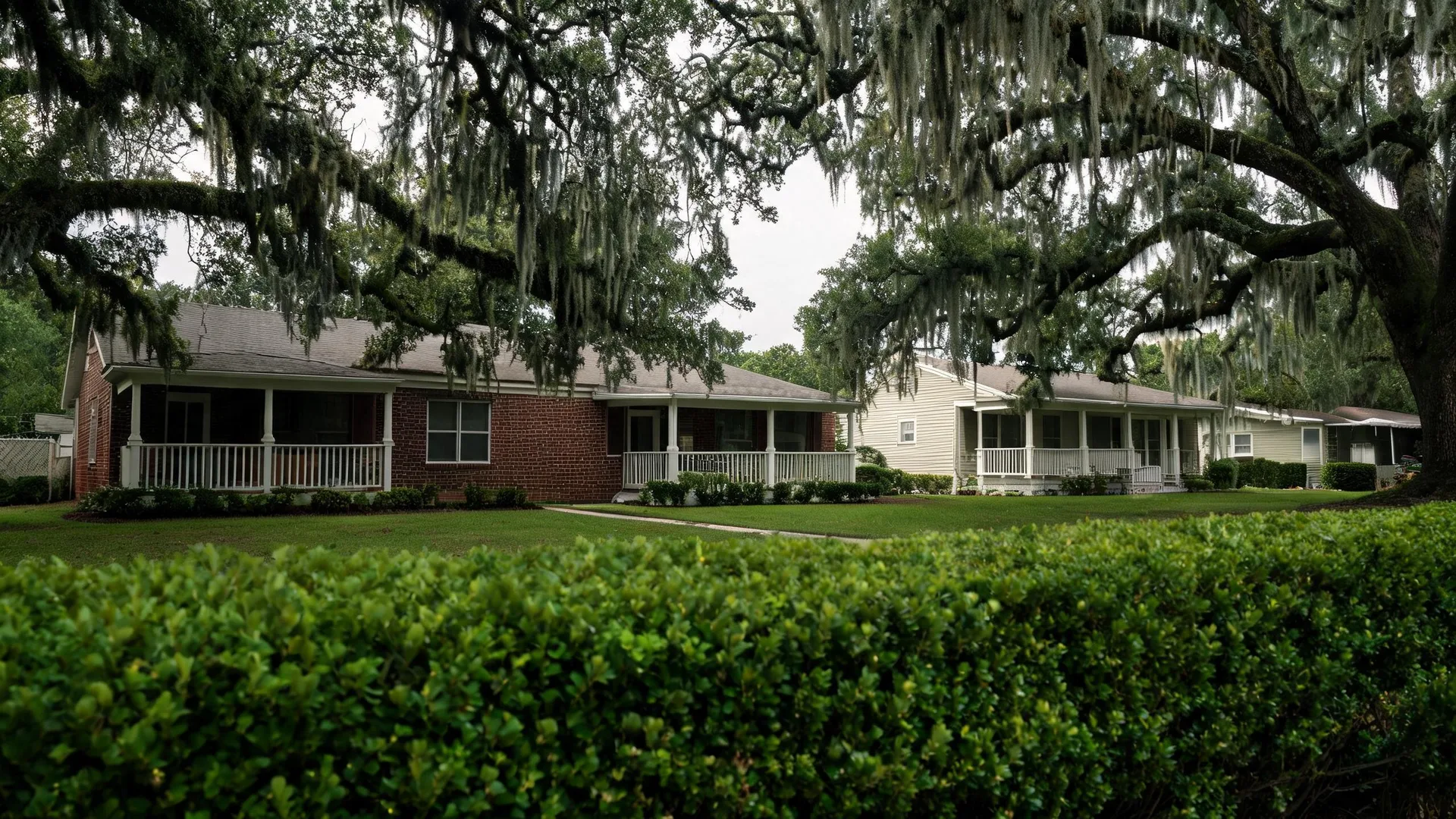





A row of single-story houses with covered porches, the nearest clad in red brick, seen behind a trimmed hedge and lawn beneath large moss-draped oak branches.

Furnace Installation in Aiken, SC

Tell us about the job

Takes about a minute. No obligation.

New system or replacementFurnace or heatingAiken County, SC
Step 1 of 2

What ZIP code is the job in?

The furnace itself is only part of what you're paying for. Size matters most. A furnace that's too big for the house will short cycle, turning on and off instead of running a steady, even heat, and that wears out parts faster. One that's too small runs constantly and never quite keeps up. Getting the size right means a contractor has to look at the house, not just swap in whatever was there before. The other big factor is the ductwork. If the existing ducts are undersized, leaky, or routed poorly, a new furnace still has to push air through them, and fixing that work costs more than the furnace swap alone. Venting matters too. Where the exhaust has to run and how it ties into the chimney or an outside wall changes what the job involves.

5 months
November through March, your furnace is on duty
36°F
the average winter night it heats against
80% AFUE
the federal minimum any new unit must meet
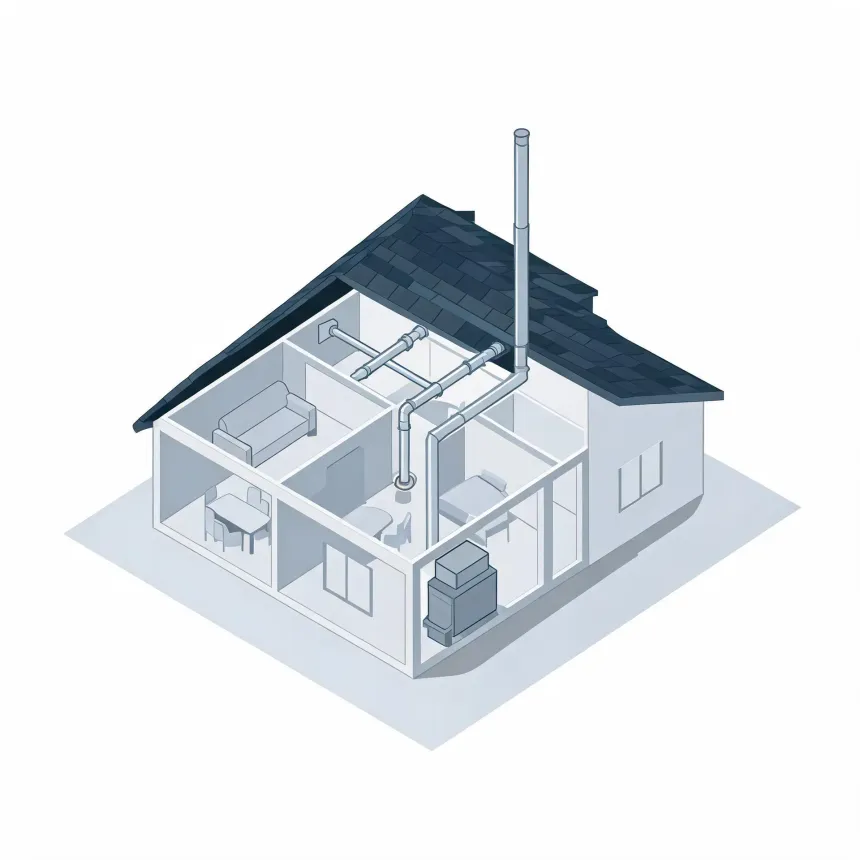
Isometric cutaway illustration of a single-story house showing interior rooms with furniture, ductwork and piping running to a tall vertical flue through the dark shingled roof, and a furnace-like appliance unit on the floor.
Your furnace works hardest from November through March.

NOAA nClimDiv, 1991–2020 normals

Most homes in Aiken County heat with electricity, not gas.

A straight furnace swap is rare here, so the install has to account for that from the start.

Five months of heat, starting in November, leaves October to get it done

Heat runs November through March
Winter nights average 36°F
Climate zone 3A
A furnace that won't work hard hereHeat runs five months here, November through March, with overnight lows near 36°F

Nothing about Aiken calls for a bigger or pricier furnace than you'd put in anywhere else. Electricity here runs $41.71 per million Btu, and that figure holds across the state, not just this county. A correctly sized, standard-efficiency furnace is the right call. Sizing up doesn't buy you anything if the house doesn't need it. What keeps the running cost down is a contractor sizing the unit to the home, not to the budget.

Set on a furnace that meets Aiken's standard and your budget

Any furnace installed here has to meet 80.0 percent AFUE at minimum, and that holds until December 2028, when the bar moves to 95.0 percent. Zone 3A's mild winters don't call for anything beyond the standard unit built to that rule. A federal tax credit is available on qualifying equipment, worth factoring in before you settle on a system.

Find a contractor
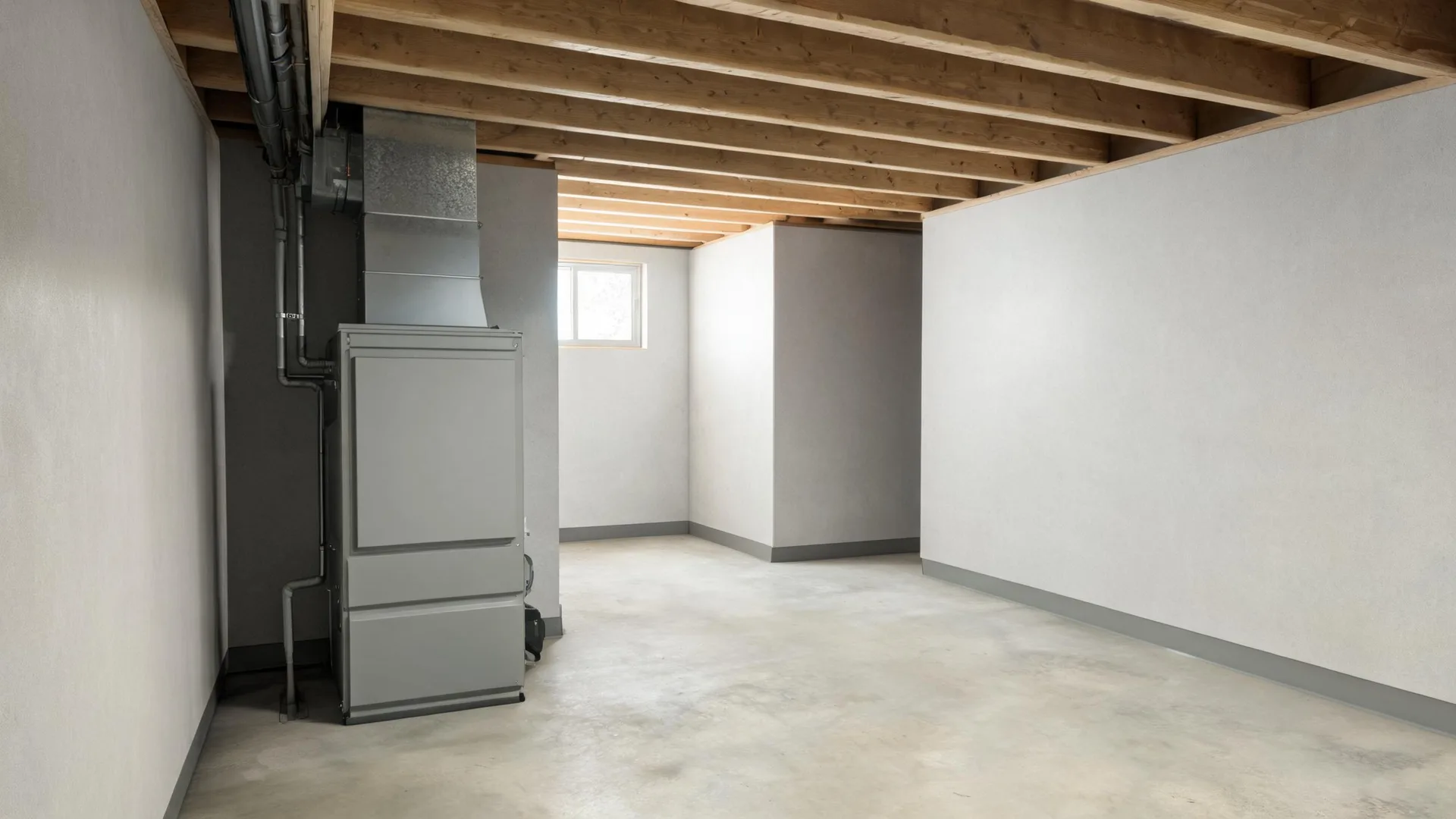
A gray high-efficiency gas furnace installed in an unfinished basement, surrounded by gas lines, a condensate drain, and sheet-metal ductwork.

Five months a year is a light schedule

Five months of real duty, and even then the coldest nights only average 36°F. That's not a system working near its limit. When you're comparing quotes, let that guide you away from anything pitched as heavy duty or built for extremes. A standard unit sized right for the house will run fine for years under this kind of load.

AFUE tells you what's lost up the flue

The AFUE number is how much fuel turns into heat for the house versus how much goes out the vent. A furnace rated at the minimum still wastes a real share of what it burns. The rating doesn't change how big a furnace needs to be or how it should be sized to the house. It only tells you how much of what it burns actually heats the place.
A higher rating costs more before it saves anything

Furnaces built past the minimum AFUE use a different heat exchanger and venting setup to pull more heat out of the exhaust before it leaves. That hardware costs more up front. Whether it's worth it depends on how many hours a year the furnace actually runs, not on the rating alone.

Sizing a furnace starts with a load calculation, not a tape measure on the old unit. A contractor works out how fast the house loses heat by looking at square footage, insulation, window area, and how many walls and ceilings face the outside. That number, not the size of the furnace already in the closet, is what the new one gets matched to. Skip this step and you're just guessing, and a guess tends to run big because nobody wants to be blamed for a furnace that can't keep up. But bigger isn't a safety margin here. It's the thing that causes short cycling, uneven rooms, and a furnace that wears out before it should.

Installation day starts with pulling the old furnace out. The old venting usually comes out with it, since a new furnace rarely matches the one it's replacing. The gas line and venting get pressure tested before anything is lit. A leak caught after the furnace is buttoned up means pulling it back out to fix. Once the new unit is set and connected to the ducts, a contractor checks static pressure in the duct system and measures the temperature rise across the furnace. That confirms it's running the way its specs say it should, not just that it turns on. A furnace can fire up fine and still be short cycling or running hotter than it should, and that only shows up if someone checks. The last part of the job is sealing the duct connections tight and setting the thermostat to match the new equipment. Skip that and the furnace runs, but not the way it was sized to.