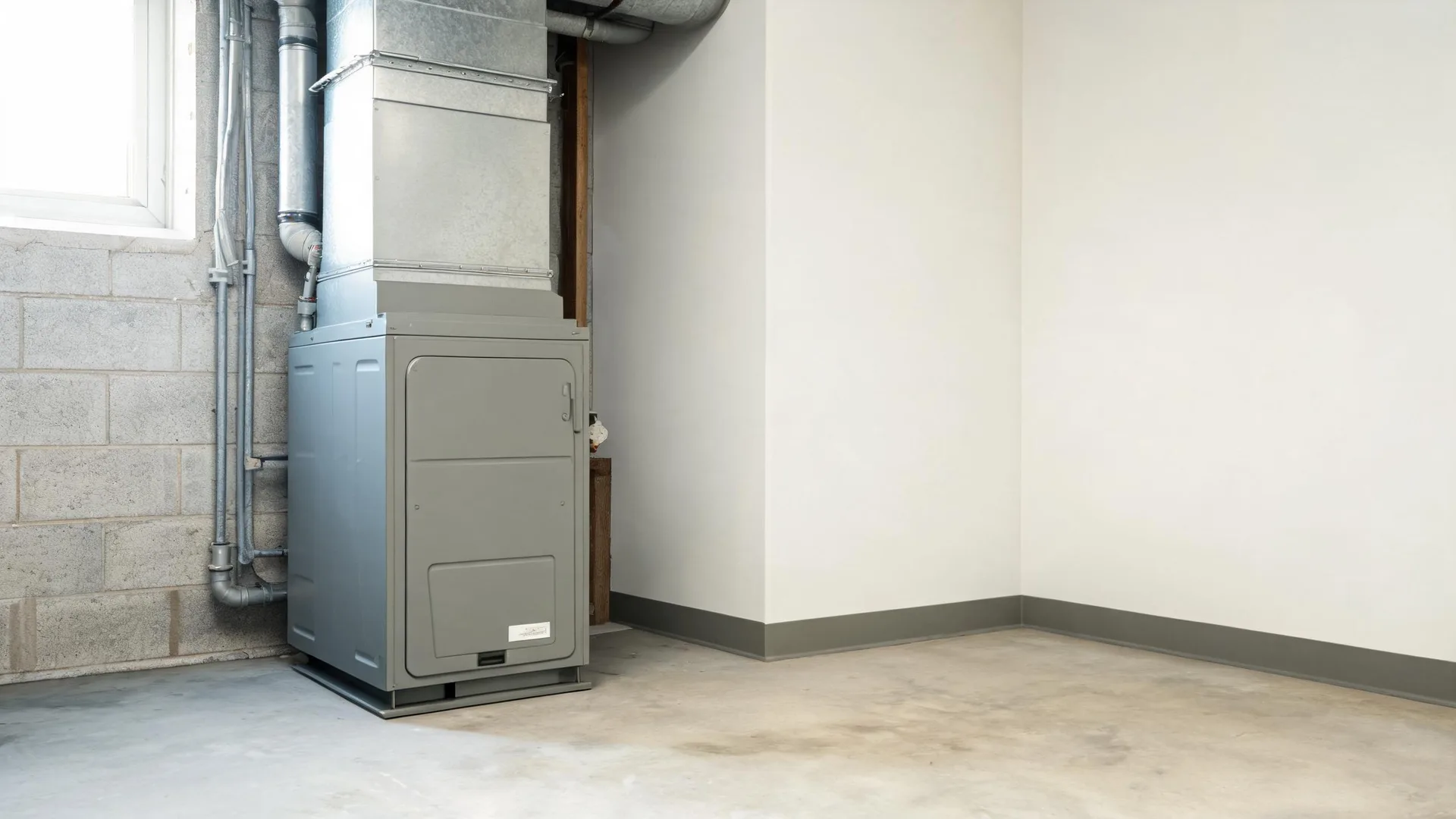
An unfinished concrete basement containing a gas furnace with sheet-metal ductwork, utility shelving, and exposed overhead joists.

Furnace Installation in Goose Creek, SC

Tell us about the job

Takes about a minute. No obligation.

New system or replacementFurnace or heatingBerkeley County, SC
Step 1 of 2

What ZIP code is the job in?

Ask for a load calculation, not a guess off the old unit

A contractor should measure the house, the windows, and the insulation, and size the furnace to that. Matching the new furnace to the one coming out just carries over whatever sizing mistake was already there, and a furnace that's too big will short cycle instead of running a steady, even heat.


Ask what happens to the ductwork

The furnace is only part of the job. If the ducts are leaky, crushed, or undersized for the new unit, the house won't heat evenly no matter how good the furnace is. A straight answer here tells you whether the quote covers the whole job or just the unit itself.

5 months
November through March, your furnace is on duty
38°F
the average winter night it heats against
80% AFUE
the federal minimum any new unit must meet
Isometric cutaway illustration of a house with a shingled gable roof, showing a gray furnace unit connected to overhead ductwork and a chimney flue, with simplified furniture in the rooms below.
Your furnace works hardest from November through March.

NOAA nClimDiv, 1991–2020 normals

Furnaces in Goose Creek start running in November.

Get yours installed in October and it's broken in before the first cold night, not during it.

Most homes here run on electric heat already

77.2% of homes heat with electricity
Heat runs November through March
Winter nights average 38°F

Furnace efficiency is stamped on the label as an AFUE rating, and it tells you how much of the fuel burning in the unit turns into heat for the house versus what goes straight out the flue. A furnace with a lower rating still heats the house fine, it just sends more of what it burns outside unused. A furnace with a high rating wrings more heat out of the same fuel before venting, and that calls for different venting altogether, usually a sealed intake and exhaust run in plastic pipe instead of a metal flue. That changes what the install involves, not just which unit shows up on the truck. A higher-rated furnace costs more to buy, and a contractor should be able to walk you through whether that extra cost is worth it for a house like yours.

A standard furnace, sized right, is the correct call here

Electricity runs $41.71 per million Btu in South Carolina. That number doesn't call for an oversized furnace or a premium efficiency rating to make the cost work. A correctly sized, standard-efficiency furnace heats the house fine and costs what it costs to run. Get the load calculation done and the ductwork checked, then get it installed.

Find a contractor
A gray gas furnace with attached ductwork and piping installed in an unfinished concrete basement.

Five months a year, and nights that stay above freezing

Five months of heat a year, and overnight lows averaging 38 in the coldest stretch. That's a mild load. A furnace sized right for this house won't be pushed hard to keep up, so there's less here to wear it down early. Most of what shortens a furnace's life is a bad install or years of a dirty filter, not the weather asking too much of it.

The old furnace gets disconnected and hauled out

The gas line gets capped, the flue gets disconnected, and the old unit comes out before the new one goes in. If it's a gas furnace, the gas line gets pressure tested after the new unit is connected, not just hooked up and left. A contractor should include this in the quote, since hauling off the old equipment is part of the job, not an extra.

The new furnace may need a different vent

An old standard furnace vents through a metal flue. If the new one is higher efficiency, it vents through plastic pipe instead, run to an outside wall rather than up through the roof. That means the old flue either gets capped off or gets reused for something else, like a water heater still using it. Ask what happens to the flue once the furnace stops using it, since an open, unused flue is a path for outside air into the house.

Sizing a furnace comes down to how fast the house loses heat, not how big the house is. Square footage alone tells you almost nothing, since houses the same size can lose heat at very different rates depending on window area, ceiling height, and how much wall faces outside. That's why a load calculation walks room by room instead of taking a shortcut off total square feet. A furnace sized too big for the heat loss hits the target temperature fast, shuts off, and starts again a few minutes later, and that short cycling wears the igniter and the blower motor harder than a longer, steady run ever would. One sized too small just runs without catching up on the coldest nights. The right size is the one that matches the house closely enough to run long, even cycles through the winter.

Installation day starts with the old furnace coming out and ends with a startup check on the new one, and most of what happens in between is airflow and venting work, not just setting a box in place. The furnace gets connected to the existing ductwork, the gas line or electrical circuit gets hooked up, and if it vents through plastic pipe that run gets sealed at every joint, since a leak in the intake or exhaust is a safety issue, not a minor fix later. Once it's connected, a contractor checks gas pressure, confirms the blower is moving the right amount of air, and lets the system run a full cycle to see that it heats and shuts off the way it should. The thermostat gets set up last, after the system has proven it runs clean. None of this takes long compared to how long the furnace needs to last, and skipping any of these steps is what turns up later as a furnace that short cycles or never quite heats the house evenly.