Single-story brick and white-sided houses behind a trimmed hedge and lawn, framed by overhanging oak branches draped with Spanish moss under an overcast sky.

Furnace Installation in Myrtle Beach, SC

Tell us about the job

Takes about a minute. No obligation.

New system or replacementFurnace or heatingHorry County, SC
Step 1 of 2

What ZIP code is the job in?

This county sees serious weather

Horry County logged 211 severe weather events between 2015 and 2024. Damaging wind and hail make up most of that count, with tornadoes and hurricanes in the mix too. An outdoor furnace vent or intake can take a hit in weather like this.

Plan for the furnace to lose power

Nearly half of South Carolina households went at least 24 hours without power in 2024. A furnace needs electricity to run its blower and controls, even with gas or propane feeding it. When the power goes, so does the heat, until it comes back on.

5 months
November through March, your furnace is on duty
37°F
the average winter night it heats against
80% AFUE
the federal minimum any new unit must meet
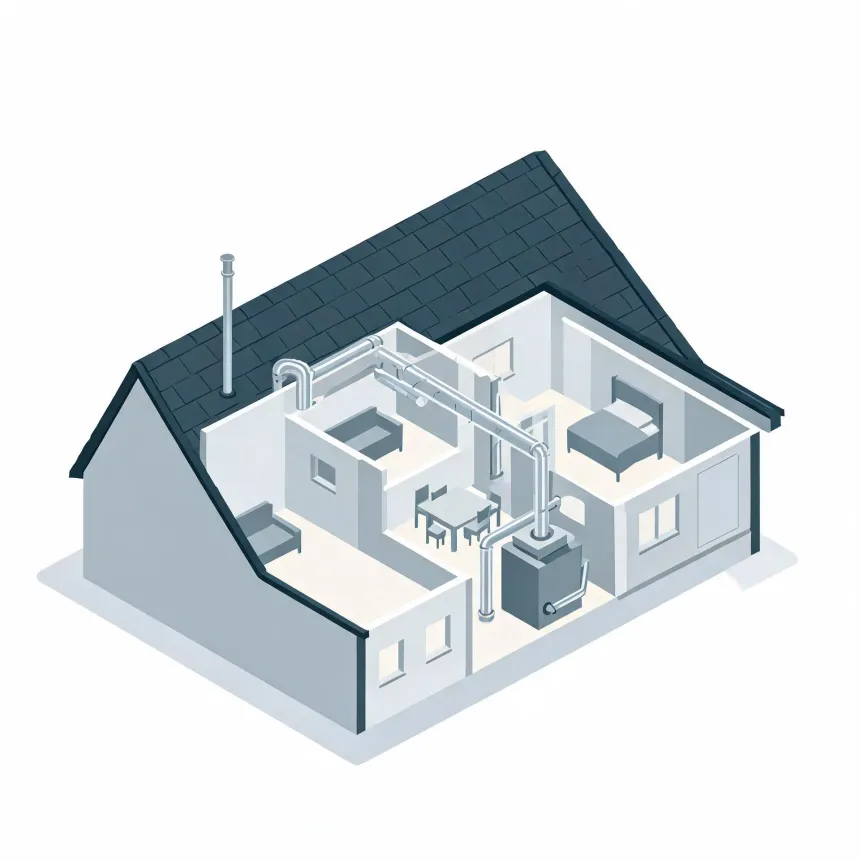
Isometric cutaway illustration of a single-story house with a dark shingled roof, showing interior rooms with furniture and a ducted furnace unit connected to metal ductwork and a roof flue.
Your furnace works hardest from November through March.

NOAA nClimDiv, 1991–2020 normals

Electricity heats 86.4% of the homes in Horry County, and gas furnaces still need power to run the blower and controls.

If a straight electric furnace replacement is the plan here, check how it holds up when the power drops along with everything else in the house.

Five months of light duty means the furnace doesn't need to be the top-tier model

Heat runs November through March
Winter nights average 37°F
Climate zone 3A

Five months of heat a year is light work for any furnace, and that changes what matters when you pick one. A mid-range unit sized right for the house will keep up fine, cycle on and off without strain, and last as long as a premium model would under this kind of use. Put the money saved into the installation itself, the load calculation, the duct check, the startup test, rather than a higher efficiency tier the house won't run long enough to pay back. Reliable and correctly sized beats top-of-the-line here.

Pick reliable, not top of the line

It won't be worked hard here, so pick a reliable system that fits. You don't need the top efficiency model.

Find a contractor
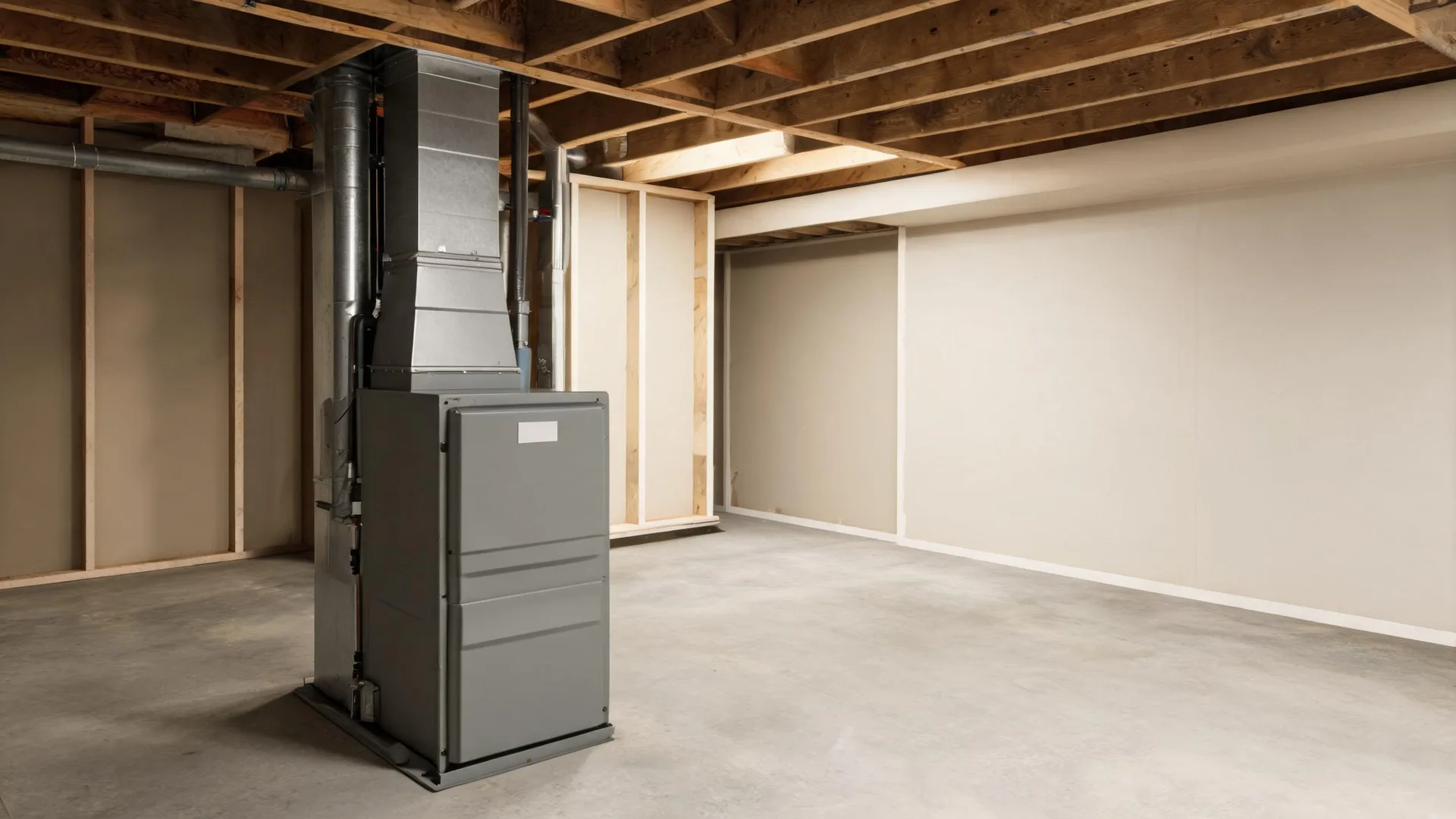
A gray residential gas furnace installed in an unfinished basement, connected to sheet-metal ductwork and PVC pipes.

Get it in before November

Furnace season here runs November through March, about five months. October is the month to get the new unit in and tested, before the house needs it. Installing on a deadline usually means taking whatever is in stock and whatever appointment is open. Installing in October means the contractor can size it to the house properly and the reader can check the work before it matters.

Ask for a load calculation, not a guess

A furnace sized off the old unit or a square footage chart alone can end up wrong for the house. A proper load calculation looks at insulation, window area and layout before naming a size. Too big and the furnace short cycles, heating the air fast and shutting off before it runs long enough to stay even. Too small and it runs constantly without catching up.

Ask what happens to the old ductwork

A new furnace moving air through old, leaky or undersized ducts won't perform the way the rating on the box suggests. Ask whether the ducts were inspected as part of the quote, not added on after something turns up. A contractor who checks the ducts before quoting is pricing the job that's actually there.

The old furnace gets disconnected from the gas or electric supply and the ductwork, then it comes out, usually in pieces if it's too big to carry whole. A licensed contractor handles the gas line or electrical disconnect, not a hauling crew. If the furnace runs on gas, the line gets capped off safely before anything is unhooked. Old refrigerant or combustion byproducts don't come into play with a furnace swap the way they would on an AC changeout, but the vent pipe or flue connection still has to be sealed properly once the old unit is gone so nothing drafts back into the house. Most contractors haul the old unit away as part of the job. Ask before the work starts, not after, since a few will leave it behind and expect the homeowner to arrange disposal.

Once the old furnace is out, the new one gets set in place and leveled before anything is connected. The gas line, the electrical, and the vent or flue all tie in next, and each joint gets checked before it's sealed up. The ductwork connects to the plenum, and any gaps there get sealed too. A loose seam right at the furnace leaks air before it ever reaches a room. Then comes startup. The contractor fires it up, checks the gas pressure or electrical draw, and watches the temperature rise through a full cycle. A combustion analyzer or amp meter shows whether it's running the way the manufacturer specs say it should, not just whether it's blowing warm air. Before the contractor leaves, the furnace should cycle on and off on its own at least once. That proves the thermostat and controls are talking to it correctly.