Heat pump vs furnace in Horry County, South Carolina

A person in a blue shirt reaches up to adjust a round black thermostat on a dark blue-gray wall, with a tool bag of screwdrivers in the foreground and a living room with a white sofa visible beyond.

Tell us about the job

Takes about a minute. No obligation.

New system or replacementHorry County, SC
Step 1 of 3

What kind of equipment?

Which costs less to run in Horry County?

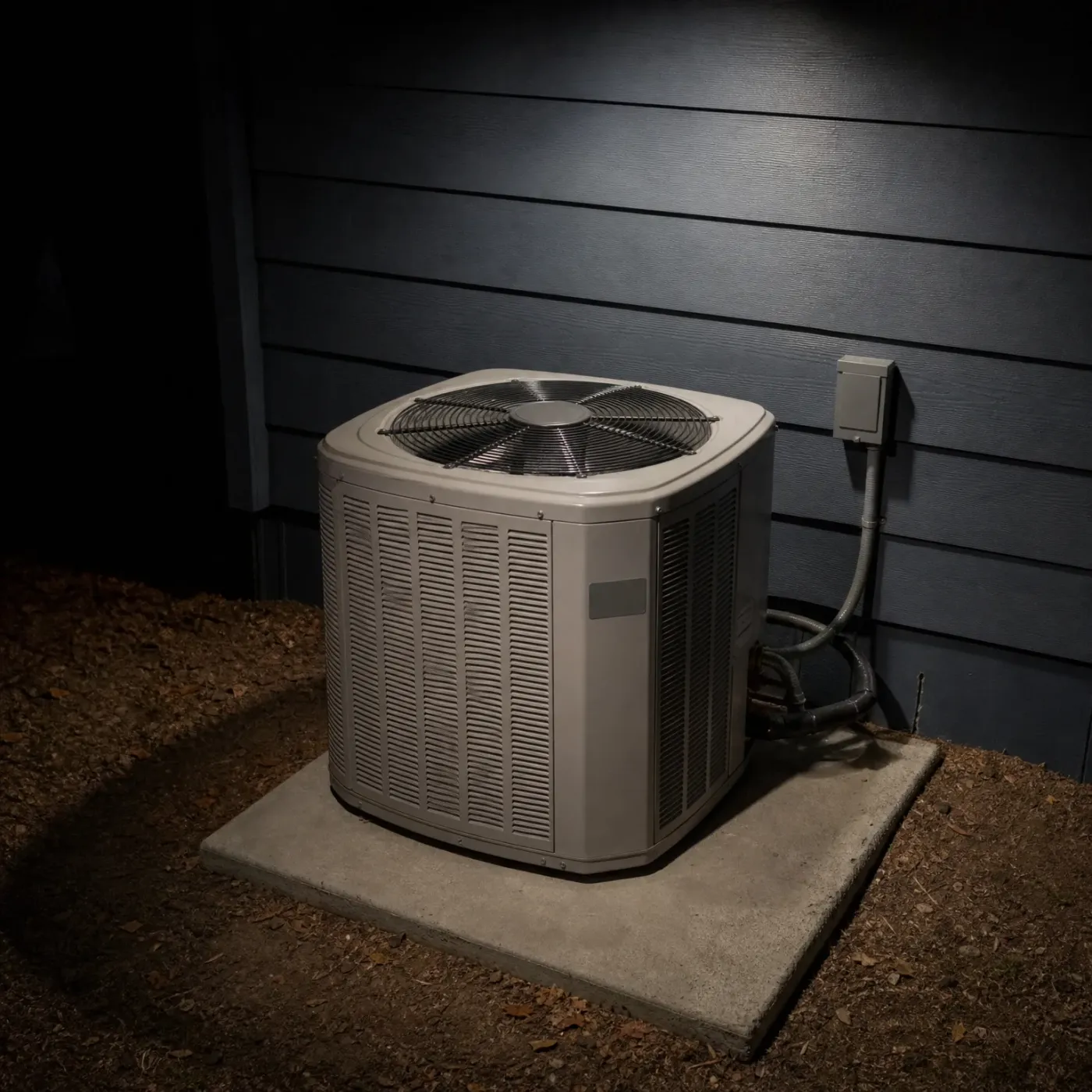
An outdoor condenser unit on a concrete pad beside a dark blue horizontal lap-sided wall at night, with a wall-mounted disconnect box and refrigerant lines entering the wall, surrounded by bare soil and mulch.

Heat pump

To heat your home here$1.90per 100,000 Btu

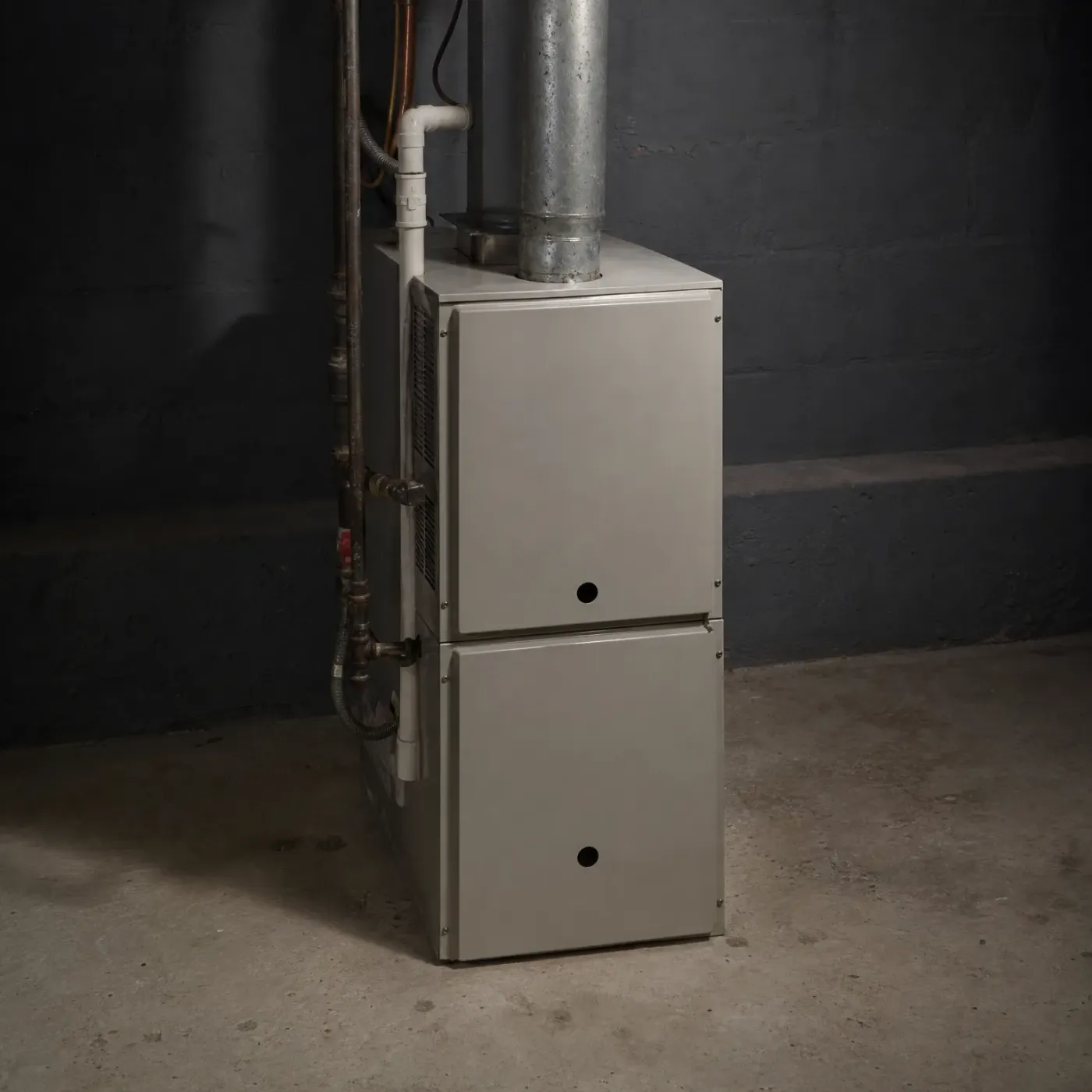
A beige two-panel gas furnace stands on a concrete floor against a dark painted block wall, with a metal flue pipe rising from its top and copper and PVC pipes running alongside.

Furnace

To heat your home here$2.05per 100,000 Btu

At South Carolina's gas and electricity prices, a heat pump makes the same heat as a gas furnace for about 7% less.

Btu stands for British thermal unit, the standard measure of heat energy.

Where does a heat pump shine?

  • Made for mild winters

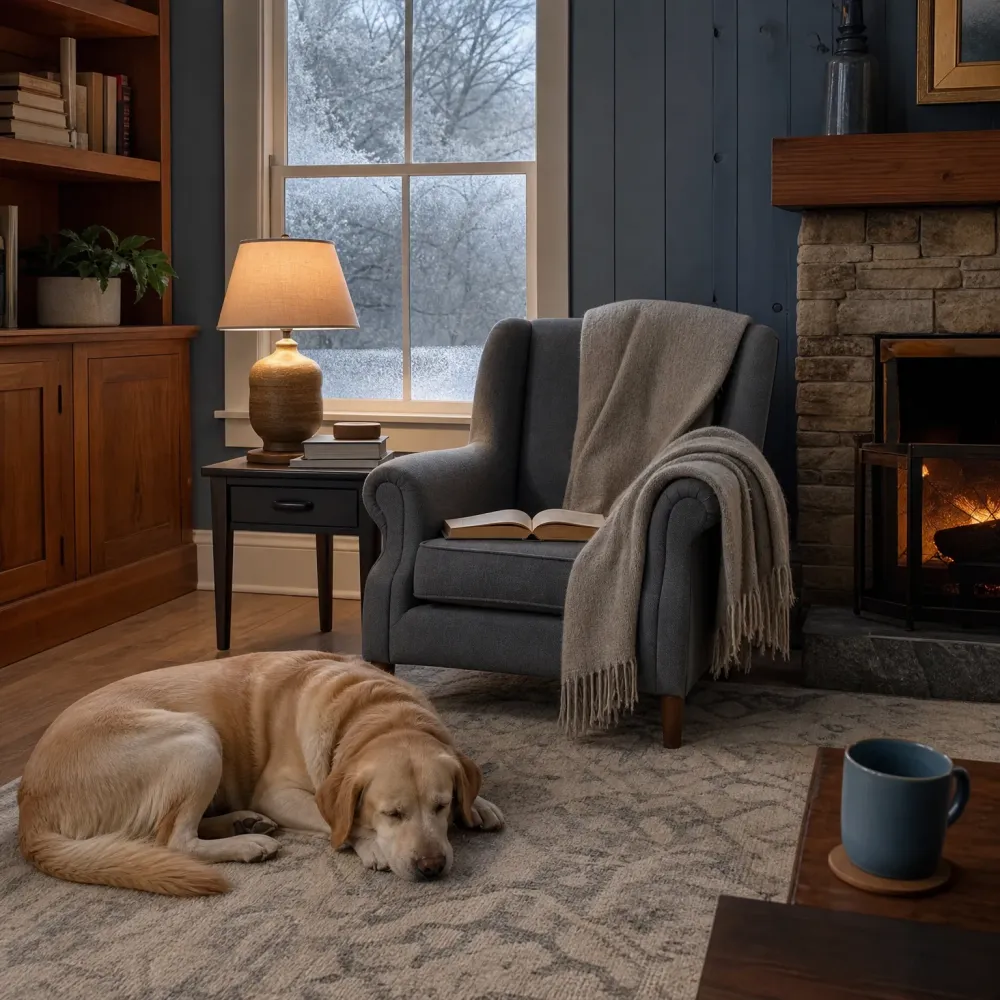
    Overnight lows in Horry County only average 37°F through December, January and February. A heat pump handles that on its own, without leaning on backup heat to get through the night.

    Front entry of a dark blue-gray clapboard house with white trim, a covered porch with columns and railings, a gray paneled door flanked by two lit lanterns, steps leading down to a stone walkway, frost-covered grass, boulders, and a water view with low hills at left.
  • Covers a long cooling season

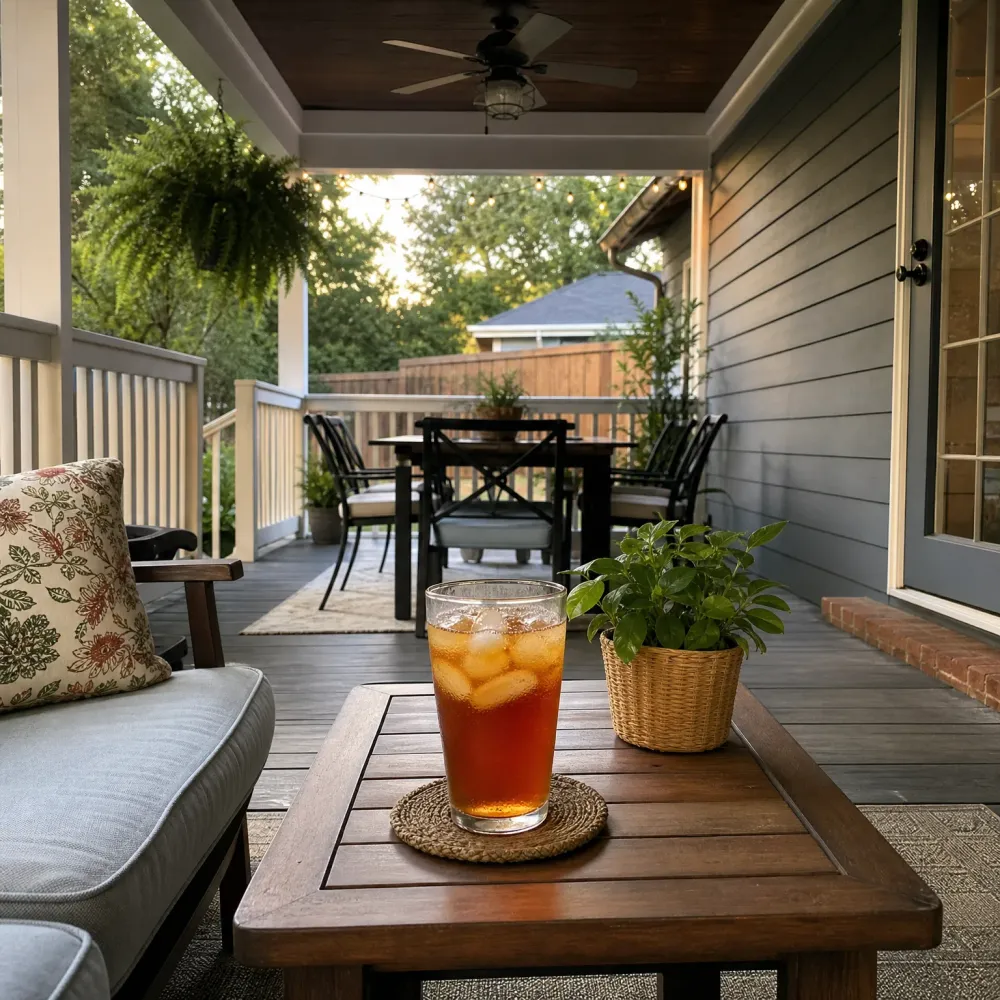
    Cooling runs May through September here. A heat pump handles both sides of that, so it stays in use most months of the year instead of sitting idle once summer ends.

    A covered porch with a glass of iced tea on a woven coaster atop a wooden table, a potted green plant in a wicker basket, a cushioned sofa with a floral pillow, and a dining set with black chairs near a white railing.
  • Steady, even comfort

    It eases up and down with the weather. There are fewer swings between too warm and too cool.

    A yellow dog sleeps on a patterned rug in a living room with a gray wingback armchair holding an open book and a draped throw, a lit table lamp beside a window showing snowy trees, and a stone fireplace with a burning fire at right.

Where does a furnace shine?

  • Pairs with any central AC

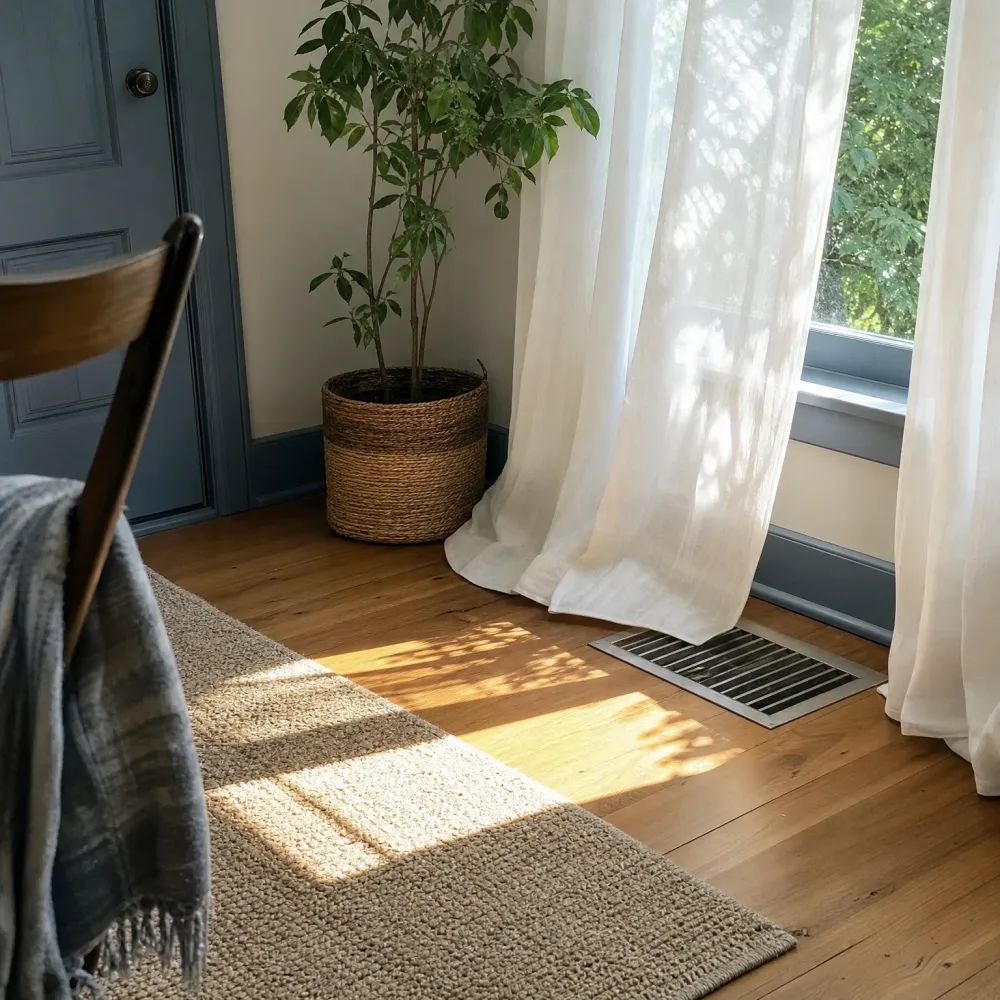
    Most central air systems are built around a furnace. The two share the blower, the ducts and the thermostat.

    A sunlit room corner with wood flooring, a floor air vent, a woven area rug, a potted plant in a wicker basket, sheer white curtains at a window, a blue door, and a wooden chair draped with a gray blanket.
  • Proven, simple, easy to get serviced

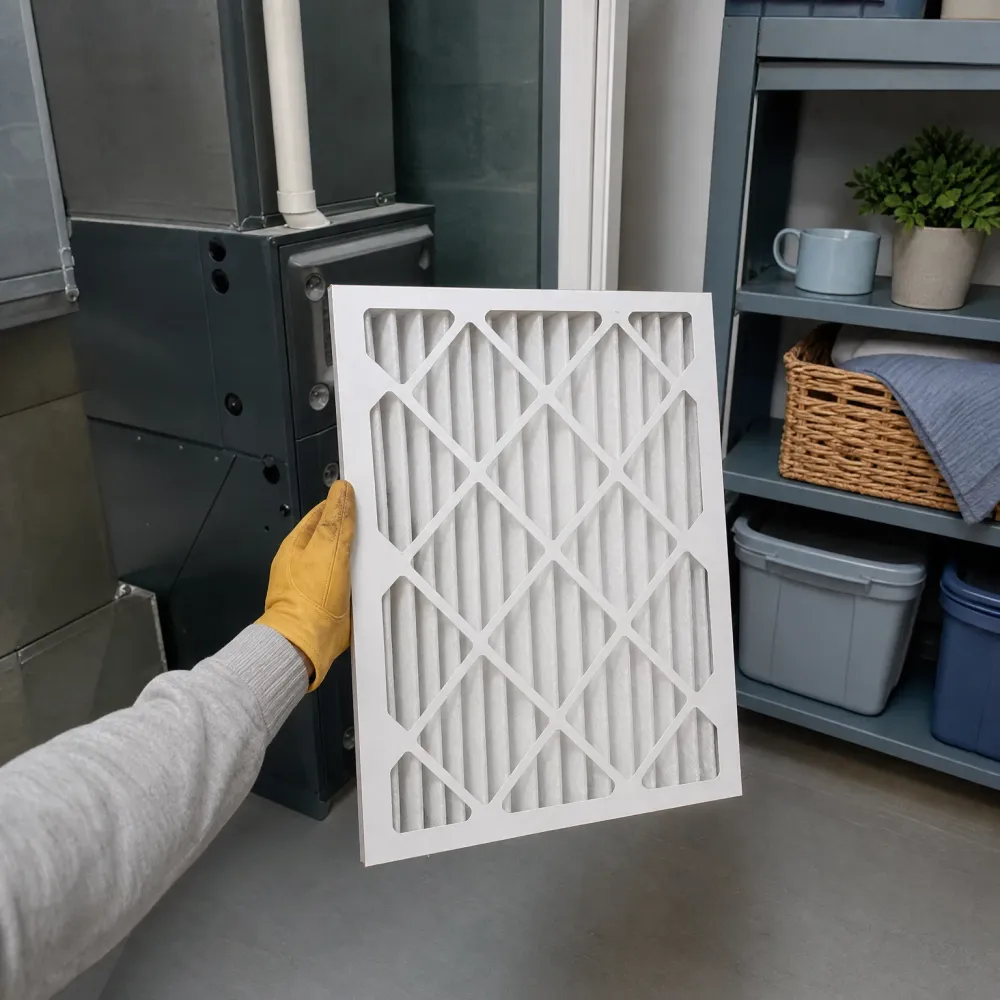
    Parts are easy to find and most repairs are routine. Getting one fixed rarely means waiting on a specialist.

    A gloved hand holds a clean pleated air filter in front of a furnace unit, with a shelving rack holding a mug, potted plant, basket, and storage bins at right.
  • Fast, strong heat on demand

    A furnace pushes out hot air within minutes of switching on. A cold house warms up fast.

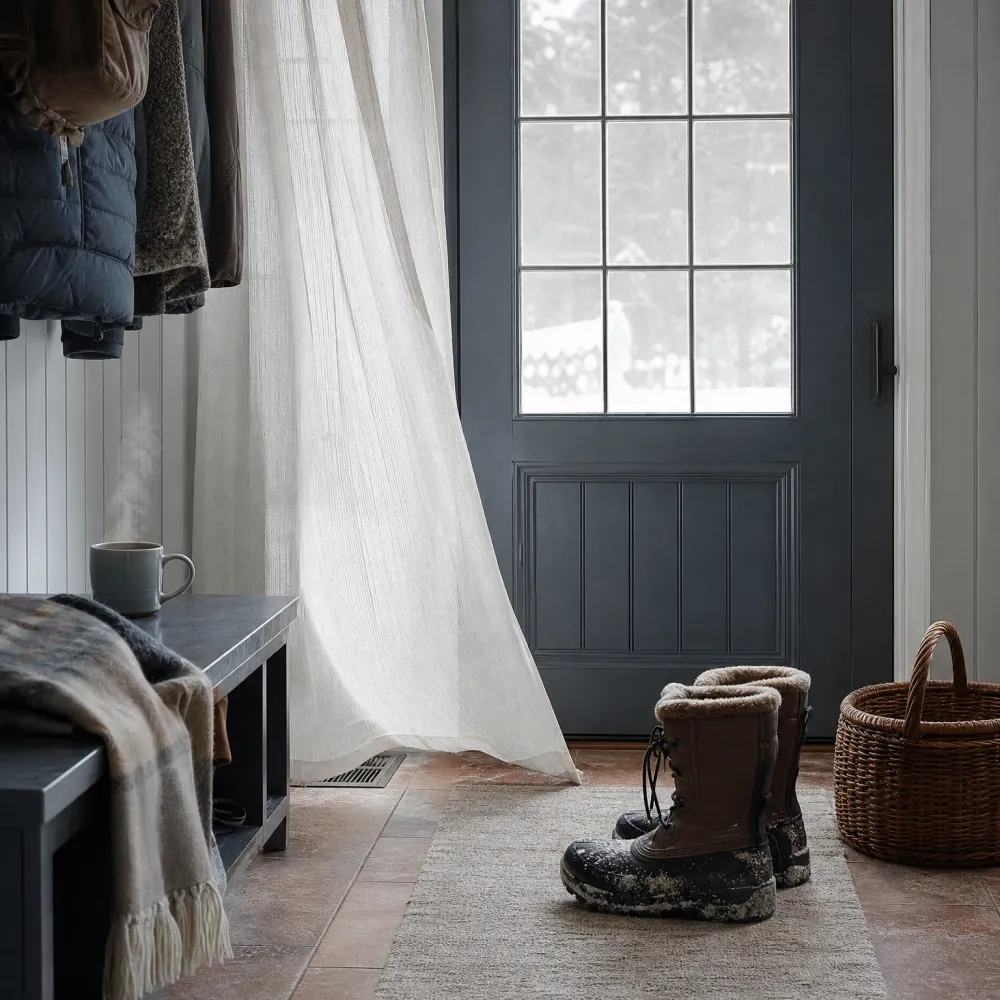
    An entryway with a dark glazed door showing snow outside, a sheer curtain, coats on hooks, a dark bench with a fringed blanket and mug, a wicker basket, and a pair of snow-covered brown winter boots on a rug over tile.

Winters here don't ask much of a heat pump

Heat runs about five months in Horry County, November through March, and the overnight low averages 37 degrees across December, January and February. A heat pump does its best work in that range. It only strains when the air gets near freezing, and that happens on about 40 nights a year here, out of roughly 150 nights in the heating season. Most nights fall above that line.

The running cost backs this up. A heat pump built to the federal minimum makes heat here for $1.90 per 100,000 Btu, against $2.05 for a gas furnace. Same heat, less money, and that's using South Carolina's own electricity and gas prices, not a national average.

This is also just how the county already heats. Electricity heats 86.4% of homes in Horry County, close to nine in ten. Gas heats about one in ten. A heat pump fits the wiring already sitting in most of these houses.
A single-story red brick house with gray shutters, a gray front door, and a gray shingled roof, fronted by pink and white flowering shrubs, a brick walkway, a mowed lawn, and a white-blossomed tree at right.

The other seven months decide a lot of this

A furnace only heats. For the seven months a year it isn't needed here, it sits unused, while a heat pump spends five of those months, May through September, running your air conditioning instead. Cooling runs as long as heating does in Horry County, five months against five. A heat pump is doing one job or the other most of the year. A furnace does one job for five months and nothing for the rest.

The afternoon high hits 90 degrees or above about 35 days a year here. A furnace has no answer for that day. It needs a separate air conditioner paired next to it. A heat pump already covers that day as part of what it is.

If you already have a gas line and a working furnace, there's a case for keeping it simple: pair it with central air, it's a proven setup and easy to get serviced, and it comes on strong the moment you ask for heat. But if you're choosing new, a heat pump costs less to run and covers both seasons with one machine, in a county where winter rarely pushes it past what it's built for.

Sources: NOAA nClimDiv · NOAA 1991–2020 seasonal normals · Census ACS 2020–2024 · EIA SEDS 2024 · 10 CFR 430.32

A small blue single-story house with a white-columned front porch, gabled roof and central steps, set behind a lawn covered in brown pine needles with a large tree trunk at right and a neighboring white house at left.

Common questions about heat pumps and furnaces

  • Will a heat pump keep my house cool enough here?

    Yes. A heat pump is a central air conditioner in the summer months, built the same way one is, and it runs the same five-month cooling season homes here already have, May through September. Days hit 90°F or higher about 35 times a year, which any properly sized system handles.

  • Can I keep my furnace and add a heat pump?

    Yes, that pairing is called a dual fuel system. The heat pump handles both heating and cooling most of the year, and the furnace kicks in on the coldest nights, the roughly 40 a year that drop to freezing or below. It's a way to get the heat pump's lower running cost without giving up the furnace's strong heat on the hardest nights.

  • What if my house doesn't have a gas line?

    Most homes here don't have one anyway. Only about one in ten houses in Horry County heat with utility gas, so a heat pump is already the common choice. Propane or oil furnaces work too, but you're paying more to have fuel delivered, and a heat pump needs no fuel line at all.

  • Is a heat pump cheaper to run than a furnace in Horry County?

    Yes. Heating with a heat pump runs about $1.90 per 100,000 Btu here against $2.05 for a gas furnace, so it costs less to make the same heat. Winters are mild enough, with overnight lows averaging 37°F, that a heat pump isn't straining to keep up.