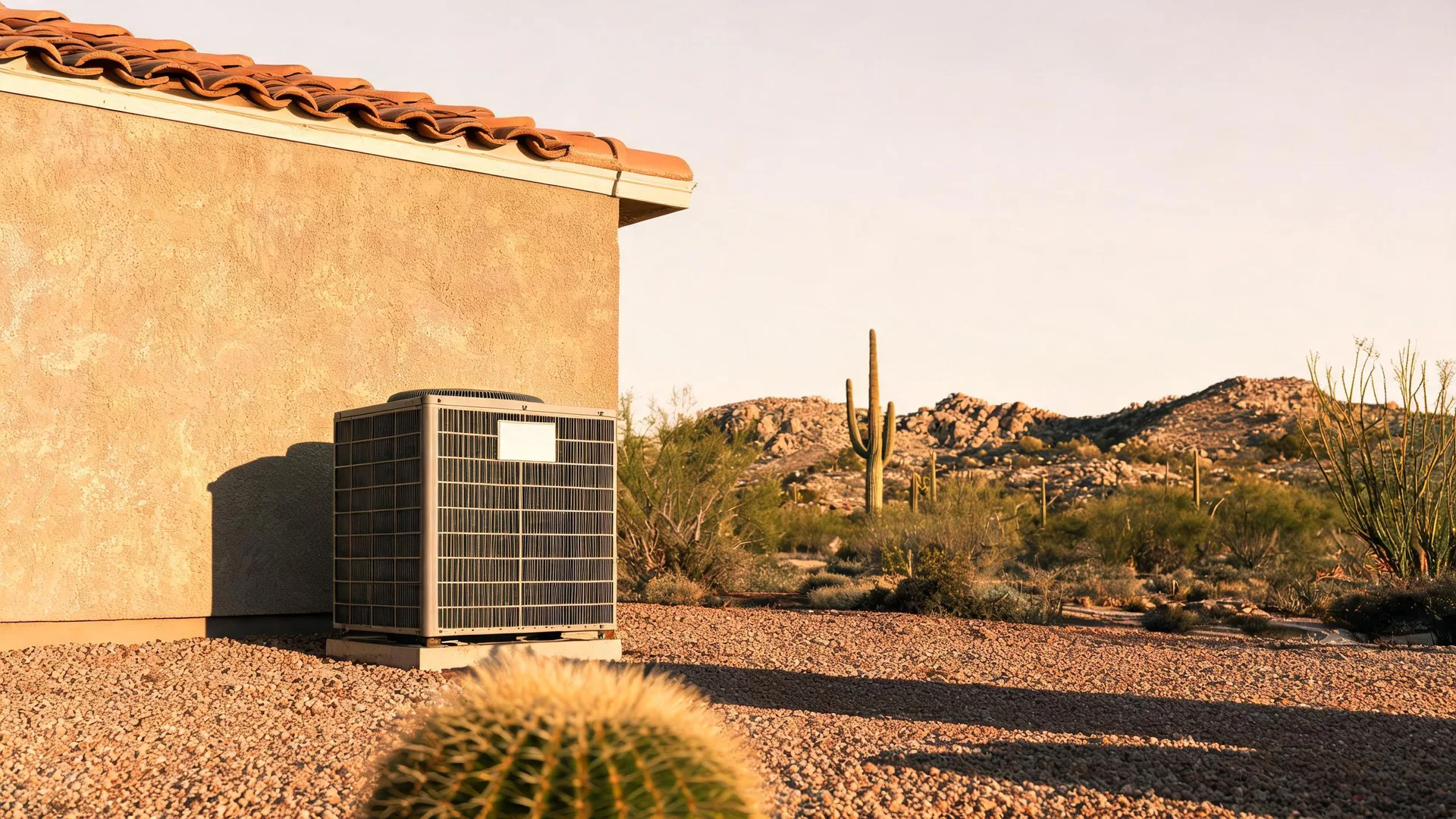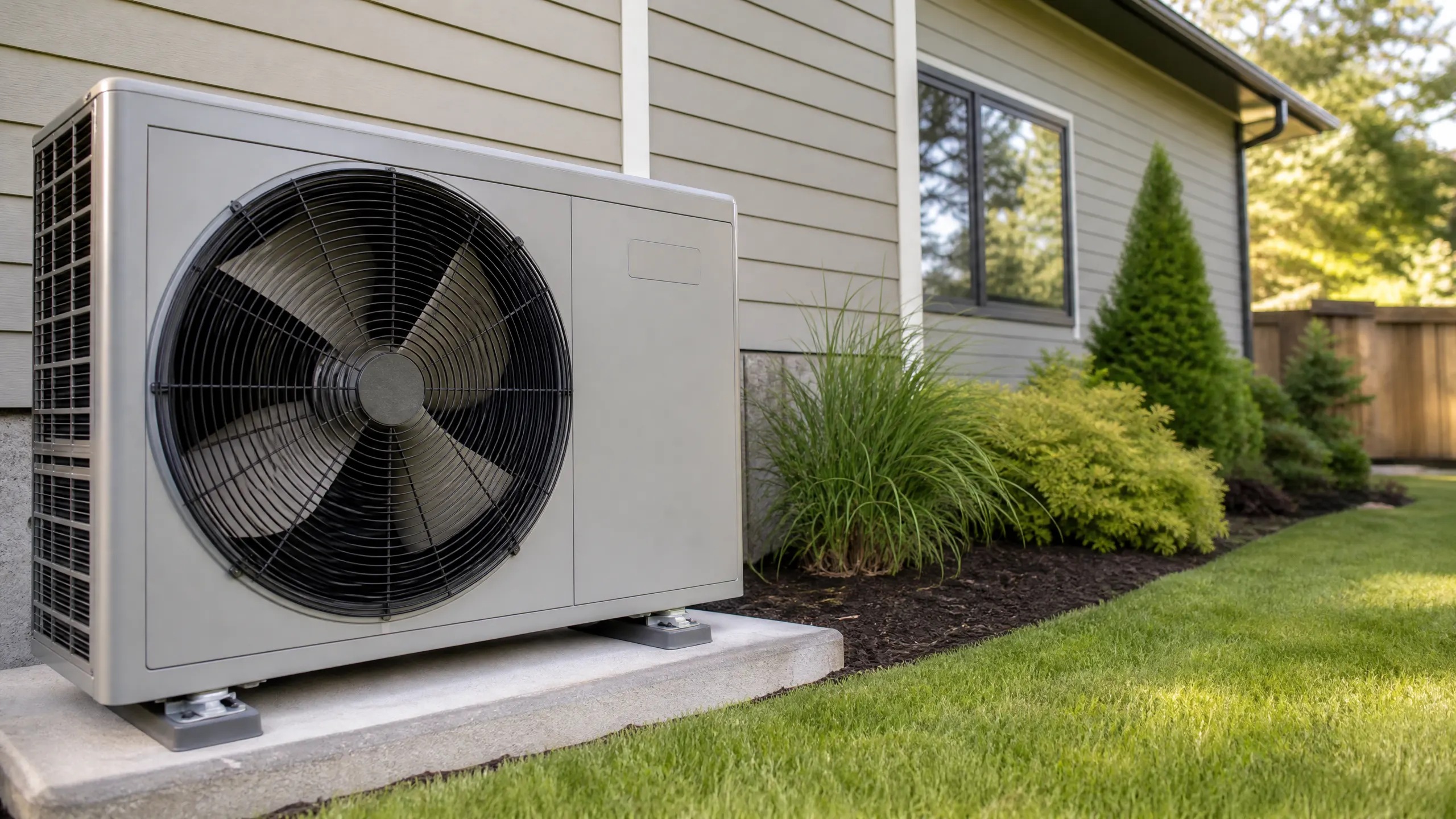
An outdoor heat pump unit mounted on a concrete pad beside a house with beige siding and a landscaped garden bed.

Heat Pump Installation in Myrtle Beach, SC

Tell us about the job

Takes about a minute. No obligation.

New system or replacementHeat PumpHorry County, SC
Step 1 of 2

What ZIP code is the job in?

The size has to match the house

A heat pump that's too big cycles on and off instead of running steady, and one that's too small struggles to keep up when it's hottest or coldest outside. Getting the size right means a contractor has to look at the square footage, the windows, the insulation, and the layout of the ductwork, not just swap in whatever matches the old unit.


The ductwork decides how much work there is

If the existing ducts are in good shape and sized right for the new system, the installation is mostly about setting the outdoor unit, the air handler, and making the connections. If the ducts are leaky, undersized, or were built for a different kind of system, they may need rework before the heat pump can heat and cool the house the way it's supposed to.

5 months
November through March, your system heats
5 months
May through September, it cools
37°F
the average winter night it heats against
89°F
the average summer afternoon it cools against
Isometric line illustration of a cutaway house showing interior rooms with furniture, ceiling ductwork, and an outdoor condenser unit connected by lines along the exterior wall.
Your system heats November through March and cools May through September.

NOAA nClimDiv, 1991–2020 normals

Heat pumps here run heat from November through March and cooling from May through September, close to year round.

Install before April or October and the system settles in before it has to carry the next season.

Wind and hail hit this county hard, year after year

111 damaging wind events from 2015 to 2024
49 hail events from 2015 to 2024
Power costs 14.23 cents a kWh statewide
Power here runs cheapSouth Carolina homes paid 14.23 cents per kilowatt-hour in 2024, so a heat pump earns its keep on comfort and reliability more than on the power bill.

Myrtle Beach is in climate zone 3A, warm with mild winters and cooling that runs most of the year. Any split-system heat pump installed here now has to meet 14.3 SEER2 for cooling and 7.5 HSPF2 for heating, the federal minimum since January 2023. Central air systems installed anywhere in the Southeast have to clear a higher cooling number than the rest of the country, because of how long the season runs here. These are floors, not targets. A contractor quoting a system below them isn't offering something that can legally go into this county.

Electric homes and heat pumps are a natural match here

Electricity heats 86.4% of homes in Horry County, and a heat pump runs on electricity alone. Replacing a system with another heat pump means the gas line, the venting, the whole second fuel path that some systems need never enters the picture. That's one less thing for a contractor to plan around and one less thing to maintain.

Find a contractor
A man in a cap, long-sleeve navy shirt and tan work pants walks up porch steps toward a dark front door, carrying a canvas tool bag in his right hand, with a potted shrub to the left.
A gray heat pump condenser unit mounted on a concrete pad against the gray lap-siding exterior wall of a house.

The label tells you the ceiling, not what you'll get

The SEER2 number on the label is a cooling average, not a top speed. It gets measured across a full range of conditions, mild days and brutal ones, so a higher number means the compressor is doing more with the same electricity most of the time it runs, not just when it's working hardest. HSPF2 is the same idea for heat. A heat pump with a higher HSPF2 moves more heat into the house per unit of electricity it draws from the outdoor air, which matters because unlike a furnace, it's not generating heat, it's relocating it, and that gets harder as the air outside gets colder. Both numbers assume the system is sized right and the ductwork is sealed. A high-rated heat pump tied into leaky ducts or sized wrong for the house will never hit the numbers on its own label.

The old equipment comes out

A contractor disconnects the refrigerant lines, the electrical whips, and the ductwork connections on the old outdoor unit and air handler, then hauls both away. If the old system ran on gas, the furnace and its venting come out too, and the gas line gets capped off by whoever handles that trade.

Refrigerant has to be recovered, not vented

The refrigerant inside the old unit can't just be released into the air. A technician pulls it into a recovery tank with a dedicated machine before the lines get cut or the unit gets moved, which is why removal takes more than just disconnecting a few bolts and lifting the cabinet out.

Sizing a heat pump starts with a heat loss and heat gain calculation, not a tape measure on the old unit. A contractor works out how fast the house loses heat in the cold and picks up heat when it's hot, factoring in wall and ceiling insulation, window area, and how much air leaks in and out. That number points to a size of equipment, not the other way around. A heat pump that's oversized blasts the house to temperature fast, shuts off, and starts again a few minutes later, which wears on the compressor and leaves rooms feeling damp because the system never runs long enough to pull moisture out of the air. One that's undersized runs constantly on the coldest and hottest days and still can't hold the thermostat setting. Getting the load calculation right the first time is what makes the rest of the install worth doing.

Wind and hail are hard on an outdoor unit, so ask what's protecting it when you're comparing systems. A thin cabinet dents, and a coil guard that's really just a decoration bends on first impact. Either one can mean a service call after the next storm rolls through. Some manufacturers sell a heavier gauge cabinet or a wraparound coil guard as an option, not the standard build. It won't change how the heat pump heats or cools, but it's the difference between a unit that shrugs off hail and one that doesn't. Worth asking about alongside the compressor rating and the warranty, not instead of them.