


Heat pump frozen over in Myrtle Beach, SC

Find my pro

A heat pump covered in ice outside your home in Myrtle Beach or anywhere in Horry County is not pulling heat the way it should, and running it like that can wear on the system. Winters here are mild, but that frost still shows up, and most homes in this area lean on electric heat to get through the cold stretches. You don't need to figure out why it iced over or whether it's the defrost cycle, a sensor, or something else. That's a question for someone who works on these systems every day. Fill out the form and get matched with a contractor who handles heat pumps in this area and knows what the coastal air and salt do to the equipment here. Once you send it, you're not the one chasing down who's free or who answers the phone. That part is off your plate. The contractor reaches out to you directly, and you take it from there.

Why is my heat pump frozen over in Myrtle Beach?

It's frustrating to walk outside and see your heat pump coated in ice when you need it running, especially since a little frost used to melt off on its own and this hasn't. You want to know if this is normal for a mild Horry County winter or if something has actually gone wrong with the unit, and whether it's safe to leave it running while you figure that out.

A thin layer of frost is normal. A thick coat of ice means it can't defrost itself.

Every heat pump grows some frost in cold weather, then runs a defrost cycle to melt it off and switch right back to heating. When you see solid ice building up instead of a light frost that disappears, the defrost cycle isn't finishing its job. That usually points to a stuck reversing valve, a failed defrost control board, a fan motor that's slowed down, or a refrigerant charge that's off. Winters here rarely get cold enough to freeze a healthy unit over for long, so ice that keeps coming back is the system telling you it needs attention. Running it in that state pushes the compressor to work against the ice instead of heating your home, and that strain is what causes lasting damage.

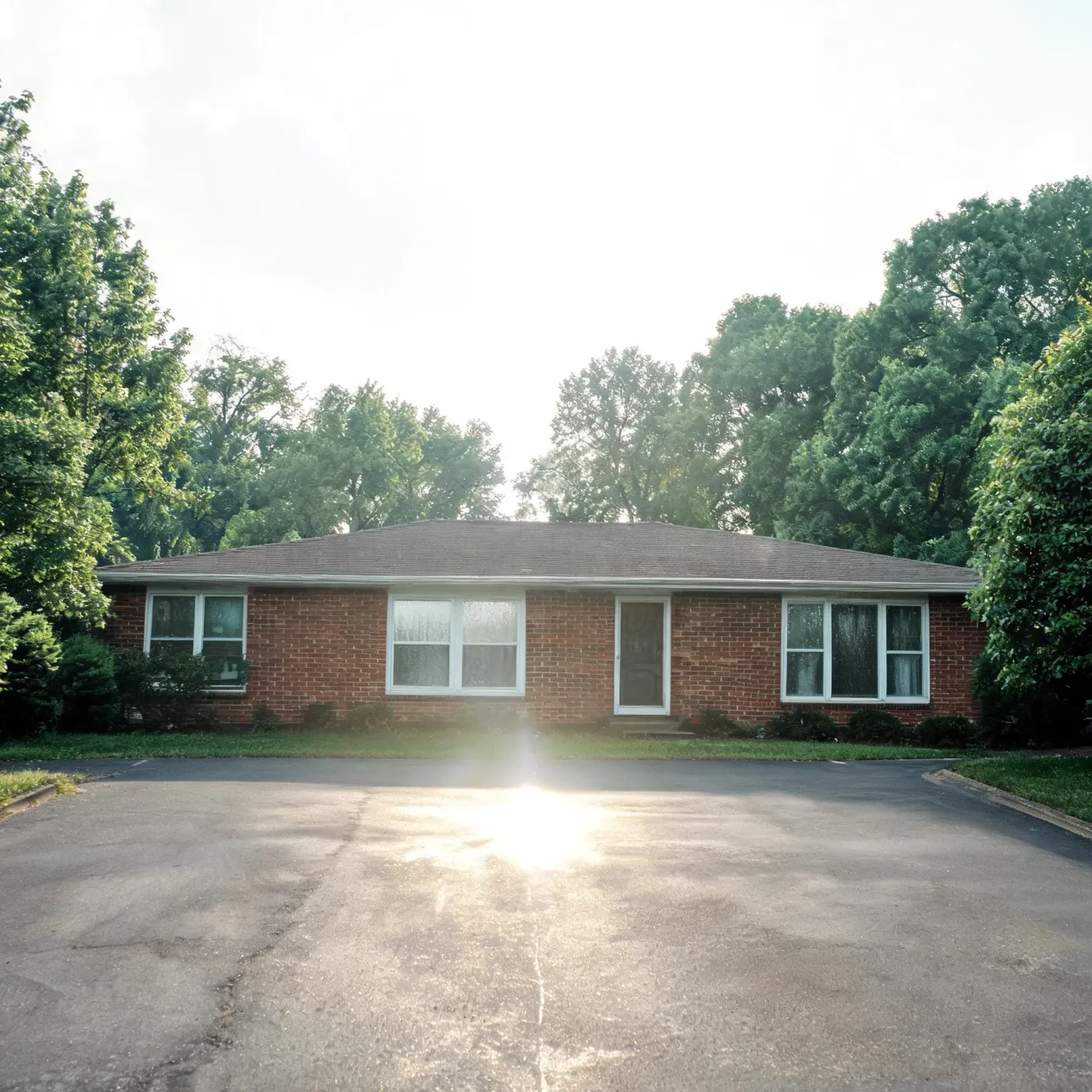
A single-story red brick ranch house with a low shingled roof, white-framed windows and a central door, fronted by a large asphalt parking area with sun glare, surrounded by leafy green trees.

A National Weather Service summer dew point average of 71°F across Horry County means the air stays heavy with moisture long after any storm passes. That moisture does not just sit outside. Your heat pump pulls it in as it runs, and the coil has to wring that water out along with the heat it is moving. When the system cycles on and off a lot, or runs with low refrigerant, that coil can't shed the moisture fast enough and it turns to ice instead of draining away. You will see it build along the coil fins or the lines first, even on a day that never got close to freezing outside.

NASA POWER T2MDEW

What does a frozen heat pump mean for your house

Look at the outdoor unit and you will likely see a layer of ice or frost across the coil, sometimes thick enough to cover the fins completely. Inside, the air coming from your vents may feel weak or barely cool at all, since the ice is blocking the airflow the system needs to move heat. You might hear the unit running longer than usual, or notice it short cycling, turning on and off without ever catching up. Some homeowners find water pooling near the outdoor unit as the ice melts between cycles. Left alone, a system fighting through ice draws more power for less heat, and running it in that state can strain the compressor, the part most expensive to replace.

A gray outdoor heat pump unit on a concrete pad beside a house with gray horizontal siding, with conduit and an electrical box on the wall and a shrub at left.

A normal defrost cycle

Every heat pump in Horry County picks up a thin coat of frost in winter, especially overnight when the air is damp and cold. The system checks for this on its own and switches into defrost every so often, running warm refrigerant through the outdoor coil to melt it off. You might see steam rising from the unit for a few minutes. The fan stops, the ice clears, and the unit goes back to heating your house. No call needed for this.

An outdoor air-source heat pump unit with a dark grille stands on a concrete pad beside a white wall and wood-clad facade, surrounded by gravel.

Ice that will not quit

A frozen coil that stays covered after an hour, or builds back thick within a day, is not defrosting the way it should. The cause might be a fan that has stopped turning, a low refrigerant charge, or a defrost control board that is not sending the signal. Left alone, the ice keeps building and the system works harder to move less heat. This is the version worth having a contractor look at before it gets worse.

Why does a Myrtle Beach heat pump freeze over mainly in winter?

  • Winter nights average 37°F

    Nights average 37°F through December, January and February, cold enough for coil frost but mild enough that most owners never expect ice to form at all.

  • Heat runs November through March

    Heat runs November through March, so the coil spends five months pulling heat from outside air, which is exactly when frost can build up and stay.

  • Cooling runs May through September

    Cooling runs May through September, five months with no defrost cycle needed, so a unit that freezes up outside that stretch points to a real fault.

NOAA nClimDiv 1991-2020

A gray outdoor air conditioner condenser unit on a concrete pad beside a house with horizontal lap siding and a stone veneer base, with a conduit running to a wall-mounted disconnect box and shrubs and evergreen trees to the left.

Running clear

A heat pump that's defrosting the way it should has a clean coil and bare fins. You can see the refrigerant lines and the disconnect box right where they meet the siding, nothing fogged or caked around them. Warm air still moves out of your vents the whole time.


An outdoor air conditioning condenser unit sits on a concrete pad beside a white horizontal-siding house, with a gray electrical disconnect box and insulated refrigerant lines on the wall, mulch and green shrubs to the right, and a concrete slab in the foreground.

Stuck in ice

This unit has ice built up around the base and lines going into the house, not just a dusting on the coil. The conduit and refrigerant lines are harder to make out under it. A unit in this shape has likely stopped defrosting on its own and needs a look before the coil or the lines take damage.

A dirty outdoor air conditioner condenser unit with debris on its coil grille, sitting on a concrete pad beside a light-colored horizontal siding wall, with bare dirt ground in front and a shrub at right.
Before you get your heat pump repair
A gray outdoor condenser unit on a concrete pad beside a house with horizontal lap siding, with a metal disconnect box and refrigerant lines on the wall, river rock and mulch to the sides, and a green shrub at right.
After you get your heat pump repair

Get matched with a heat pump pro in Horry County

A frozen coil does not fix itself by waiting it out, and in a mild Horry County winter you might only see this once or twice a season, which makes it easy to assume it will pass like it did before. If the defrost cycle has stopped doing its job, the ice stays and the system keeps straining against it, and that strain is what turns a frost problem into a compressor problem. A contractor who works on heat pumps in Myrtle Beach can tell you within minutes of looking at it whether the defrost board, a sensor or low refrigerant is behind what you're seeing, and whether it's safe to keep running while you wait on parts. You don't have to figure out which one it is standing outside in the cold. Send the request and let someone who does this for a living take it from here.

How defrost actually works

  • A defrost cycle starts when a sensor on the outdoor coil reads a set temperature and a timer confirms the compressor has run long enough.
  • The system reverses the refrigerant flow so hot gas moves through the outdoor coil instead of the indoor one, melting the ice from the inside out.
  • A fan sensor or outdoor thermostat tells the control board to shut off the outdoor fan during defrost so heat isn't blown away before it melts the frost.
  • Most units switch to backup electric heat strips during defrost so the air coming from your vents doesn't turn cold while the system is in reverse.
  • Defrost normally ends in under 15 minutes once the coil sensor reads clear, then the unit switches back to normal heating.
  • If the reversing valve, the defrost sensor or the control board fails, the cycle never triggers and ice builds with no way to clear itself.

A heat pump is built to handle frost on its own. A sensor on the outdoor coil watches for a set temperature, and once it reads cold enough, along with a timer confirming the compressor has been running long enough, the system triggers a defrost cycle. At that point the unit reverses itself. Instead of pulling heat from outside and sending it in, it runs hot refrigerant gas backward through the outdoor coil, melting the ice from the inside out. The outdoor fan shuts off during this, so the heat stays on the coil instead of blowing out into the yard before it can do its job. Inside, most systems switch over to backup electric heat strips for those few minutes, so the air from your vents doesn't go cold while the outdoor unit is busy thawing itself. The whole thing is normally quick. Once the coil sensor reads clear, usually in under 15 minutes, the system switches back to regular heating and you likely never notice it happened. The ice you're looking at now means one piece of that chain didn't work. The reversing valve may not have switched, the defrost sensor may be reading wrong, or the control board itself may have failed to call for the cycle at all. Any one of those breaks the loop, and without it the frost has no way to clear on its own.

A bearded man in a plaid flannel shirt stands indoors looking out a frost-covered window, with a steaming dark blue mug on the wooden sill and snow-covered trees outside.
A man in a blue T-shirt sits on a light gray sofa, laughing while looking at an open laptop in the foreground, with a framed picture, lamp and potted plant behind him.

A heat pump coated in ice has a defrost cycle that isn't finishing its job, and that doesn't get better with another day of waiting. The fix is a repair to the part that's failing, whether that's a sensor, a timer board, or the reversing valve, not a change in the weather. Once you send the form, the work of finding someone qualified is off your plate. A contractor who handles this in Horry County gets matched to your situation and reaches out to you. You don't have to call around or figure out who's available tonight. Your part was noticing the ice and knowing it meant something. The rest, getting a licensed contractor out to clear the coil and get the defrost cycle working the way it should, is what happens next.

A modern two-story house with dark siding and stone base at dusk, with lit soffit lights, a path of large rectangular pavers set in dark gravel, planting beds, a lawn, and an orange and blue sunset sky above distant trees and water.

Heat Pump Repair

Find a heat pump repair pro in Horry County

RepairHeat PumpHorry County, SC
Step 1 of 2

What ZIP code is the job in?

  • A pale ceramic vase holding leafy green branches sits on a wooden side table beside a linen-covered chair with a throw blanket, below a wood-framed window.
    • A Horry County pro who repairs heat pumps gets your request.
    • Your request goes to a Horry County pro who takes heat pump jobs.
  • A large woven basket with rope handles holding a draped cream fringed blanket stands in a room corner on a wood floor, with sunlight from a nearby curtained window and a dark wood cabinet at right.
    • Send the request today and let a heat pump pro reach out to you.
    • Get the heat pump repair search off your mind today.
  • A leafy green plant in a woven basket sits in a sunlit corner beside a beige sofa with a knit throw, sheer curtains, a window, and a wooden coffee table.
    • Answer a few questions instead of calling shop after shop.
    • Describe your heat pump job once, to one pro.
  • A ceramic vase holding olive branches and a wooden bowl sit on a wooden windowsill beside a white-framed window, with a framed picture leaning against the grey wall.
    • A licensed pro who repairs heat pumps in Horry County gets your request.
    • The pro who gets in touch is licensed in South Carolina and works in Horry County.