Two illuminated white Southern-style houses with wraparound porches and staircases, framed by a Spanish moss-draped tree on a quiet street at night.

Furnace Installation in Gaffney, SC

Tell us about the job

Takes about a minute. No obligation.

New system or replacementFurnace or heatingCherokee County, SC
Step 1 of 2

What ZIP code is the job in?

Weather here is hard on outdoor equipment

Cherokee County logged 80 severe weather events between 2015 and 2024, including damaging wind and hail. A furnace installation often includes an outdoor unit, and wind and hail are part of what it has to stand up to here.

Plan for the power to go out

Almost half of South Carolina households went at least 24 hours without power in 2024. A furnace needs electricity to run even if it burns gas, so it's worth asking your contractor how your new system handles an outage, and what that means for heat in your home.

7 months
October through April, your furnace is on duty
32°F
the average winter night it heats against
80% AFUE
the federal minimum any new unit must meet
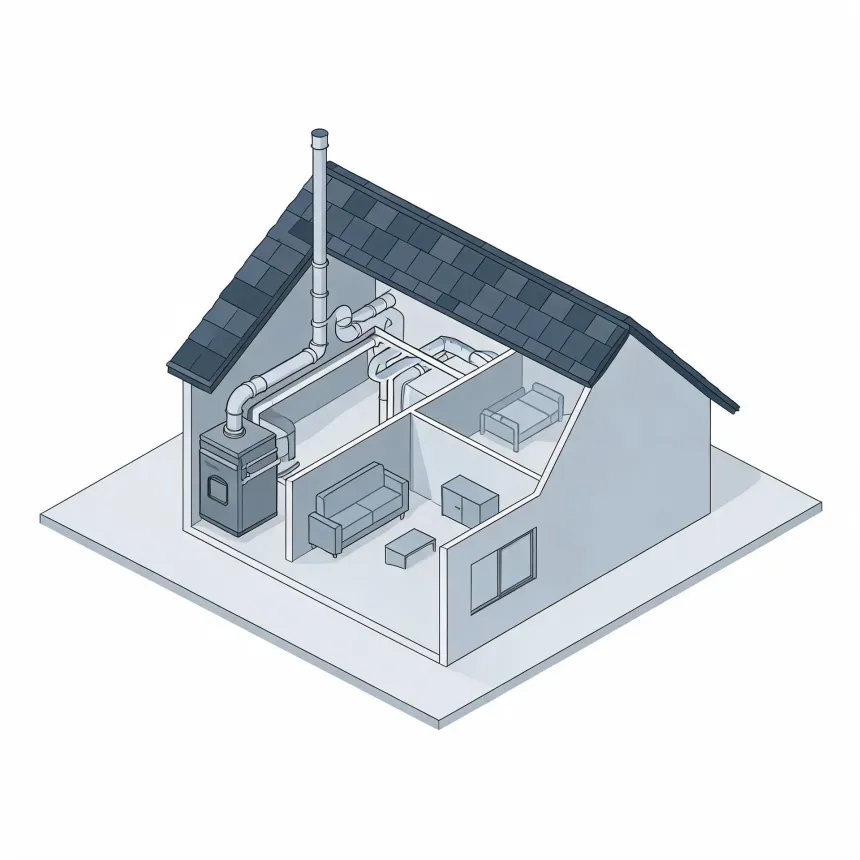
Isometric cutaway illustration of a small gabled house showing a furnace with flue pipe and ductwork connecting to interior rooms containing a sofa, bed, and cabinets.
Your furnace works hardest from November through March.

NOAA nClimDiv, 1991–2020 normals

Furnaces in Cherokee County start running in October.

Get a new one in by September and it's handled before the first cold night, not during it.

Seven months of light duty, not a full-time grind

Heat runs October through April
Winter nights average 32°F
Climate zone 3A
Most homes here run on electricity69.7% of homes in Cherokee County heat with electricity, against 16.6% on gas

Half the homes in Cherokee County were built in 1984 or earlier, half in 1984 or later, and that split doesn't change what furnace fits. A standard size matched to your home's heat loss is the right call whether the house is old or new. Mobile homes make up about a quarter of the housing here, and if yours is one, say so up front, since it needs a furnace rated for manufactured housing rather than a standard model. Beyond that, nothing about homes in this county calls for sizing up or stepping up in efficiency. Get the size right for the space and the work is done.

Zone 3A sets the minimum efficiency your new furnace has to clear

Gaffney sits in climate zone 3A, and any furnace going in has to clear 80 percent AFUE. That's the federal floor for new gas furnaces right now, and it holds until the end of 2028, when the minimum jumps to 95 percent. A unit installed today only has to meet today's rule. Ask your contractor what you qualify for.

Find a contractor
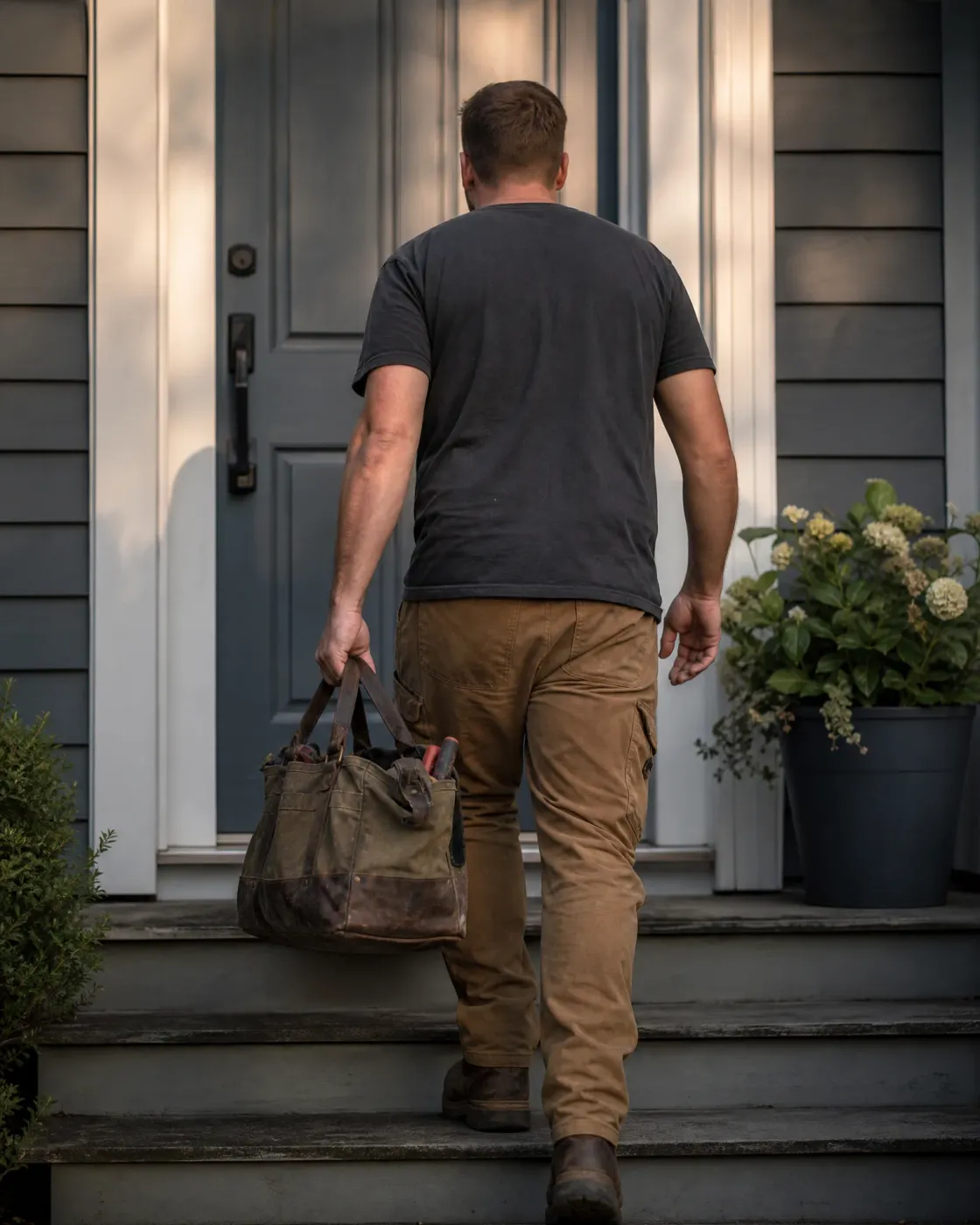
A man in a dark t-shirt and tan work pants, seen from behind, carries a worn canvas and leather tool bag up concrete steps toward a dark gray front door, with a potted flowering plant to the right.
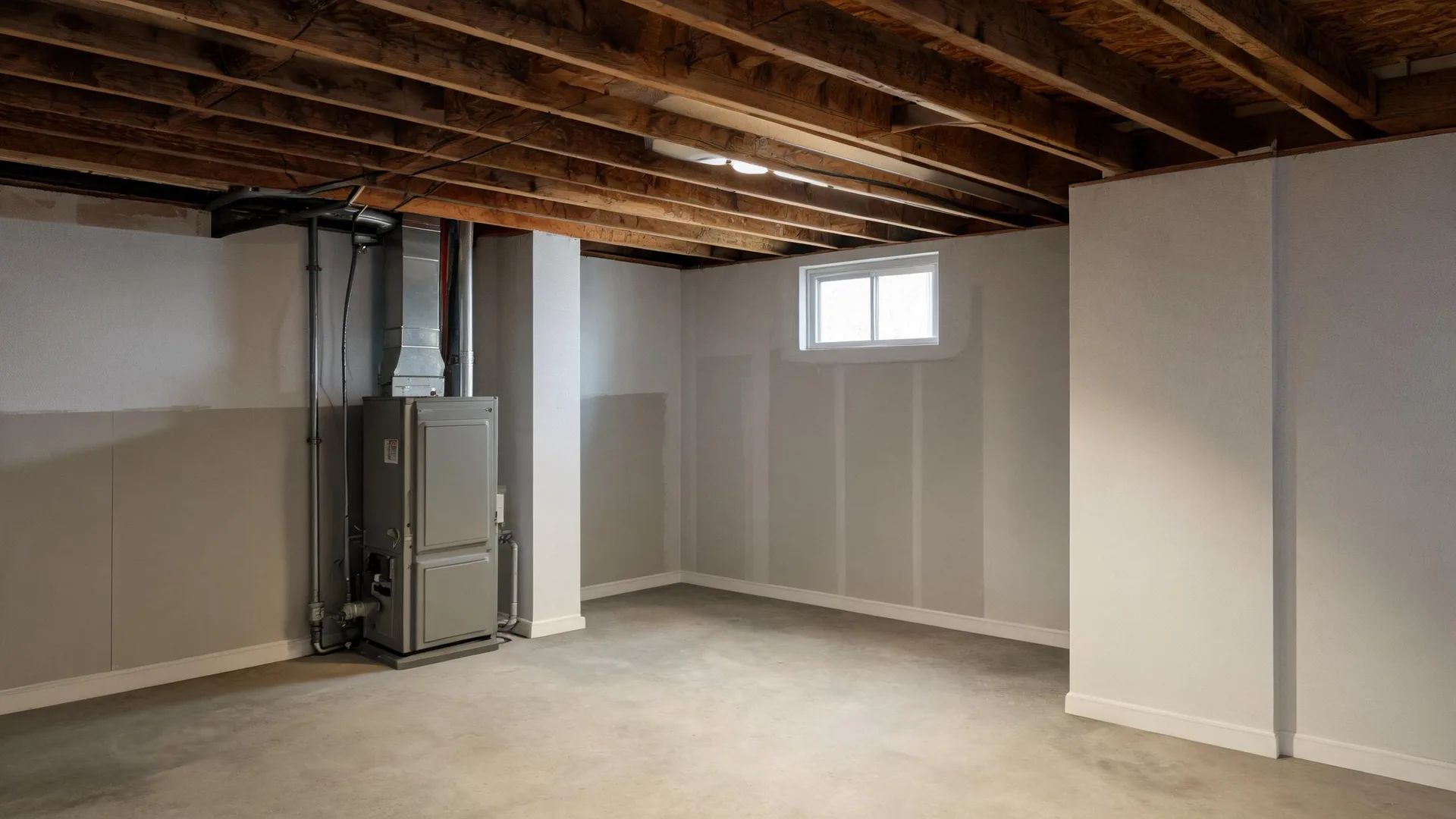
A gray residential gas furnace installed in an unfinished basement, connected to sheet-metal ductwork and PVC pipes.

Light work most winters

Seven months a year this furnace runs, and overnight lows here average 32°F through December, January and February. That's not a hard freeze most nights, just cold enough to need steady heat. A standard furnace built to the zone's minimum efficiency is built for exactly that kind of winter. Put the money into getting the size right for your house instead of chasing a higher efficiency rating this climate doesn't ask for.

Sizing the furnace drives the cost

A contractor has to work out how much heat your house loses before quoting a unit. That means measuring the space and checking the insulation and windows, not just matching the old furnace's size. The right size keeps the cost where it belongs, on equipment that matches the house instead of one bigger than it needs to be.

The venting and ductwork matter as much as the furnace

Swapping a furnace often means working with what's already there. The vent pipe, the gas line, and the ductwork running through the house all have to suit the new unit, not just the old one. If those are in good shape and sized right, installation goes faster. If the ducts are undersized or the vent needs changing, that work adds to the job before the furnace even gets set in place.

The AFUE rating on the label tells you how much of the gas burned actually heats your house, and how much goes straight out the flue as exhaust. A higher rated furnace pulls more heat out of that exhaust before it vents, usually by running the air through a second heat exchanger. That second pass cools the exhaust down enough that it can't travel up a standard metal flue anymore, it needs its own plastic vent pipe running out through a wall or the roof. So moving up in AFUE isn't just a different furnace inside the cabinet, it can mean different venting for the whole install. Ask your contractor what a higher rating would actually change about the job, not just the price of the unit.

Installation day starts with the old furnace coming out, not the new one going in. The tech disconnects the gas line, the vent, the ducts, and the wiring, then pulls the unit out before anything new goes in its place. Once the space is clear, they check the flue or run new venting if the furnace calls for it, set the new unit, and connect the ductwork back up, sealing joints as they go so air doesn't leak out before it reaches the rooms. The gas line gets hooked up and tested for leaks before anything is fired. Once it's running, the tech checks the flame, checks the temperature rise through the furnace, and confirms the thermostat is talking to it correctly. The last step is combustion testing, making sure the burner is tuned right and nothing is spilling exhaust back into the house instead of out the vent.