Weather here is hard on equipment
Union County recorded 73 severe weather events between 2015 and 2024, most of it damaging wind. An outdoor condenser or heat pump unit sits exposed to all of it, year round.
Takes about a minute. No obligation.
Union County recorded 73 severe weather events between 2015 and 2024, most of it damaging wind. An outdoor condenser or heat pump unit sits exposed to all of it, year round.
Nearly half of South Carolina households went at least 24 hours without power in 2024. A gas furnace still needs electricity to run its blower and controls, so losing power means losing heat unless there's another way to keep it on.
NOAA nClimDiv, 1991–2020 normals
Electricity in South Carolina ran $41.71 per million Btu in 2024.
A standard furnace sized right for this house is the safer bet than paying more for capacity or efficiency this job doesn't need.




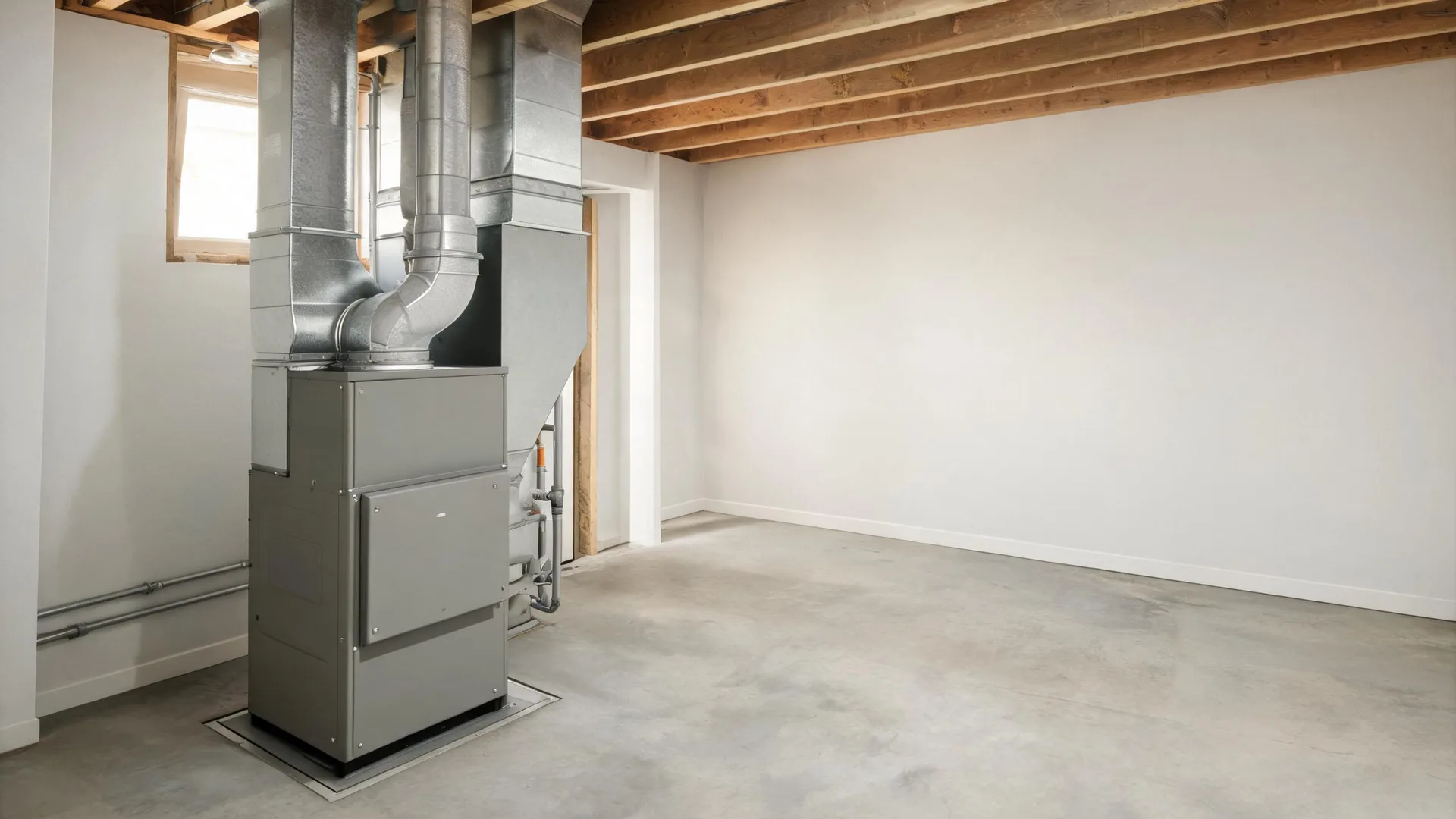
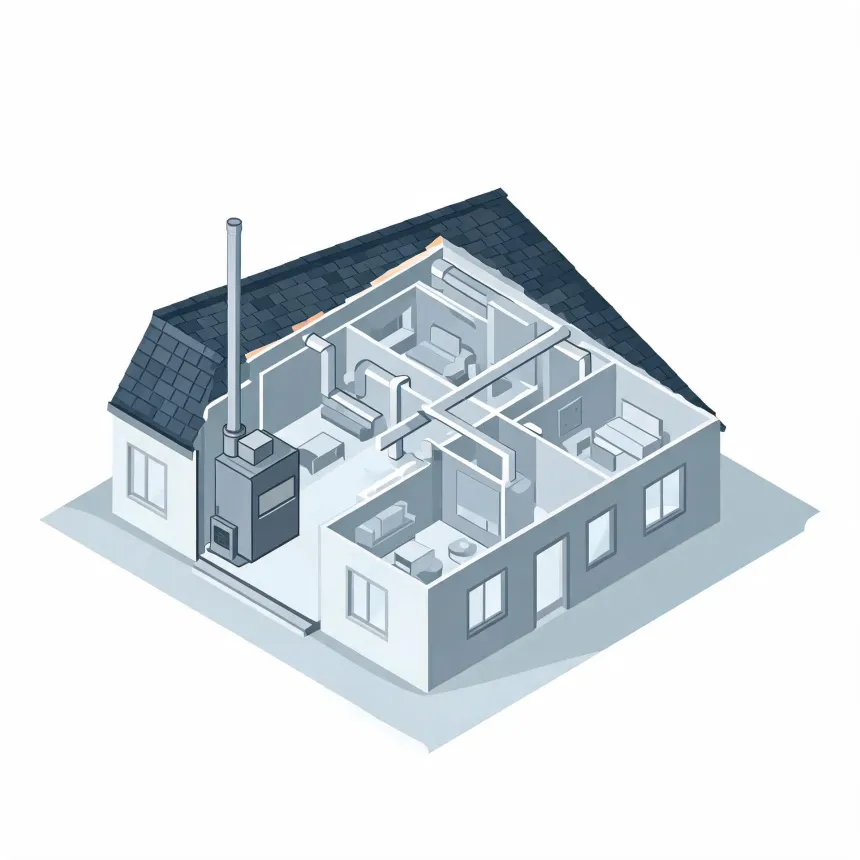
Half the homes in Union County were built in 1972 or earlier. A furnace going into one of those houses often means working around ductwork and a gas line sized for a different system than what's being installed now. The ductwork moving air through an older house wasn't necessarily planned for today's furnace sizing, so the fit matters more than it would in new construction. Mobile homes make up over a fifth of the housing stock here too, and those need a furnace rated for manufactured housing, not a standard model. Whoever installs it has to size the new furnace to the house that's there, not just swap in the next unit up.
Five months of heat a year, with overnight lows averaging 33°F, is not a hard season. A correctly sized standard furnace will handle it without strain for years. Put the money into getting the size and the backup plan right instead.
Find a contractor
The unit cost is only part of the price. Sizing is what drives the rest. A furnace that's too big short cycles, turning on and off instead of running a steady stretch, and that wear adds up on the ignitor and the blower motor faster than normal use would. A furnace that's too small runs long stretches trying to catch up and still leaves rooms cold. Getting the size right takes a load calculation on the house, not a guess based on the old unit's size or the square footage alone. The other driver is what has to change to put the new furnace in. If the vent pipe, the gas line or the ductwork doesn't match what the new furnace needs, that work gets added to the job. A straight swap into the same footprint with the same venting costs less than a furnace that needs a new flue or larger return ducts to run the way it's supposed to.
AFUE tells you how much of the fuel burned turns into heat in the house instead of going out the flue. A contractor quoting a furnace should know that number without looking it up, and say why it fits what you're paying for.
Sizing a furnace off the old unit or off square footage alone skips what actually matters, like how the house is insulated, how many windows it has, how the ductwork is laid out. A load calculation accounts for all of it. Without one, the contractor is guessing at a number that decides whether the furnace short cycles or runs too long to keep up.
Taking out the old furnace is part of the job, not an extra. A gas furnace gets disconnected from the gas line and the vent pipe before the new unit goes in. Whoever pulls the old one should cap the gas line properly rather than leave it loose behind the new furnace. The vent pipe gets a second look too, since a pipe sized for the old furnace's output is not automatically right for the new one. A furnace is not something to set by the curb. The cabinet and the parts inside get recycled through the same channels as other appliances, not thrown out with regular trash.
Installation day starts with the old furnace coming out, not the new one going in. The gas gets shut off and the line disconnected before anyone touches the new unit. Once the old furnace is clear, the crew sets the new one in place, connects the gas line, the vent pipe and the ductwork, then wires it into the thermostat and the blower controls. After that comes testing. A tech checks gas pressure, checks the flue draft to make sure exhaust is actually leaving the house, and runs the furnace through a full cycle to see that it fires, heats and shuts off the way it should. A furnace that passes that test on install day is one that was sized and connected right. One that gets left running without that check is how small problems turn into cold rooms and service calls later.