




A gray forced-air furnace with sheet-metal ductwork stands in an unfinished basement with exposed wooden joists, concrete walls, and a hanging incandescent bulb.

Furnace Installation in Hardeeville, SC

Tell us about the job

Takes about a minute. No obligation.

New system or replacementFurnace or heatingJasper County, SC
Step 1 of 2

What ZIP code is the job in?

The size of the furnace matters more than the brand. A unit too big for the house cycles on and off instead of running steady, and that short cycling wears parts out early without heating any better. Sizing takes a room by room look at the house, not a guess based on the old unit. Ductwork plays into the cost too. If the existing ducts are the right size and in good shape, they can usually stay. If they're undersized, leaky, or routed poorly for the new furnace, that work gets added to the job. The venting matters as well, since a high efficiency furnace vents differently than an older one and may need new pipe run to the outside. None of this shows up until someone opens the walls or gets into the attic and actually looks.

5 months
November through March, your furnace is on duty
40°F
the average winter night it heats against
80% AFUE
the federal minimum any new unit must meet
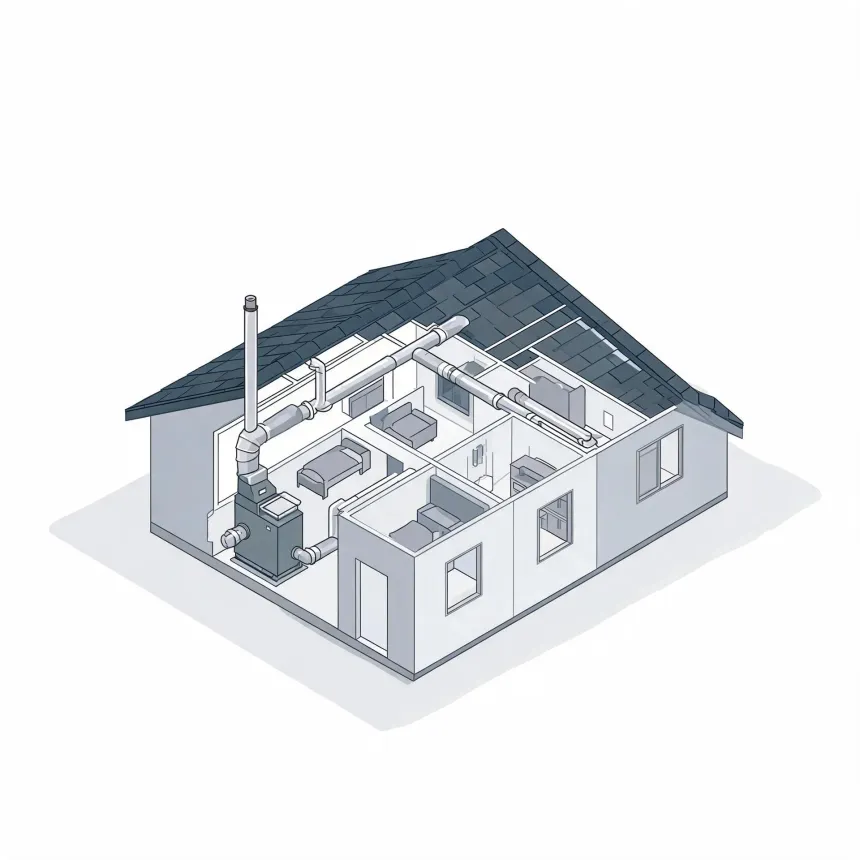
Isometric cutaway illustration of a single-story house showing interior rooms with furniture, ceiling ductwork, a furnace unit with a tall flue pipe, and a dark shingled roof.
Your furnace works hardest from December through February.

NOAA nClimDiv, 1991–2020 normals

Furnaces here start running in November.

Get it installed in October and it's broken in by the first cold night, not failing on it.

Most homes here heat with electricity, so a furnace isn't the typical setup

75.3% of homes heat with electricity
Heat runs November through March
Winter nights average 40°F

Jasper County sees severe weather often, 224 events in the past decade, with damaging wind behind most of them. A furnace doesn't run on wind, but the blower does, and that means the power behind it. Nearly half of South Carolina households went at least a full day without power last year. A gas furnace still needs electricity to run the blower and ignition, so an outage takes it down the same as an electric system. Worth asking the installer how the setup holds up if the power goes out, and where the outdoor venting runs given what this county sees in a storm.

A standard size furnace is the right call here

A furnace sized right for the house and vented well doesn't need upgrading beyond that. Electricity here runs $41.71 per million Btu, and that cost applies no matter what size system is running, so there's no case for paying for more capacity than the house calls for. Standard sizing, done from a room by room look, is what fits here.

Find a contractor
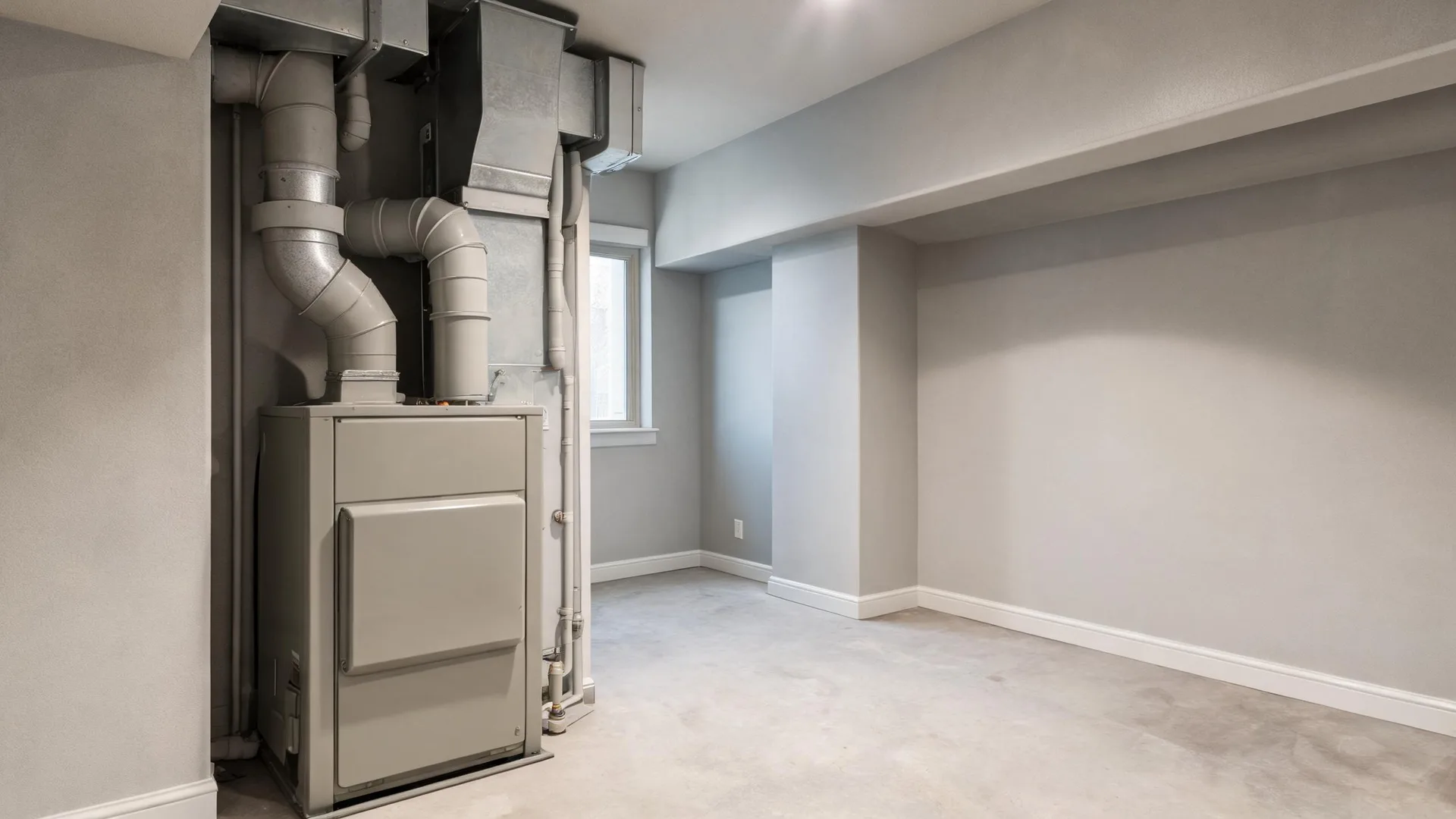
A gas furnace with attached ductwork, gas piping, and condensate lines installed in a concrete-block basement.

Five months of work a year

Five months of heat a year, November through March, and overnight lows averaging 40°F even in the dead of winter. That's a mild load. A furnace sized right for this house won't run hard or run long to keep up. The bigger risk here isn't wearing the unit out, it's a system that sits unused for months and gets neglected because nothing seems wrong with it.

The load calculation drives the size

A contractor works out heat loss room by room, checking window area, wall and ceiling insulation, and how the rooms connect. That number, not the size of the furnace being replaced, is what sizing should come from. An old unit might have been wrong from the day it went in, or the house may have gotten new windows or added insulation since.
Oversized doesn't mean extra margin

A furnace too big for the house heats the air fast, hits the thermostat setting, and shuts off before it's run long enough to warm the rooms evenly or pull moisture out of the air. It short cycles instead of running a steady stretch. That start stop pattern is harder on the igniter and blower motor than a longer, steadier run would be.

Ask what efficiency rating the new furnace carries and what that means for venting. Ask for the load calculation in writing, room by room, not a rule of thumb based on square footage. Ask how the contractor handles existing ductwork if it turns out undersized or leaky once they're in the attic. Ask what the warranty covers on the heat exchanger versus the blower motor and igniter, since those parts fail on different timelines. Ask what happens if the igniter or flame sensor goes bad in the first year. A good installer backs the labor, not just the parts.

Install day starts with the old furnace coming out, and that's when the ductwork and venting get a real look, not just a glance. The new furnace gets set, connected to the supply and return plenum, and tied into the gas line and electrical. If it's a high efficiency unit, the technician runs new intake and exhaust pipe to the outside, since that venting is different from what an older furnace used. Once it's hooked up, the technician checks gas pressure, fires it, and watches it run a full cycle, checking the temperature rise against what the furnace is rated for. The last step is airflow, making sure each room is actually getting warm air and not just the rooms closest to the unit. A furnace that fires up fine but was never checked for airflow or temperature rise can still run years out of balance with the house.