
Heat pump vs furnace in Jasper County, South Carolina

Find an Installer

Replacement quotes in Jasper County

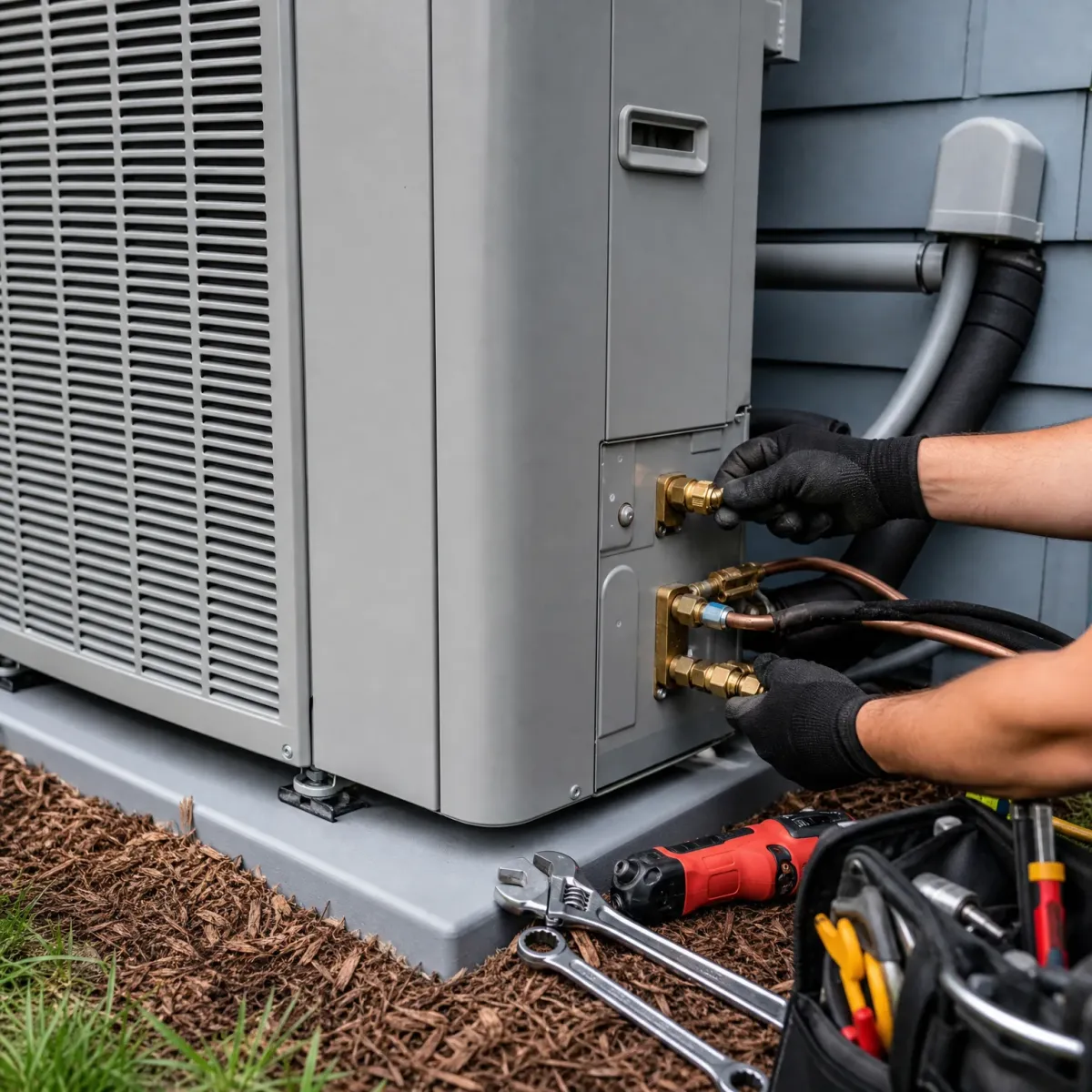
A person wearing black gloves connects copper refrigerant lines to brass service valves on the side of a gray outdoor condenser unit, with a wrench, a power tool and a tool bag on the mulch bed in the foreground.

Tell us about the job

Takes about a minute. No obligation.

New system or replacementJasper County, SC
Step 1 of 3

What kind of equipment?

Which costs less to run in Jasper County?

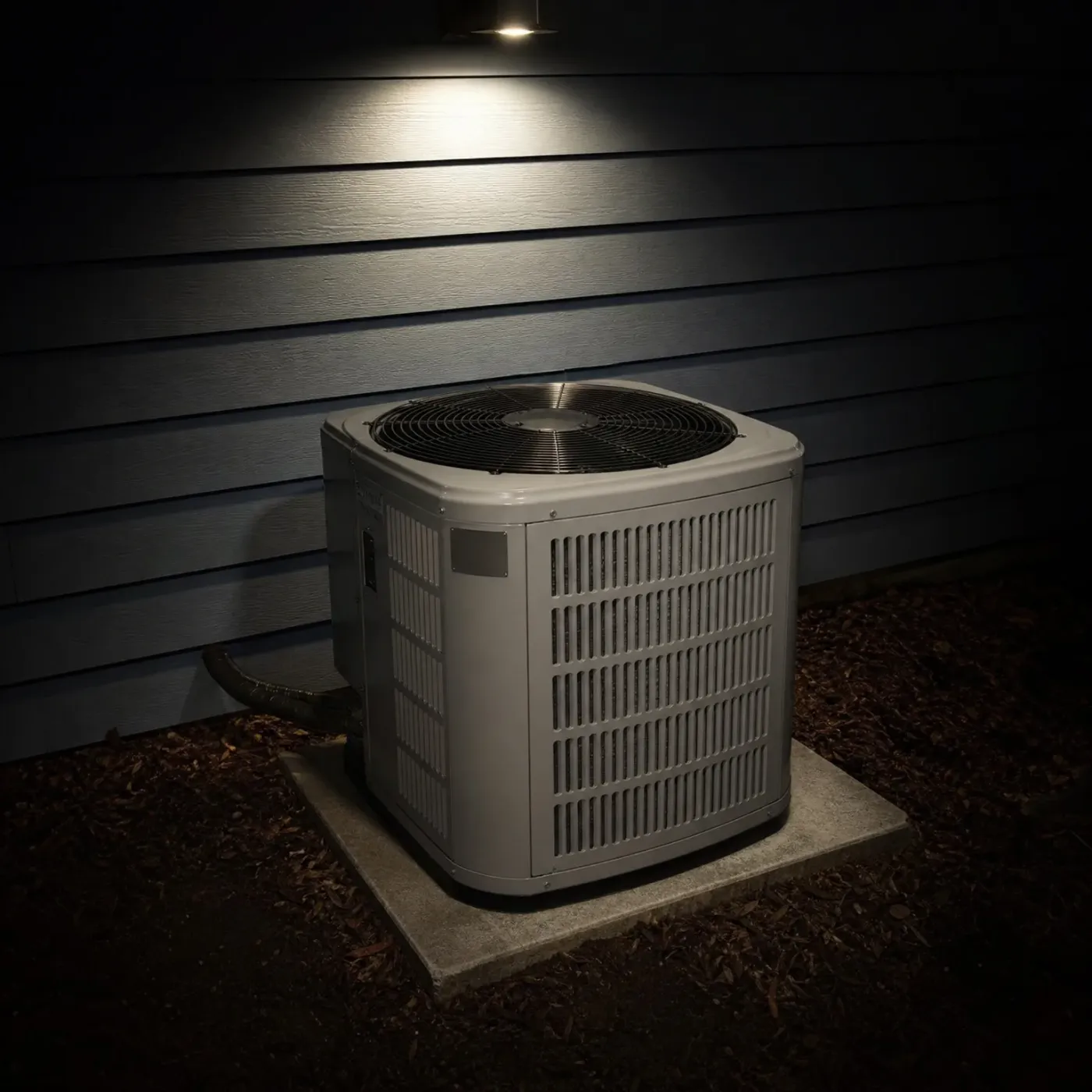
An outdoor air conditioner or heat pump condenser unit on a concrete pad beside a dark horizontal-lap sided wall at night, lit from above by a wall-mounted light, surrounded by mulch.

Heat pump

To heat your home here$1.90per 100,000 Btu

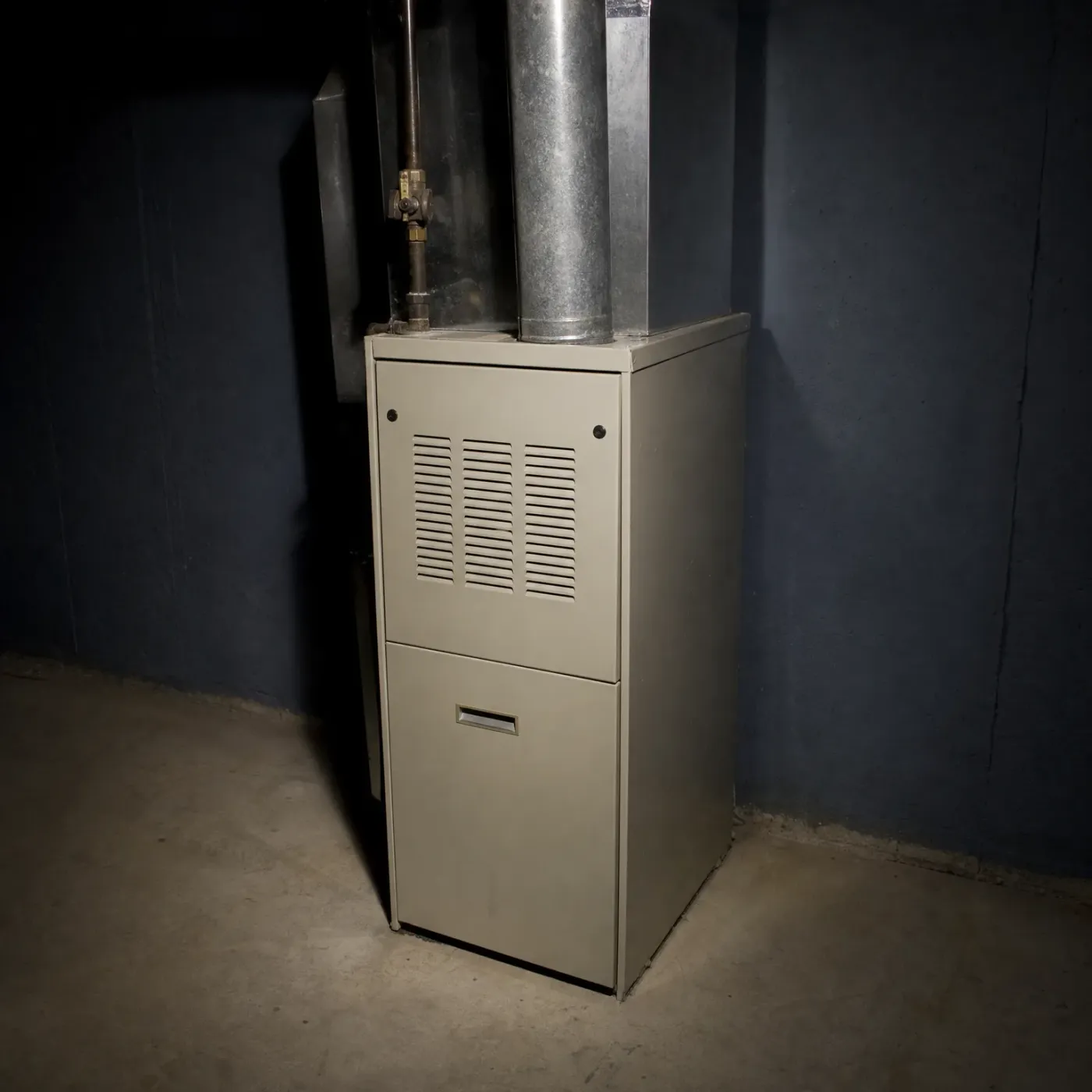
A beige sheet-metal furnace with a louvered upper panel stands against a dark gray basement wall, with galvanized flue ducting and a gas pipe with a valve rising from its top onto a concrete floor.

Furnace

To heat your home here$2.05per 100,000 Btu

At South Carolina's gas and electricity prices, a heat pump makes the same heat as a gas furnace for about 7% less.

Btu stands for British thermal unit, the standard measure of heat energy.

Where does a heat pump shine?

  • Made for mild winters

    Winter nights in Jasper County average 40°F, mild enough that a heat pump pulls all the heat it needs straight from the outside air. Backup heat stays off most of the season.

    Covered front porch of a gray clapboard house with a dark blue front door with six glass panes, a wall lantern, granite steps, a wooden bench with a blanket and boots, and bare trees and patchy snow in the yard.
  • Covers a long cooling season

    Cooling runs May through October here. A heat pump handles that whole stretch and switches over to heat the house once it turns cold, all from one system.

    A covered porch at dusk with a ceiling fan, wicker sofas with gray cushions, a round wooden side table holding a glass of iced tea and a potted plant, and a dining table with chairs and flowers in the background beside a gray-sided house.
  • No gas line, nothing burning in the house

    A heat pump runs on electricity alone. Nothing burns inside the house.

    A kitchen with light blue upper cabinets, dark navy lower cabinets and island, white subway tile backsplash, a stainless kettle on a cooktop, a wooden bowl of lemons on the island, and three gray upholstered stools with wooden legs.

Where does a furnace shine?

  • Proven, simple, easy to get serviced

    Gas furnaces have heated homes for generations. Almost every HVAC tech knows them inside and out.

    A gloved hand holds a white pleated air filter in front of a furnace in a basement or garage with shelving and storage bins in the background.
  • Fast, strong heat on demand

    A furnace pushes out hot air within minutes of switching on. A cold house warms up fast.

    Entryway with a dark blue-gray paneled door, snow-covered winter boots on gray tile, a floor vent, a sheer white curtain, a wooden bench with a blue fringed blanket and wicker baskets, a steaming mug, and coats hanging on the wall.
  • Pairs with any central AC

    A furnace's blower and ducts carry cooled air too. Adding central AC uses the same system.

    Sunlit wood plank floor with a metal floor air vent, a woven rug at lower left, a gray-painted open door at left, and a sheer white curtain at upper right.

What your winters actually ask of a heat pump

Winters here are mild. The overnight low averages 40 degrees across December, January and February, and the heat only runs about five months, November through March. That is the case a heat pump is built for. It is cheaper to run too, $1.90 against $2.05 per 100,000 Btu, because the cost band assumes nothing but the heat pump's own federal minimum rating, no backup heat added in.

The question is what happens on the cold nights, and here the answer is: not much of the winter. About 25 nights a year drop to 32 degrees or below, and that is out of roughly 150 nights in the five months the heat runs. Under a quarter of them. A heat pump works harder on those nights and leans on backup heat to keep up, but that is a small slice of a short season, not the shape of the whole winter.

A furnace does not have this problem, because it burns gas and makes strong heat regardless of how cold it gets outside. But a furnace only does one job. Outside the five months it heats your home, it has nothing to do for the other seven.
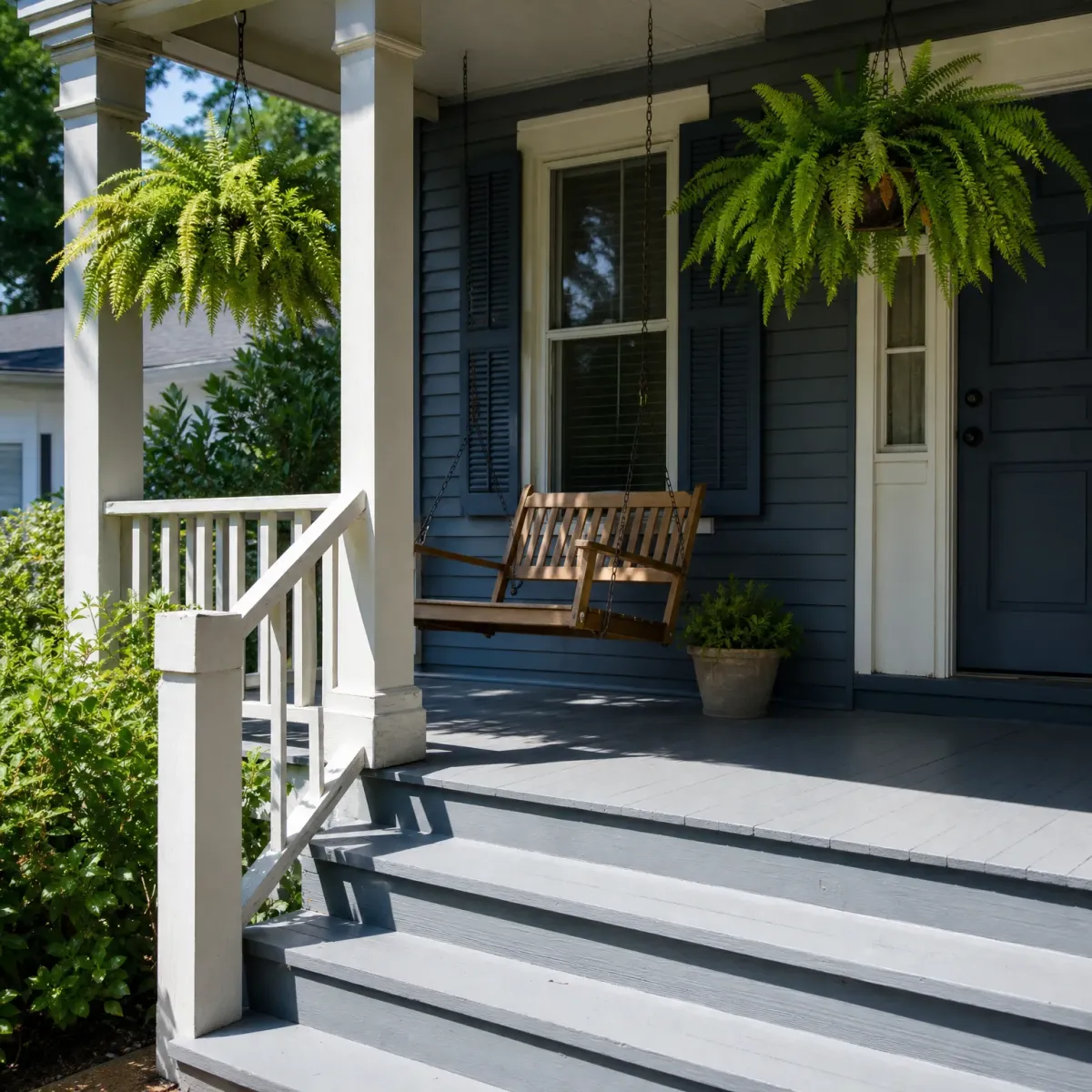
Front porch of a dark gray clapboard house with white columns and railings, a wooden hanging swing, two hanging ferns, a potted plant by the door, and painted gray steps.

What the rest of the year decides

Cooling is the longer season here, about six months against five for heat, and a heat pump is also your air conditioner. One machine, one system to maintain, covering the long end of the year as well as the short one. A furnace needs a separate AC unit next to it to do that same job.

Three in four homes in Jasper County already heat with electricity, against about one in five on utility gas. That split matters for which machine is simpler to put in. A home already wired for electric heat has an easier path to a heat pump. A home with a gas line already run to it has an easier path to a furnace paired with its own AC.

So the choice here comes down to what is already in the house. If electricity already heats it, a heat pump costs less to run, covers both seasons, and there is no gas line to maintain. If gas already heats it, a furnace gives strong heat on demand and is simple to get serviced, and it just needs an AC alongside it for the six months a year this county needs one.

Sources: NOAA nClimDiv · NOAA 1991–2020 seasonal normals · EIA SEDS 2024 · 10 CFR 430.32 · Census ACS 2020–2024

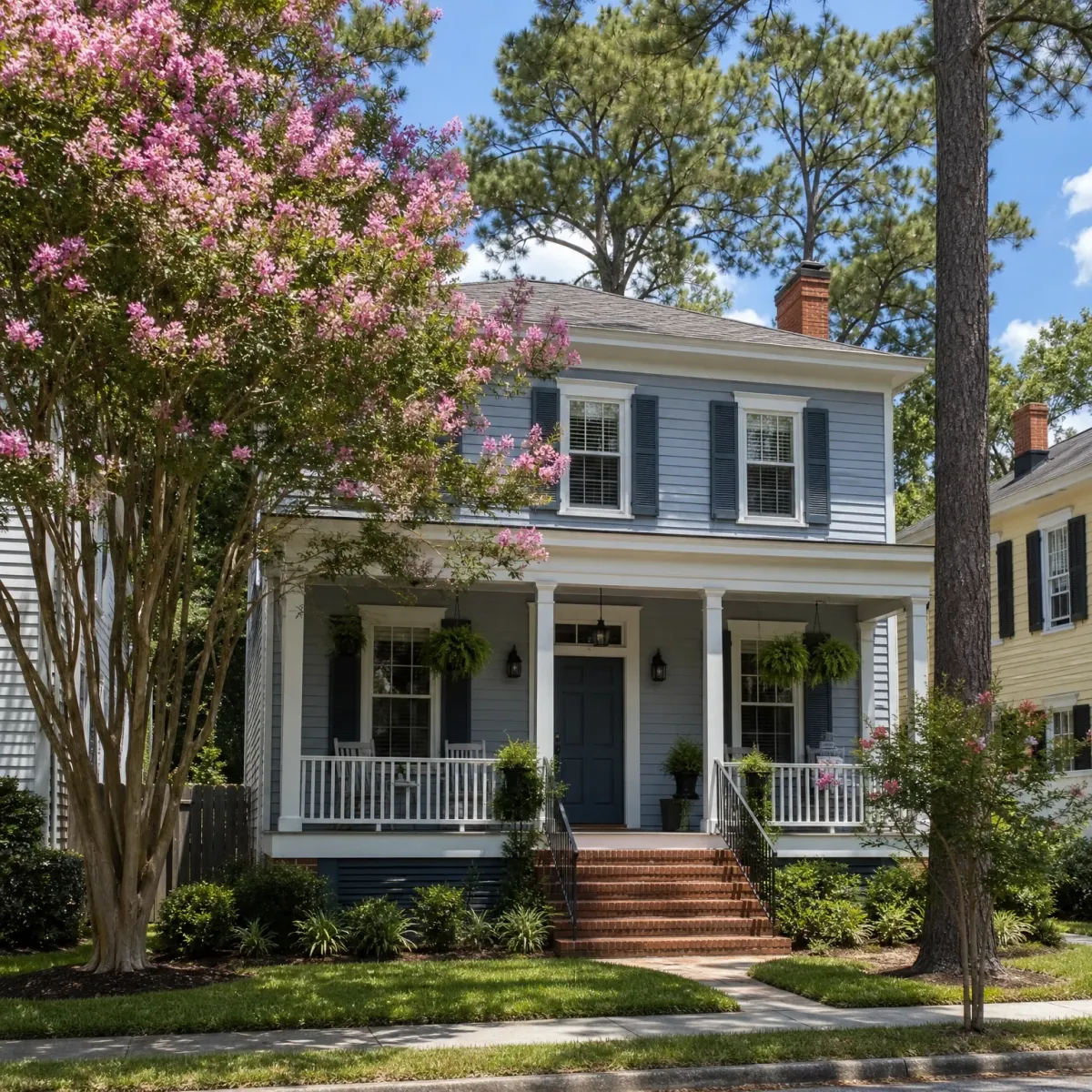
A two-story light blue clapboard house with dark shutters, a white-columned front porch with hanging ferns, and brick steps, framed by a pink flowering tree and tall pines under a blue sky.

Common questions about heat pumps and furnaces

  • Will a heat pump keep my house cool enough here?

    Yes. A heat pump is a central air conditioner in the summer months, the same equipment and the same vents, just running in reverse. The afternoon hits 90°F or above about 75 days a year here, and a heat pump is built to handle a cooling season that runs May through October, six months, longer than the five months it spends heating.

  • Can I keep my furnace and add a heat pump?

    Yes, that pairing has a name: a dual fuel system. The heat pump handles the heating on its own most nights, since only about 25 nights a year here drop to freezing or below, and the furnace is there to take over or back it up when it gets cold enough that the furnace's stronger heat makes sense. It's a way to get the heat pump's lower running cost most of the winter without giving up the furnace you already have.

  • What if my house doesn't have a gas line?

    You put in a heat pump. A heat pump runs on electricity, the same as it would in a home with gas available, and it covers both your heating and your cooling with one system. Electric heat already heats about three in four homes in Jasper County, so you'd be in good company. Propane or oil would work too, but you'd be paying to have fuel delivered and stored instead of just running a line to the meter you already have.

  • Is a heat pump cheaper to run than a furnace in Jasper County?

    Yes, a heat pump costs less to run than a furnace here. At South Carolina's average prices, a heat pump makes 100,000 Btu of heat for $1.90 against $2.05 for a gas furnace. The gap comes down to how each one turns fuel into heat: a furnace burns gas at 80 percent efficiency, while a heat pump moves heat instead of burning anything, which is cheaper to do even at electric rates.