A lit antebellum-style two-story house with white columns and a wraparound porch at night, framed by live oak trees draped in Spanish moss.

Furnace Repair in Hardeeville, SC

Tell us about the job

Takes about a minute. No obligation.

RepairFurnace or heatingJasper County, SC
Step 1 of 2

What ZIP code is the job in?

A cracked heat exchanger gets worse with every cycle

Heat makes metal expand and cold makes it contract. A crack opens a little more each time the furnace fires and shuts off. Left alone, a hairline crack turns into one that lets exhaust mix with the air moving through your house.


A hard start wears down the parts around it

A failing igniter or a dirty flame sensor makes the burner try again and again to light. Each failed attempt puts wear on the control board and the blower motor, parts that had nothing to do with the original problem. Shutting the furnace off and calling someone before that happens usually means dealing with one bad part instead of several.

5 months
November through March, your furnace is on duty
40°F
the average winter night it heats against
2 winter storms
in ten years, the nights a failure hurts most
Isometric cutaway illustration of a single-story house with a dark shingled roof, showing interior rooms with beds and furniture, overhead ductwork, and a gray furnace with a tall flue pipe at the exterior wall.
Your furnace works hardest from December through February.

NOAA nClimDiv, 1991–2020 normals

Half the houses in Jasper County were built in 2003 or later.

A furnace that came with a newer house is usually worth repairing, not replacing.

Furnace trouble here tends to start in November, the first month it has to work

Heat runs November through March
Winter nights average 40°F
Climate zone 2A
Nothing unusual here, just the usual furnace problemsElectricity in South Carolina runs $41.71 per million Btu, so a part worth fixing is almost always worth fixing.

Furnace season here runs about five months, November through March. Overnight lows average 40°F through December, January and February, so the furnace isn't fighting single-digit cold like it would farther north. That shorter, milder stretch means less wear on the burner and blower over the life of the unit. A furnace that's acted up after a season like that is more likely dealing with one worn part than a system that's been run into the ground. That usually makes repair the right call before replacement comes into the conversation.

Repair it

If your system came with a newer house, it likely has plenty of life left. Repair is usually the right call.

Find a contractor
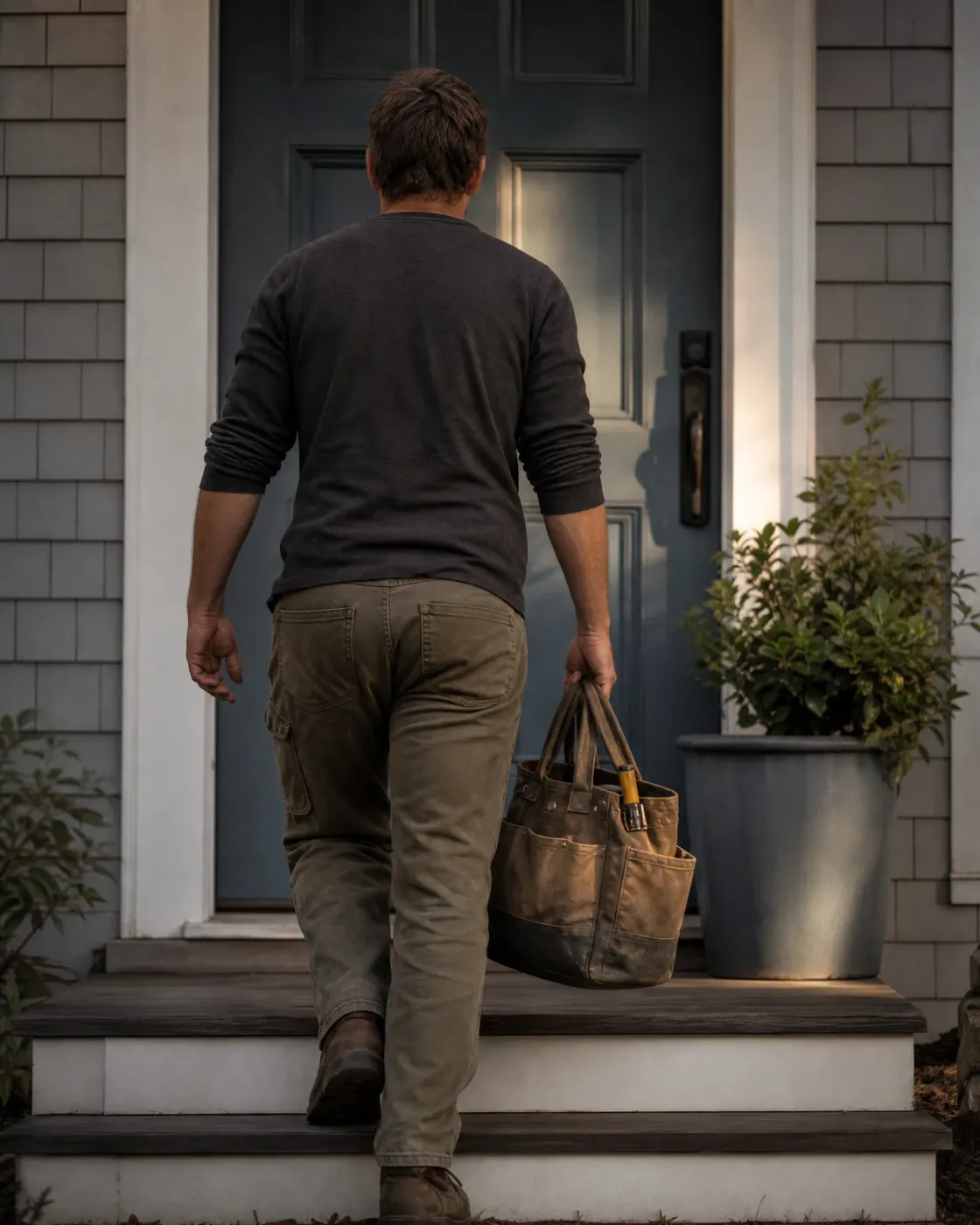
A man in a dark long-sleeved shirt and olive work pants carries a canvas tool bag up steps toward a blue-gray front door of a shingled house, with a potted shrub beside the entry.
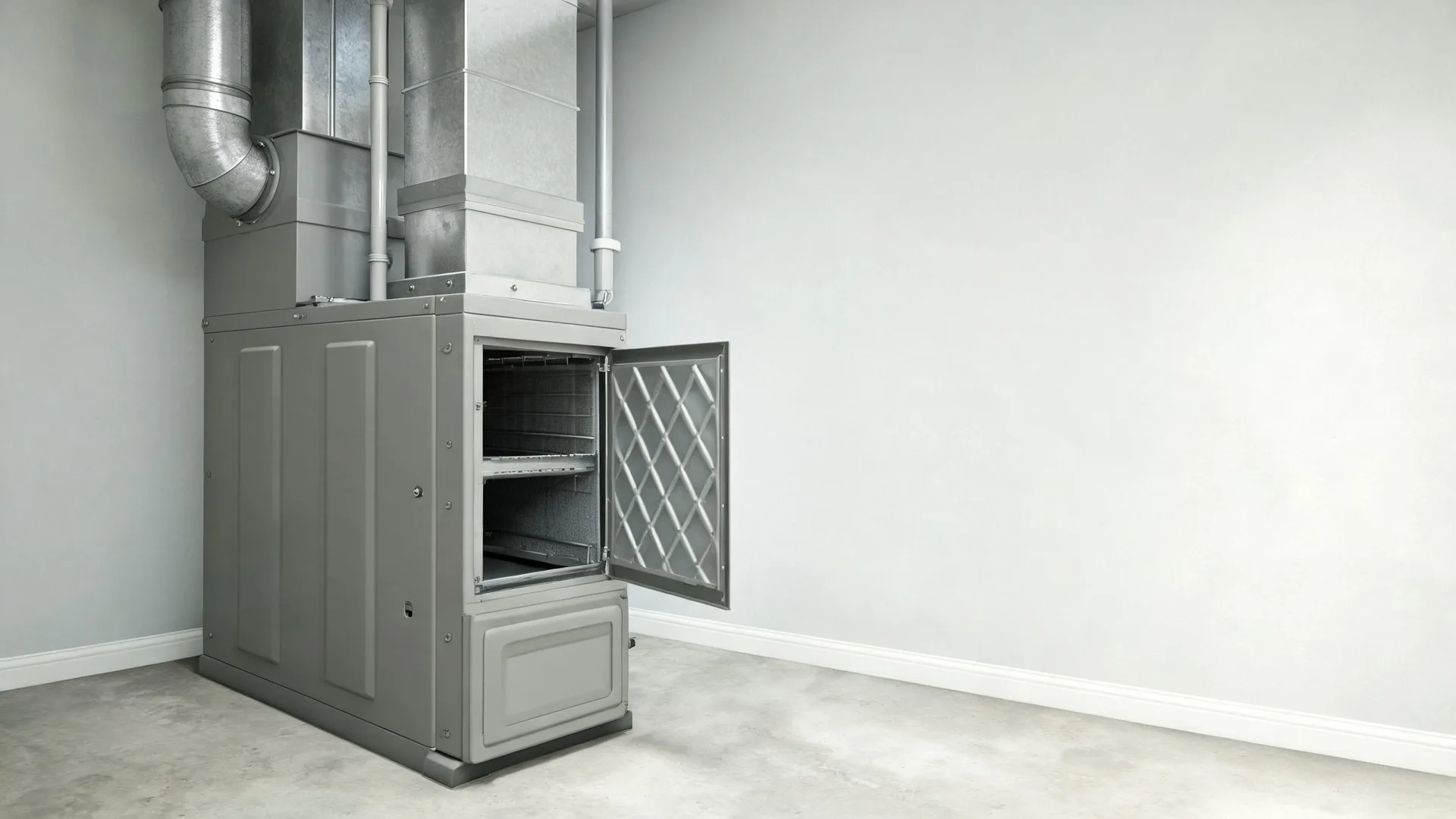
A gray high-efficiency gas furnace installed in an unfinished basement, surrounded by gas lines, a condensate drain, and sheet-metal ductwork.

Five months of work a year

Five months of work, then the furnace sits idle until next November. That's time for a technician to find and fix one bad part without the rest of the system fighting them. If this furnace has been reliable until now, the smart move is finding out what's actually wrong before anyone brings up replacing it.

Dirty filters cause more failures than any part

A clogged filter starves the blower and the heat exchanger of airflow. The furnace overheats and shuts itself off on a safety switch, or the exchanger cracks from the extra heat stress. Checking the filter is the first thing worth ruling out before anything gets opened up.

A pressure switch or inducer motor problem shows up as a furnace that won't start at all

The inducer motor has to clear exhaust out of the heat exchanger before the burner's allowed to light. If the motor's weak or the venting is blocked, the pressure switch won't close and the furnace just sits there. It's not the same repair as an ignition problem, even though both look like a dead furnace to the person standing in front of it.

A furnace that needs attention rarely hides it. The burner lights, then the whole house shudders when the blower kicks on. Or it ticks and clicks trying to light and never does. A short cycle, where the furnace runs for a minute and shuts off, usually means it's overheating and tripping a safety switch. Warm air that isn't warm enough can mean a weak flame or a blower pulling more air than the burner can heat. A burning smell the first few times it runs each season is normal dust burning off. A burning smell that lingers, or a smell like rotten eggs, means stop and call someone.

A diagnostic visit starts with questions, not tools. When did it start, what does it sound like, has anyone smelled anything unusual. Then the technician watches it run through a cycle, because a furnace that fails on startup points somewhere different than one that fails after it's been running a while. They'll pull the filter, check the flame through the viewport, and test the safety switches before opening anything up. Most of the time goes into narrowing down which part is actually at fault, not swapping parts to see what helps. A furnace that gets misdiagnosed tends to act up again soon after, so the visit is worth doing right the first time.