






Three white clapboard houses with wraparound porches glow with warm interior and landscape lighting beneath Spanish moss-draped oak trees at dusk.

Furnace Installation in Kingstree, SC

Tell us about the job

Takes about a minute. No obligation.

New system or replacementFurnace or heatingWilliamsburg County, SC
Step 1 of 2

What ZIP code is the job in?

Most homes in Williamsburg County heat with electricity, at 84.9%. That's what you're likely replacing if your current furnace is on its way out, and it points to an electric furnace or heat pump system rather than gas. Utility gas only reaches 3.1% of homes here, so a gas line usually isn't sitting there waiting to be used. Bottled or LP gas shows up more, at 9.1%, in the spots gas service doesn't reach. If your old system ran on electricity, going electric again is the straightforward path, no new fuel line to run, no gas service to arrange.

5 months
November through March, your furnace is on duty
37°F
the average winter night it heats against
80% AFUE
the federal minimum any new unit must meet
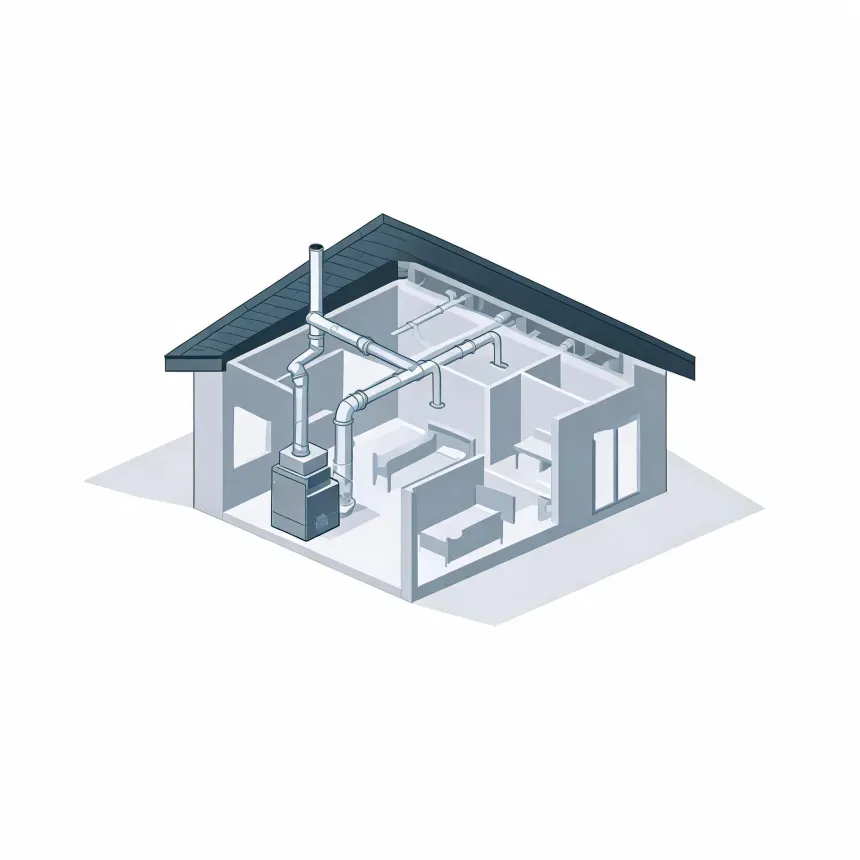
Isometric cutaway illustration of a small single-story house showing interior rooms, a furnace unit with a flue, and connected ductwork running below the dark gabled roof.
Your furnace works hardest from November through March.

NOAA nClimDiv, 1991–2020 normals

The old furnace doesn't get reused or reinstalled anywhere else once it's pulled.

Disconnecting it is part of the installation job, not something left for you to arrange separately.

October is the month to get it done, before heat season starts in November

Heat runs November through March
Winter nights average 37°F
Climate zone 3A
A furnace sized right for KingstreeElectricity ran $41.71 per million Btu in South Carolina in 2024, and a standard system is built for that.

A furnace sized right for your house works fine in Kingstree, no matter when it was built. Half the homes in Williamsburg County were built in 1985 or earlier, half in 1985 or later, and that split doesn't change what size unit a house needs. What matters more here is that mobile homes make up 39.5% of the housing stock. If yours is one of them, the installer will use a furnace rated for manufactured housing, built and sized for that kind of space. Outside of that, there's nothing about homes here that calls for anything other than a standard system sized to the house.

Replace it before the season

Replace it before the season starts, so it happens on your schedule, not in a hurry.

Find a contractor
A man in a cap, dark long-sleeve shirt and dirty work pants walks up wooden steps toward a dark gray front door, carrying a canvas tool bag in his right hand, with a potted shrub beside the entry.
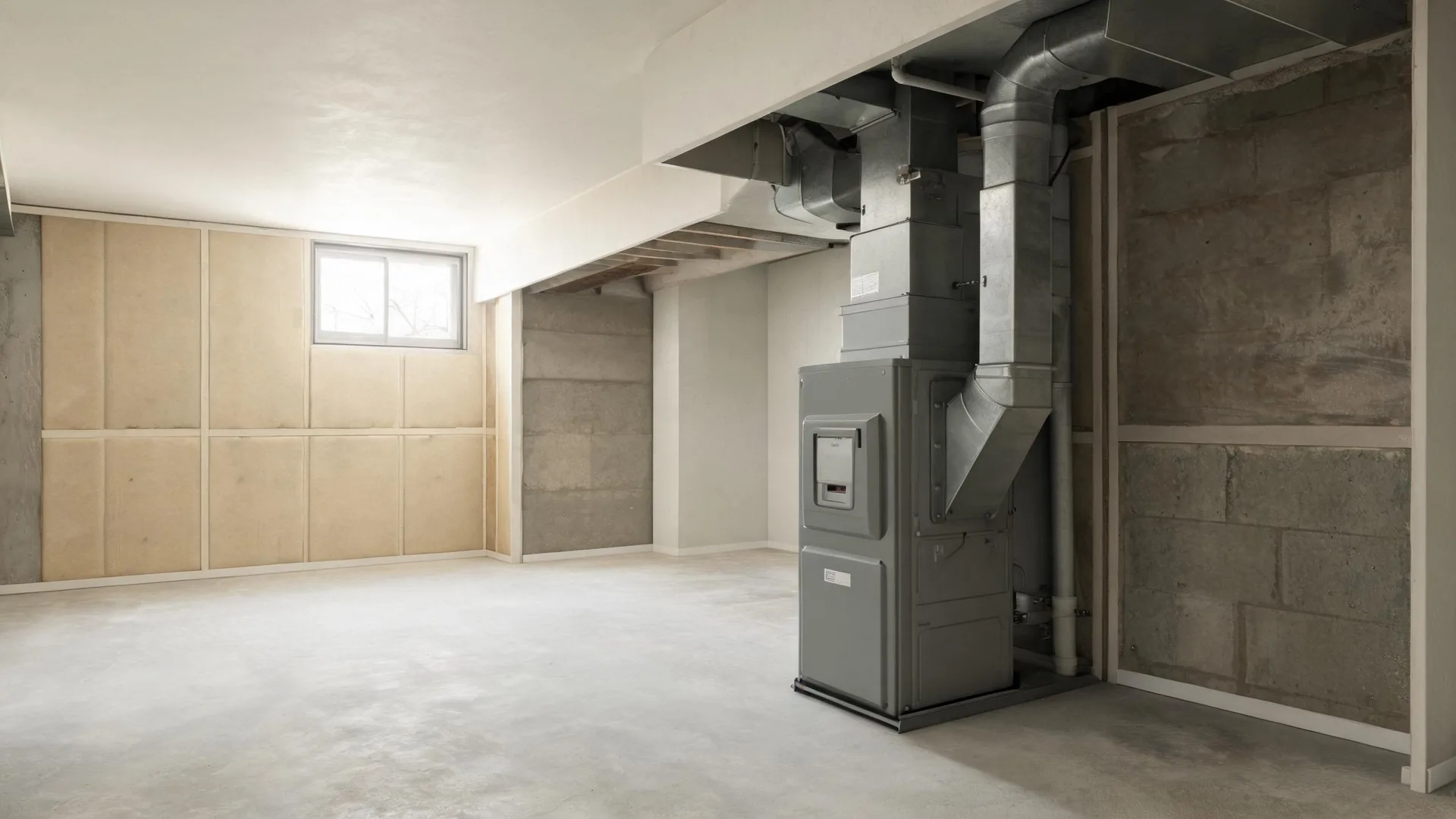
A gray gas furnace with attached ductwork and piping installed in an unfinished concrete basement.

What to ask before you decide

Ask how long each system is expected to last with normal upkeep, not just what the warranty covers. A furnace that runs steadily for years needs its filter changed on schedule and its burner or heating element checked yearly, and the quote should account for that service, not just the install. Ask what happens to efficiency as the unit ages. Some systems hold their output for a long time with basic maintenance, others lose ground if a coil or heat exchanger gets neglected. Find out what part of the system wears first, since that tells you what you'll be replacing down the line and what to watch for. And ask what the installer does differently for a system that runs daily through a long heating stretch versus one that only kicks on now and then, because the right unit for steady, frequent use isn't always the same one that makes sense for light, occasional runs.

Bigger isn't better

A furnace too big for the house heats the air fast and shuts off again before the rooms even out. That short cycling wears the heat exchanger and the blower motor faster, and it leaves cold spots because the air never runs long enough to reach every room.
The load calculation

An installer works out furnace size from the house itself. Square footage, window area, insulation, ceiling height, how many exterior walls are exposed, all of it feeds a room by room heat loss calculation. That's not a guess based on the old unit's size or a flat rule of thumb. A furnace that matches the calculation runs longer, steadier cycles and heats the house evenly.

The efficiency rating on a furnace label tells you how much of the fuel it burns turns into heat for your house versus how much goes out the flue. A higher rated furnace wastes less, so less of what it uses passes through without warming anything. That rating is fixed at the factory and doesn't change with how big your house is or how cold it gets outside, it's a property of the unit itself, not the install. A high efficiency furnace usually vents through PVC pipe instead of a metal flue, since the exhaust runs cooler, and it has a condensate line to drain off the moisture that collects as it runs. That drain needs to stay clear, because a clogged one is a common reason a high efficiency furnace shuts itself down. Ask what rating fits a system sized for your house, since matching the furnace to the house is what makes that rating mean anything day to day.

Installation takes most of a day, sometimes longer if ductwork needs changes. The old furnace comes out first, disconnected from its venting, ductwork and power or gas supply. The installer sets the new unit, connects the supply and return plenums, and runs new venting if the system calls for a different type than the old one. Electrical and any gas or condensate lines get hooked up and tested before anything else happens. Once it's in place, the installer fires it up, checks the temperature rise across the heat exchanger, and confirms airflow at the registers. A combustion analyzer or amp reading on the blower motor tells the installer the system is running the way it should before they call the job done.