Weather here is hard on outdoor equipment
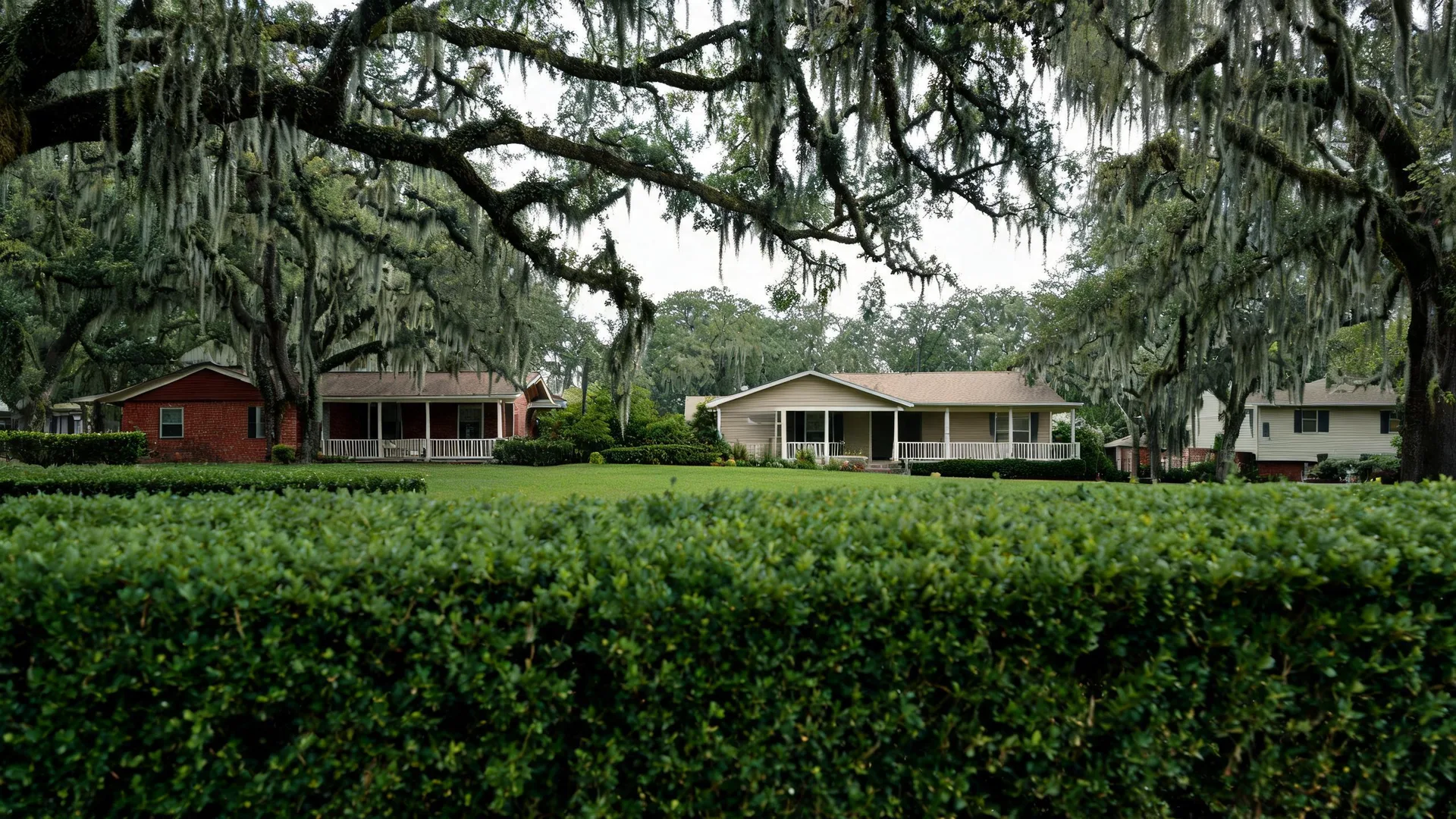
Laurens County logged 84 severe weather events between 2015 and 2024, most of it damaging wind. A furnace install often comes with outdoor equipment too, and that's what sits through it.
Takes about a minute. No obligation.
Laurens County logged 84 severe weather events between 2015 and 2024, most of it damaging wind. A furnace install often comes with outdoor equipment too, and that's what sits through it.
Nearly half of South Carolina households went at least 24 hours without power in 2024. A gas furnace still needs electricity to run its blower and controls, so an outage shuts it down the same as an electric system. Worth asking an installer about backup power options before the next one hits.

NOAA nClimDiv, 1991–2020 normals
Most homes in Laurens County heat with electricity, at 62.9%.
A furnace installer here is most often replacing an electric system with another one, not converting it to gas.



Furnace here runs about five months a year, November through March. Nights average 34°F in December, January and February, cold enough to need steady heat but not the kind of extreme that pushes a system hard night after night. That's a shorter, milder season than a lot of the country sees. A furnace sized right for this place spends most of its time working well under its limit. That's less wear over the life of the system, and it means a mid-range unit, installed right, does the job for most homes in the county. The top-tier efficiency models have less to prove here, since there are fewer hours on the clock for them to run.
At $41.71 per million Btu, electricity here costs what it costs across the state. A standard furnace, sized right for this county's mild winters, keeps that cost in check without paying extra for efficiency this climate won't use. Get a quote on a system built for Laurens County.
Find a contractor
Furnace season here runs November through March, about five months. Replace it in October and it's in and tested before that first cold night, not diagnosed on it. Wait for it to fail mid-winter and the install happens on whatever day a crew can get there, in whatever weather that day brings.
A furnace that's too big cycles on and off instead of running steady, which wears the heat exchanger and leaves rooms uneven. A contractor should size it off a heat loss calculation for the house, not just swap in whatever matches the old unit's output.
The furnace only moves air as well as the ducts let it. A new unit connected to the same old supply and return can end up choked down or leaking air into a crawlspace or attic. Worth asking if anyone's checking duct size and sealing before calling the job done.
The unit itself is only part of what you're paying for. Sizing takes real work, a contractor running a heat loss calculation room by room rather than guessing off the old furnace's rating, and that time shows up in the price. Ductwork is another piece. If the supply and return can handle the new furnace as is, the install goes faster. If a duct run needs resizing or sealing to match the new unit, that's extra labor before the furnace ever gets bolted in. Venting matters too, since a furnace has to exhaust safely to the outside, and how that's routed depends on where the unit sits and what's already in the house. None of this shows up in a number stuck on the side of the furnace, but it's most of what separates one quote from another.
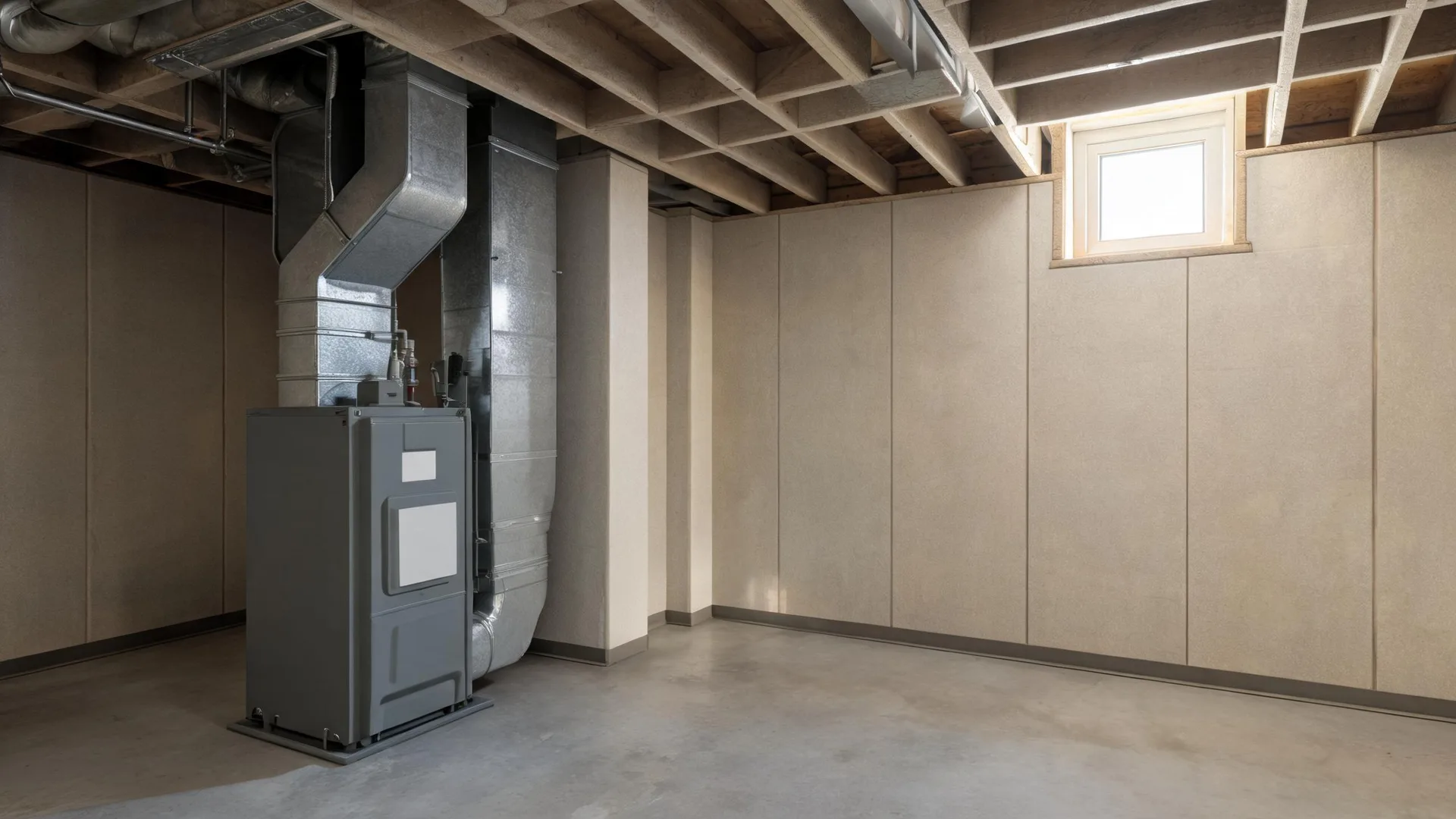
Install day starts with the old furnace coming out. That alone can take a while once the gas or electrical hookups are disconnected and the unit's free from the ducts. The new furnace gets set in place, leveled, and tied into the supply and return plenum. Then it's connected to the gas line or electrical circuit it runs on, and the venting gets run to the outside the way that model calls for. A tech checks gas pressure or electrical draw, confirms the blower runs at the right speed, and checks every joint for leaks, gas or condensate. The last step is running the system through a full cycle. Watching how it ignites, how it ramps up, how it shuts off. Nobody should call the job done before that happens.