

Heat pump vs furnace in Laurens County, South Carolina

Find an Installer

Replacement quotes in Laurens County

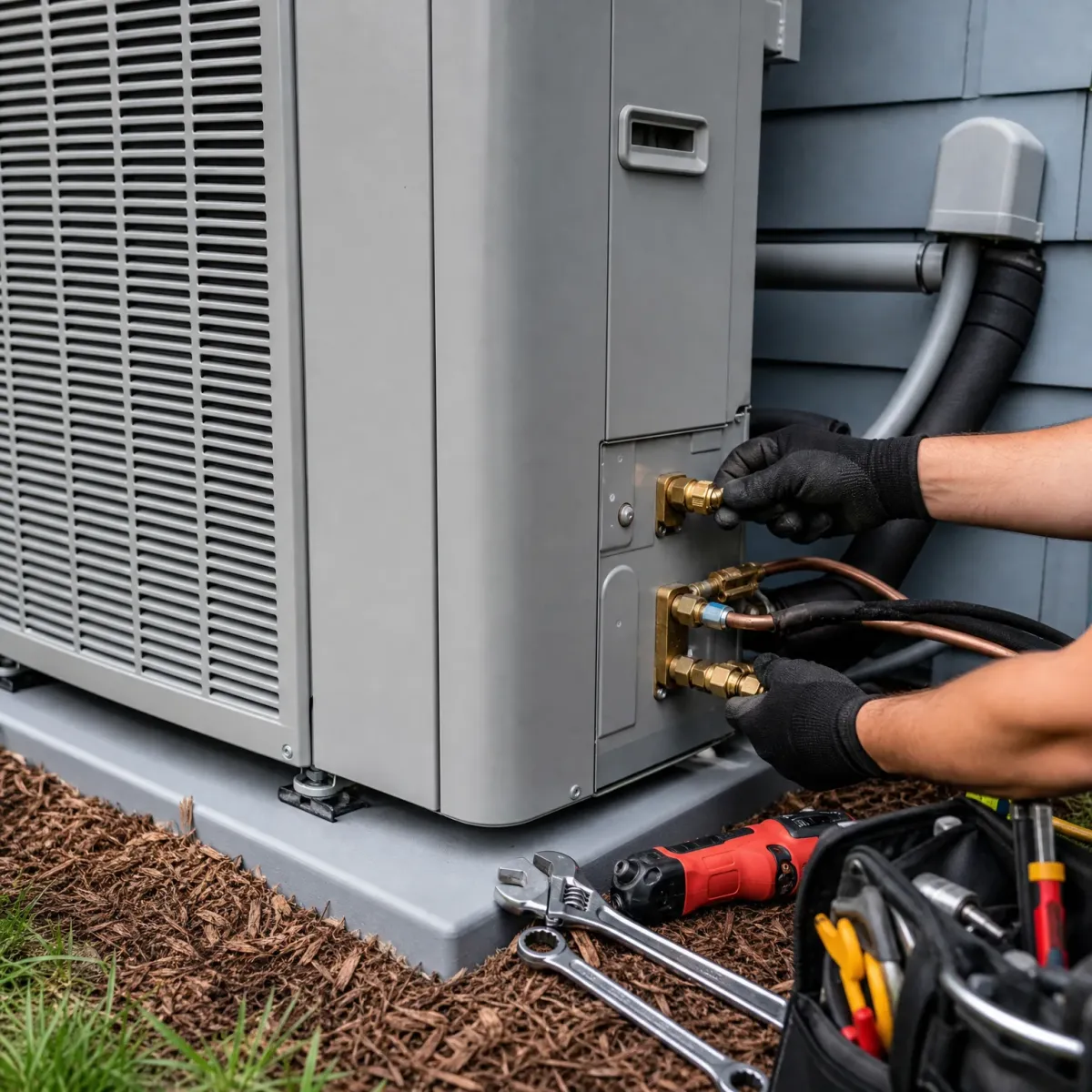
A person wearing black gloves connects copper refrigerant lines to brass service valves on the side of a gray outdoor condenser unit, with a wrench, a power tool and a tool bag on the mulch bed in the foreground.

Tell us about the job

Takes about a minute. No obligation.

New system or replacementLaurens County, SC
Step 1 of 3

What kind of equipment?

Which costs less to run in Laurens County?

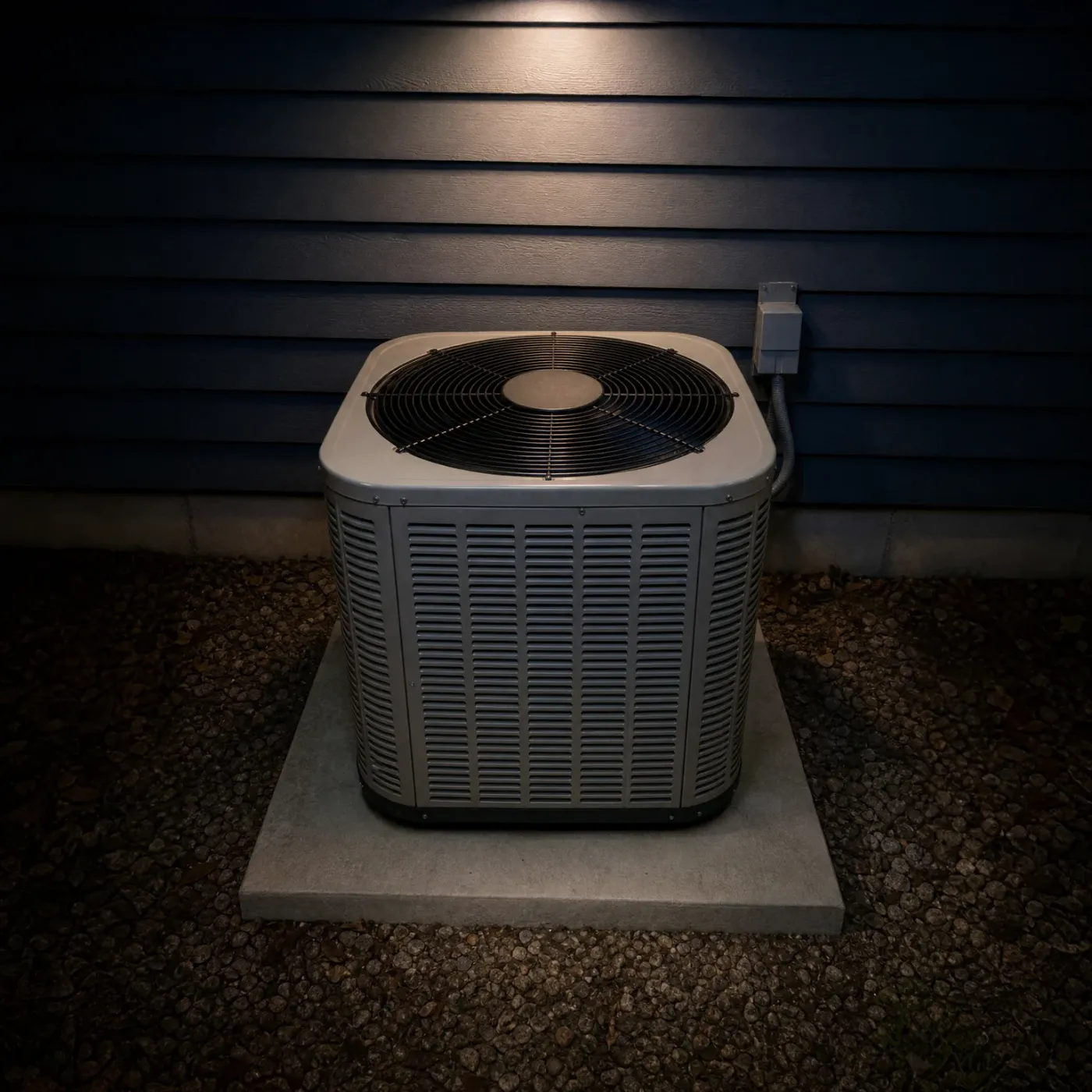
An outdoor air conditioning condenser unit on a concrete pad surrounded by gravel, against dark horizontal siding with an electrical disconnect box and conduit, lit from above at night.

Heat pump

To heat your home here$1.90per 100,000 Btu

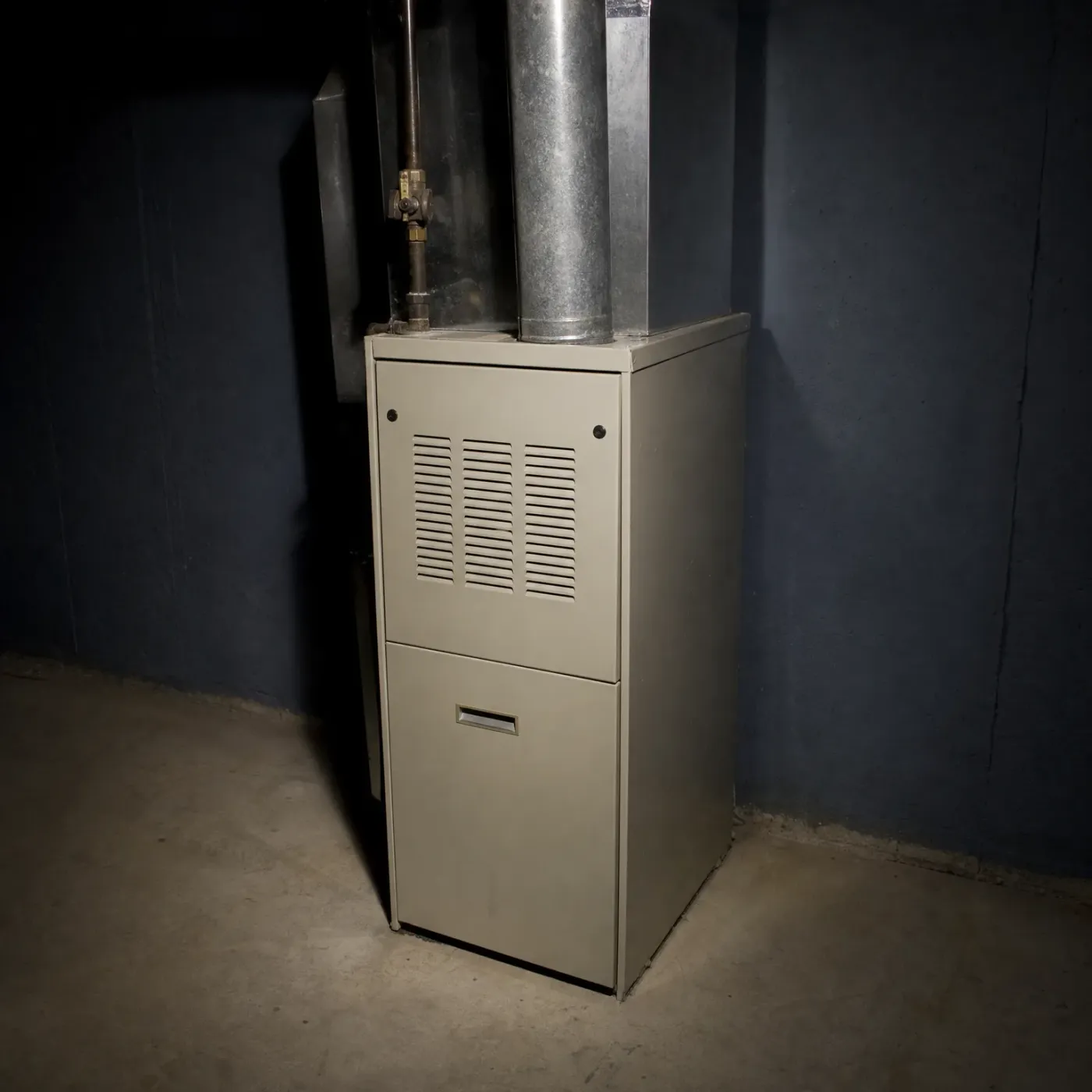
A beige sheet-metal furnace with a louvered upper panel stands against a dark gray basement wall, with galvanized flue ducting and a gas pipe with a valve rising from its top onto a concrete floor.

Furnace

To heat your home here$2.05per 100,000 Btu

At South Carolina's gas and electricity prices, a heat pump makes the same heat as a gas furnace for about 7% less.

Btu stands for British thermal unit, the standard measure of heat energy.

Where does a heat pump shine?

  • Steady, even comfort

    A heat pump runs long and low instead of blasting on and off. Rooms hold an even temperature all day.

    A living room at night with a lit stone fireplace, a light-colored dog lying on a rug, a blue armchair with a throw blanket and open book, a gray sofa, a lit table lamp by a window, and a wooden coffee table with a mug.
  • No gas line, nothing burning in the house

    A heat pump runs on electricity alone. Nothing burns inside the house.

    A kitchen with dark blue cabinets, light speckled stone countertops, an induction hob with a stainless steel kettle, a bowl of pears, flowers in a glass jar, open wood shelves with ceramics, and a grey upholstered chair in the foreground.
  • Heats and cools in one system

    Winter and summer are covered by the same outdoor unit. That's one machine to service instead of two.

    A living room with a grey three-seat sofa with navy and beige cushions and a dark throw, set before a large multi-pane window looking onto green trees, with a rustic wood coffee table holding plants, bowls and books on a woven rug, a grey panelled door at left and an exposed wooden beam above.

Where does a furnace shine?

  • Pairs with any central AC

    The ductwork that delivers heat in winter delivers cool air in summer once an AC coil is added.

    A metal floor vent register set into hardwood flooring near a window with a sheer curtain, with a dark blue door, white baseboards, and a gray woven rug nearby in sunlight.
  • Fast, strong heat on demand

    A furnace pushes out hot air within minutes of switching on. A cold house warms up fast.

    A mudroom with a dark gray glass-paned exterior door, sheer curtain, built-in benches with coats and a scarf hung above, winter boots on a stone tile floor, a woven jute rug, a basket, and a steaming mug on a wooden bench.
  • Proven, simple, easy to get serviced

    Gas furnaces have heated homes for generations. Almost every HVAC tech knows them inside and out.

    A gloved hand holds a white pleated air filter with a cardboard frame in front of indoor shelving holding a folded blanket, a pitcher, and storage boxes.

Can a heat pump keep up on the coldest nights here

Your heat runs five months a year here, November through March, and the overnight low in those months averages 34°F. That's already below the point where a standard heat pump starts to struggle. Below 40°F a standard heat pump puts out less heat than its rating says, and below about 35°F it often needs backup heat to make up the difference. Your average winter night is under both marks.

About 75 nights a year here drop to freezing or below, roughly half the nights across the whole heating season. Every one of those nights is cold enough to pull a standard heat pump below its rated output. That doesn't mean the house goes cold. It means the system leans on backup heat, usually electric resistance coils, to make up the gap. That backup heat costs more to run than the heat pump itself.

What saves this climate for a heat pump is how rarely it gets truly cold. Fewer than one night a year here reaches 0°F, and of the 75 nights at or below freezing, essentially none reach that mark. A heat pump built to the ENERGY STAR Cold Climate standard is tested to hold at least 70 percent of its heating power at 5°F and still turn one unit of electricity into 1.75 units of heat there. Laurens County almost never asks a system to do that. A field test of these cold-climate units in occupied homes found backup heat covered only a small share of the total heat needed between 0°F and 35°F, and running on backup alone was rare even above 0°F. Your coldest nights here sit well inside the range those systems are built for.
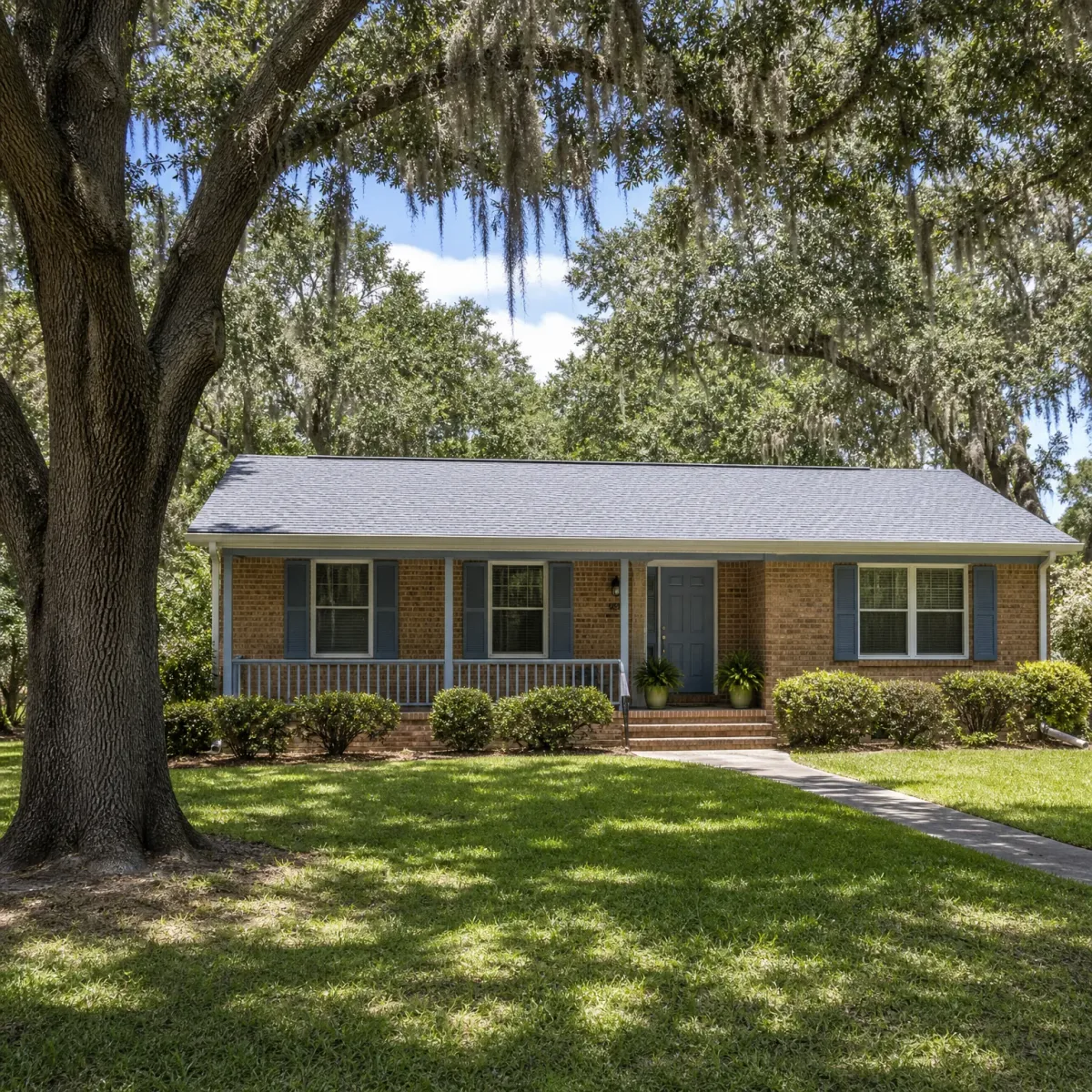
A single-story brick ranch house with blue shutters, a blue front door, a covered porch and gray shingled roof, set on a mowed lawn with a concrete walkway and a large moss-draped oak tree in the foreground.

What this means for your bill and your AC

A heat pump costs less to run here than a gas furnace. At South Carolina's average fuel prices, a heat pump makes 100,000 Btu of heat for $1.90, a furnace for $2.05. The furnace burns gas more efficiently than the heat pump uses electricity, but gas costs more here, $16.37 per million Btu against $41.71 for electricity, and that price gap decides it.

A furnace only heats. For the other seven months of the year, cooling has to come from a separate air conditioner, and your cooling season here runs about as long as your heating season, five months of each. A heat pump does both jobs with one system, no separate AC to install, maintain or eventually replace.

Right now about three in five homes in Laurens County heat with electricity and about three in ten heat with gas. If your house already has a gas line and ductwork sized for a furnace, pairing that furnace with a standard central AC is the simpler path, and it heats hard and fast on the coldest nights without leaning on backup coils. If you're choosing a system without that gas infrastructure already in place, a heat pump costs less to run, handles this county's cold without much backup heat most winters, and covers your summers too.

Sources: NOAA nClimDiv · NOAA 1991–2020 seasonal normals · PNNL Building America guide · PNNL-37127 field study · ENERGY STAR product criteria · EIA SEDS 2024 · 10 CFR 430.32 · Census ACS 2020–2024

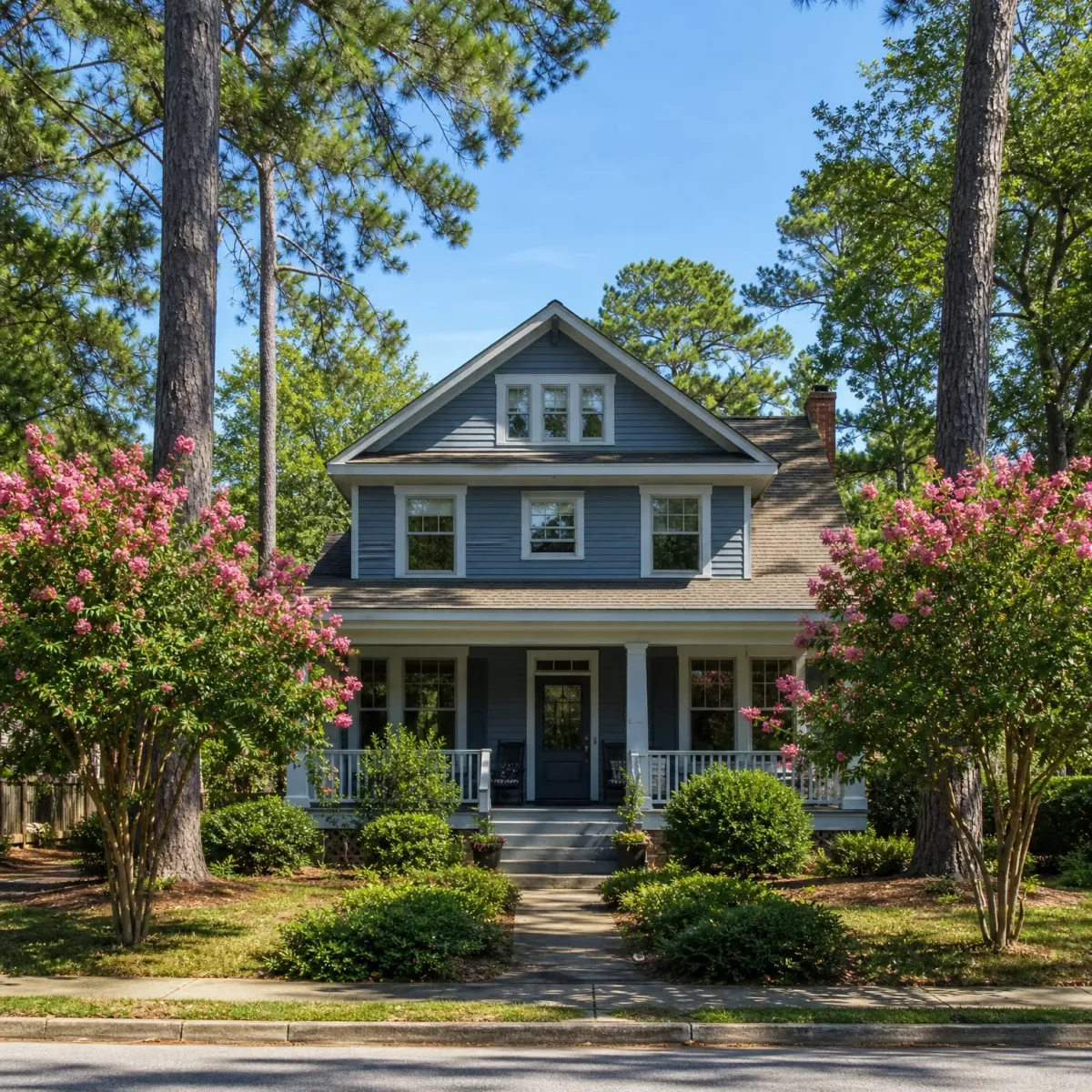
A two-story blue clapboard house with white trim, a covered front porch with columns and railings, and a gabled dormer, flanked by pink-flowering crape myrtles and tall pine trees, with a walkway leading to the street.

Common questions about heat pumps and furnaces

  • Will a heat pump keep my house cool enough here?

    Yes. A heat pump is a central air conditioner in the summer months, with the same cooling capacity you would get from pairing a furnace with a separate AC unit. Afternoons here reach 90°F or above on about 65 days a year, and the heat pump handles that the same way any central AC would, since the cooling side of the system does not change based on how the house is heated.

  • Can I keep my furnace and add a heat pump?

    You can, and in a cold climate it is a common setup. The heat pump carries the heat down to the temperature where it stops keeping up, then the furnace takes over for the coldest stretches instead of a backup electric coil. Here the heat pump's output falls short of its rating below 40°F and it often needs backup help below about 35°F, so the furnace would be doing real work on a good number of the roughly 75 nights a year that fall at or below freezing.

  • What if my house doesn't have a gas line?

    A heat pump is worth a close look, since without a gas line the furnace alternative is propane or oil, both of which cost more to keep filled than running a gas line would. A heat pump also gives you cooling for the five months a year AC runs here, which a propane or oil furnace does not. Electricity already heats close to two out of three homes in Laurens County, so the setup is a familiar one for contractors here.

  • Is a heat pump cheaper to run than a furnace in Laurens County?

    Yes. A heat pump runs at $1.90 per 100,000 Btu of heat here against $2.05 for a gas furnace, so it costs less to make the same heat at South Carolina's current fuel prices. That gap holds for a heat pump built to the federal minimum efficiency. It does not include any backup heat the heat pump might need on the coldest nights, which would add to its cost.