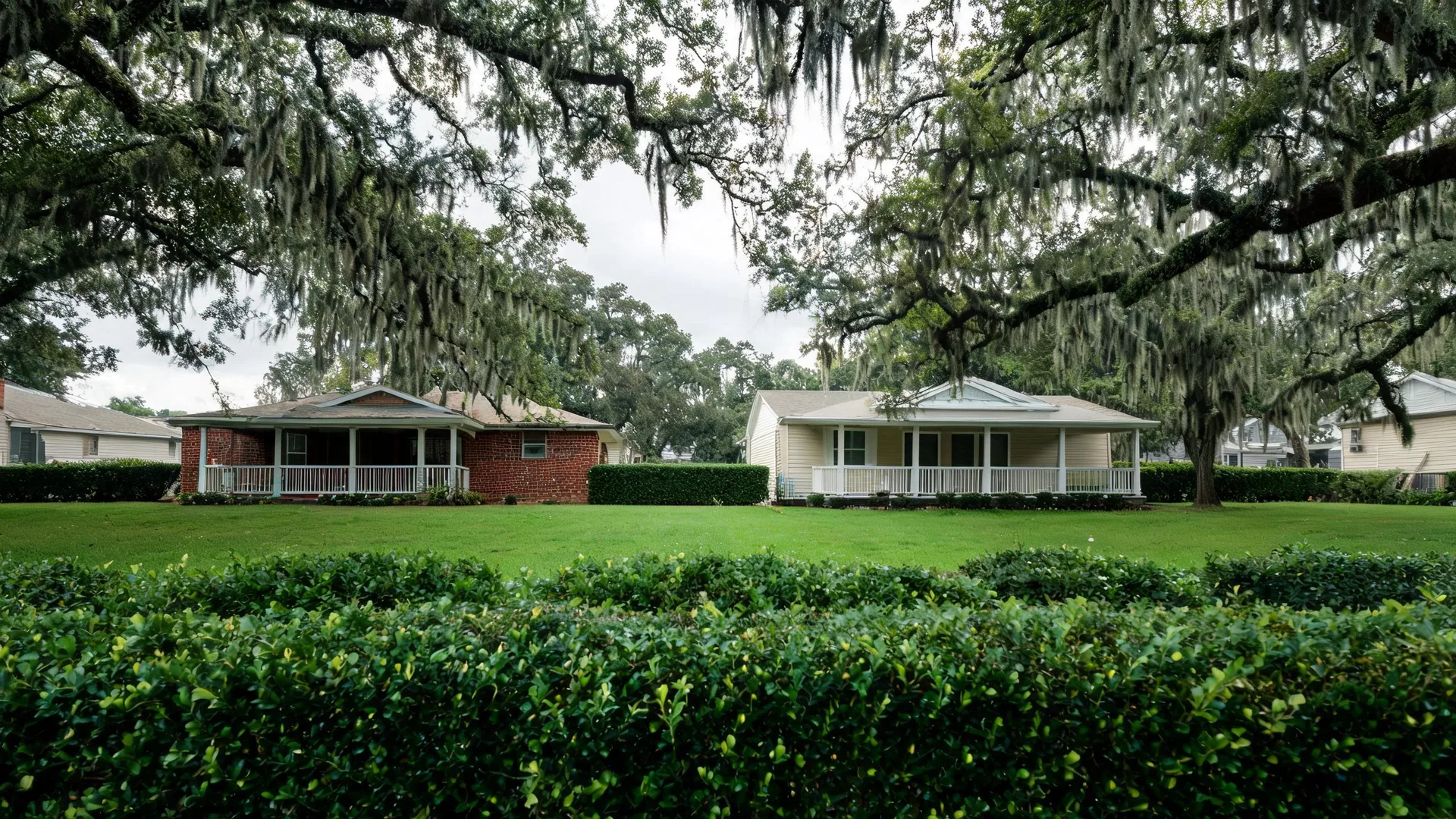




Two single-story houses, one brick and one with pale siding, both with covered porches, sit behind a mowed lawn and a trimmed hedge, framed by large oak branches draped with Spanish moss under an overcast sky.

Furnace Installation in Georgetown, SC

Tell us about the job

Takes about a minute. No obligation.

New system or replacementFurnace or heatingGeorgetown County, SC
Step 1 of 2

What ZIP code is the job in?

Electricity heats 87.6% of homes in Georgetown County. Utility gas reaches 7.2%, and propane another 3.4%. If your house already runs on electric heat, a straight swap keeps things simple, and most installers here work on electric furnaces and heat pumps more than any other setup. That matters when a storm knocks out power for a stretch, since the system going back in is one the local crews already know well. Gas furnaces are far less common in this county, so if yours runs on gas or propane, say so up front and make sure the installer is working from what you actually have, not what's typical here.

5 months
November through March, your furnace is on duty
38°F
the average winter night it heats against
80% AFUE
the federal minimum any new unit must meet
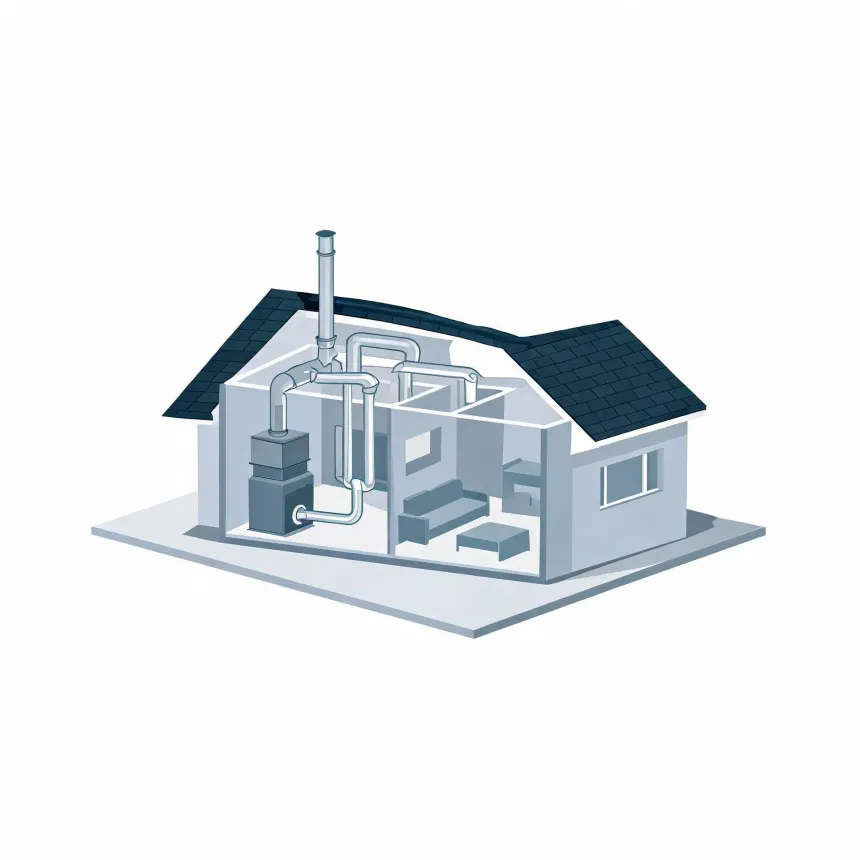
Isometric illustration of a cutaway single-story house showing a gray furnace unit, connected ductwork, and a vertical flue extending above the dark shingled roof.
Your furnace works hardest from November through March.

NOAA nClimDiv, 1991–2020 normals

Furnaces here don't need to be oversized or loaded with extra features to do the job.

A standard furnace sized to your house heats it fine, storm or no storm.

October gives you the time to do this right, before heat season starts in November

Heat runs November through March
Winter nights average 38°F
Climate zone 3A

The size of the furnace matters more than any feature on it. A unit too big for the house cycles on and off fast, which wears the heat exchanger and never quite evens out the rooms. A unit too small runs long stretches and still falls short on the coldest days. Getting that size right means a contractor measuring the house, not reading a chart off the old unit's label. The ductwork already in place plays into cost too. If it was sized for a different furnace or has leaks and bad runs, fixing that is part of the job, not an add-on. Venting matters as well, since a furnace moves exhaust out through a specific kind of pipe, and if the new furnace burns fuel more efficiently than the old one, the existing vent may not be the right match anymore.

A furnace here doesn't have to work hard to keep up

Five months of heat a year, and overnight lows averaging 38°F even in the dead of winter, means a furnace here isn't working hard most of its life. A standard, reliably built system can handle what this climate asks of it without needing top-tier efficiency to do the job.

Find a contractor
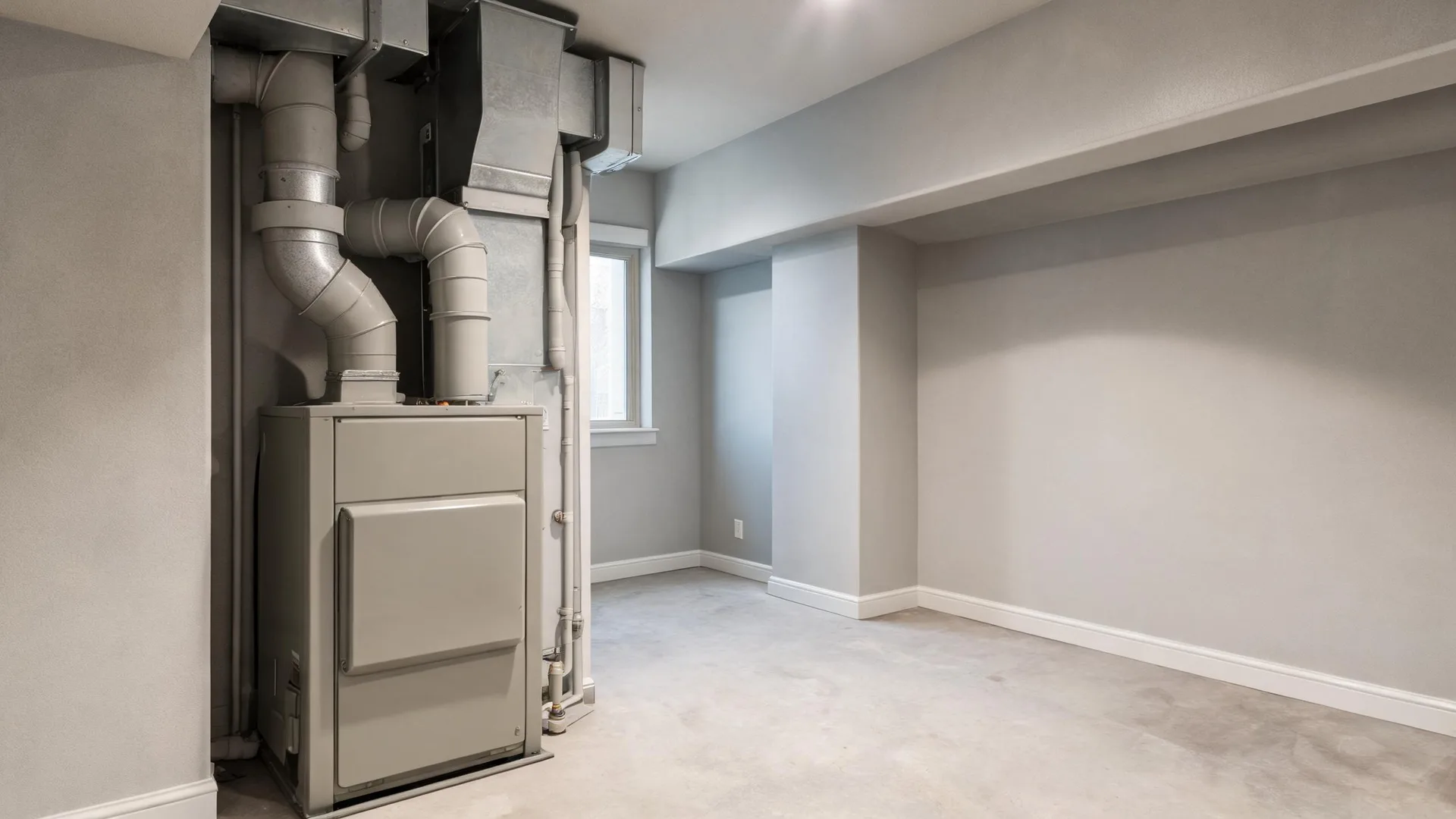
A gas furnace with attached ductwork, gas piping, and condensate lines installed in a concrete-block basement.

Five months of work a year

Pick for reliability over efficiency rating. A well-built standard furnace will outlast the five months a year it actually has to run, and a straightforward unit is easier for a local crew to service fast when you need heat back after an outage.

Ask what the AFUE rating actually gets you here

A higher efficiency furnace costs more up front and burns less fuel doing the same job. Before paying for that jump, ask how many years of fuel savings it takes to earn back the difference. In a mild climate that math can take a long time to pencil out.
Ask what happens to the vent pipe

A furnace that burns fuel more efficiently runs cooler exhaust, and cooler exhaust needs a different kind of vent pipe to carry it safely. If the new furnace is a step up in efficiency from the old one, ask straight out whether the existing vent gets reused or replaced. Reusing the wrong vent is a safety problem, not a shortcut.

The AFUE number on the label tells you how much of the fuel burned turns into heat in the house, and how much goes out the vent. A furnace rated higher wastes less fuel doing the same job. That number only describes the burner and heat exchanger, not the whole system. It won't tell you if the ductwork moving that heat is sized right or leaking in the attic. Furnaces with the same rating can still heat a house differently depending on how well the rest of the system was put together. The rating is a start on the spec sheet, not the full answer to how the house will feel.

Installation day starts with the old furnace coming out, and that's when a lot of jobs change course. Once the panels are off, a crew can see things the estimate couldn't account for, a cracked heat exchanger, ductwork that was never sealed right, a vent pipe too narrow for code. The new furnace goes in on its pad or in its closet, gets leveled, and gets tied into the ductwork, the gas line or electric circuit, and the vent. Each connection gets tested before anything is closed up. Gas lines get checked for leaks. Electrical gets checked for correct draw. The system runs through a full cycle, heating up and shutting down, while the crew watches the flame or the elements and checks that air is moving the way it should at the registers. A furnace that passes all that gets buttoned up and left running, not just switched on and left alone.