




Two white Southern-style homes with wraparound porches lit by landscape lighting at night, flanked by live oak trees hung with Spanish moss.

Furnace Installation in Hilton Head Island, SC

Tell us about the job

Takes about a minute. No obligation.

New system or replacementFurnace or heatingBeaufort County, SC
Step 1 of 2

What ZIP code is the job in?

Ask what size furnace they're proposing, and ask how they got that number. It should come from a load calculation on the house itself, not a quick look at the old unit or a guess based on square footage. A furnace too big cycles on and off instead of running steady, which wears out parts faster and leaves rooms uneven. Ask about the venting too, since a new furnace may need a different vent than the one it's replacing, and that changes the job. Get the efficiency rating in writing and ask what that means for the flue material, because higher efficiency furnaces vent differently than older ones. Last, ask who pulls the permit and does the inspection. A contractor who skips that step is cutting corners you won't see until something goes wrong.

5 months
November through March, your furnace is on duty
42°F
the average winter night it heats against
80% AFUE
the federal minimum any new unit must meet
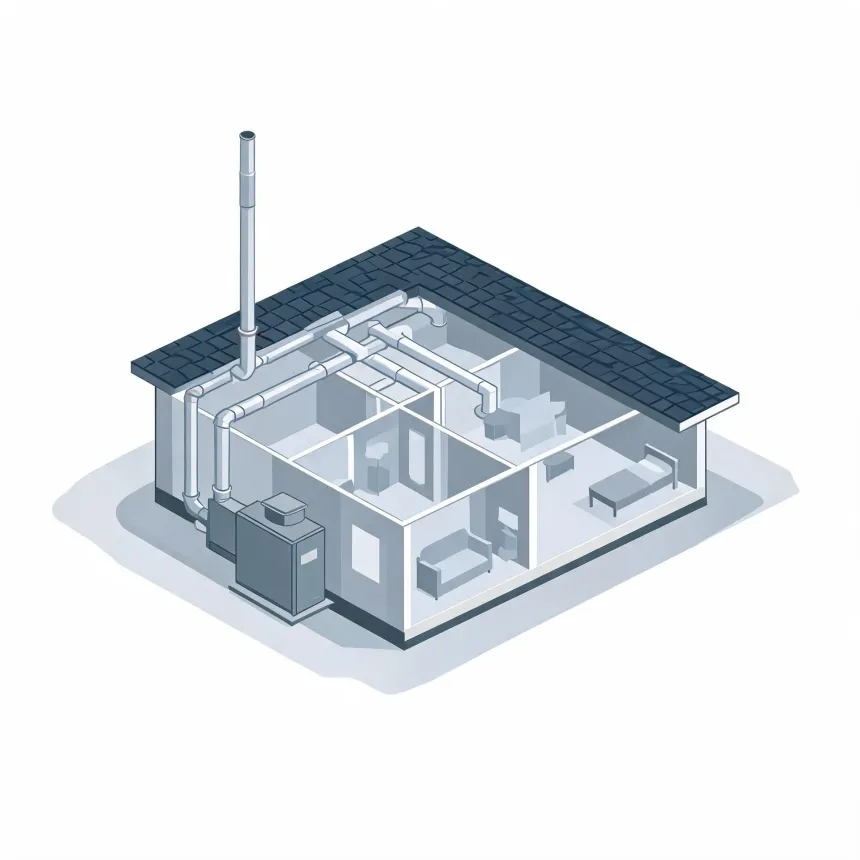
Isometric cutaway illustration of a single-story house with a dark shingled roof, showing interior rooms with furniture, a ducted air distribution system, a tall vertical flue pipe, and a gray furnace unit outside the wall.
Your furnace works hardest from December through February.

NOAA nClimDiv, 1991–2020 normals

Electricity in South Carolina ran $41.71 per million Btu in 2024.

A correctly sized furnace at a standard efficiency rating is what keeps that cost in line, nothing more is needed for a Hilton Head Island home.

On Hilton Head Island, electric heat is the default, not the upgrade

79.8% of homes heat with electricity
Heat runs November through March
Winter nights average 42°F

Furnace here runs November through March, five months a year. October is the month to get a new one installed, before the first cold night puts you in a rush. A contractor working on your schedule can do a proper load calculation, check the venting, and pull the permit without skipping steps to get you heat by tomorrow. Wait until November and you're choosing from whoever can come out fastest, not who does the job right.

Go with the standard fit

A standard size and efficiency fit fine here. There's no local reason to go bigger or pricier.

Find a contractor
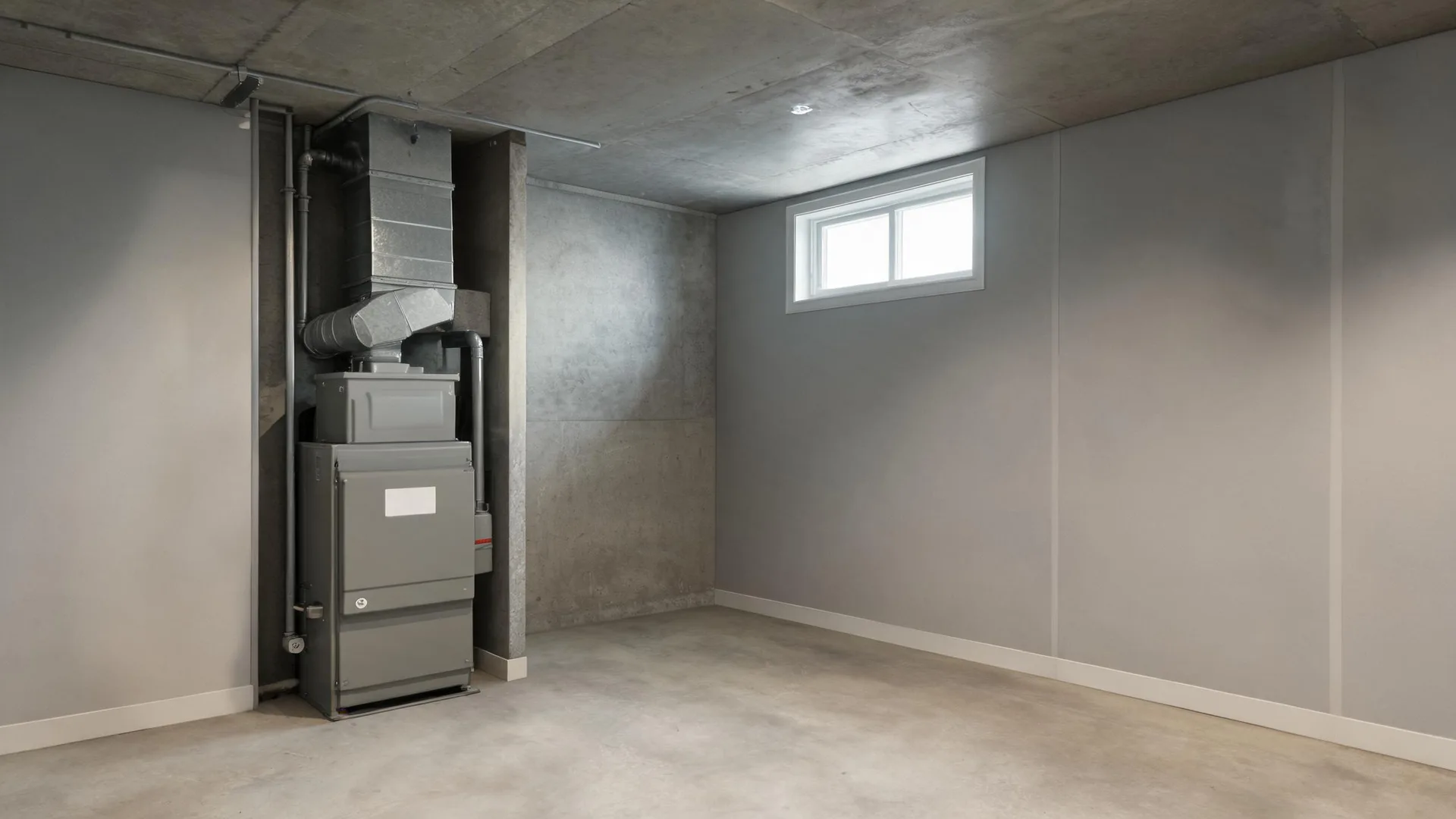
A gray residential gas furnace installed in an unfinished basement, surrounded by ductwork, a metal flue pipe, and a gas supply line.

A mild job, most of the year

Five months of heat a year, and overnight lows averaging 42°F even through January, is a light load for a heating system. It isn't running against single digits for weeks the way it would further north. That means less strain year over year, and a repair later on is more often worth making than replacing the whole system. What trouble does turn up here tends to trace back to age or a skipped service, not to the system being pushed past what it's built for.

The furnace itself is rarely the biggest line item

A furnace is one part of the installation. Ductwork changes, a new thermostat, venting work, and bringing the setup up to current code can cost more than the unit. If the quote only lists one number for 'the furnace,' ask what it includes.
The cheapest unit to buy isn't always the cheapest to install

A lower-priced furnace that doesn't match the existing ductwork or venting can mean extra labor to make it fit. A slightly higher-priced unit that matches what's already there sometimes goes in faster and cleaner, with less work to adapt the house around it.

Sizing a furnace is math, not a guess. A contractor measures the house room by room, the windows, the insulation, the ceiling height, which walls face outside. That tells them how much heat the house loses on a cold night, and the furnace gets matched to that number. Too big and it blasts the house to temperature in a few minutes, shuts off, then starts again soon after. That short cycling heats unevenly from room to room, and it puts more wear on the heat exchanger and the igniter than a furnace running in long, steady stretches. Too small and it runs constantly on the coldest days and still falls behind. The right size matches the house. It has nothing to do with the box the old furnace came in.

Install day starts with the old furnace coming out, and the duct and vent connections get checked before the new one ever goes in. If the vent material is changing, that gets run before the furnace is set in place, not patched in after. The furnace gets leveled, connected to the gas line and the duct trunk, and the electrical gets tied in next. Once it's in, the contractor fires it up and checks the flame, checks for proper draft out the vent, and measures the temperature rise across the heat exchanger to confirm it matches what the furnace is rated for. Static pressure in the ductwork gets checked too, since too much resistance strains the blower motor no matter how well the furnace itself is sized. The last step is the inspection, which is what confirms the venting and gas connections were done to code rather than just working for now.