A gray forced-air furnace with metal ductwork stands in an unfinished basement with exposed wooden joists, concrete walls, and a single hanging light bulb.

Furnace Installation in Greenwood, SC

Tell us about the job

Takes about a minute. No obligation.

New system or replacementFurnace or heatingGreenwood County, SC
Step 1 of 2

What ZIP code is the job in?

Greenwood sees its share of severe weather

Greenwood County recorded 69 severe weather events between 2015 and 2024, with damaging wind the most common. Hail and tornadoes have hit too. Outdoor equipment sits exposed to all of it, so where it goes and how it's protected is worth planning before install.

Power loss is the real risk to heat

A gas furnace still needs electricity for the blower and the igniter. Nearly half of South Carolina households went at least 24 hours without power in 2024. Ask about backup options before the next outage, not during it.

5 months
November through March, your furnace is on duty
35°F
the average winter night it heats against
80% AFUE
the federal minimum any new unit must meet
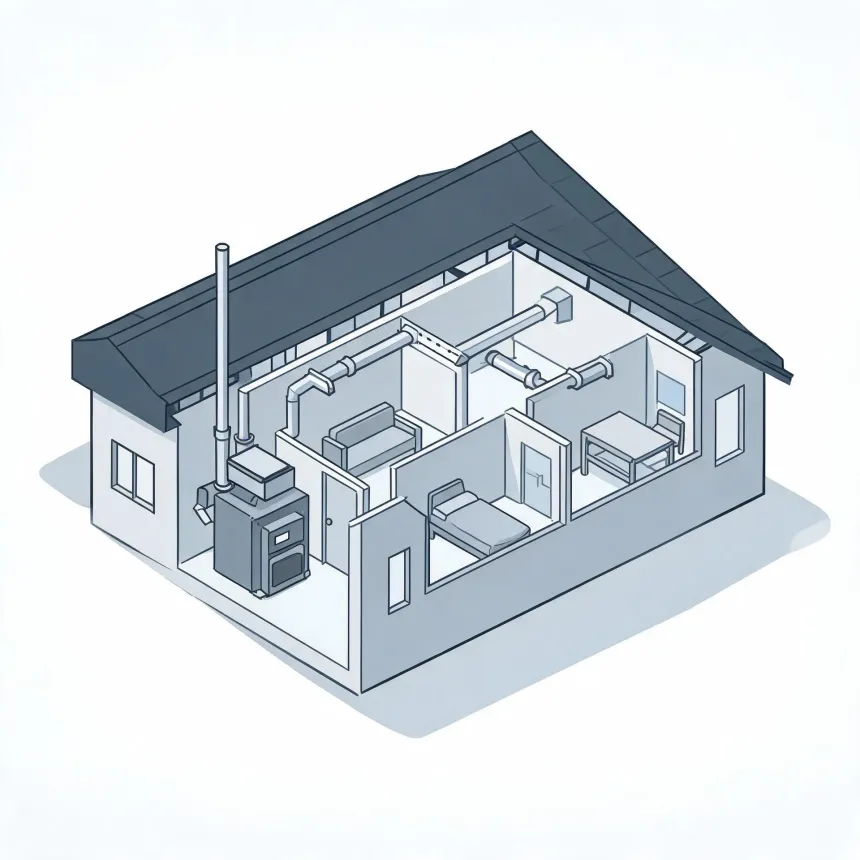
Isometric cutaway illustration of a single-story house showing interior rooms with furniture, overhead ducting, a flue pipe, and a furnace unit against an interior wall.
Your furnace works hardest from November through March.

NOAA nClimDiv, 1991–2020 normals

Electricity heats 67.7% of homes in Greenwood County.

Most furnace installs here are electric furnaces or heat pumps, with gas a less common second option at 30.3%.

Greenwood winters don't call for anything oversized

Heat runs November through March
Winter nights average 35°F
Climate zone 3A
Install before NovemberFurnace season here runs November through March. October is the month to get it done.

Greenwood falls in climate zone 3A, which keeps winters mild and summers long. A gas furnace installed here now has to hit 80 percent AFUE at minimum. That minimum rises to 95 percent for units built on or after December 2028, so what counts as code-minimum is about to change. If gas is the route you're taking, it's worth asking where a unit falls on that scale before you buy. A federal tax credit is available for qualifying high-efficiency equipment, separate from whatever the state minimum requires.

A furnace here has an easy job. Pick one that fits it.

Five months of heat a year, with overnight lows averaging 35°F in the coldest stretch, is not a hard winter. A furnace sized and installed for this climate won't be pushed hard, so the money is better spent on the right fit and a solid install than on chasing top efficiency. That's worth settling before the system goes in.

Find a contractor
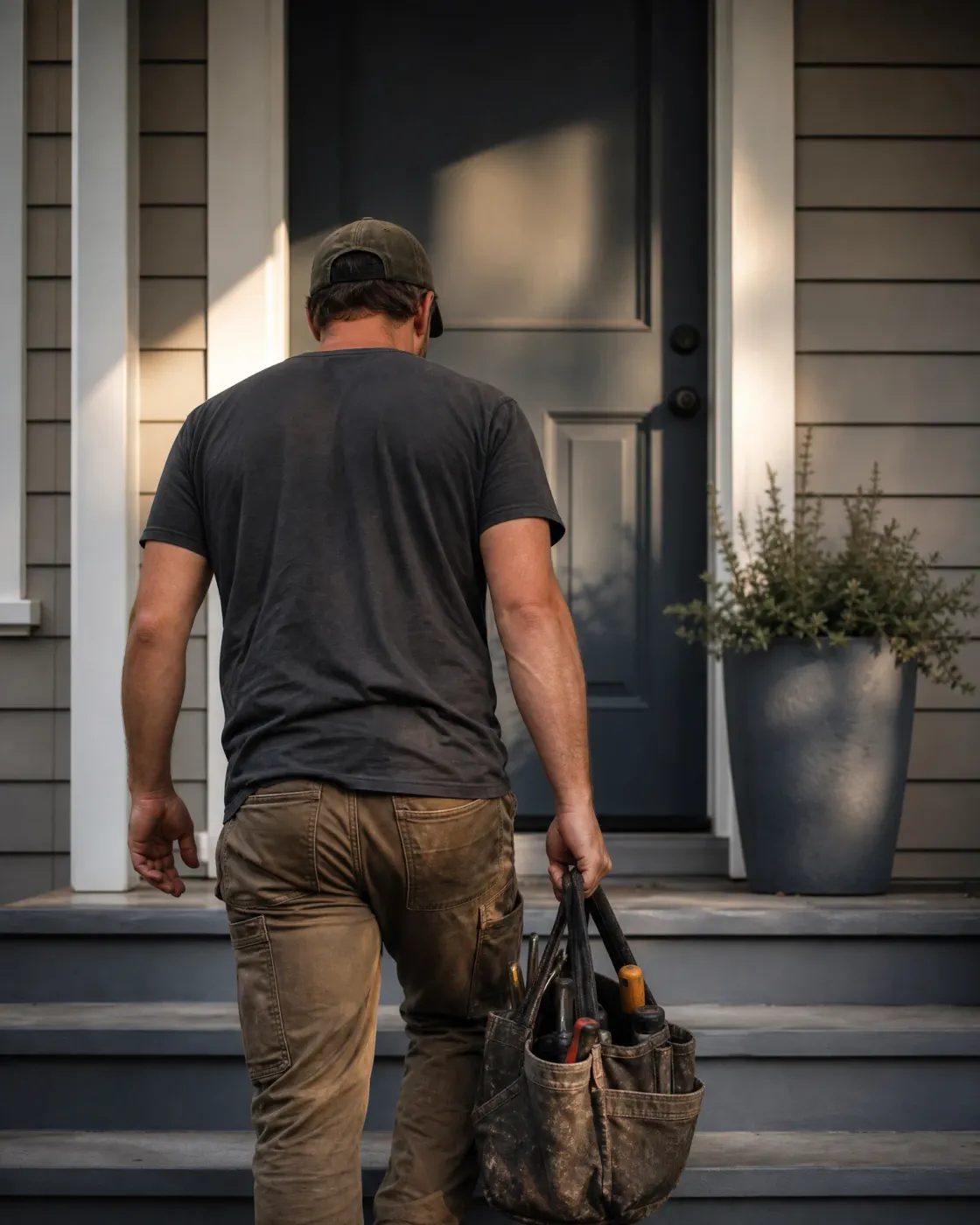
A man in a cap, dark t-shirt and worn tan work pants walks up steps toward a dark front door, carrying a canvas tool bag filled with tools, beside a potted shrub.
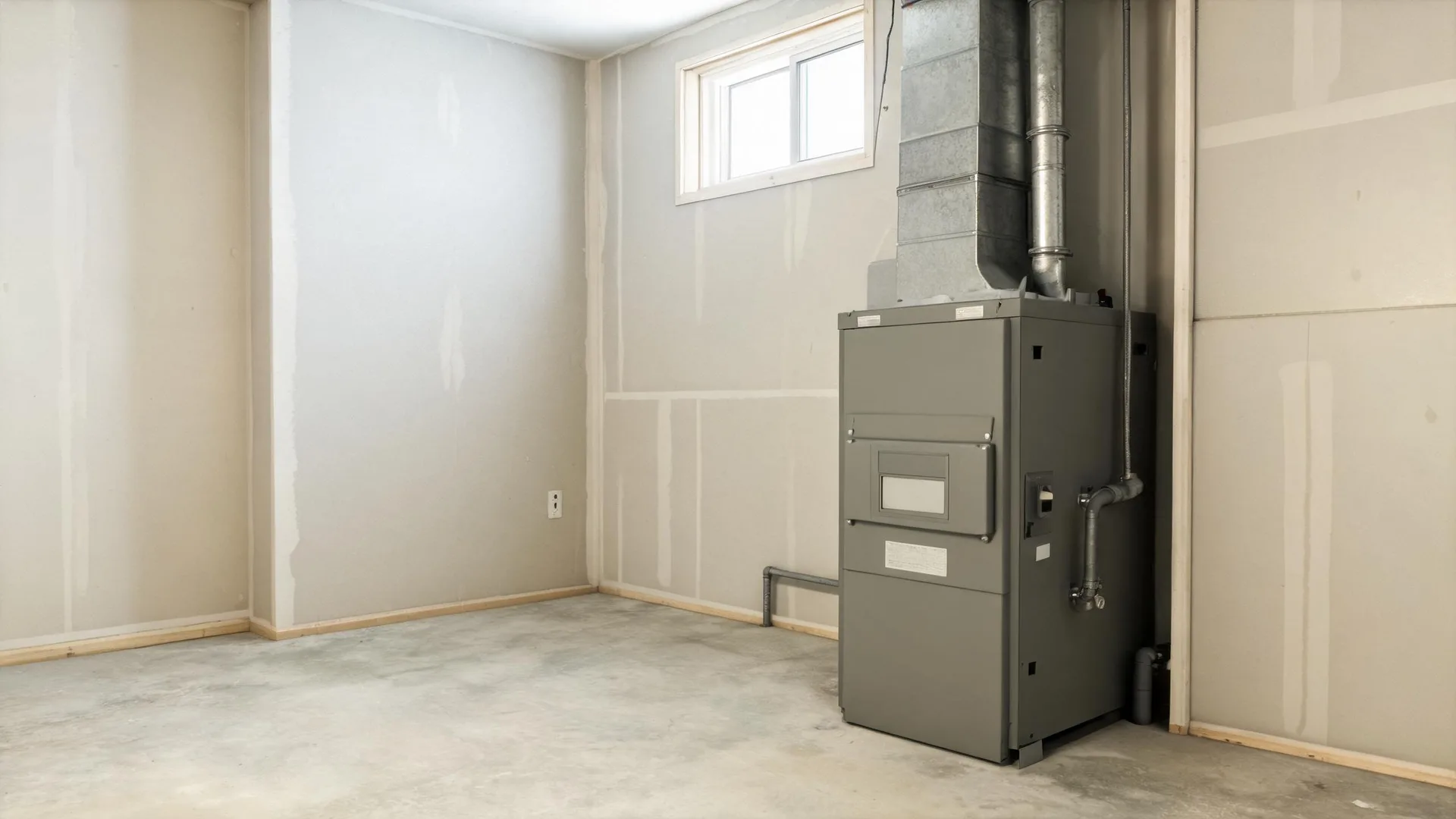
A gray residential gas furnace installed in an unfinished basement, connected to sheet-metal ductwork and PVC pipes.

The house's age doesn't change the furnace's job

Half the homes in Greenwood County were built in 1977 or earlier, half in 1977 or later. A furnace doesn't work harder because the house around it is older. What sets its workload is the season, not the age of the walls. It runs for part of the year and sits idle the rest, and a standard unit sized correctly for this place will handle both without strain. Nothing about the housing stock here calls for bigger capacity or a higher efficiency tier than the climate already asks for.

Ask what size the load calculation found

A furnace sized off square footage alone can end up wrong in either direction. A proper load calculation looks at insulation, window area and layout room by room. Ask to see the numbers, not just the recommendation.

Ask what happens to the old ductwork

A new furnace moving air through old, leaky or undersized ducts won't perform the way the rating on the box promises. Ask whether the ducts were inspected and whether they can handle the new unit's airflow before install day.

A load calculation and a thermostat don't account for everything you're paying for. The furnace itself is one line item. Ductwork changes, a new vent pipe or flue liner, electrical work to meet code, a condensate line if you're installing a high-efficiency unit, all of that adds up separately. The cabinet has to fit the space it's going into, and if the old one was a tight fit or an odd size, that's extra labor before the new unit even goes in. Permits and inspection are part of a proper install too, not an add-on. The furnace price on its own tells you very little until you know what the rest of the job actually involves.

The old furnace comes out first, and the new one gets set in its place, leveled, and connected to the gas line, the ductwork, and a vent or flue pipe suited to its exhaust. Electrical runs to the blower and igniter, and if it's a high-efficiency model, a condensate line gets added for the water it produces. Once it's wired and connected, the technician fires it up, checks gas pressure, and confirms airflow across every register while watching the flame to make sure combustion is clean. A combustion analyzer and a check of static pressure in the ducts tell the real story, not just whether warm air is coming out of the vents. None of this is optional or something to rush through at the end of the day. The job isn't done until it's tested running, not just installed sitting there.