

Heat pump vs furnace in Greenwood County, South Carolina

Price Both Options

Install quotes in Greenwood County

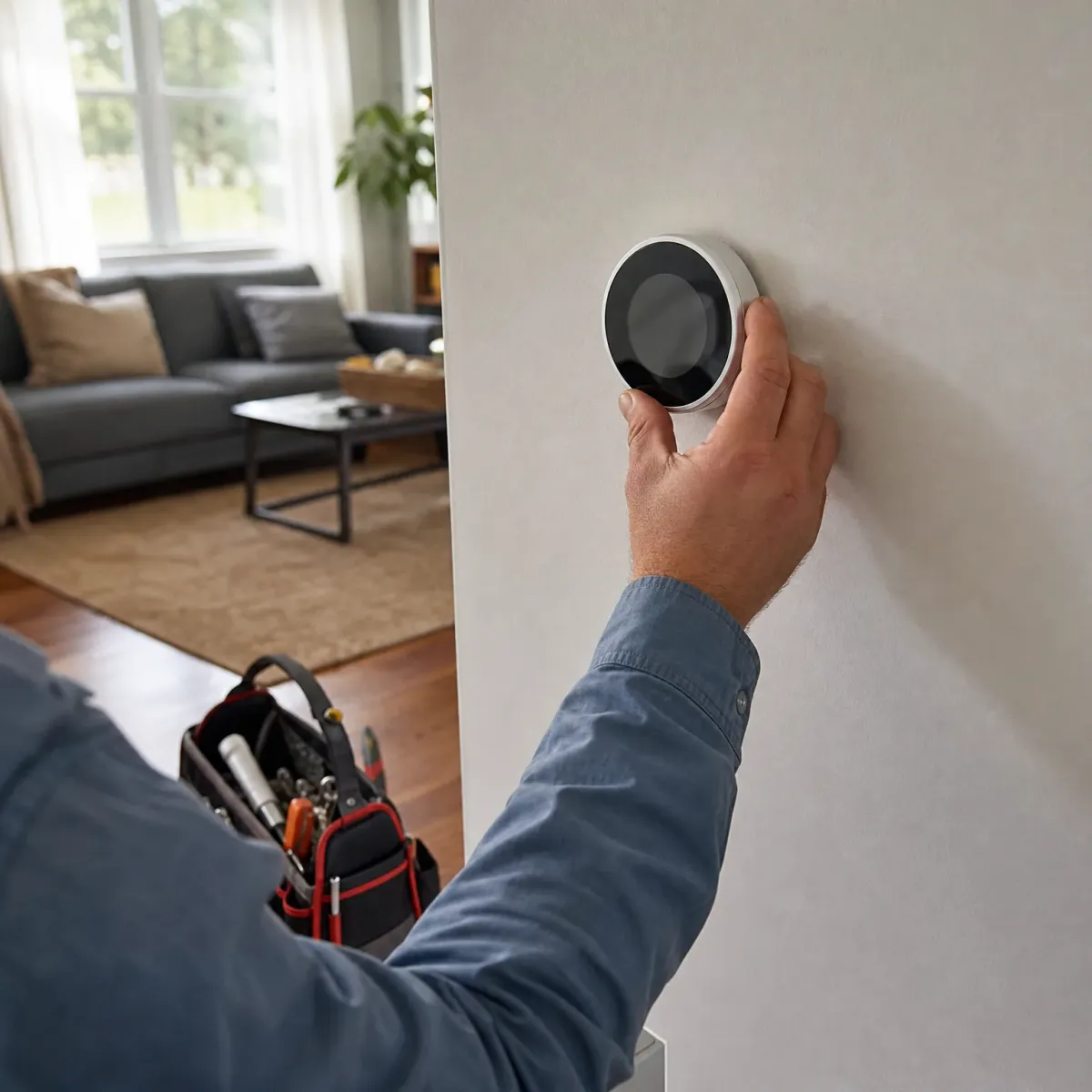
A person in a blue shirt reaches up to adjust a round white wall-mounted thermostat, with a tool bag on the floor and a living room with a grey sofa in the background.

Tell us about the job

Takes about a minute. No obligation.

New system or replacementGreenwood County, SC
Step 1 of 3

What kind of equipment?

Which costs less to run in Greenwood County?

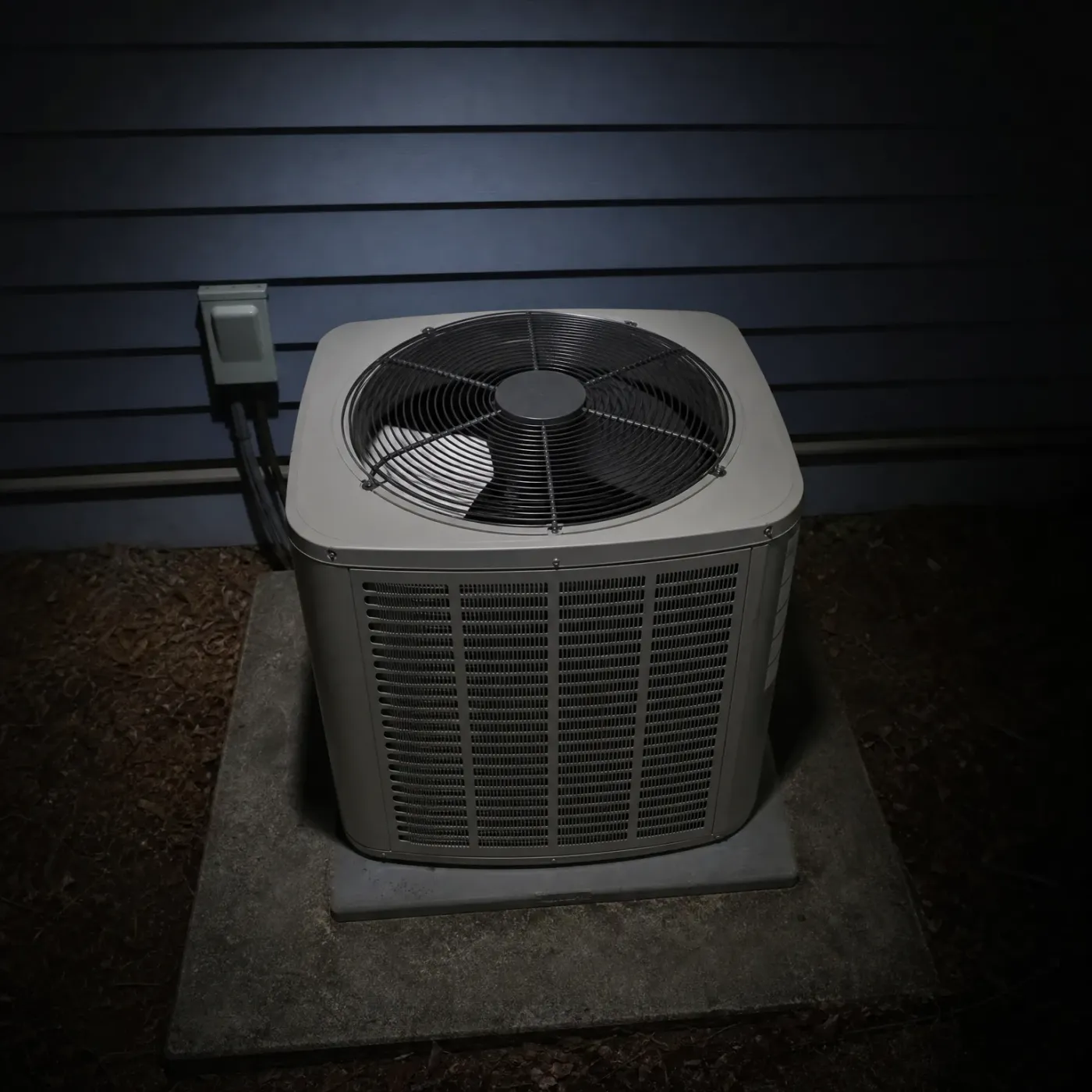
An outdoor air conditioning condenser unit with a top-mounted fan sits on a concrete pad beside a horizontal-siding wall, with an electrical disconnect box and refrigerant lines on the wall behind it, photographed in low light.

Heat pump

To heat your home here$1.90per 100,000 Btu

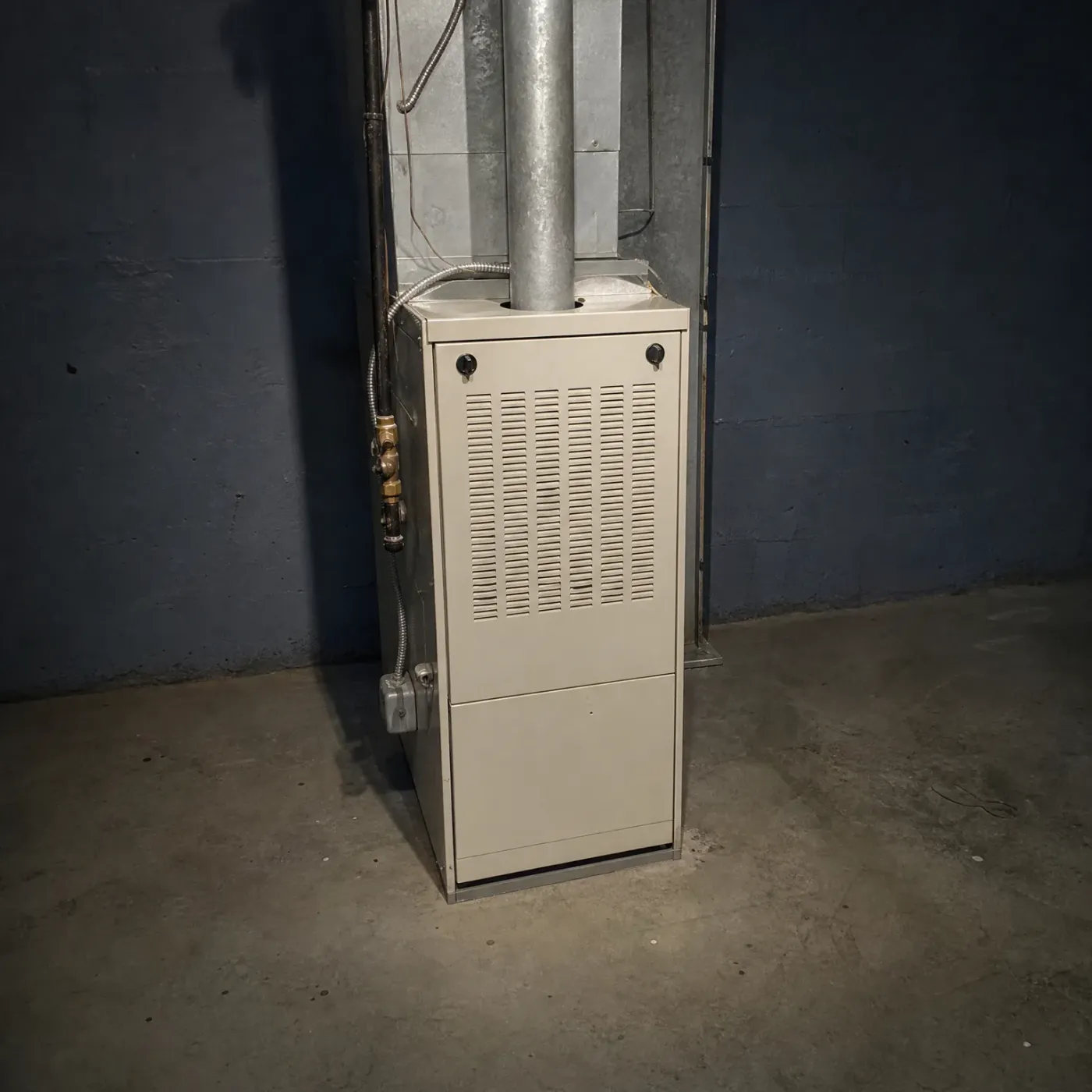
A beige furnace with a louvered front panel stands on a concrete floor against a gray wall, with a metal flue pipe and ductwork above it and gas piping and an electrical box at its left side.

Furnace

To heat your home here$2.05per 100,000 Btu

At South Carolina's gas and electricity prices, a heat pump makes the same heat as a gas furnace for about 7% less.

Btu stands for British thermal unit, the standard measure of heat energy.

Where does a heat pump shine?

  • Covers a long cooling season

    Cooling runs May through September here. A heat pump covers that whole stretch and then switches over to heat the house once the weather turns, so it's working most of the year instead of sitting idle part of it.

    A covered porch with blue lap siding, a ceiling fan, and lantern lights, showing a glass of iced tea on a round wooden side table in the foreground and a person in a cap seated at a patio table with green trees beyond the railing.
  • No gas line, nothing burning in the house

    It moves heat instead of making it from fire. That means no combustion, no flue and no gas bill for heat.

    A kitchen island with a white stone countertop holding a black cooktop and a stainless steel kettle, with navy cabinets, a white farmhouse sink with a brass faucet, a bowl of lemons, potted greenery, and gray upholstered stools in the foreground.
  • Heats and cools in one system

    A heat pump runs the same way all year. It pulls heat into the house in winter and pushes it out in summer.

    A living room with a cream sofa and grey throw beneath a blue-framed window overlooking a green garden, with a wooden coffee table holding books, a bowl and a vase of greenery in the foreground and blue built-in shelving at right.

Where does a furnace shine?

  • Fast, strong heat on demand

    The air coming from the vents feels genuinely hot. That's welcome on a freezing morning.

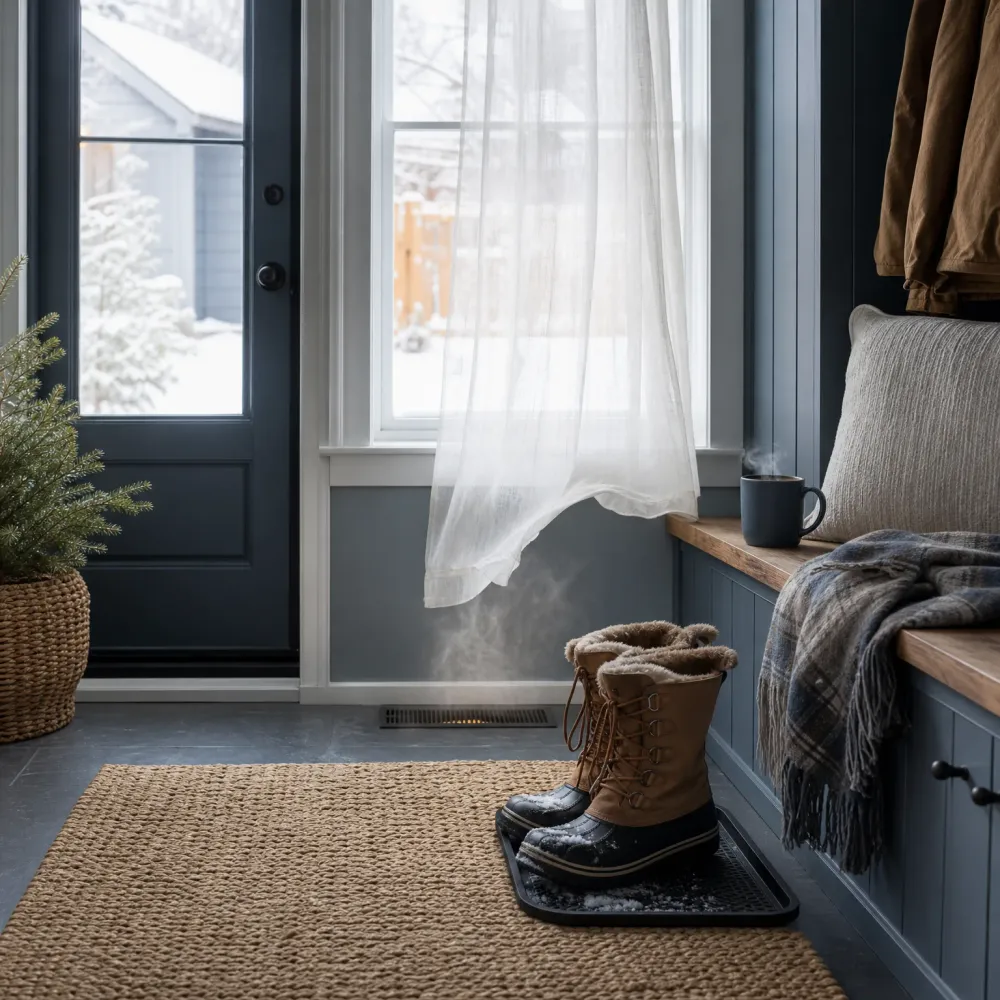
    A mudroom entry with snow-dusted tan and black winter boots on a rubber tray, a woven jute rug, a wooden bench with a plaid throw and pillow, a steaming mug on the windowsill, a sheer curtain, a dark glass door, and snowy trees outside.
  • Proven, simple, easy to get serviced

    The design is simple and well understood. That keeps service calls short.

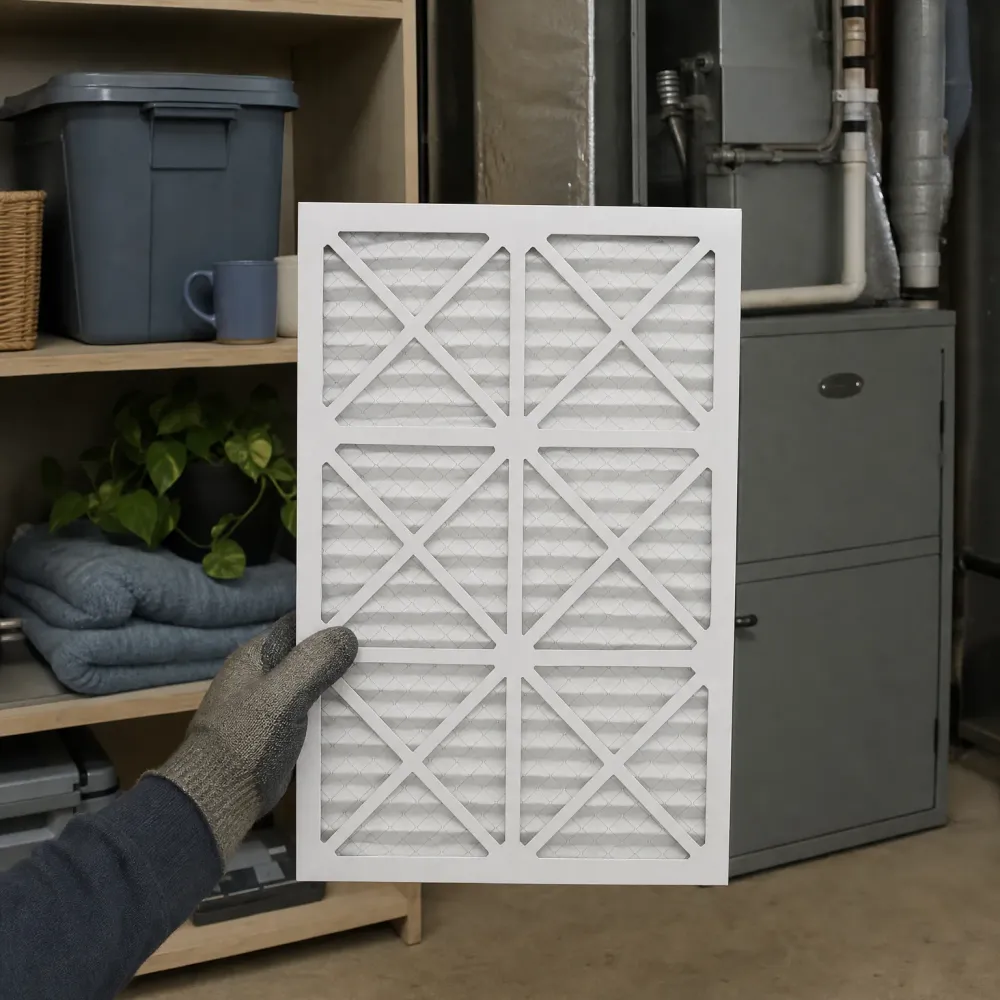
    A gloved hand holds a white pleated air filter in front of a basement furnace, with shelving holding bins, towels and a potted plant at left.
  • Pairs with any central AC

    Most central air systems are built around a furnace. The two share the blower, the ducts and the thermostat.

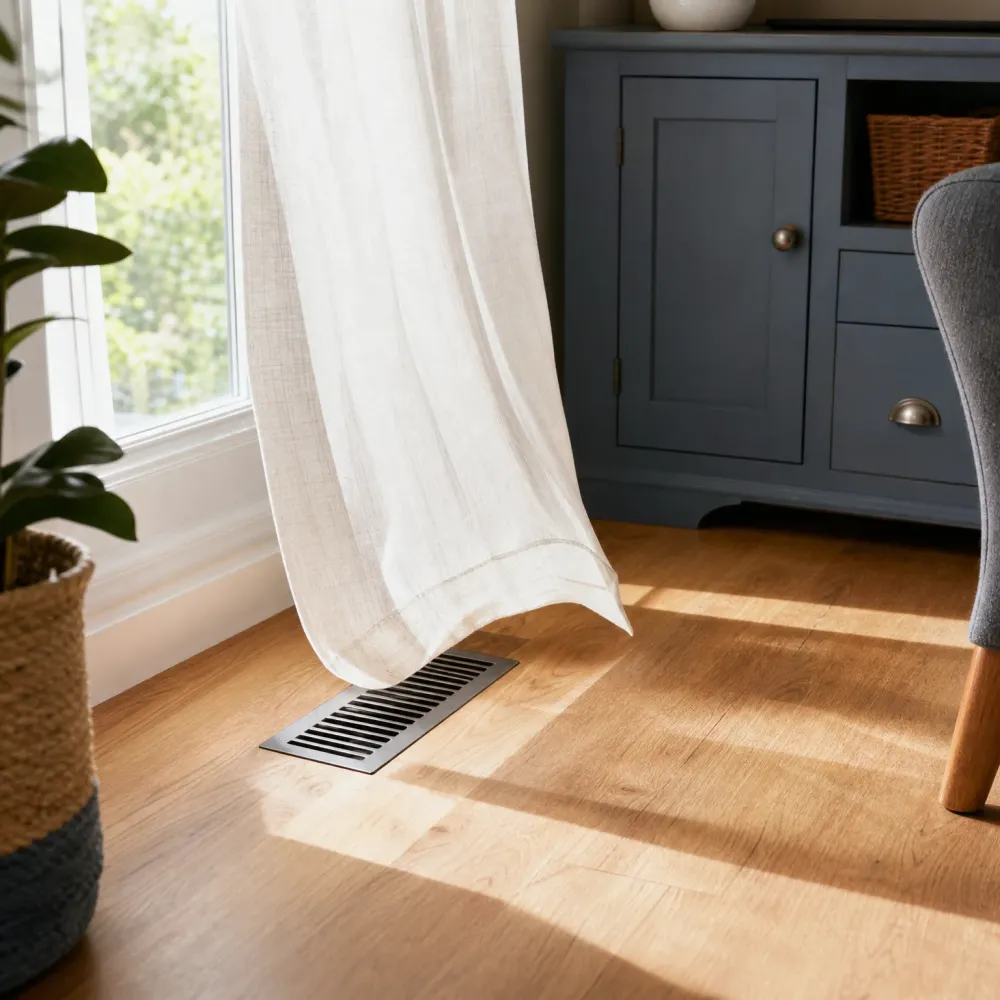
    A dark metal floor vent set into light wood flooring near a window with a sheer curtain, beside a gray cabinet, an upholstered chair leg, and a woven basket with a potted plant.

What the cold actually does here

Heat runs about five months a year here, November through March, and the overnight low averages 35°F across December, January and February. That is a mild winter. It is also why a heat pump makes sense for this county in the first place: it covers that stretch and then covers your five-month cooling season too, May through September, so one system does both jobs instead of sitting idle half the year like a furnace does.

But 35°F is not a comfortable number for a standard heat pump. That is close to the point where a standard heat pump's heat output starts falling short of what it is rated for, and close to the point where it often needs backup heat to make up the difference. About 60 nights a year here drop to freezing or below, and every one of them is on the wrong side of both marks. That is under half the nights in the heating season, but it is not rare. It is a real share of an ordinary winter here.

What works in your favor is how cold it actually gets. Fewer than one night a year reaches 0°F. The problems with a standard heat pump get worse the lower the temperature falls, and your winters almost never go anywhere near that low. The nights you need to plan for sit in the 20s and 30s, not the single digits.
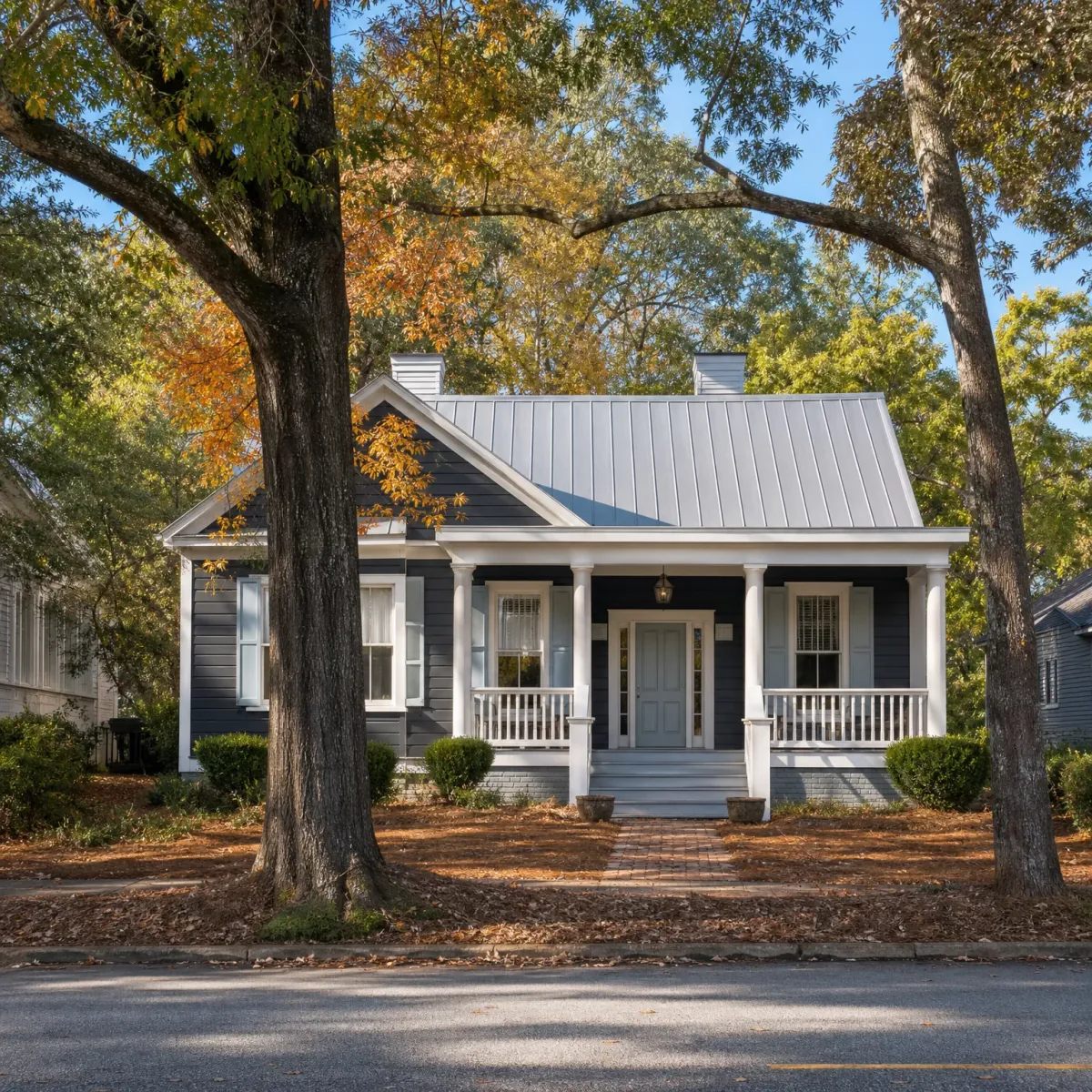
A small single-story dark gray house with white trim, a metal roof, two chimneys and a columned front porch, set behind large trees with yellowing leaves and a leaf-covered yard beside a paved street.

What that means for which one you buy

A heat pump costs less to run here. $1.90 against $2.05 per 100,000 Btu, using South Carolina's own electricity and gas prices. That figure is the federal-minimum heat pump's seasonal rating with nothing added for backup heat, so on your coldest nights the real gap narrows some. It still comes out in the heat pump's favor.

A cold climate heat pump changes the math on those freezing nights. To carry that label, a heat pump has to deliver at least 1.75 units of heat per unit of electricity at 5°F and hold onto most of its heating capacity at that temperature, verified by outside testing. Five degrees is colder than anything your winters produce. Field testing on prototype cold climate units backs this up: backup heat covered only a small share of the heat made between 0°F and 35°F, and the units rarely ran on backup alone above 0°F. That is the range your winters actually sit in.

So the honest version is this. A standard heat pump will lean on backup heat often here, because your average low sits right where that starts happening. A cold climate heat pump is built for weather colder than yours, so it should rarely need backup at all. A furnace gives you strong heat on demand with no backup question, but it only works five months a year, while a heat pump runs your air conditioning too. If you want one system for both heating and cooling, the cold climate heat pump is the one built for a winter that looks like yours.

Sources: NOAA nClimDiv · NOAA 1991–2020 seasonal normals · EIA SEDS 2024 · 10 CFR 430.32 · PNNL Building America guide · PNNL-37127 field study · ENERGY STAR product criteria

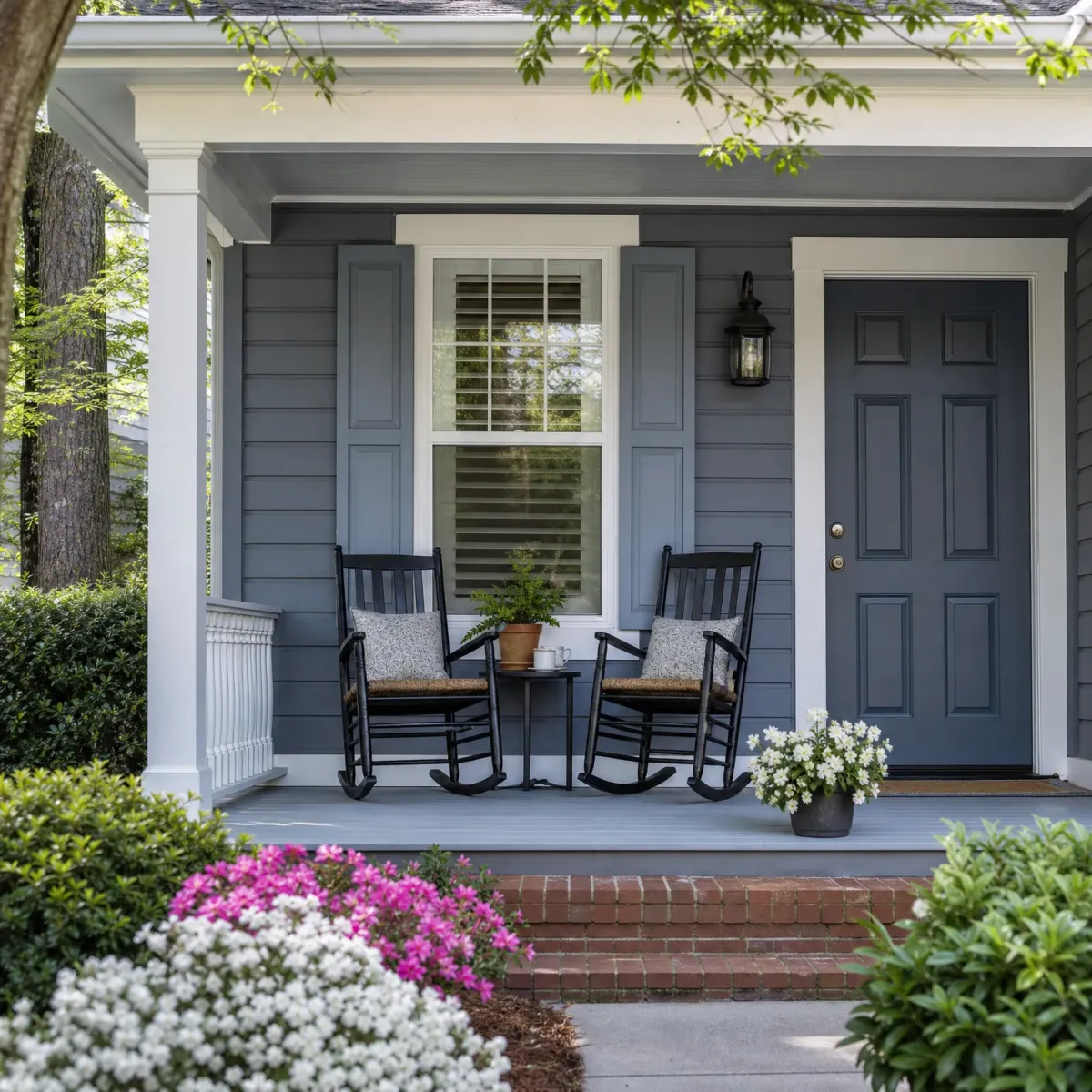
Covered front porch of a gray horizontal-sided house with white columns and trim, a gray paneled front door, a shuttered window, two black rocking chairs with pillows flanking a small round table, potted white flowers, brick steps, and flowering shrubs in the foreground.

Common questions about heat pumps and furnaces

  • Will a heat pump keep my house cool enough here?

    Yes. Cooling is where a heat pump has no asterisk, since it works the same as a standard central air conditioner would through the five-month cooling season here, including the roughly 60 days a year that reach 90°F or above. The 40°F and 35°F marks that affect its heating side don't apply when it's running in cooling mode.

  • Can I keep my furnace and add a heat pump?

    Yes, and in Greenwood County that setup has a real job to do. A standard heat pump loses ground below 40°F and often leans on backup heat below about 35°F, and this county sees around 60 nights a year at or below freezing. Keeping the furnace as backup means it only has to fire on those colder nights, while the heat pump covers the rest of the five-month heating season and the full five-month cooling season on its own.

  • What if my house doesn't have a gas line?

    Without a gas line, the real choice is a heat pump against electric resistance heat or a furnace burning propane or oil. A heat pump wins that comparison on efficiency alone, since it moves heat instead of generating it, and it also covers the five-month cooling season here, which a propane or oil furnace cannot do. Electric resistance heat works but costs more to run than a heat pump for the same heat.

  • Is a heat pump cheaper to run than a furnace in Greenwood County?

    Yes. A heat pump here runs about $1.90 per 100,000 Btu of heat against $2.05 for a gas furnace, around 7% less at South Carolina's average electricity and gas prices. That gap is built on the heat pump's federal minimum rating alone, with nothing added for the backup heat it may need on the county's roughly 60 nights a year at or below freezing.