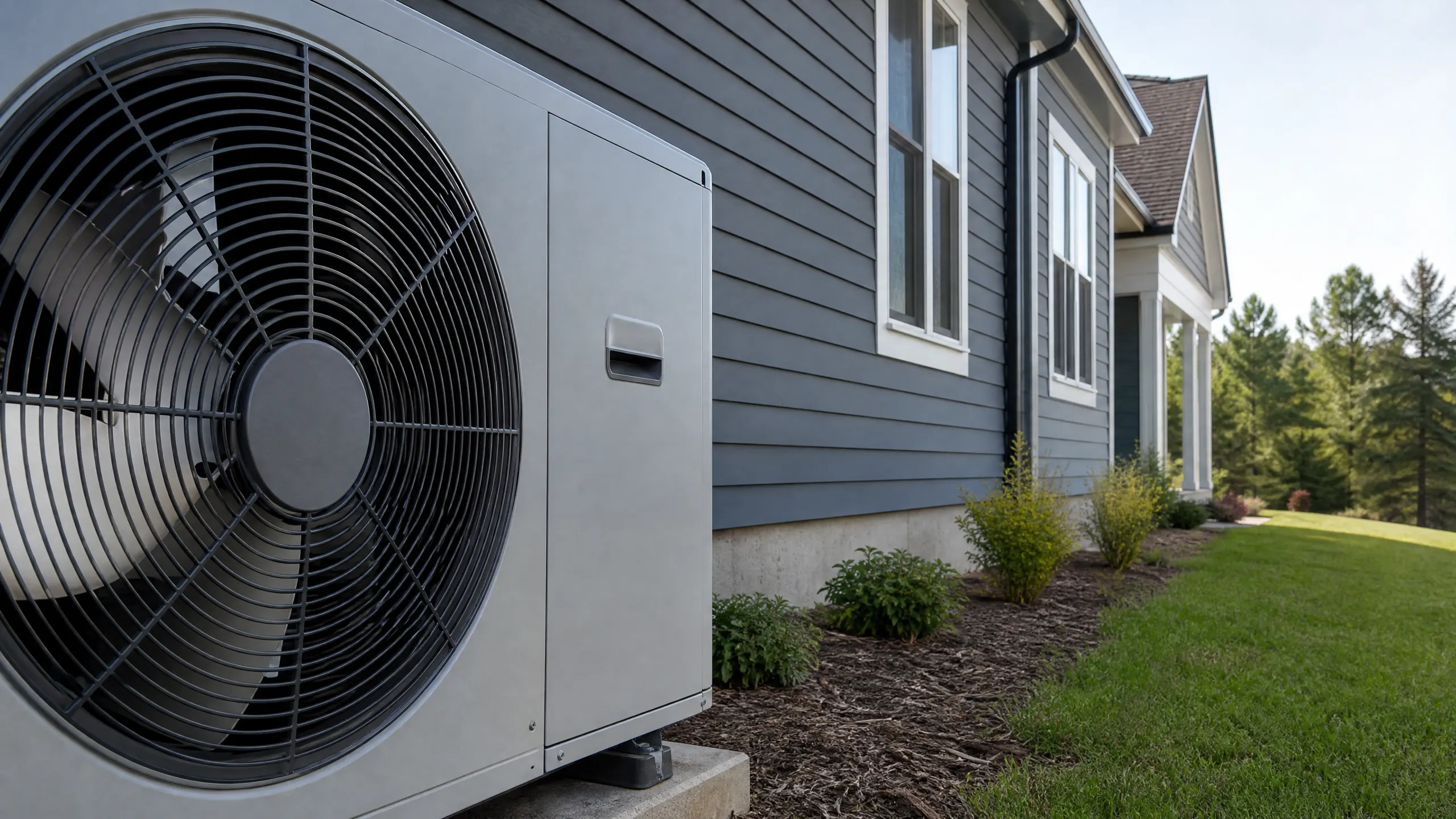





A heat pump outdoor unit mounted on a concrete pad next to the gray-sided exterior wall of a residential house.

Heat Pump Installation in Greenwood, SC

Tell us about the job

Takes about a minute. No obligation.

New system or replacementHeat PumpGreenwood County, SC
Step 1 of 2

What ZIP code is the job in?

Taking out the old unit is its own job, not an afterthought. The outdoor condenser gets disconnected from its electrical whip and the refrigerant lines, then hauled off. Indoors, the air handler or the coil above the furnace comes out too, along with the old line set if it's not being reused. Copper line sets often get replaced rather than reconnected, since old flare fittings and bends don't always seal right against a new system. If the old equipment used refrigerant that isn't made anymore, it has to be recovered properly rather than vented, and a licensed contractor has the equipment to do that. The pad outside gets reused or replaced depending on its condition, and most installers will haul away everything they remove so you're not left with a dead condenser sitting in the yard.

5 months
November through March, your system heats
5 months
May through September, it cools
35°F
the average winter night it heats against
90°F
the average summer afternoon it cools against
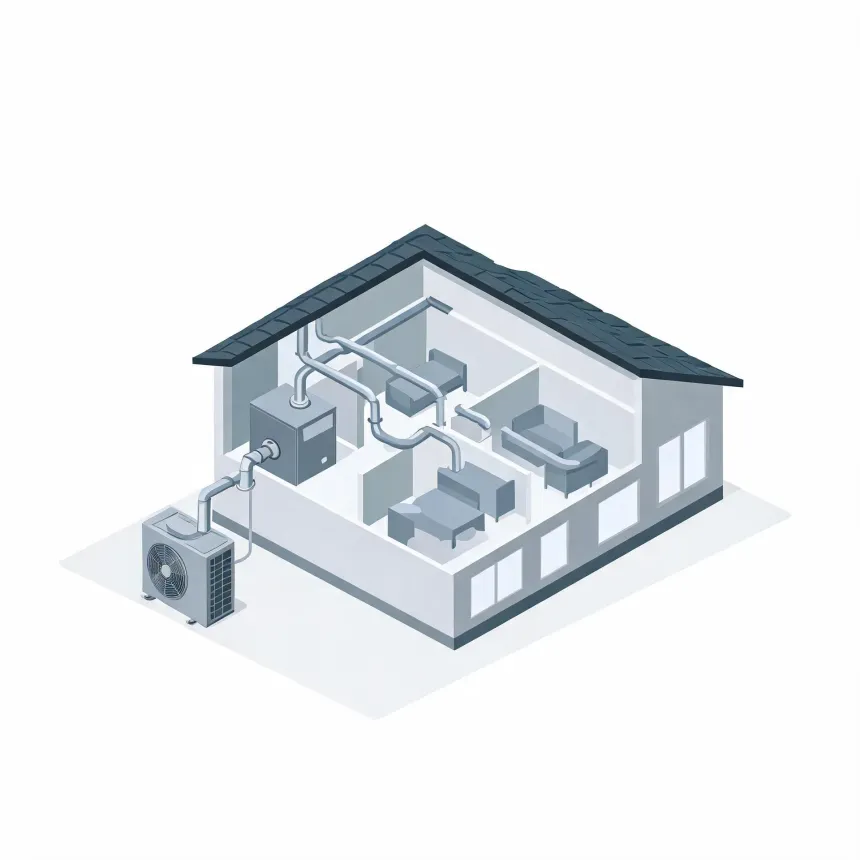
Isometric cutaway illustration of a single-story house showing an indoor air handler, branching ductwork through rooms with furniture, and an outdoor condenser unit connected by a line outside the wall.
Your system heats November through March and cools May through September.

NOAA nClimDiv, 1991–2020 normals

Electricity heats 67.7% of homes in Greenwood County.

A heat pump replacing an electric furnace or electric coils fits the wiring already in place.

Power here runs 14.23 cents a kilowatt-hour, so payback on the highest-efficiency model is slower. Pick one for how it holds up, not just the SEER2 number.

Power costs 14.23 cents a kWh statewide
Climate zone 3A
Cooling runs May through September

A heat pump here works through most of the year, cooling from May through September and heating from November through March. That leaves April and October open. Put the install in one of those two months and the contractor has room to size the system right and set the charge without rushing to beat a cold snap or a hot stretch. Wait until the old unit fails in the middle of a season and you're choosing from whatever is on the truck that week, not necessarily the right fit for your house. An April install also means the system has already run a full month before it has to carry the house through summer.

A system built to meet zone 3A's standard

Any heat pump installed here now has to hit 14.3 SEER2 and 7.5 HSPF2 at minimum, and central air paired with one has to clear that same regional bar rather than the lower number some other parts of the country can still buy. A federal tax credit applies to qualifying equipment, which helps offset choosing a system built for zone 3A instead of the cheapest one that meets the national floor.

Find a contractor
A person in a dark long-sleeve shirt and tan work pants, seen from behind, carries a canvas tool bag while stepping up porch stairs toward a dark blue front door.
A gray heat pump outdoor unit mounted on a concrete pad next to a residential house with lap siding and stone accents.

Sized for the house, not the neighborhood

A heat pump here runs on and off all day, every day, for years. That's the job. Half the homes in Greenwood County were built in 1977 or earlier, half since, and the age of the house next door doesn't tell you anything about what yours needs. What matters is matching the system to this house, not buying bigger or pricier than the load calls for. A unit sized right for the house carries that daily cycling without strain. That's what the clip above is showing, the compressor stepping up and down as the house asks for it, hour after hour.

The load calculation, not the square footage

A contractor works out heat pump size with a room by room load calculation, checking window area, insulation, ceiling height and which way each wall faces. Square footage alone leaves out too much. Houses that look about the same size can call for different size systems depending on how much glass they have and how well sealed they are.
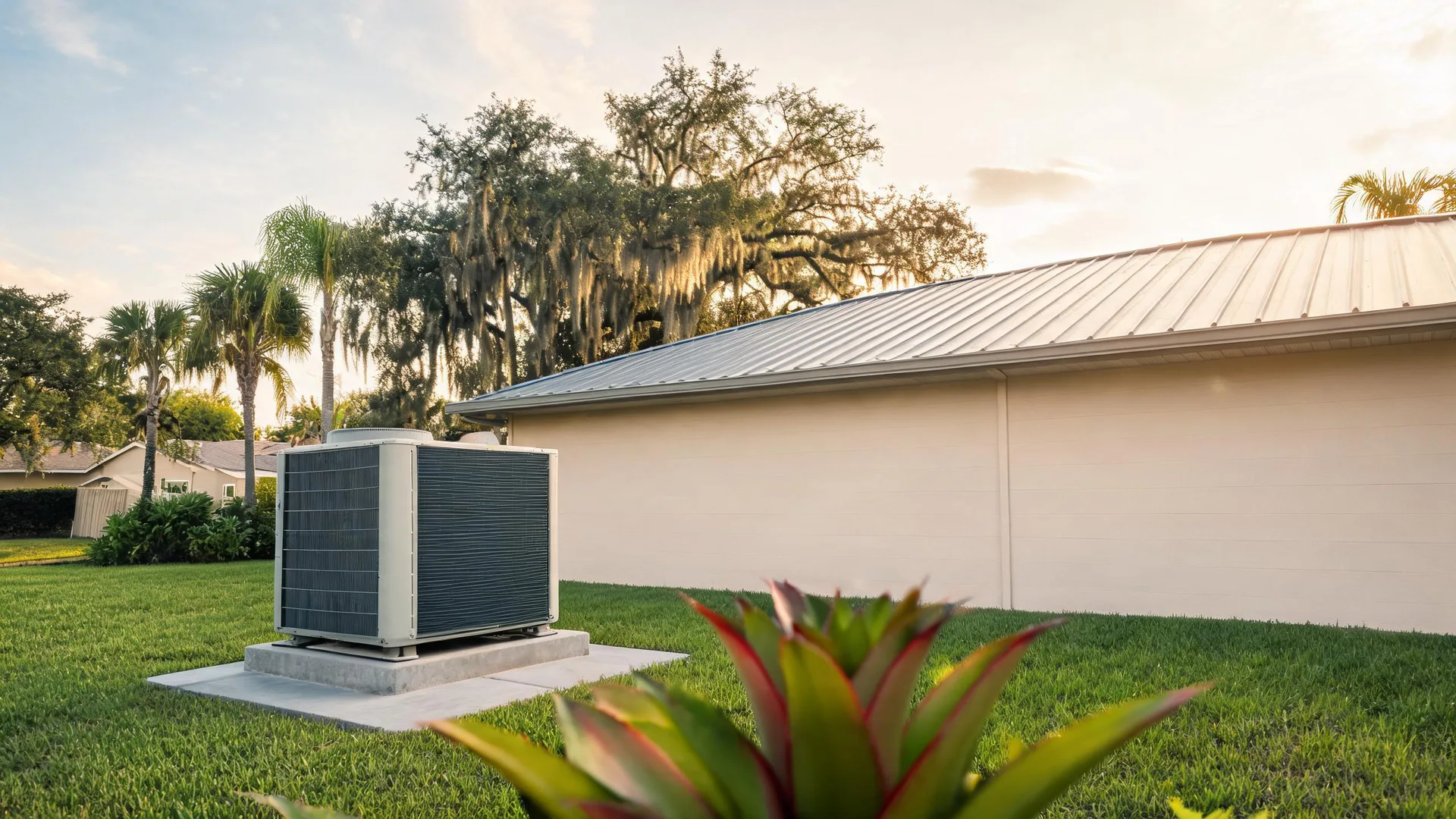
What happens when the size is wrong

An oversized heat pump cools or heats the air fast and shuts off before it pulls moisture out or finishes a full cycle, so rooms feel clammy and the compressor short cycles. An undersized one runs constantly and still can't hold the temperature on the coldest or hottest days. Either way the equipment wears faster than it should.

What drives the price is mostly what the installer has to work with before any new equipment goes in. Running new line sets or new electrical circuits costs more than reusing what's there, and whether that's possible depends on the condition of the wiring and refrigerant lines already in the house. Ductwork matters too. A system that has to tie into existing ducts is a different job than one that needs new supply runs or a return added because the old layout was never built for a heat pump's airflow. The size of the compressor and air handler the load calculation calls for changes the price on its own, since a larger system costs more in equipment regardless of labor. Efficiency tier plays in as well. A unit built to hit a higher SEER2 and HSPF2 costs more up front than one that just clears the minimum. None of this is padding. It's the difference between a system that fits the house and one that was just the cheapest thing that would run.

Install day starts with the outdoor work and the indoor work happening at the same time, usually with more than one person on site. One side sets the new condenser on the pad, runs the line set, and makes the electrical connections. The other side is in the house pulling the old air handler or coil and setting the new one, then tying it into the ductwork. Once both ends are in place, the lines get connected. The system gets evacuated to pull out moisture and air before any refrigerant goes in. Nothing gets powered on until that evacuation holds, because air or moisture left in the lines causes problems later, sometimes not right away. The last part of the day is airflow and controls. Static pressure gets checked, the thermostat gets set up, and the system runs through a full heating and cooling cycle before anyone calls it finished.