





A white Southern-style house with a wraparound porch photographed at night, surrounded by Spanish moss-draped oak trees lit by landscape lights.

Furnace Installation in Dillon, SC

Tell us about the job

Takes about a minute. No obligation.

New system or replacementFurnace or heatingDillon County, SC
Step 1 of 2

What ZIP code is the job in?

Taking out the old furnace is part of the job, not an afterthought. The installer disconnects the gas line and caps it, pulls the electrical, and detaches the duct connections and venting before the cabinet comes out. If it's a gas furnace, that old vent pipe usually gets removed too, since a new high-efficiency unit vents a different way, through PVC pipe instead of a metal flue. The old equipment gets hauled off, you're not left to deal with it. Once it's out, the installer can see the ductwork and gas line as they really are, not just as they looked with a furnace in front of them, which sometimes changes what the new install needs.

5 months
November through March, your furnace is on duty
35°F
the average winter night it heats against
80% AFUE
the federal minimum any new unit must meet
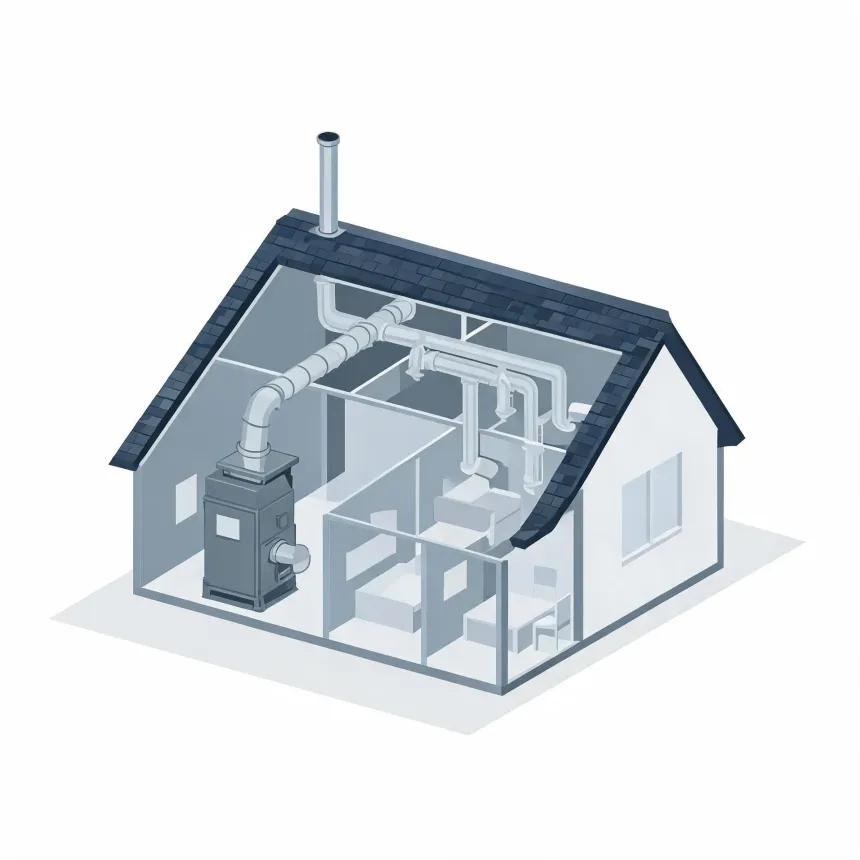
Isometric cutaway illustration of a small house showing a gray furnace unit with a flue pipe through the roof and branching ductwork running to rooms with simple furniture.
Your furnace works hardest from November through March.

NOAA nClimDiv, 1991–2020 normals

A furnace sized right for Dillon runs at standard efficiency, nothing more.

Dillon homes don't need oversized equipment, just a system that keeps running when the power does.

90.1% of homes in Dillon heat with electricity, so most furnace jobs here are swapping in the same fuel

90.1% of homes heat with electricity
Heat runs November through March
Winter nights average 35°F

Half the homes in Dillon County were built in 1984 or earlier, and half in 1984 or later, so there's no real split between old-house jobs and new. A standard size and standard efficiency furnace fits either kind without any adjustment. Where it matters more is the 36.8% of homes here that are mobile homes. A mobile home takes a furnace built and certified for that kind of install, with its own duct and clearance requirements, not the same unit that goes into a site-built house. Outside of that, there's nothing about Dillon that calls for bigger or pricier equipment than the job actually needs.

Five months of heat a year, so build for reliability, not output

Furnace here runs November through March, and overnight lows average 35°F through the coldest stretch. That's not a heavy load. A standard system sized to the house handles it without strain, so the money is better spent on one that keeps running through a power cut than on extra capacity it won't use.

Find a contractor
A man in a cap and dark jacket, seen from behind, carries a canvas tool bag up porch steps toward a dark blue front door of a gray-sided house.
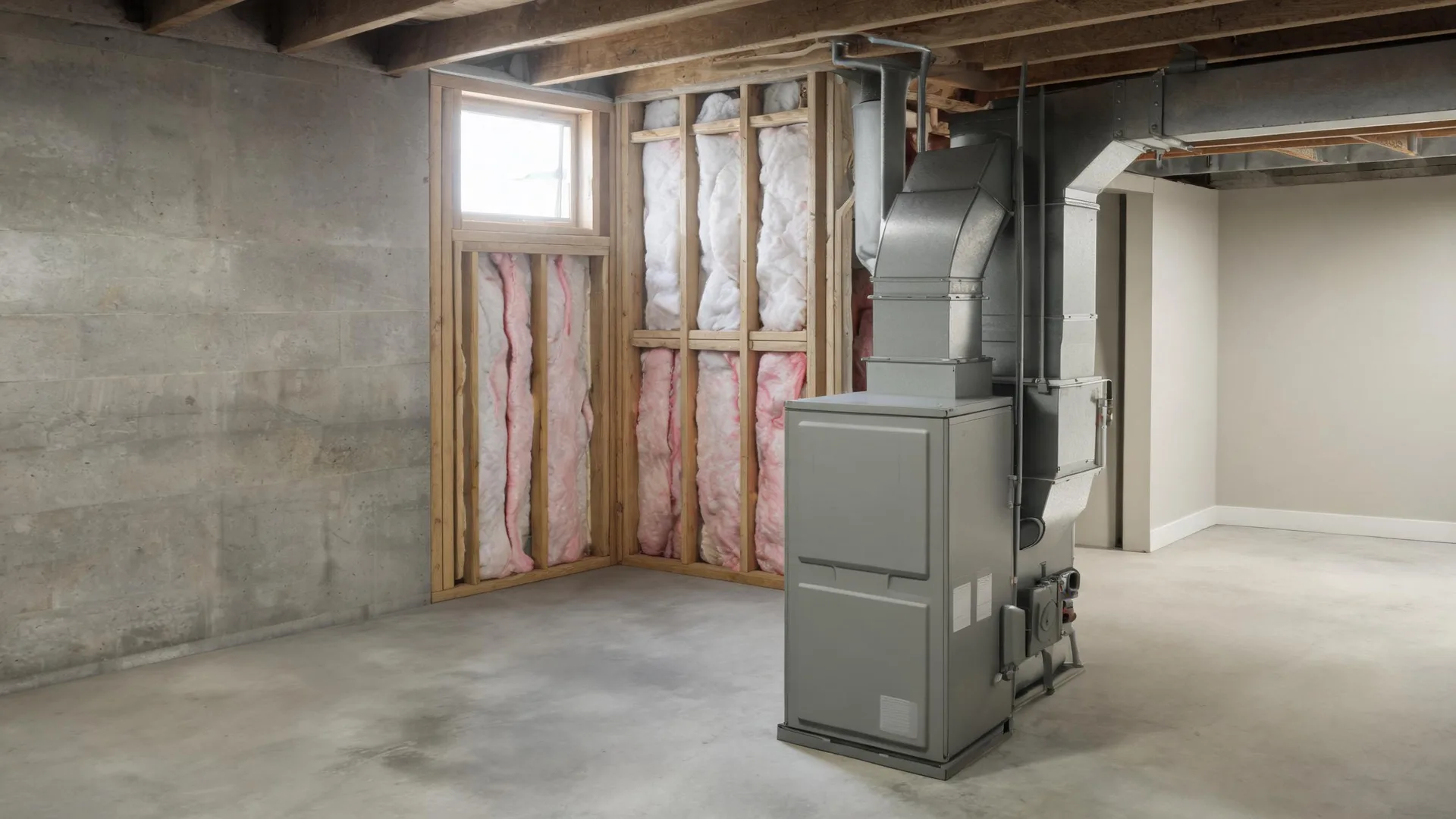
A gray high-efficiency gas furnace installed in an unfinished basement, surrounded by gas lines, a condensate drain, and sheet-metal ductwork.

Five months of work ahead, one month to get ready

Heat goes on in November here and stays on through March. October is the month to get this done. A furnace install takes planning, matching the unit to the house, running new venting if it's a mobile home, checking the ductwork once the old cabinet is out. None of that is work you want rushed because the first cold night is already here. Get it in before November and you're choosing the installer and the equipment. Wait, and you're taking whoever can come fastest.

Sizing is a room by room calculation, not a guess off the old unit

A contractor works out heat loss for the house itself, the walls, the windows, the ceiling, before picking a furnace. Going off the size of the furnace that's already there just repeats whatever mistake was made the first time around. The calculation looks at the house as it stands now, not as some rule of thumb assumes it to be.
Oversized is its own problem, not a safety margin

A furnace too big for the house heats the air fast and shuts off again before it's pulled the chill out of the floors and furniture. That's short cycling, and it means more wear on the igniter and blower motor over time, plus a house that feels drafty even with the heat running. Right sized means it runs longer stretches at a steadier output, and that's what actually keeps a house comfortable.

Installers can quote the same size furnace and still hand over different equipment, so ask what's actually in the cabinet, not just the output number. Ask how the heat loss was worked out, since a real room by room calculation gives a different answer than going off the old unit. Ask what the warranty covers on the heat exchanger versus the blower motor and igniter, because those parts fail on their own timelines and some warranties only cover one of them. Ask whether the quote includes the venting work, the electrical hookup, and hauling off the old equipment, or whether those turn up later as extras. Ask what happens if the ductwork doesn't match what the new furnace needs, since a mismatch there can mean added cost a vague quote never mentions. A contractor who answers all of this without hesitating already knows the house, not just the model number they're selling.

Once the old equipment is out and the new furnace is set, the work shifts to connecting it correctly. The gas line or electrical circuit gets hooked up, the ductwork ties into the new cabinet, and venting runs to the outside, through PVC if it's a high-efficiency unit. The installer checks for gas leaks, tests the electrical connections, and runs the furnace through a full cycle, heat on, heat off, more than once, watching how it responds. Airflow gets checked at the registers to make sure the duct connections are tight and nothing is restricted. Only after it's run clean through a few cycles does the job end. A furnace that fires once and seems fine can still have a loose connection that shows up on the next cold night, which is why the testing happens before the installer leaves, not after.