Ask for the load calculation, not a guess
A contractor should be able to show the math behind the size they're recommending, room by room, not just quote a number off the old unit's nameplate. If nobody mentions doing this calculation, ask why.
Takes about a minute. No obligation.
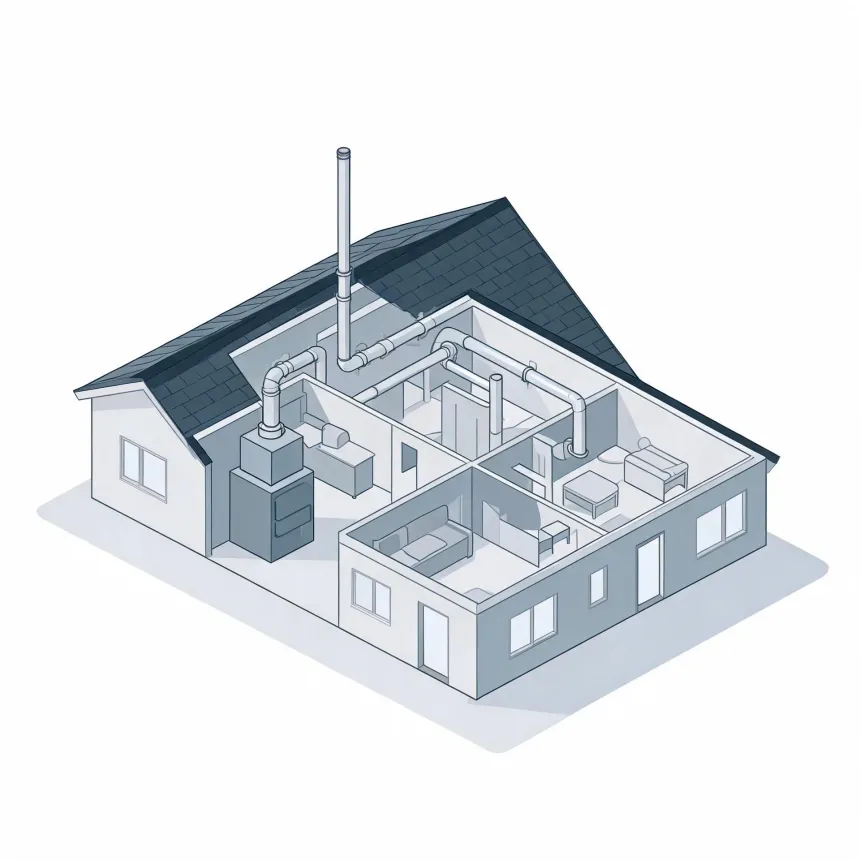
The furnace itself is only part of what you're paying for. Size matters most. A furnace that's too big for the house cycles on and off too often, wearing out parts faster and leaving rooms uneven. One that's too small runs constantly and never quite keeps up. Getting the size right means someone has to look at the house, not just swap in what was there before. The ductwork matters too. If the existing ducts are too small or leaky, a new furnace has to push against that, and no amount of equipment quality fixes a duct problem. Venting is another piece. Where the exhaust goes and how it gets there depends on the furnace type, and some setups take more work than others. The thermostat, the wiring, whether the gas line and electrical hookup are already in place or need changing, all of that adds or saves steps.
NOAA nClimDiv, 1991–2020 normals
83.3% of homes in Florence County heat with electricity.
A furnace replacement here most often means swapping in another electric furnace or heat pump, matched to the house.




Sizing a furnace comes down to a room by room heat loss calculation, not the square footage of the house. A contractor measures each room, checks the windows and the insulation, and adds up how much heat escapes on the coldest expected day. That number sets the output the furnace has to deliver. Skip that step and you're just matching the old nameplate, which may have been wrong from the day it was installed. Ductwork factors into the same calculation, since a furnace can only deliver what the ducts are able to carry to each room. Get the load calculation right and the rest of the sizing decisions follow from it.
Five months of heat a year, and overnight lows averaging 36°F, is not a hard season. A furnace here isn't fighting the cold the way one in a northern state would. That means a mid-efficiency system is a reasonable choice, not a compromise. Put the money into getting the size and the ductwork right instead.
Find a contractorFive months of real work, then it sits idle the rest of the year. That's a short duty cycle for a furnace, and it shows in how long these systems tend to last when they're sized right and left alone. A mid-efficiency unit installed correctly will outlast one installed wrong, no matter how high its rating. So spend the sizing visit on the house, not the spec sheet.
A contractor should be able to show the math behind the size they're recommending, room by room, not just quote a number off the old unit's nameplate. If nobody mentions doing this calculation, ask why.
A new furnace moves air through the same ducts that were already there unless someone changes them. If a contractor never looks at the duct runs or asks about weak airflow in certain rooms, that part of the job is being skipped.
AFUE is the number on the label, and it tells you how much of the fuel burned turns into heat inside the house instead of going out the flue. A higher rating means less waste, but it also means a different kind of furnace. Getting into the higher ratings usually means a second heat exchanger and a condensate drain, since the exhaust gets cooled enough to pull more heat out of it before it leaves. That changes the venting too, from a metal flue to a plastic pipe that can run through a wall instead of up through the roof. None of that makes the higher number the right choice everywhere. It describes how the furnace is built and what it needs to run that way, not just how good it is.
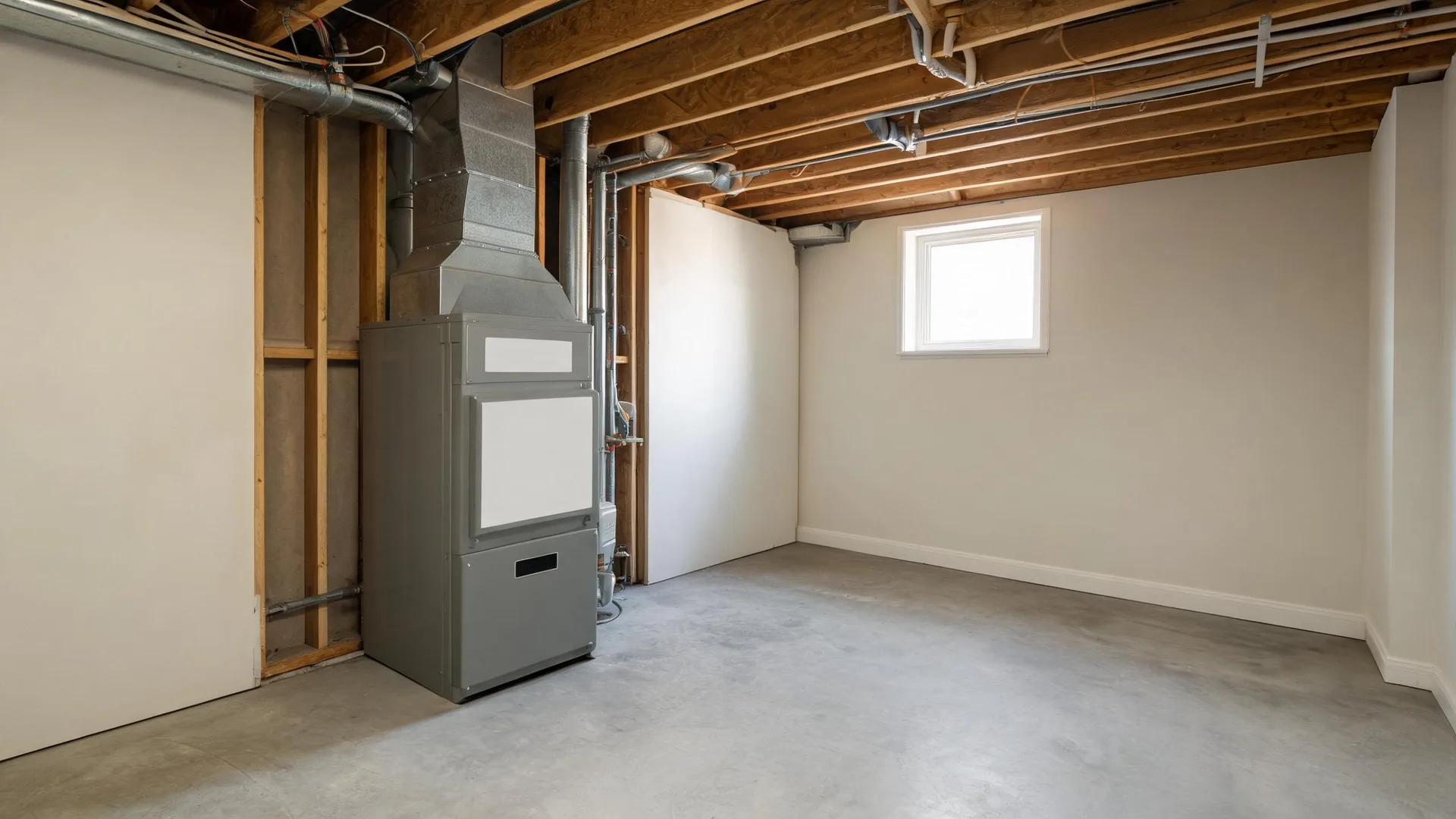
Installation day starts with the old furnace coming out, and that's when a contractor finds out whether the plan holds up. The cabinet gets disconnected from the gas line, the electrical, the vent, and the ductwork, then it comes out, often in pieces if it was built in before the doorways were there. The new unit goes in on a stand or a platform, not straight on the floor, so air can move underneath it. Then it's connected back to everything the old one was tied into, except the connections themselves often need work. A new furnace rarely matches the exact size and fitting of the one it replaces, so the duct collar, the gas line, or the vent pipe usually need some adjusting, not just a reattachment. Once it's hooked up, it gets fired and checked, gas pressure, airflow across the heat exchanger, and the temperature rise through the system, before anyone calls it done.