
Heat pump vs furnace in Florence County, South Carolina

Start My Quote

For homes in Florence County

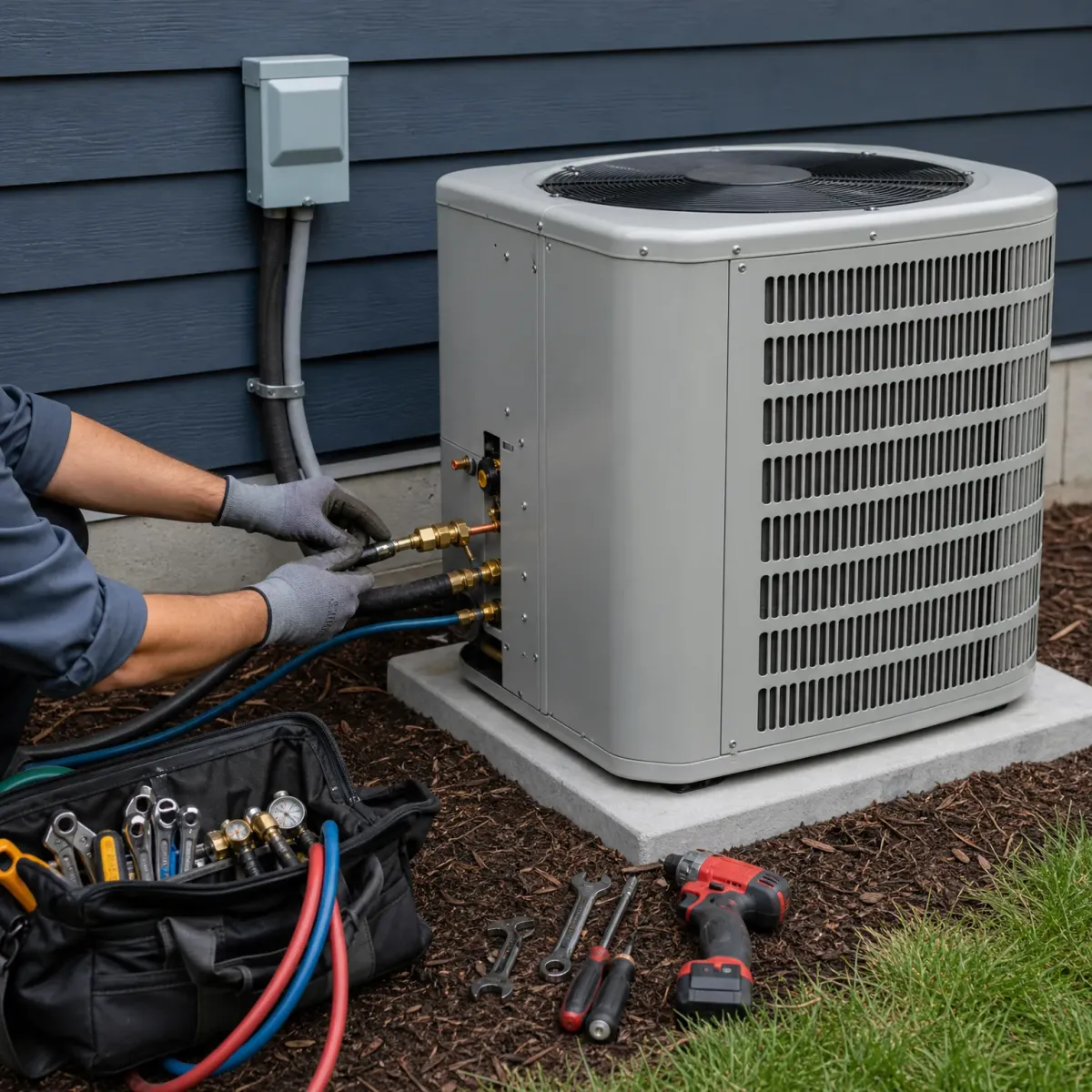
A gloved worker connects refrigerant lines to the service valves of an outdoor air conditioning condenser on a concrete pad beside a dark-sided house, with a tool bag, wrenches, screwdrivers, a gauge set and a cordless drill on the mulch in the foreground.

Tell us about the job

Takes about a minute. No obligation.

New system or replacementFlorence County, SC
Step 1 of 3

What kind of equipment?

Which costs less to run in Florence County?

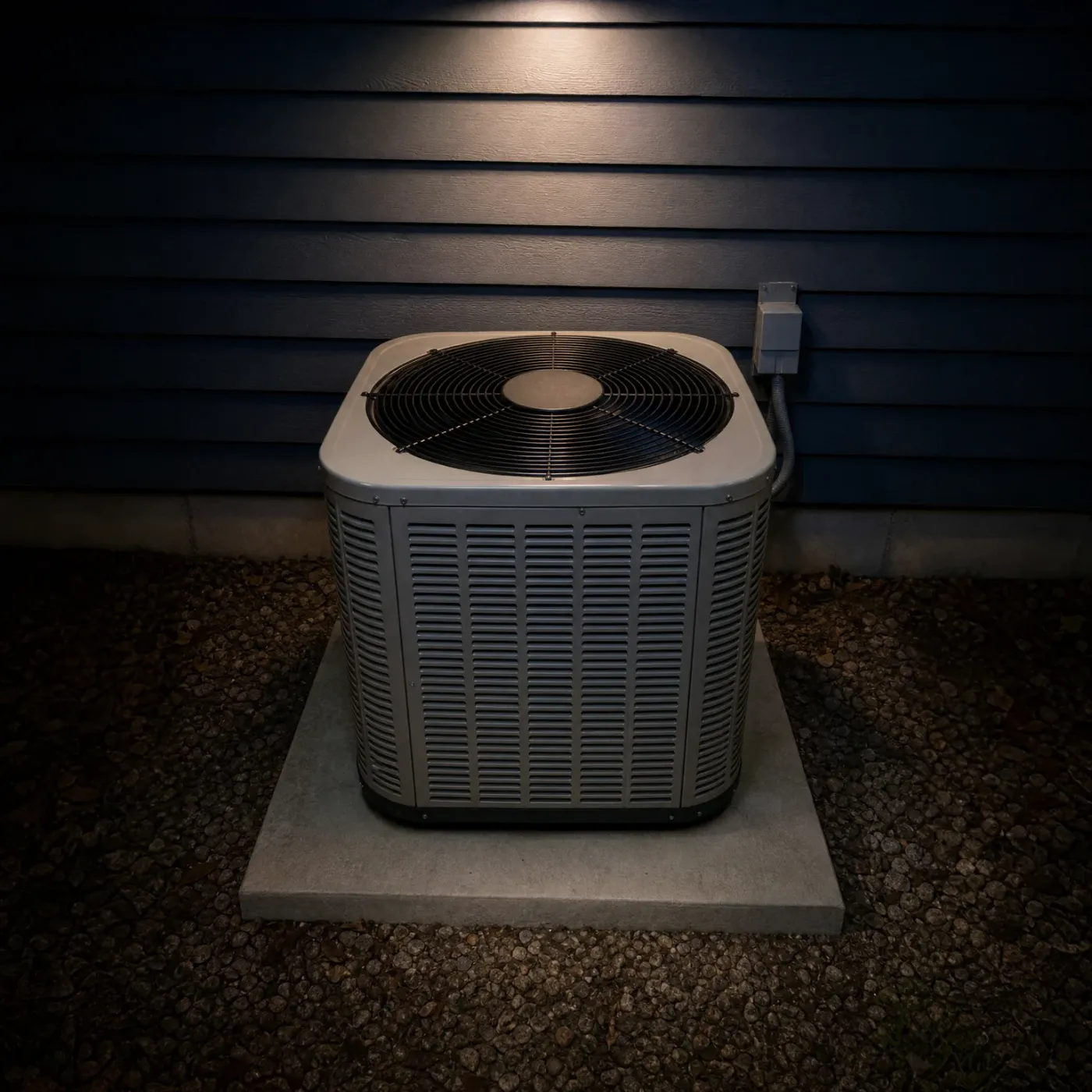
An outdoor air conditioning condenser unit on a concrete pad surrounded by gravel, against dark horizontal siding with an electrical disconnect box and conduit, lit from above at night.

Heat pump

To heat your home here$1.90per 100,000 Btu

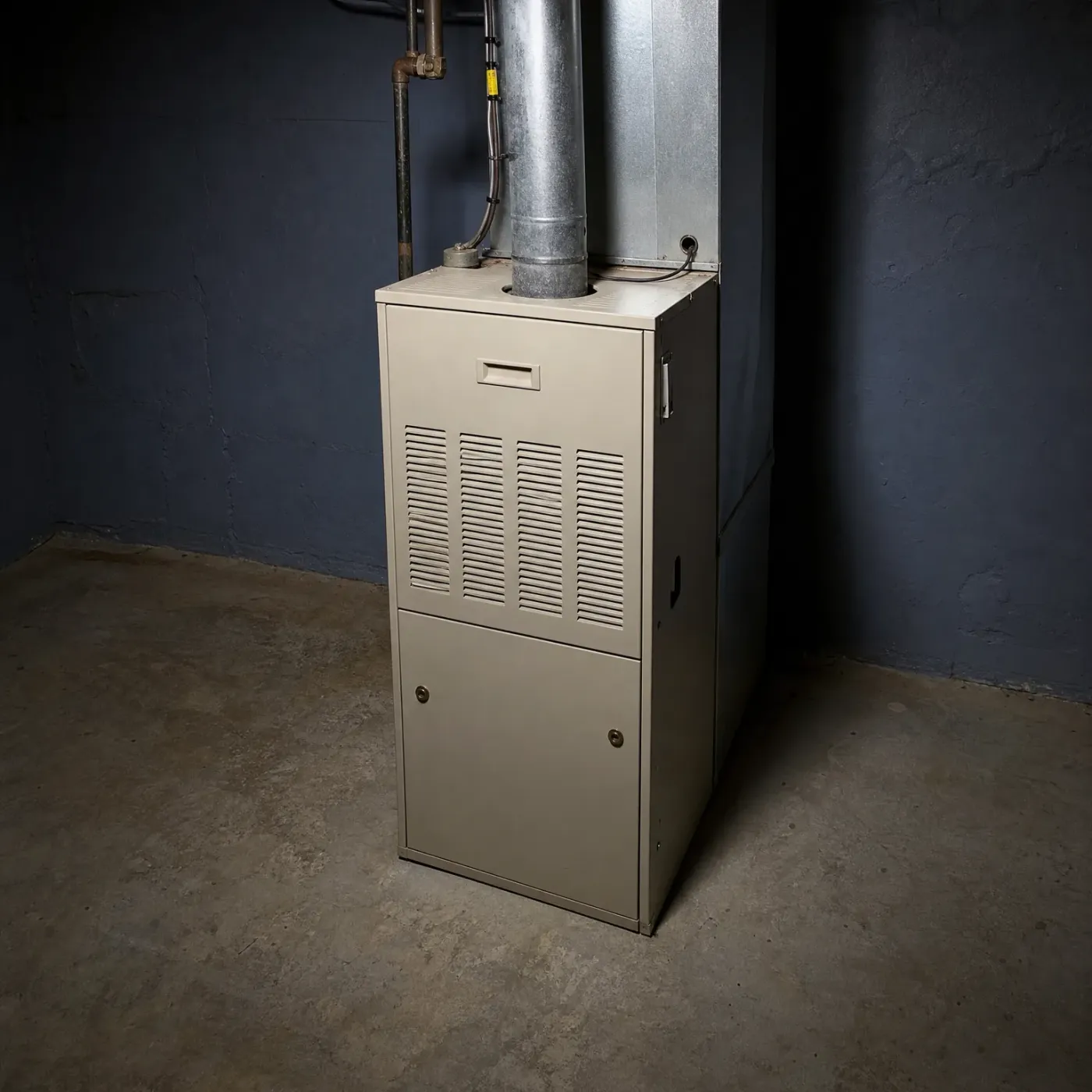
A beige furnace with a louvered front panel stands on a concrete floor in a basement corner, with a metal flue pipe and copper piping rising to the ceiling against dark gray walls.

Furnace

To heat your home here$2.05per 100,000 Btu

At South Carolina's gas and electricity prices, a heat pump makes the same heat as a gas furnace for about 7% less.

Btu stands for British thermal unit, the standard measure of heat energy.

Where does a heat pump shine?

  • Made for mild winters

    Overnight lows in Florence County average 36°F through December, January and February, mild enough that a heat pump can pull heat from the outside air all winter without leaning on backup heat.

    Covered front porch of a gray lap-sided house with a dark navy front door, white columns on stone bases, a wooden rocking chair with a draped blanket, rubber boots by the door, and patches of snow on the ground beside a flagstone walkway.
  • Heats and cools in one system

    One machine handles the heat in winter and the cooling in summer. There's no second system to buy or keep up.

    A living room with a cream sofa holding grey and navy cushions and a grey fringed throw, a rustic wooden coffee table with a mug and wooden bowl, a dark grey panelled door, built-in shelves with books, a large window looking onto a green garden, and a table lamp beside a wooden chair.
  • Steady, even comfort

    A heat pump runs long and low instead of blasting on and off. Rooms hold an even temperature all day.

    A living room with a lit wood-burning stove, a grey armchair with a plaid throw and open book, a lamp on a small side table, glass doors showing a frosty dusk view, and a tan dog sleeping on a woven rug.

Where does a furnace shine?

  • Pairs with any central AC

    Most central air systems are built around a furnace. The two share the blower, the ducts and the thermostat.

    A wooden floor vent register set in a hardwood floor near a window with sheer white curtains, with a woven basket planter on the left and a patterned rug on the right.
  • Fast, strong heat on demand

    Turn the heat up and the furnace answers right away. There's no long wait for the house to catch up.

    Mudroom entry with a dark blue door and wainscoting, coats on hooks, a wooden bench with a gray fringed throw and mug, snow-dusted winter boots on a striped rug, a floor vent, and a sheer-curtained window showing snow outside.
  • Proven, simple, easy to get serviced

    Parts are easy to find and most repairs are routine. Getting one fixed rarely means waiting on a specialist.

    A gloved hand holds a white pleated air filter in front of a furnace and ductwork, with shelves holding baskets and a potted plant on the left.

Winters here don't ask much of a heat pump

Your winter is mild enough that a heat pump makes sense here. Overnight lows average 36°F through December, January and February, and the heat only runs about five months, November through March. A heat pump built to the federal minimum keeps up with that without much strain.

The nights that worry people about heat pumps are the ones at or below freezing, and Florence County only sees about 50 of those a year. Spread across the roughly 150 nights the heat runs, that's under a third of the season. Most of the winter here, a heat pump is just working in its comfort zone.

It also costs less to run. At South Carolina's average fuel prices, a heat pump makes heat for $1.90 per 100,000 Btu against $2.05 for a gas furnace. That's the same heat for about 7% less, and it holds up because the cold snaps that would lean on a heat pump's backup heat are the exception here, not the rule.
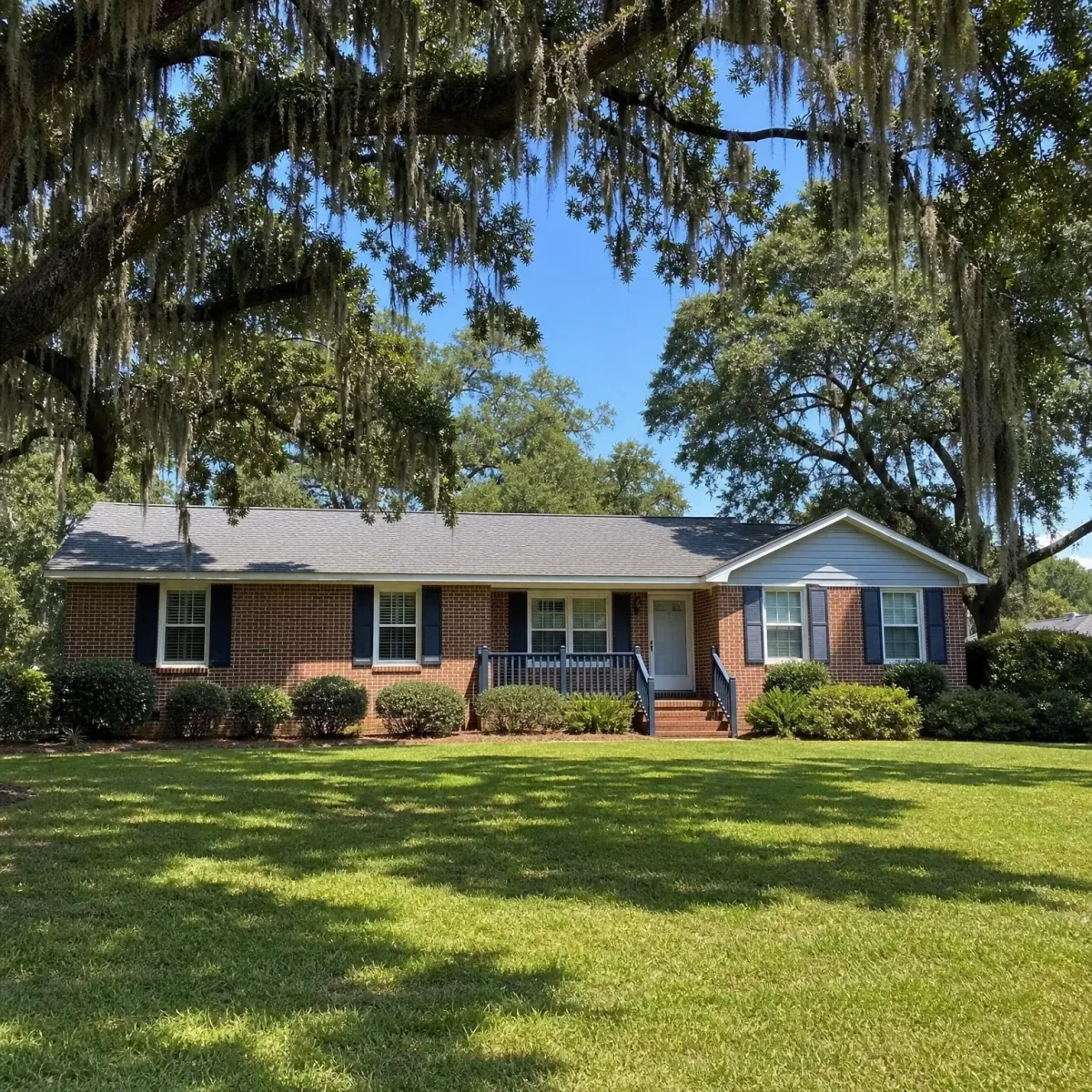
A single-story brick ranch house with dark blue shutters, a small covered front porch with railings, and a gray shingled roof, set behind a mown lawn and framed by large oak trees draped with Spanish moss.

The other seven months, and what your neighbors run

A gas furnace only heats. For the five months of winter it has a job, then it sits unused the other seven, including the five months of summer when your house needs cooling instead. A heat pump does both jobs with one system, which matters in a county where cooling season runs just as long as heating season, May through September, and afternoons hit 90°F or above about 75 days a year.

That split shows up in how the county actually heats its homes. Electricity heats 83.3% of homes in Florence County, gas only 10.7%. If your house came with electric heat already, a heat pump is the natural next step. If it came with a gas furnace and ducted gas lines already run to it, pairing a new furnace with your central AC is still a sound, proven way to go, it's just not the cheaper one to run.

Sources: NOAA nClimDiv · NOAA 1991–2020 seasonal normals · Census ACS 2020–2024 · EIA SEDS 2024 · 10 CFR 430.32

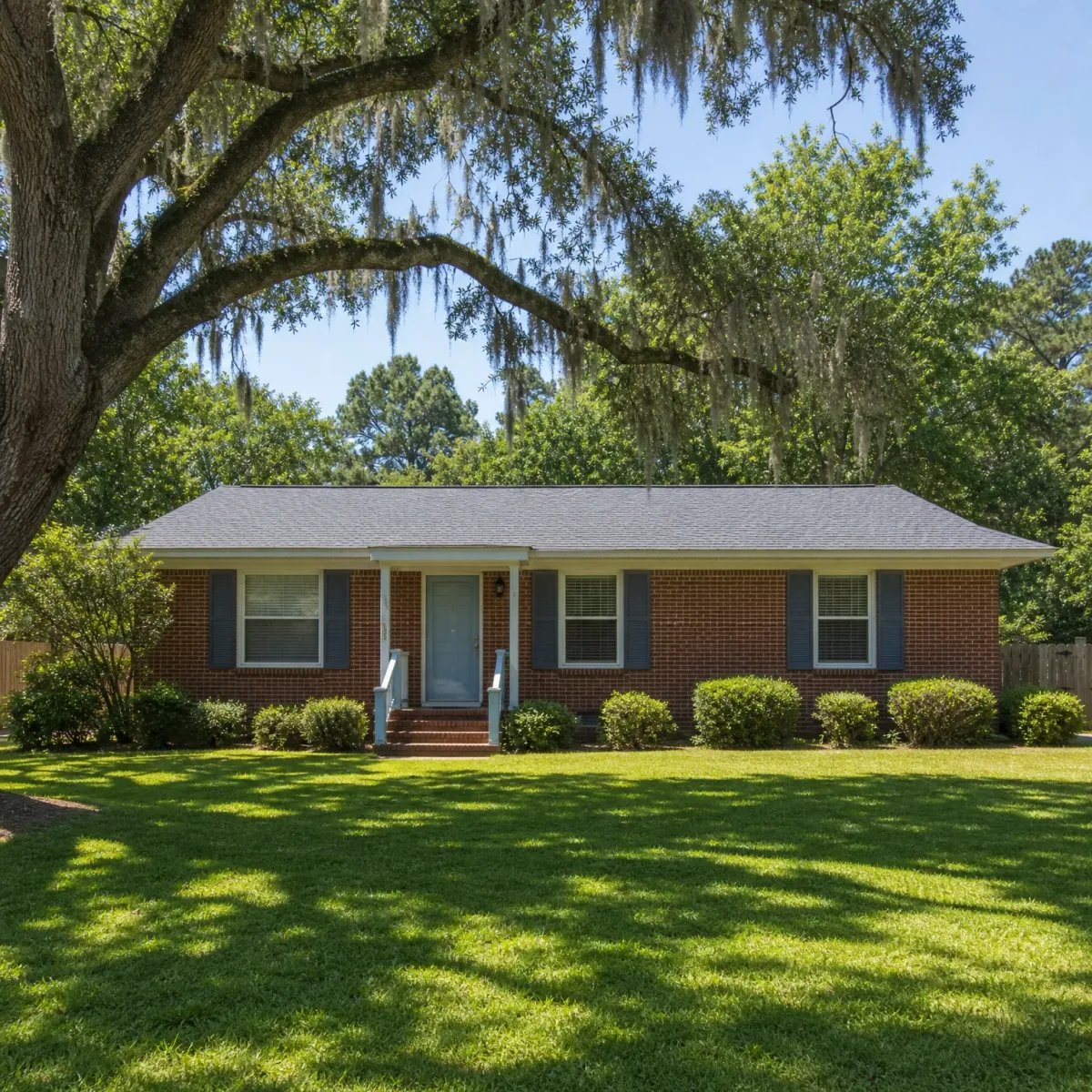
Single-story red brick ranch house with gray shingle roof, blue shutters and front door, low shrubs along the foundation, a mowed green lawn in front, and a large moss-draped oak branch overhanging from the left.

Common questions about heat pumps and furnaces

  • Will a heat pump keep my house cool enough here?

    Yes. A heat pump is a central air conditioner in the summer months, same as the AC half of a furnace-and-AC setup, just run in reverse. Florence County hits 90°F or above on about 75 days a year, and a heat pump sized for your house handles that the same way any central AC would.

  • Can I keep my furnace and add a heat pump?

    Yes, that's a dual fuel setup: the heat pump handles the heating down to a set outdoor temperature, and the furnace takes over below that point. In Florence County, nights fall to 32°F or below about 50 times a year, under a third of the roughly 150 nights the heat runs, so the furnace would only be firing on the coldest nights of the year. The rest of the season, the heat pump does the work on its own.

  • What if my house doesn't have a gas line?

    Then you're choosing between a heat pump and a furnace burning propane or oil, since a gas furnace needs a line that isn't there. About one in ten homes here run on utility gas, so most houses in Florence County already use electricity for heat, mainly through a heat pump. Propane and oil have to be delivered and stored on site, which a heat pump avoids entirely.

  • Is a heat pump cheaper to run than a furnace in Florence County?

    Yes, at South Carolina's current prices. Heating with a heat pump runs about $1.90 per 100,000 Btu here against $2.05 for a gas furnace, so the heat pump costs less for the same heat. That gap holds as long as electricity and natural gas stay near their current prices in South Carolina.