






Two illuminated white colonial-style houses with wrap-around porches, flanked by oak trees draped in Spanish moss, photographed at night.

Furnace Installation in Chester, SC

Tell us about the job

Takes about a minute. No obligation.

New system or replacementFurnace or heatingChester County, SC
Step 1 of 2

What ZIP code is the job in?

Ask what size furnace each contractor is proposing, and ask how they arrived at that number. A furnace that's too big for the house will short cycle, turning on and off more than it should, which wears out parts faster and leaves rooms feeling uneven. One that's too small will run long stretches and still struggle on the coldest days. A proper sizing calculation looks at the house itself, not just the equipment that's already there. Ask about the warranty too, both on the unit and on the labor, since those often come from different places and cover different things. And ask who handles the permit and inspection, because that step is what confirms the install was done to code.

5 months
November through March, your furnace is on duty
33°F
the average winter night it heats against
80% AFUE
the federal minimum any new unit must meet
Isometric line illustration of a cutaway single-story house showing interior rooms with furniture, ceiling ductwork, a chimney flue, and a furnace unit outside the exterior wall.
Your furnace works hardest from November through March.

NOAA nClimDiv, 1991–2020 normals

A standard furnace sized right for the house will heat it fine here.

There's no reason to pay for extra capacity Chester doesn't ask for.

More than half of Chester County heats with electricity, so a furnace replacement usually means matching what's already there

52.8% of homes heat with electricity
Heat runs November through March
Winter nights average 33°F
A furnace with an easy jobHeat runs five months here, November through March, with overnight lows near 33°F.

A quote for the same furnace can vary a lot between contractors, and most of that gap isn't the equipment. The furnace itself is a fixed cost, priced close to the same everywhere. What changes is the labor underneath it. How much duct modification the install calls for, whether the vent pipe needs rerouting, whether the gas line is already sized right or needs work to feed the new unit. A straightforward swap where the new cabinet matches the old footprint takes a lot less labor than one where the ductwork has to be rebuilt to fit. The electrical hookup and thermostat wiring add more if the old wiring doesn't match what the new furnace needs. None of that shows up by looking at a furnace sitting in a showroom. It shows up when a contractor is standing in front of the one being replaced.

Any furnace going in here has to clear zone 3A's minimum

Furnaces built from November 2015 on have to hit 80 percent AFUE, and that's already the standard efficiency level, nothing extra to chase. A federal tax credit is available on top of that for units that qualify, worth asking a contractor about when you're comparing bids.

Find a contractor
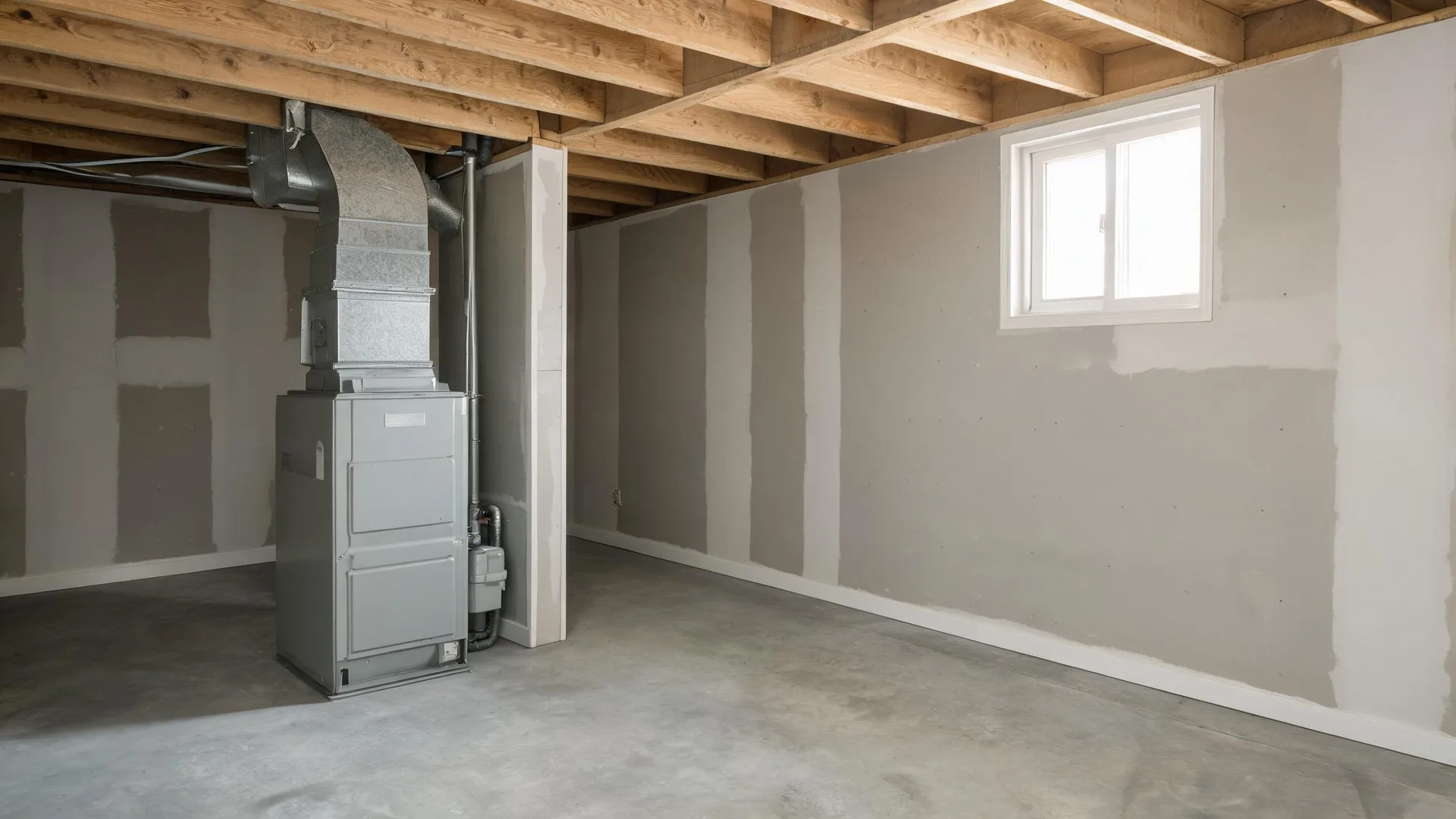
A gas furnace with attached ductwork, gas piping, and condensate lines installed in a concrete-block basement.

The label tells you the bill, not the install

That AFUE number on the label tells you how much of the fuel burned turns into heat in the house, and how much goes out the flue. It doesn't change how the furnace is installed or how long the job takes to run right. A properly sized unit still needs the same duct connections, the same gas pressure test, the same check on temperature rise, whether it's rated at the minimum or higher. Where the rating shows up is on the gas bill, month after month, for as long as the furnace runs. A higher AFUE unit usually means a more complex venting setup too, since the exhaust gases are cooler and have to be handled differently than on a standard model. That's worth knowing before you compare bids, since it changes what the installation involves, not just what's printed on the sticker.

Disconnecting the old furnace is its own job

The gas line gets capped, the electrical gets disconnected, and if the furnace shares a flue with a water heater, that connection has to be checked so the water heater still vents correctly on its own. None of this is optional work tacked onto the install. It's part of taking the old unit out safely.
The old furnace gets hauled off, not left behind

A furnace is mostly sheet metal, copper and a handful of electrical parts, all of it worth recycling rather than sending to a landfill. Hauling off the old unit and getting it to a scrap yard is routine for a contractor doing this kind of install. Ask upfront whether that disposal is part of the job, since some crews include it and some leave it for the homeowner to arrange.

Sizing a furnace comes down to a heat loss calculation, not a guess based on the old unit or a rule of thumb per square foot. A contractor measures the walls, the ceiling, the windows and doors, and figures out how fast the house loses heat on a cold day. That number points to the output the furnace needs to replace. Skip that step and you're just matching what was there before, which may have been wrong from the start. The old furnace might have been oversized to begin with, or sized for the house before someone added insulation or replaced the windows. Either way, the house in front of the contractor is what matters, not the nameplate on the unit coming out.

Installation day starts with the old furnace coming out, then the new one goes in, and most of the day is the parts in between. The supply and return ducts get connected to the new cabinet, which isn't always a straight swap since cabinet sizes vary between models. The gas line gets hooked up and pressure tested before anything runs. The flue gets connected, and venting matters as much as the furnace itself, since a furnace that's drawing combustion gases wrong is a problem no matter how well it heats. The electrical and the thermostat wire get tied in last. Once it's all connected, a contractor runs the furnace through a full cycle, checking the temperature rise, the gas pressure and the airflow before calling the job done, not just checking that it turns on.