
Heat pump vs furnace in Chester County, South Carolina

Quote Both Systems

Get a price before you decide

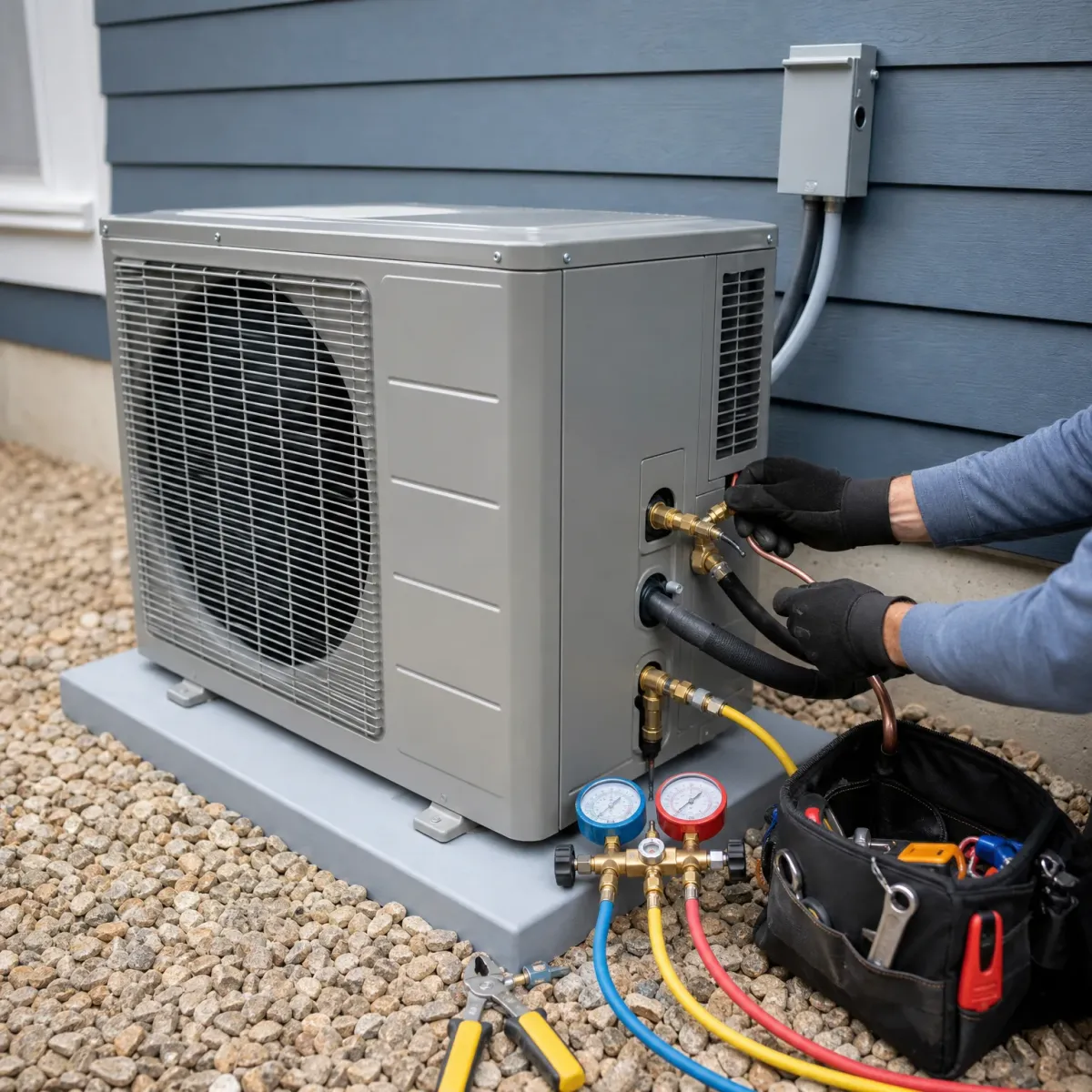
A gloved technician's hands work on refrigerant line connections at a gray outdoor condenser unit on a concrete pad over gravel, with a refrigerant manifold gauge set, colored hoses, pliers, and a tool bag in the foreground beside blue lap siding.

Tell us about the job

Takes about a minute. No obligation.

New system or replacementChester County, SC
Step 1 of 3

What kind of equipment?

Which costs less to run in Chester County?

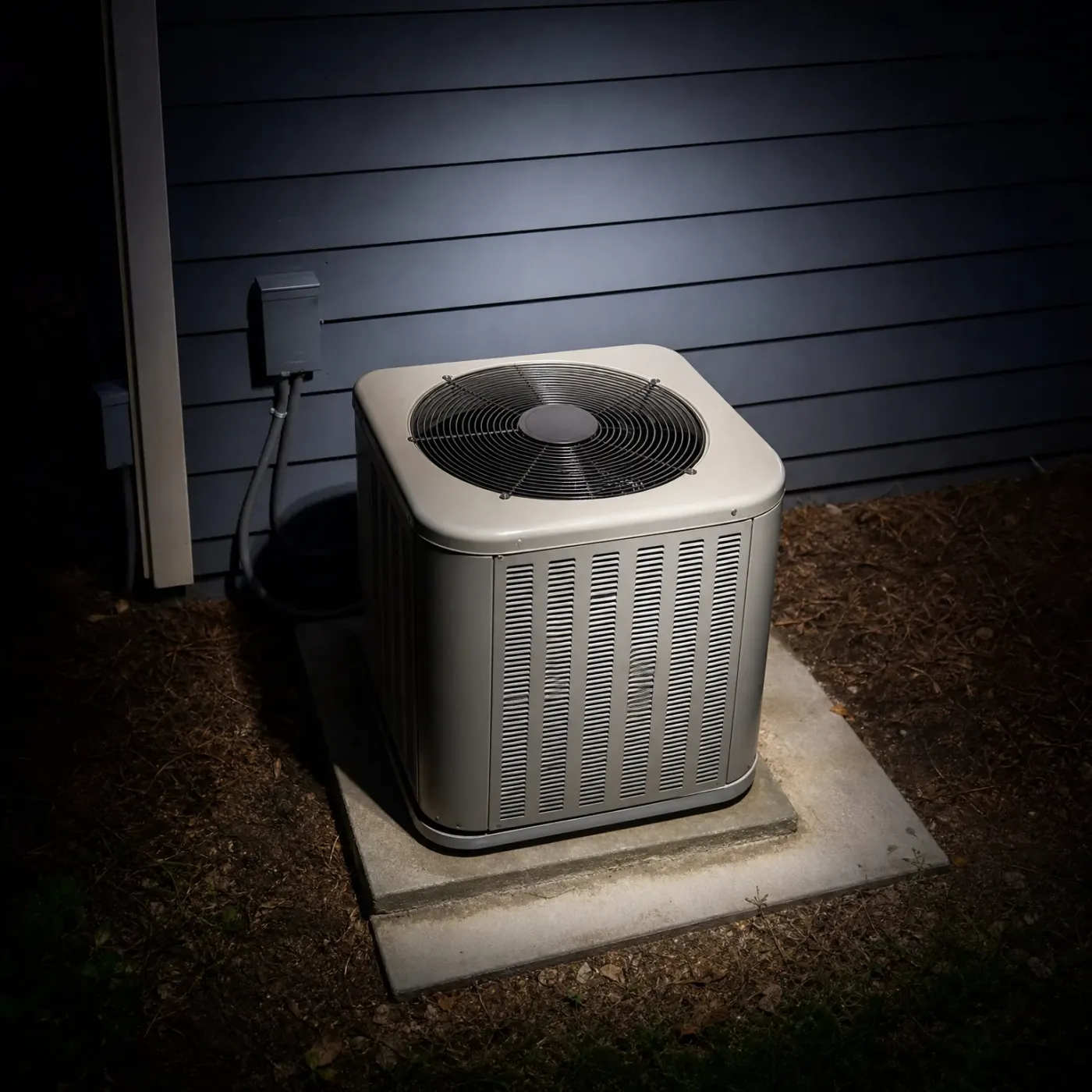
An outdoor air conditioner condenser unit on a concrete pad beside a house with dark horizontal lap siding, with an electrical disconnect box and conduit on the wall behind it.

Heat pump

To heat your home here$1.90per 100,000 Btu

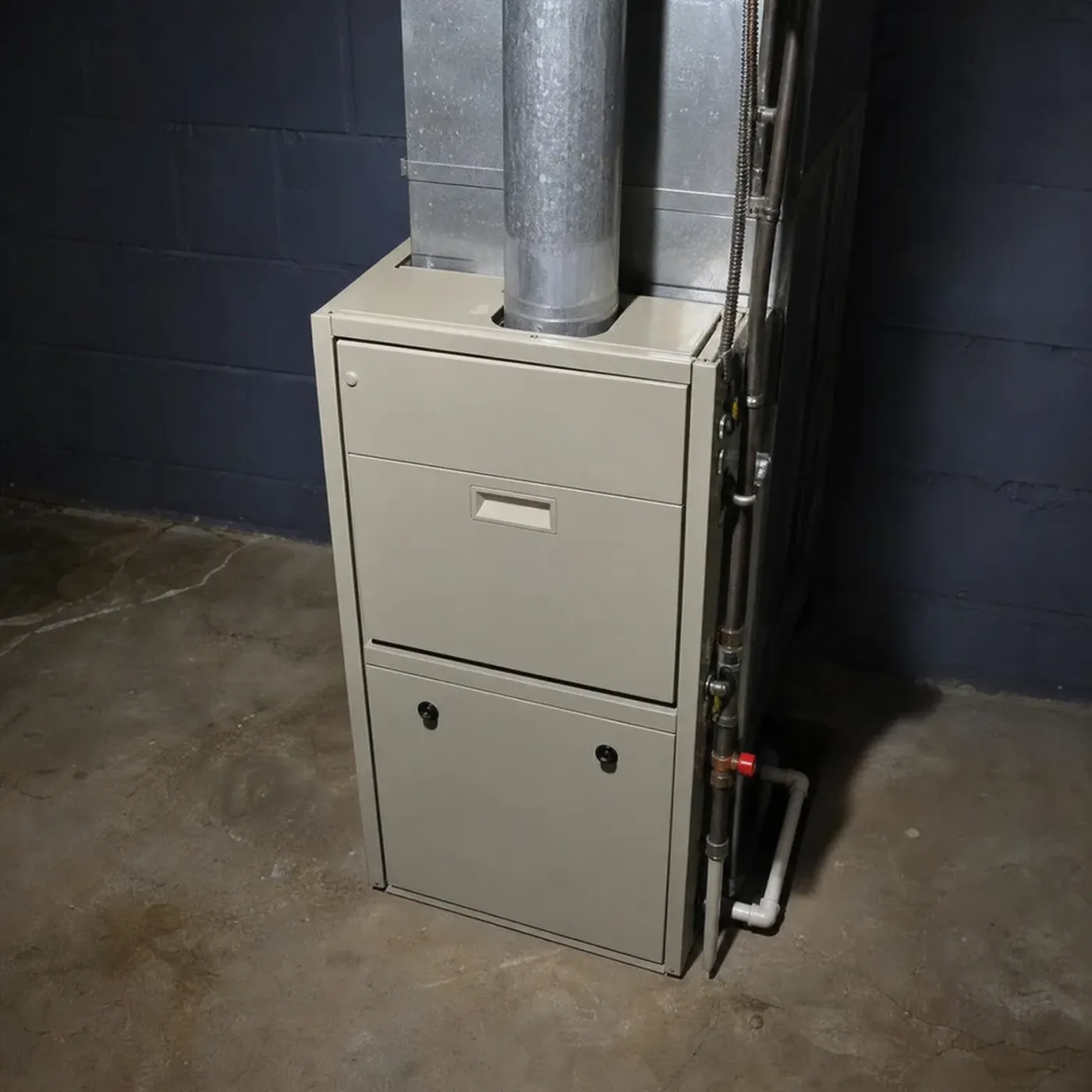
A beige residential furnace stands on a concrete floor against a dark painted block wall, with a galvanized metal flue pipe rising from its top and gas and electrical conduit lines running along its right side.

Furnace

To heat your home here$2.05per 100,000 Btu

At South Carolina's gas and electricity prices, a heat pump makes the same heat as a gas furnace for about 7% less.

Btu stands for British thermal unit, the standard measure of heat energy.

Where does a heat pump shine?

  • Covers a long cooling season

    Cooling runs May through September here, five months of the year. A heat pump earns its keep through that whole stretch, then switches over to heat your house once the cold comes back.

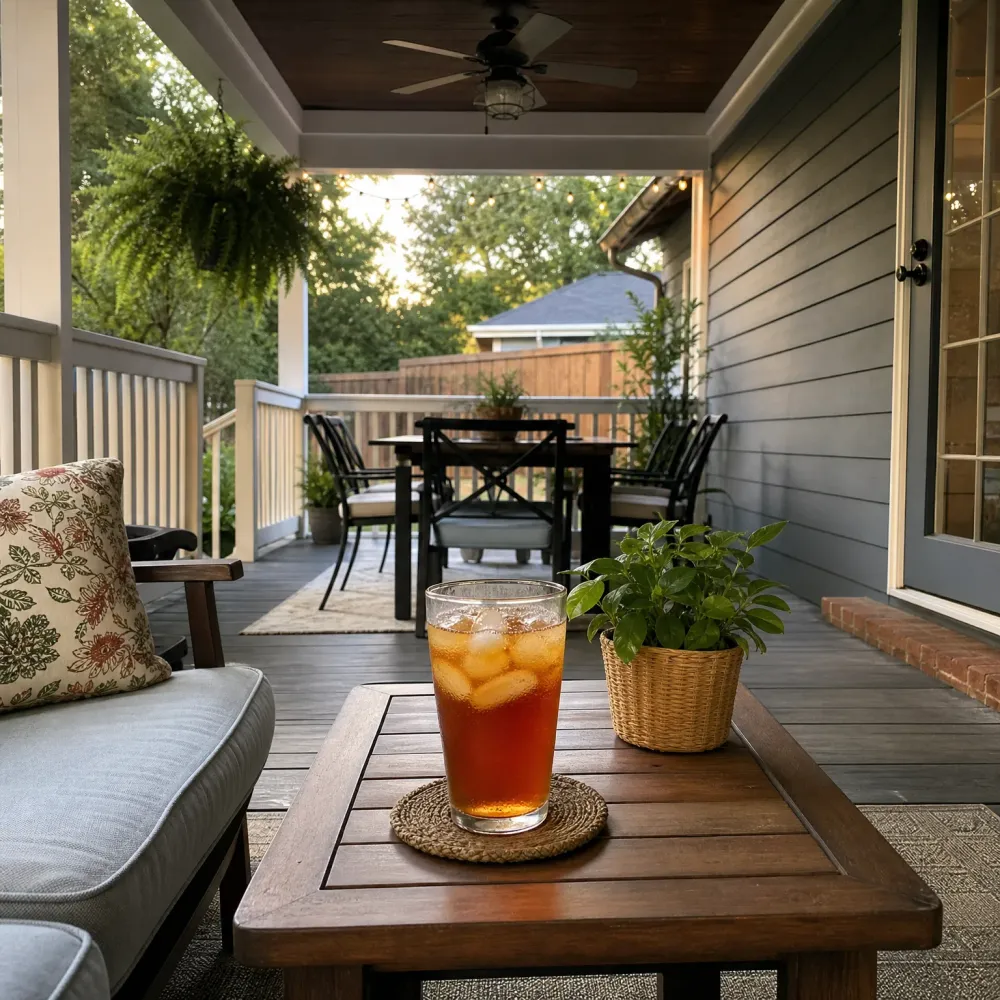
    A covered porch with a glass of iced tea on a woven coaster atop a wooden table, a potted green plant in a wicker basket, a cushioned sofa with a floral pillow, and a dining set with black chairs near a white railing.
  • Steady, even comfort

    Instead of short bursts of heat, it keeps a gentle, steady output going. The house stays at one comfortable temperature.

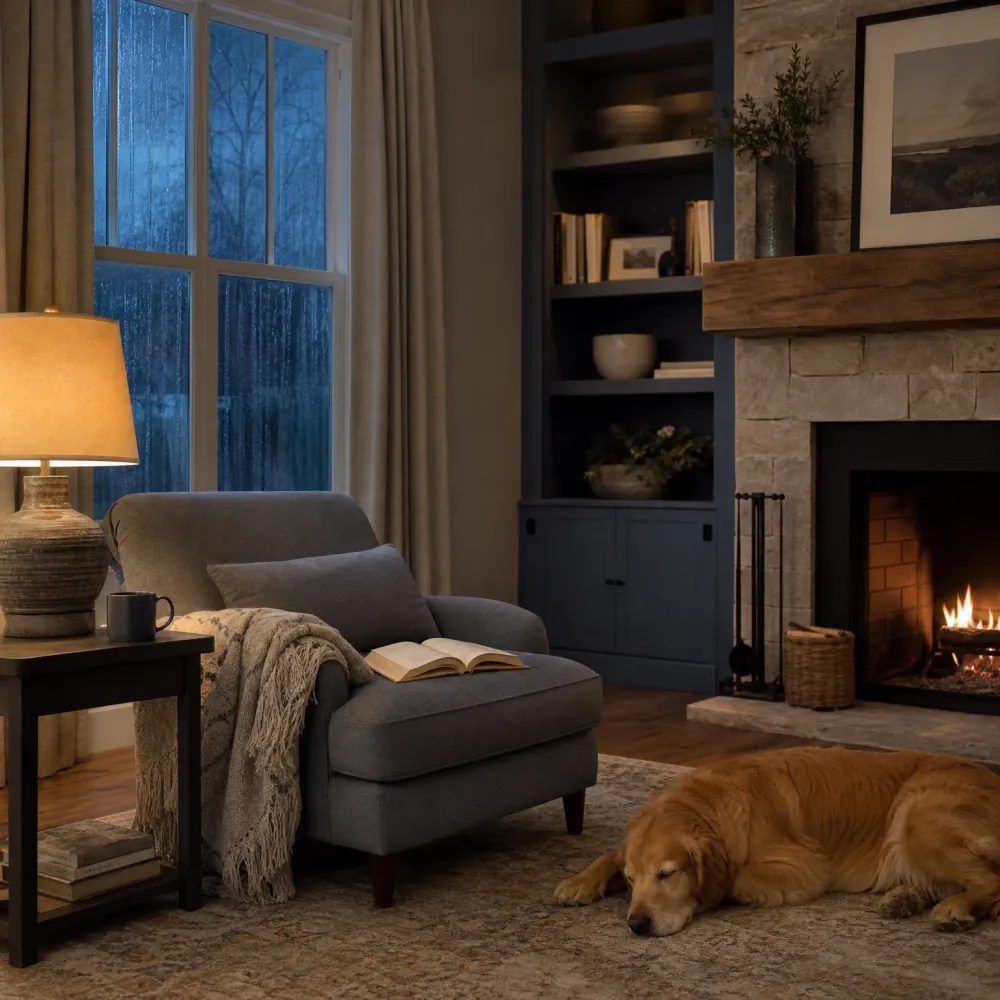
    A dimly lit living room with a gray armchair holding an open book and a throw blanket, a lit table lamp, a stone fireplace with a fire burning, built-in navy shelving, and a golden retriever sleeping on a patterned rug.
  • Heats and cools in one system

    A heat pump runs the same way all year. It pulls heat into the house in winter and pushes it out in summer.

    Living room with a beige sofa holding plaid and blue cushions and a grey fringed throw, a wooden coffee table with pears in a bowl, a mug and hydrangeas in a glass vase, a ceramic lamp on a small round side table, dark built-in shelving, and a large window overlooking a flowering garden.

Where does a furnace shine?

  • Proven, simple, easy to get serviced

    The design is simple and well understood. That keeps service calls short.

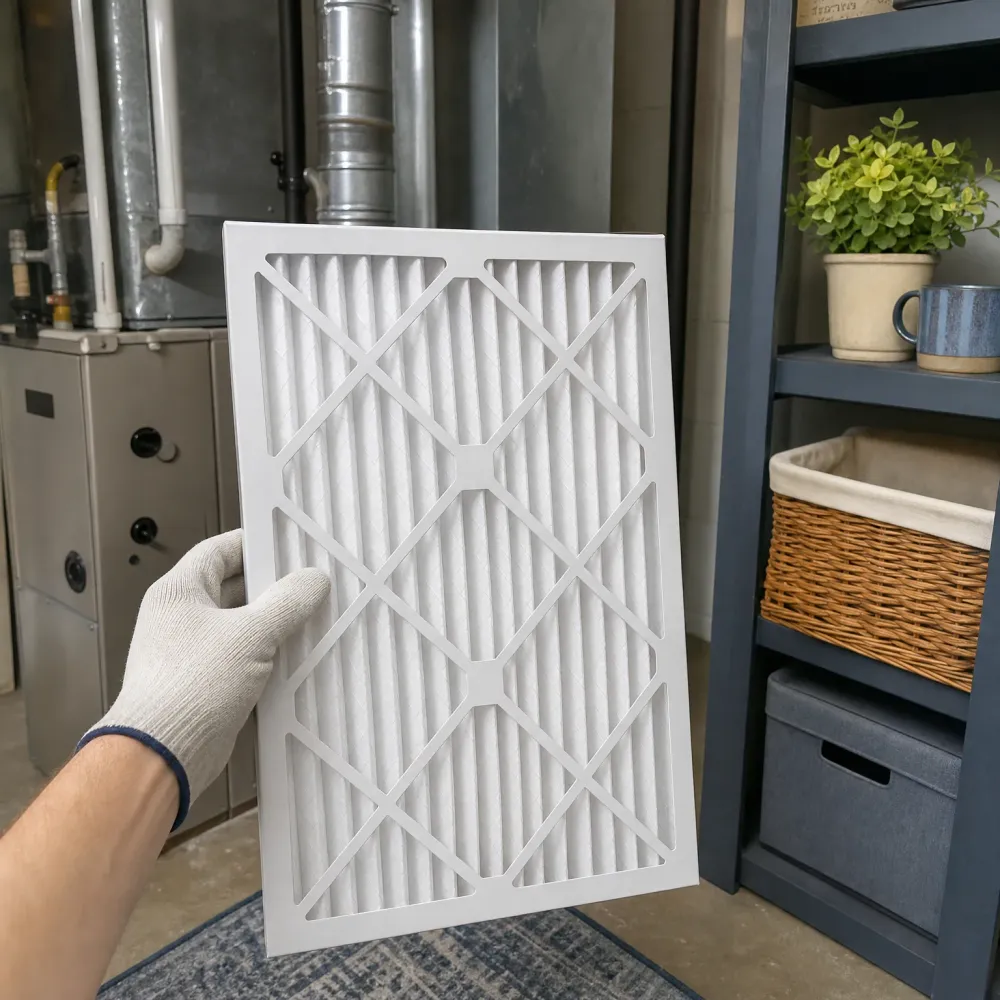
    A gloved hand holds a white pleated air filter in front of a furnace and ductwork, with a shelving unit holding a potted plant, mug, wicker basket and storage box at right.
  • Fast, strong heat on demand

    The air coming from the vents feels genuinely hot. That's welcome on a freezing morning.

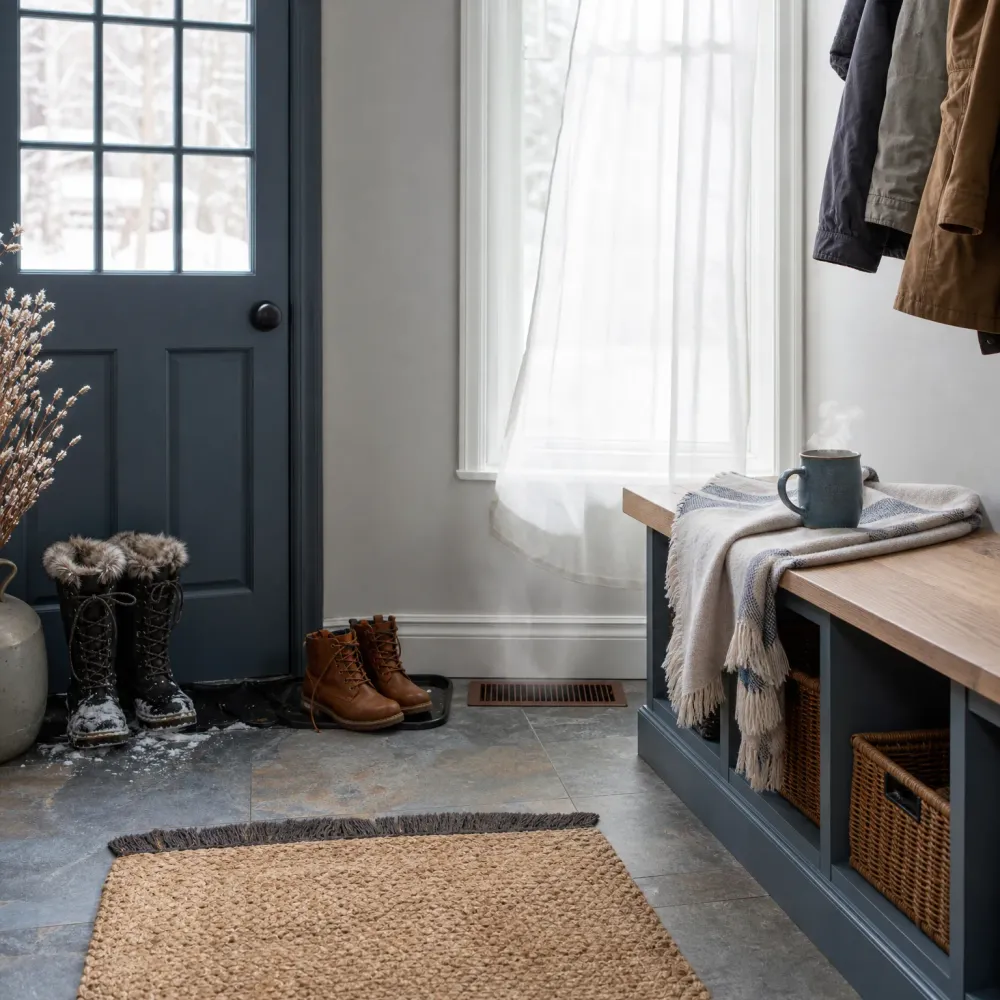
    Mudroom entry with a dark blue paneled door, snow-covered fur-trimmed boots and brown leather boots on a tray, a floor vent, a jute rug on stone tile, and a wooden bench with woven baskets, a throw blanket, and a steaming mug beside a sheer-curtained window.
  • Pairs with any central AC

    A furnace's blower and ducts carry cooled air too. Adding central AC uses the same system.

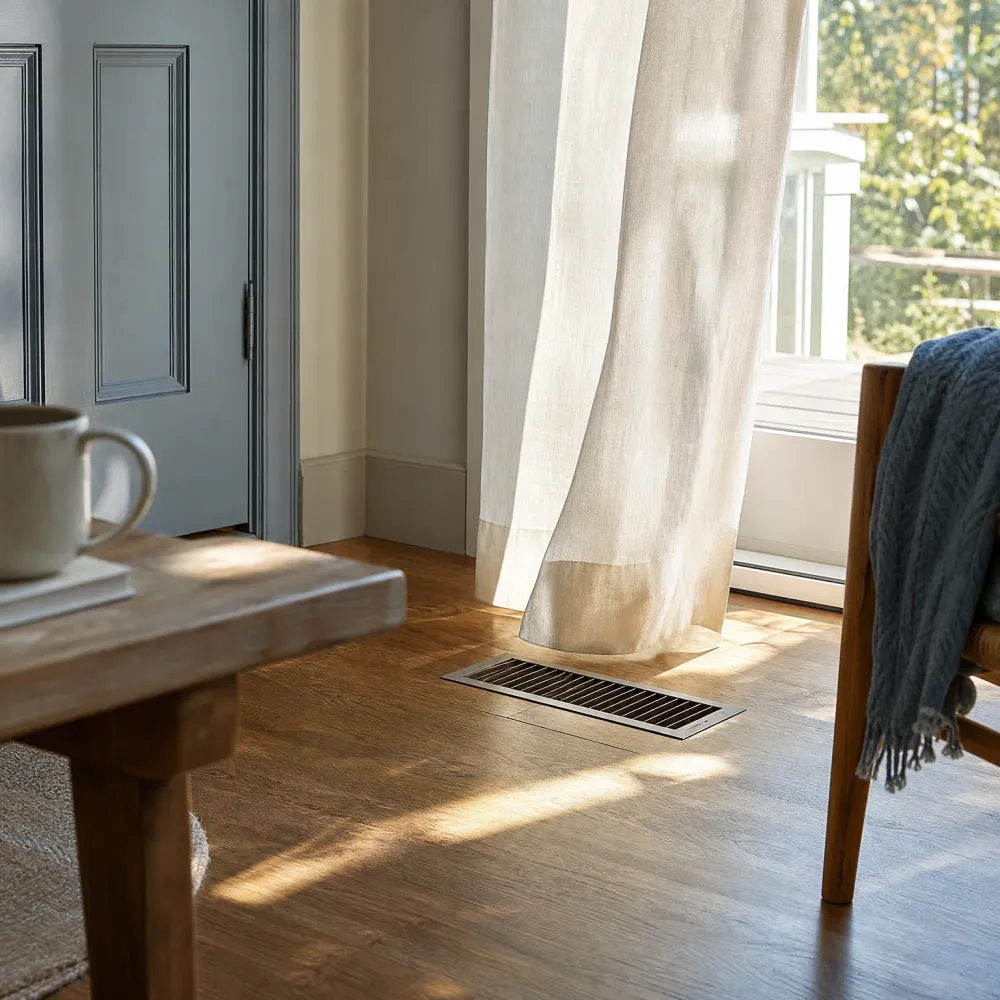
    A metal floor vent set in a hardwood floor near a window with a sheer curtain, with a wooden bench holding a mug at left and a wooden chair draped with a blue throw at right.

What winter actually asks of a heat pump here

Winter in Chester County is mild. The overnight low averages 33°F across December, January and February, and it only reaches 0°F or below on fewer than one night a year. That matters because the two weak points of a standard heat pump are both tied to temperature. Below 40°F it puts out less heat than its rating says. Below about 35°F it often leans on backup heat to make up the difference. Chester County's average winter night sits below both marks, and so does every one of the roughly 70 nights a year that drop to freezing or lower.

That sounds like a problem for a heat pump until you look at how far below those marks this county actually gets. Of the roughly 70 nights a year at or below freezing, close to none reach 0°F. These are nights in the 20s and low 30s, not nights of real cold. Field testing of cold-climate heat pump prototypes in occupied homes found that between 0°F and 35°F, backup heat covered only a small share of the winter's heat, and running on backup alone was rare above 0°F. Chester County's winter sits almost entirely in that range.

If you want more certainty on the coldest nights anyway, an ENERGY STAR Cold Climate heat pump is built for colder places than this. At 5°F it still makes at least 1.75 units of heat per unit of electricity and holds onto at least 70 percent of its 47°F capacity. That's more machine than Chester County's winter asks for, but it's there if you want a heat pump that barely notices the handful of cold nights it does get.
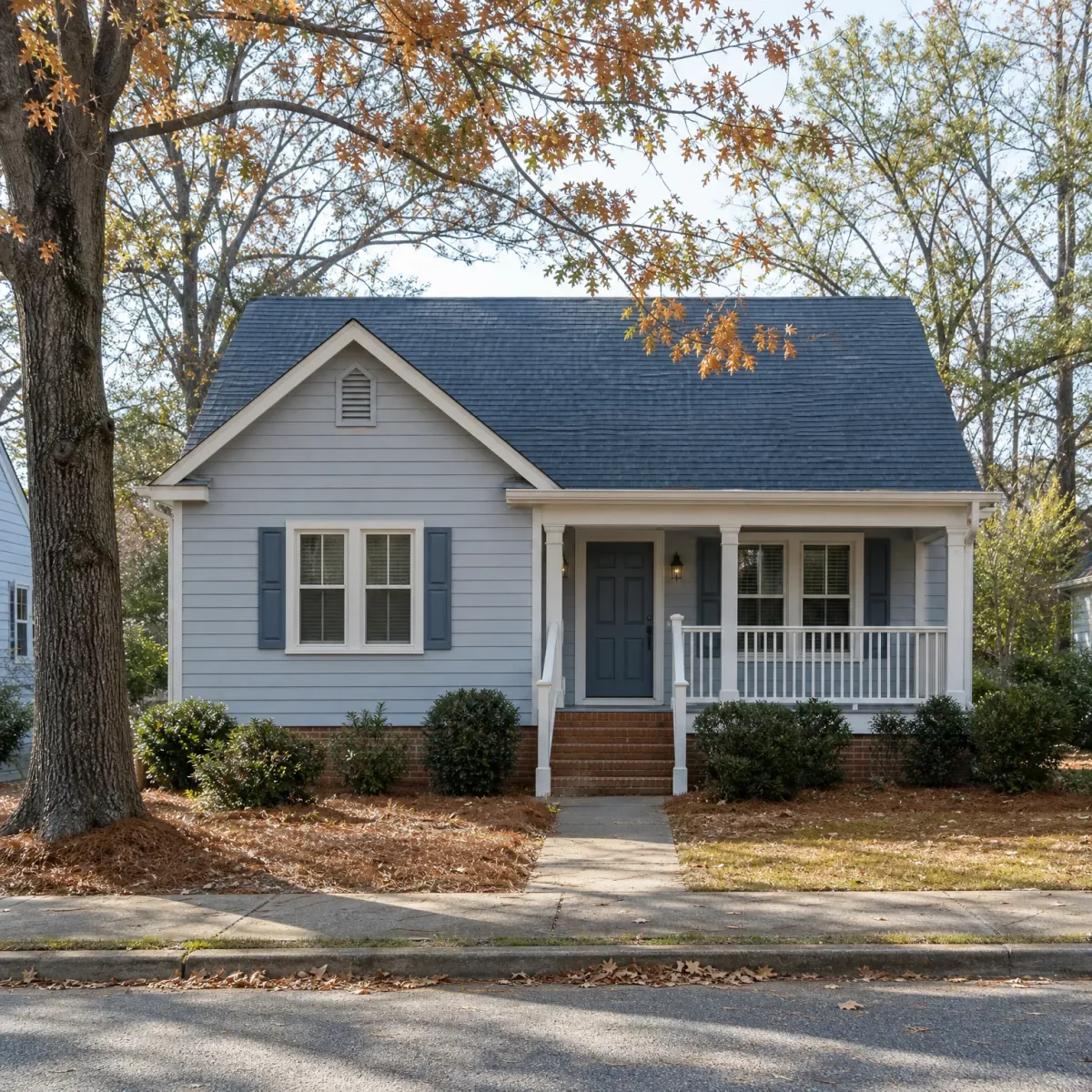
A single-story light blue house with white trim, blue shutters, a gray shingled roof, and a small covered porch, set behind a bare-branched tree with orange leaves and a concrete walkway leading to the street.

Why the heat pump wins the rest of the year too

Heating and cooling here run the same length, five months apiece, so neither one is the afterthought. A furnace only does half that job. It heats from November through March and then sits unused the other seven months, including the roughly 55 days a year that reach 90°F or above. A heat pump runs both sides of the year on one system, which is the case for it in a county where summer asks as much of the house as winter does.

On cost, the heat pump already wins the season it's sometimes doubted on. Built to the federal minimum, it makes heat here for $1.90 per 100,000 Btu against $2.05 for a furnace, at South Carolina's gas and electricity prices, with nothing added for backup heat on the colder nights. That gap holds in a county where under half the nights across the whole heating season ever see freezing, and almost none see real cold.

A gas furnace still has real advantages where it has them: simple to service, strong heat the moment it kicks on, and it pairs with whatever central AC is already in place. If the house already has the gas line and ductwork for one, replacing like with like is the easier job. But deciding from scratch, Chester County's winter doesn't give the furnace much to win on, and its summer hands the heat pump a second job the furnace can't do at all.

Sources: NOAA nClimDiv · NOAA 1991–2020 seasonal normals · PNNL Building America guide · PNNL-37127 field study · ENERGY STAR product criteria · EIA SEDS 2024 · 10 CFR 430.32

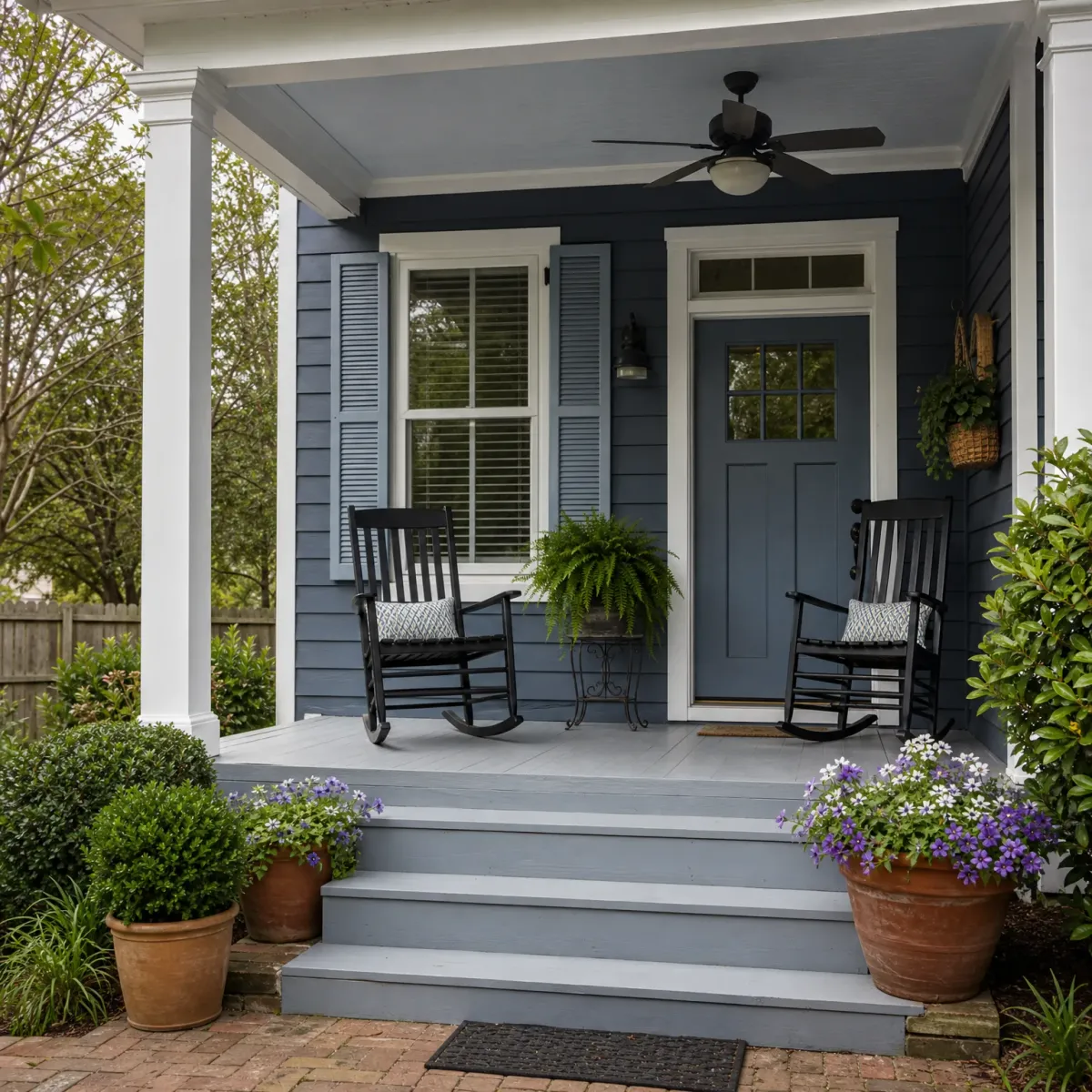
A covered front porch of a blue lap-sided house with white trim columns, a blue paneled door with glass panes, two black rocking chairs, a ceiling fan, a potted fern, and terracotta pots of flowering plants beside gray painted steps.

Common questions about heat pumps and furnaces

  • Will a heat pump keep my house cool enough here?

    Yes. A heat pump is a central air conditioner in the summer, running the same cycle in reverse, so it covers the roughly five months of cooling here including the 55 days a year that reach 90°F or above the same as any central AC would.

  • Can I keep my furnace and add a heat pump?

    Yes, that pairing is called a dual fuel system. The heat pump carries the heat down to the temperature you set, and the furnace takes over below that point, which matters here since the overnight low averages 33°F in December through February and falls to freezing on about 70 nights a year.

  • What if my house doesn't have a gas line?

    A heat pump is usually the cheaper choice. Without a gas line, the furnace alternative burns propane or oil, both of which cost more than the electricity a heat pump uses to deliver the same heat, and the heat pump also handles your cooling instead of sitting idle outside the five months heat runs here.

  • Is a heat pump cheaper to run than a furnace in Chester County?

    Yes, a heat pump costs less to run here. At South Carolina's average fuel prices it makes heat for about $1.90 per 100,000 Btu against $2.05 for a gas furnace, even before counting that the same heat pump also covers your five months of cooling.