Single-story brick and siding houses with covered porches behind a trimmed hedge and lawn, framed by large oak branches draped with hanging moss under an overcast sky.

Heat Pump Repair in Chester, SC

Tell us about the job

Takes about a minute. No obligation.

RepairHeat PumpChester County, SC
Step 1 of 2

What ZIP code is the job in?

Air that isn't warm, or isn't cold enough

A heat pump blowing air that feels lukewarm instead of hot usually points to a problem with the reversing valve or a refrigerant charge that's too low. The system will still run and still move air, so it won't seem broken at a glance. That's what makes it worth checking early, before the compressor has to work harder than it should.

Ice building up on the outdoor unit

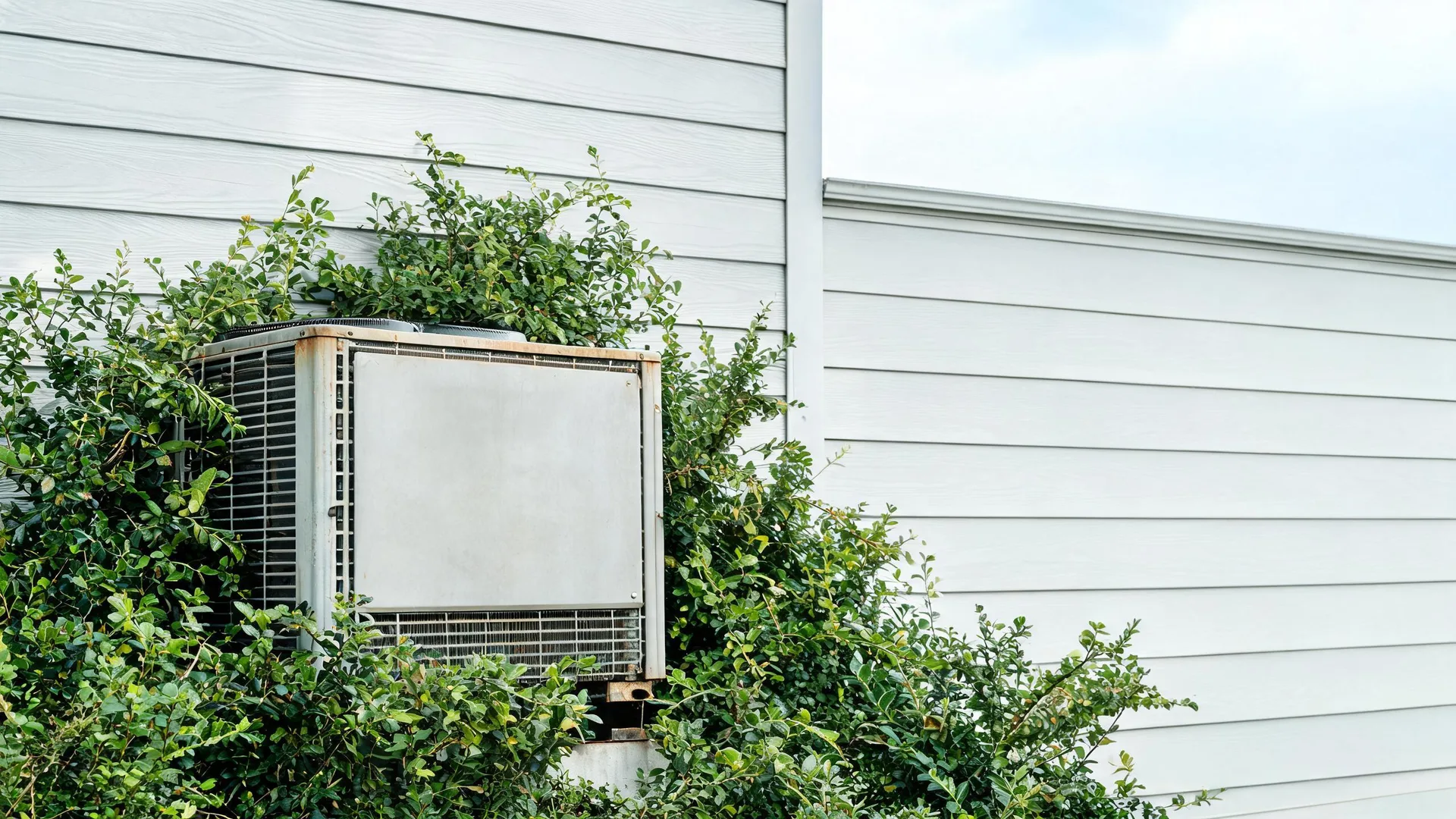
Some frost on the outdoor coil during a defrost cycle is normal. Ice that stays, thickens, or coats the whole unit is not. It usually means the defrost board, a sensor, or the fan motor isn't doing its job, and running the system in that state can damage the compressor.

5 months
November through March, your system heats
5 months
May through September, it cools
33°F
the average winter night it heats against
89°F
the average summer afternoon it cools against
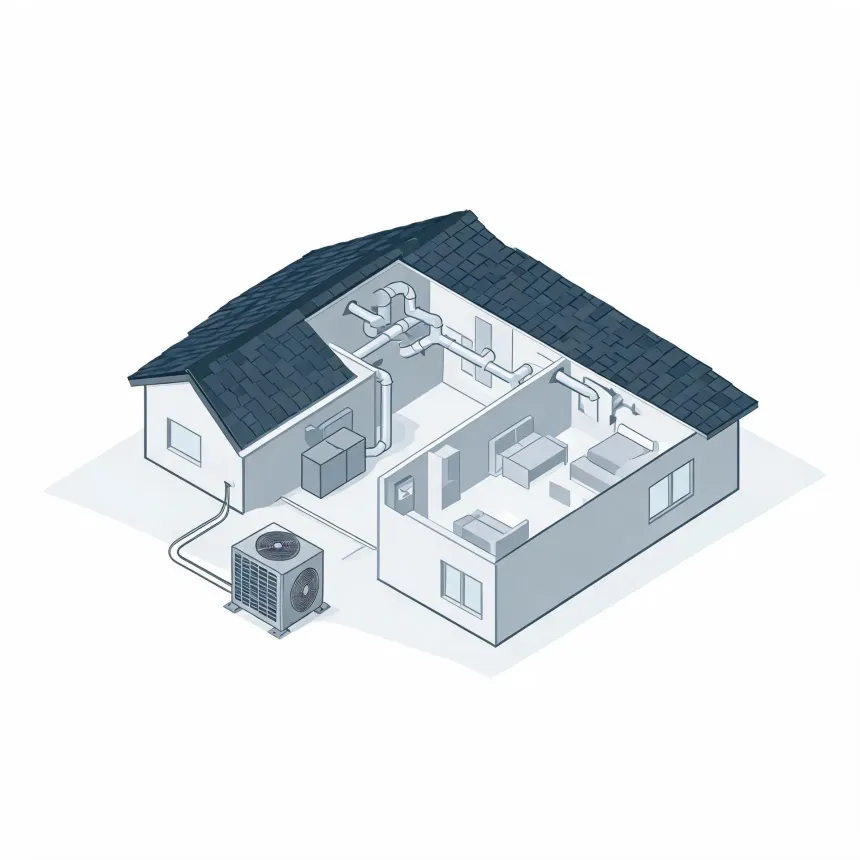
Isometric cutaway illustration of a single-story house showing interior rooms, ceiling ductwork, an indoor air handler, and an outdoor condenser unit connected by lines on the ground.
Your system heats November through March and cools May through September.

NOAA nClimDiv, 1991–2020 normals

Chester County is about even split between homes built before 1980 and newer ones.

Heat pump age depends on when the system was put in, not when the house was, so check the unit itself rather than guess from the house.

November here means heat, so a weak heat pump shows it fast

Cooling runs May through September
Heat runs November through March
Climate zone 3A

Chester County winters stay mild and short, so a heat pump here isn't working hard most of the year. The real load falls on the cooling side, where the long, humid season keeps the compressor running steady rather than straining in short bursts against extreme heat or cold. That's an easier pattern than what a heat pump faces in a place with harsh winters, and it means less wear on the compressor and coils over time. So if yours is giving you trouble, age and upkeep are more likely the cause than the climate wearing it out early. That's usually good news for a repair call, not a reason to start pricing a new system.

Get the usual fix

Nothing about this area is especially hard on it. It's most likely the usual problem with the usual fix.

Find a contractor
A residential heat pump outdoor unit mounted on a concrete pad next to a house with gray vinyl siding.

Steady work, not hard work

A heat pump here runs for cooling more than anything, and that's steady work, not the kind that beats up a compressor. If the one outside your house is struggling, that points to a part that's failed or a system that's gone a long time without service. Worth having someone look at it rather than written off.

A low charge gets lower

A heat pump low on refrigerant doesn't fix itself by running. The compressor keeps pulling on a charge that's already short, and that strain is what burns a compressor out. What starts as weak heating or cooling ends as a failed compressor if it keeps running that way.

A struggling system still looks fine

The blower still runs, the thermostat still lights up, so nothing looks wrong. Underneath, a failing capacitor or a dirty coil is making the compressor work past what it's built for. By the time the system won't start at all, that extra strain has usually already done the damage.

Check the thermostat first. Make sure it's set to heat, not fan only, and that the setpoint is actually above room temperature. Go outside and look at the unit. Clear away leaves, mulch, or anything blocking the sides, and make sure nothing is sitting on top of it. If the outdoor coil is caked in ice that isn't clearing on its own, flip the system off at the thermostat and let it thaw rather than chip at it. Inside, pull the air filter and hold it up to a light. If you can't see light through it, that's airflow the system isn't getting. None of this fixes a bad reversing valve or a low charge, but it rules out the easy stuff before you pay someone to find out it was a filter.

A diagnostic call starts outside at the unit, then moves in to the air handler and thermostat. The tech checks refrigerant pressures first, because that number tells them more about what's wrong than anything else on the system. They'll test the capacitor and the contactor too, since those fail often and are easy to confirm with a meter. If the complaint is lukewarm air, the reversing valve gets checked by watching whether it actually switches when it's told to. Airflow gets a look as well. The filter, the coil, the blower wheel all get checked, because restricted air can mimic a refrigerant problem and send someone chasing the wrong fix. Most of this is done with gauges and a meter, not guesswork, and a tech should be able to tell you what's failing before they start taking anything apart.