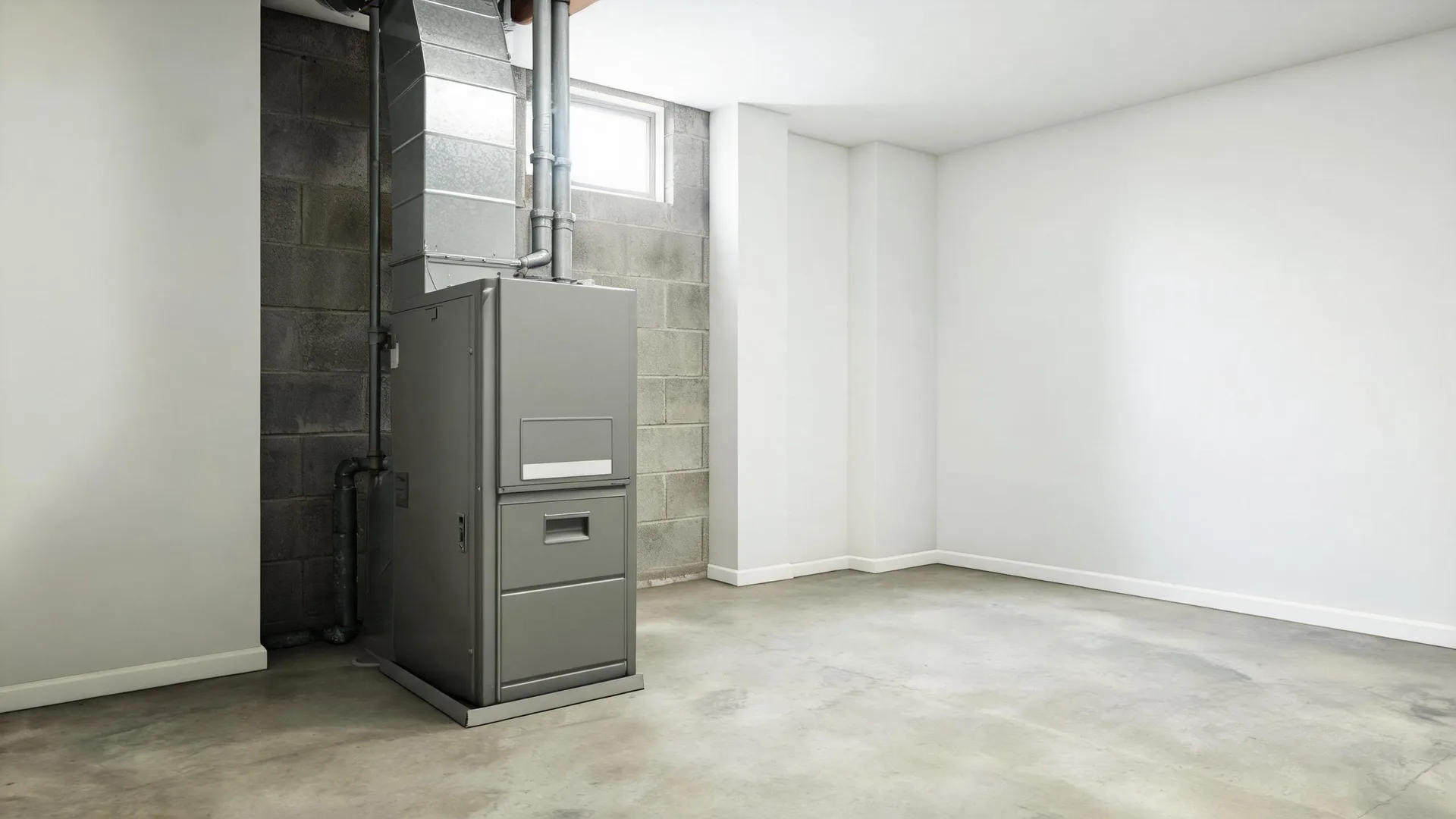
80 percent AFUE is the floor here
Any non-weatherized gas furnace built from November 2015 on has to hit at least 80.0 percent AFUE. That's the minimum for Clarendon County under zone 3A, and it's what you'll find in most furnaces sold today.
Takes about a minute. No obligation.
Any non-weatherized gas furnace built from November 2015 on has to hit at least 80.0 percent AFUE. That's the minimum for Clarendon County under zone 3A, and it's what you'll find in most furnaces sold today.
Furnaces manufactured from December 2028 onward have to reach 95.0 percent AFUE. A furnace installed before that date doesn't have to meet it, but one installed after does.
NOAA nClimDiv, 1991–2020 normals
Manning furnaces don't need special sizing or a higher tier of equipment to do the job here.
A standard furnace, sized to the house, is the right call for most homes in Clarendon County.



Almost 9 in 10 homes in Clarendon County heat with electricity. Gas furnaces are rare here, and bottled or LP gas covers a small share on top of that. That makes an electric furnace or heat pump the natural fit for most replacements, since it matches what the house was likely built to run and what local electricians and contractors work with most. If your home already has a gas line and a gas furnace, replacing it with another gas furnace still makes sense. But for most homes in the county, going electric is simply following the path the rest of the area already took.
Heat runs about five months a year here, November through March, with overnight lows averaging 37 in the coldest stretch. That's a light load for any furnace to carry. A standard system, sized right for your house, handles it without strain, so there's no case for paying up for a tier built for harder climates.
Find a contractorHeat starts in November here and runs through March, about five months. October is the month to get a furnace replaced, while the weather is still mild and there's no rush to pick a contractor or a system. Wait until heat is needed and a breakdown gets fixed with whatever's available that day, sized however it gets sized. Done in October, it's chosen properly and sitting ready before the first cold night.
The AFUE number tells you how much of the fuel a furnace burns turns into heat for the house, and how much goes out the flue. A higher number means less fuel wasted for the same heat delivered. It says nothing about how evenly a house heats or how quiet the furnace runs. A furnace with a high rating can still heat one room better than another depending on the ductwork and how the system was sized.
The gain from a higher AFUE shows up in fuel burned, so it depends on how often the furnace runs and how long each cycle lasts. A furnace that sits idle most of the year has fewer hours to make that difference back. The rating is worth checking, but matching the furnace to the house it's heating matters more than chasing the highest number on the label.
Taking out the old furnace is part of the job, not an extra step. A contractor disconnects the gas line or electrical circuit, seals off what's not reused, and removes the unit along with the old ductwork connections if they're being changed too. If the furnace has a standing pilot or an older gas valve, that gets capped and checked for a clean shutoff. What happens to the unit itself after that is disposal and recycling, handled as part of the install, not something left for the homeowner to sort out. The only thing worth asking ahead of time is whether the old system is being hauled away the same day, so there's no furnace sitting in the garage waiting on a second trip.
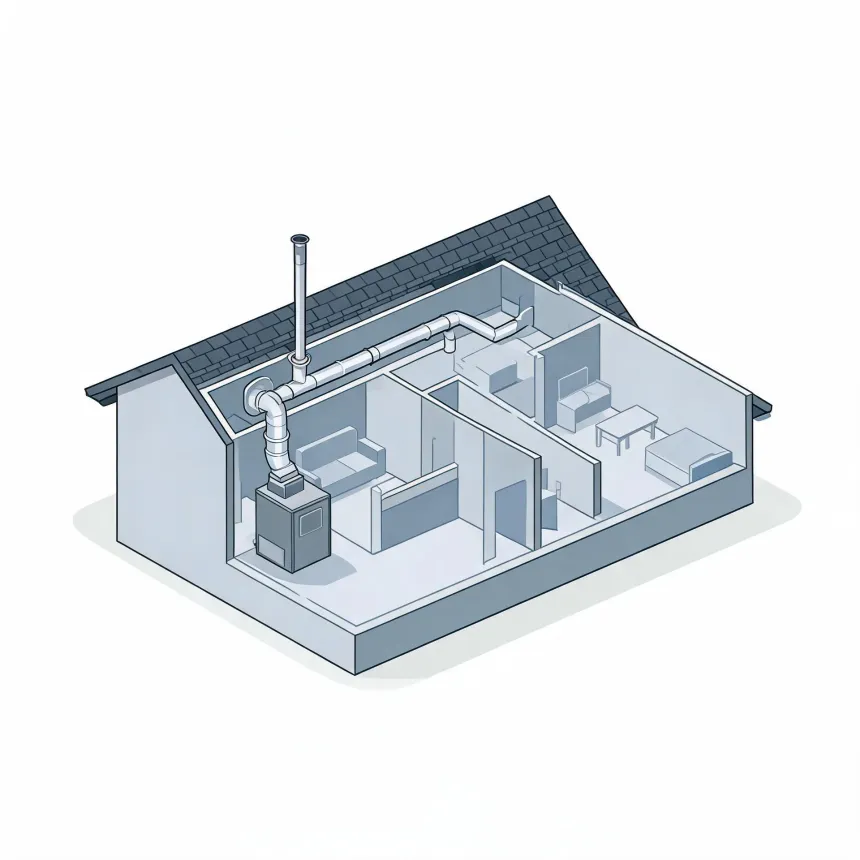
The old furnace comes out first, then the new one goes through a series of checks before it ever runs on its own. A contractor sets the unit, connects the ductwork, and runs the gas line or electrical circuit to it. Venting gets checked next, since a furnace that doesn't exhaust properly is a hazard no matter how well it heats. Once it's hooked up, the system gets fired and run through a cycle while the contractor checks the flame, the airflow, and the temperature rise against what the manufacturer specifies for that model. Static pressure in the ductwork gets checked too, since too much strain there shortens the life of the blower motor. The job isn't finished until the furnace has been run and watched doing what it's there to do, not just installed and left.