Heat pump vs furnace in Clarendon County, South Carolina

Find a Local Installer

Heat pump or furnace, one form

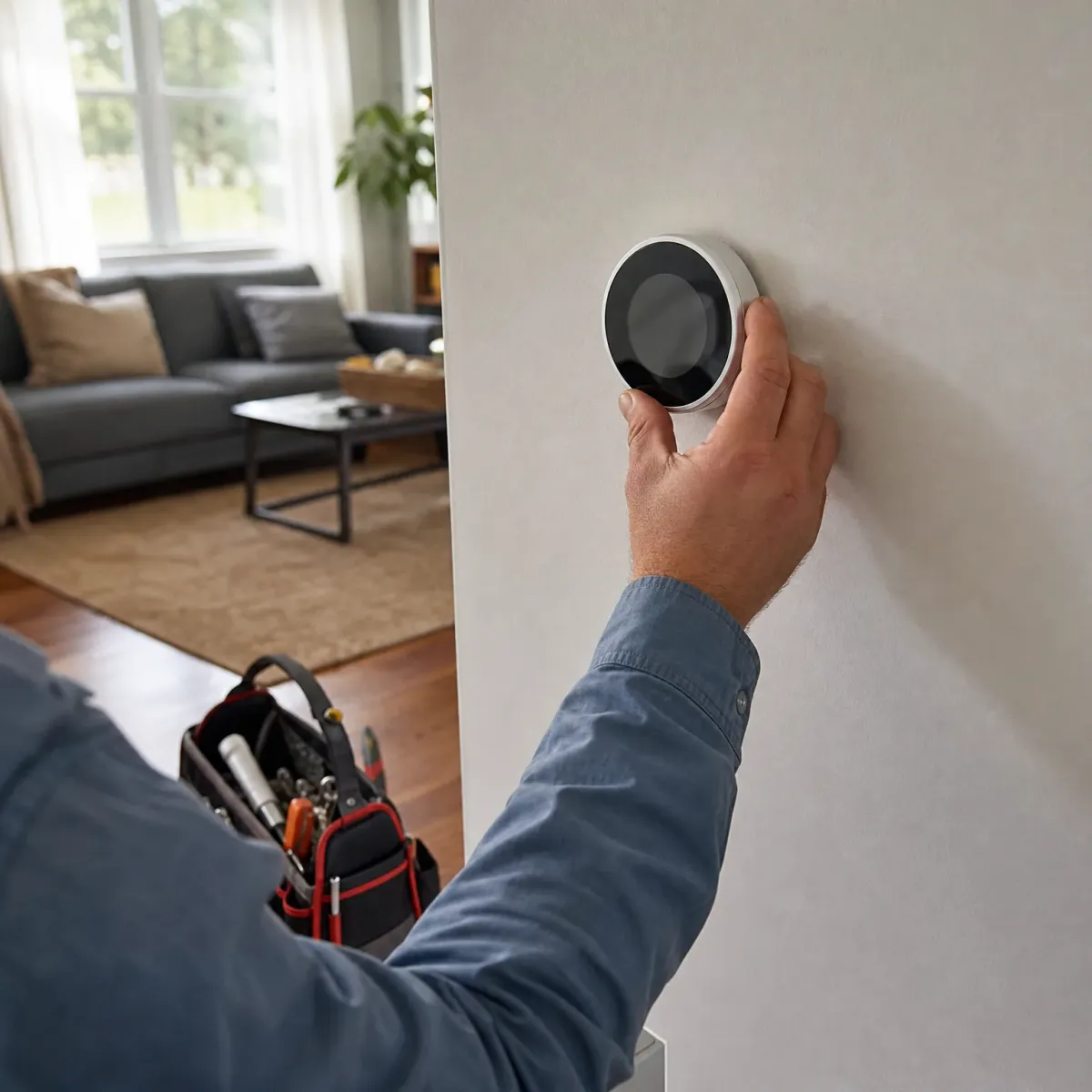
A person in a blue shirt reaches up to adjust a round white wall-mounted thermostat, with a tool bag on the floor and a living room with a grey sofa in the background.

Tell us about the job

Takes about a minute. No obligation.

New system or replacementClarendon County, SC
Step 1 of 3

What kind of equipment?

Which costs less to run in Clarendon County?

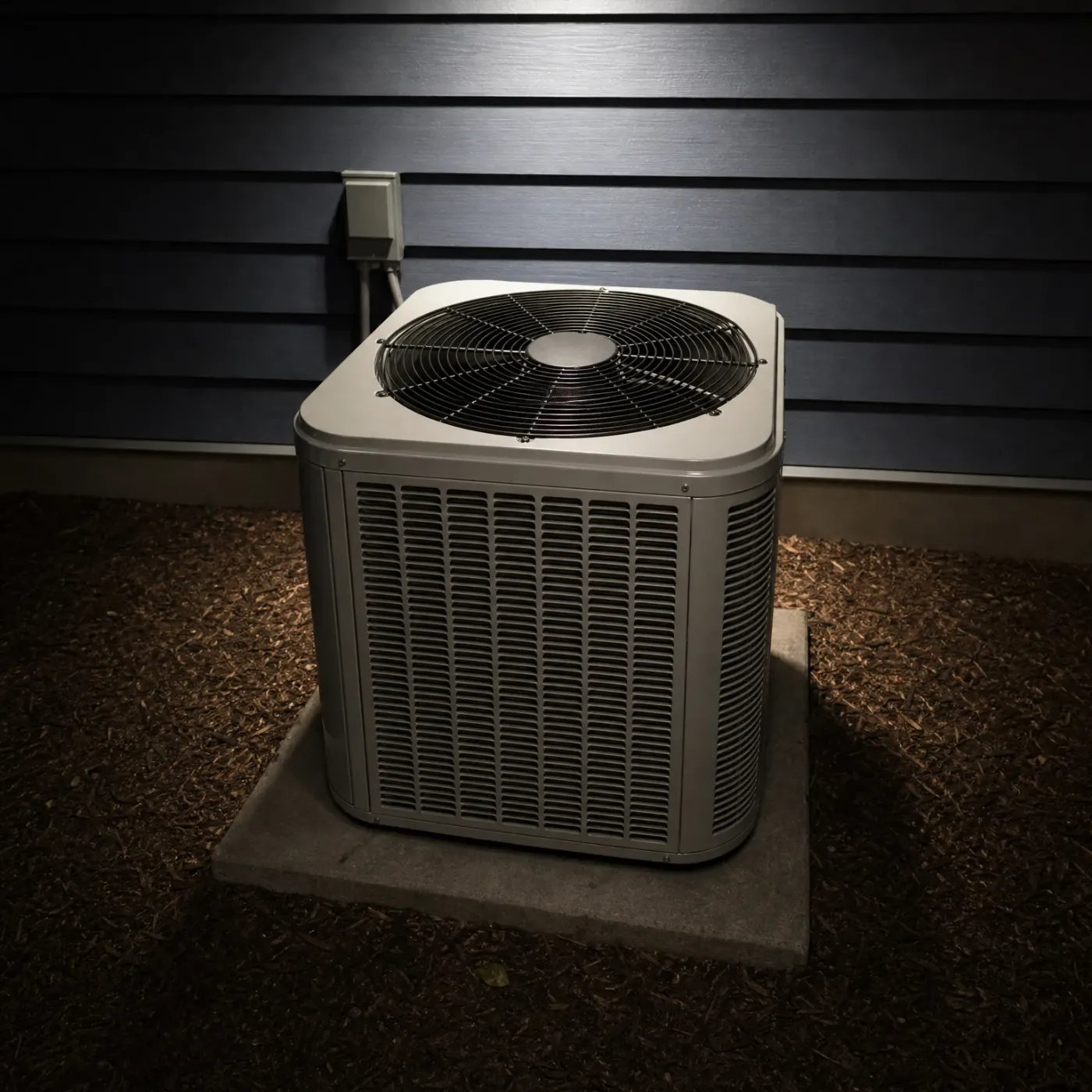
An outdoor condenser unit with a top-mounted fan grille sits on a concrete pad surrounded by wood mulch against dark horizontal siding, with a small electrical box on the wall above.

Heat pump

To heat your home here$1.90per 100,000 Btu

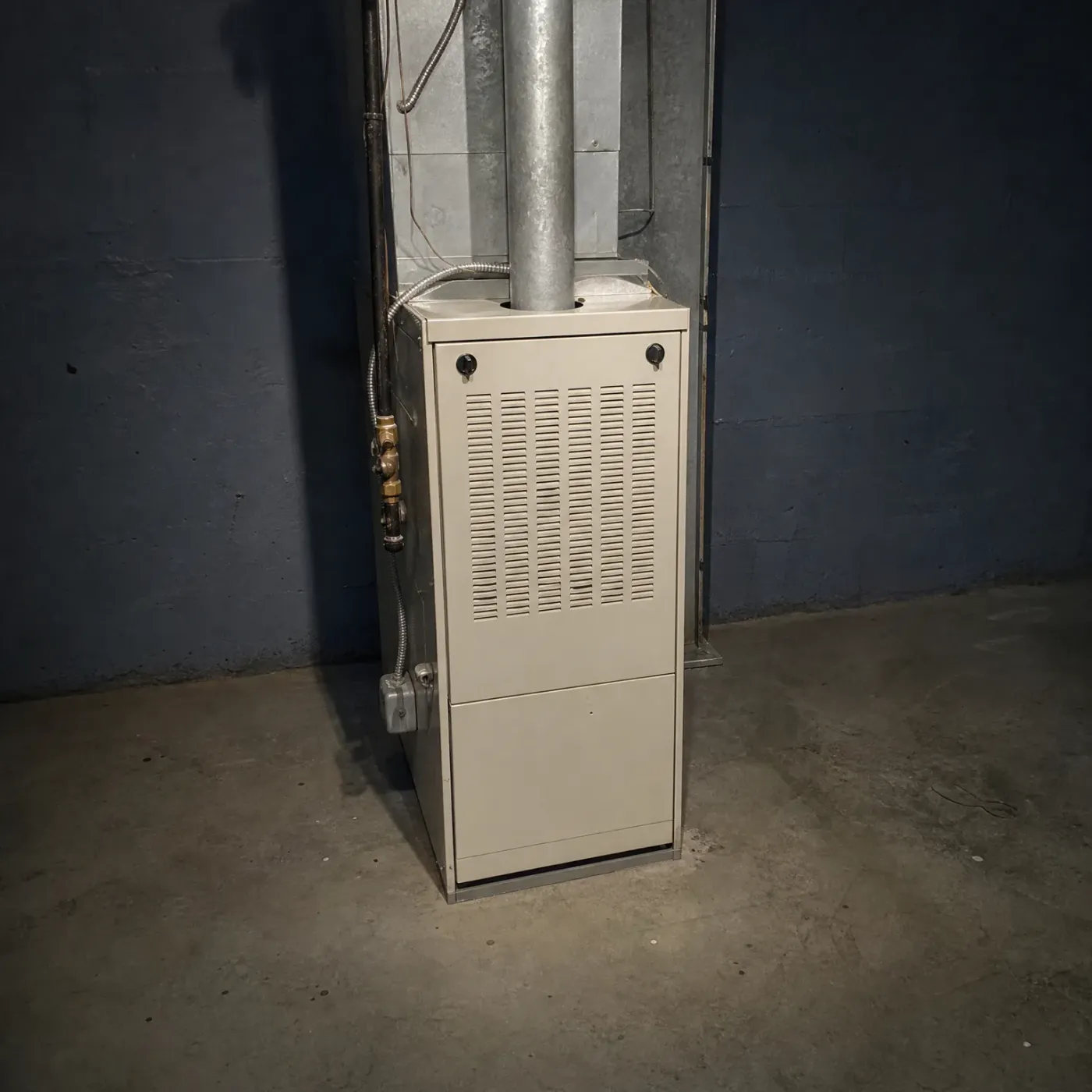
A beige furnace with a louvered front panel stands on a concrete floor against a gray wall, with a metal flue pipe and ductwork above it and gas piping and an electrical box at its left side.

Furnace

To heat your home here$2.05per 100,000 Btu

At South Carolina's gas and electricity prices, a heat pump makes the same heat as a gas furnace for about 7% less.

Btu stands for British thermal unit, the standard measure of heat energy.

Where does a heat pump shine?

  • Made for mild winters

    Winter nights here average 37°F, not the teens or single digits a heat pump struggles with. That's mild enough for one to keep up on its own, without backup heat kicking in every night.

    Front entry of a dark blue-gray clapboard house with white trim, a covered porch with columns and railings, a gray paneled door flanked by two lit lanterns, steps leading down to a stone walkway, frost-covered grass, boulders, and a water view with low hills at left.
  • No gas line, nothing burning in the house

    There's no gas line to the unit and no flame anywhere in it. Carbon monoxide isn't part of the picture.

    A kitchen with navy cabinets, white countertops, gray herringbone tile backsplash, stainless range hood over a cooktop with a kettle, open wood shelves with dishes, two glass pendant lights, a window, and a bowl of green apples on the foreground island.
  • Steady, even comfort

    A heat pump runs long and low instead of blasting on and off. Rooms hold an even temperature all day.

    A living room with a gray upholstered armchair holding an open book and a throw blanket, a lit lamp and mug on a side table, a golden-colored dog sleeping in a round gray bed beside a stone fireplace, and a snowy view through the window.

Where does a furnace shine?

  • Pairs with any central AC

    The ductwork that delivers heat in winter delivers cool air in summer once an AC coil is added.

    A long rectangular floor vent set into a wood floor beside white linen curtains at a window, with a blue side table, woven rug, wicker basket, wooden bench with striped cushion, and a vase of white hydrangeas on a dark table.
  • Fast, strong heat on demand

    Turn the heat up and the furnace answers right away. There's no long wait for the house to catch up.

    A mudroom entry with a dark door, a sheer linen curtain over a window, snow-dusted black winter boots on a woven mat, a floor vent, and a wooden bench with a blue knit throw and a steaming gray mug beneath hanging coats.
  • Proven, simple, easy to get serviced

    The design is simple and well understood. That keeps service calls short.

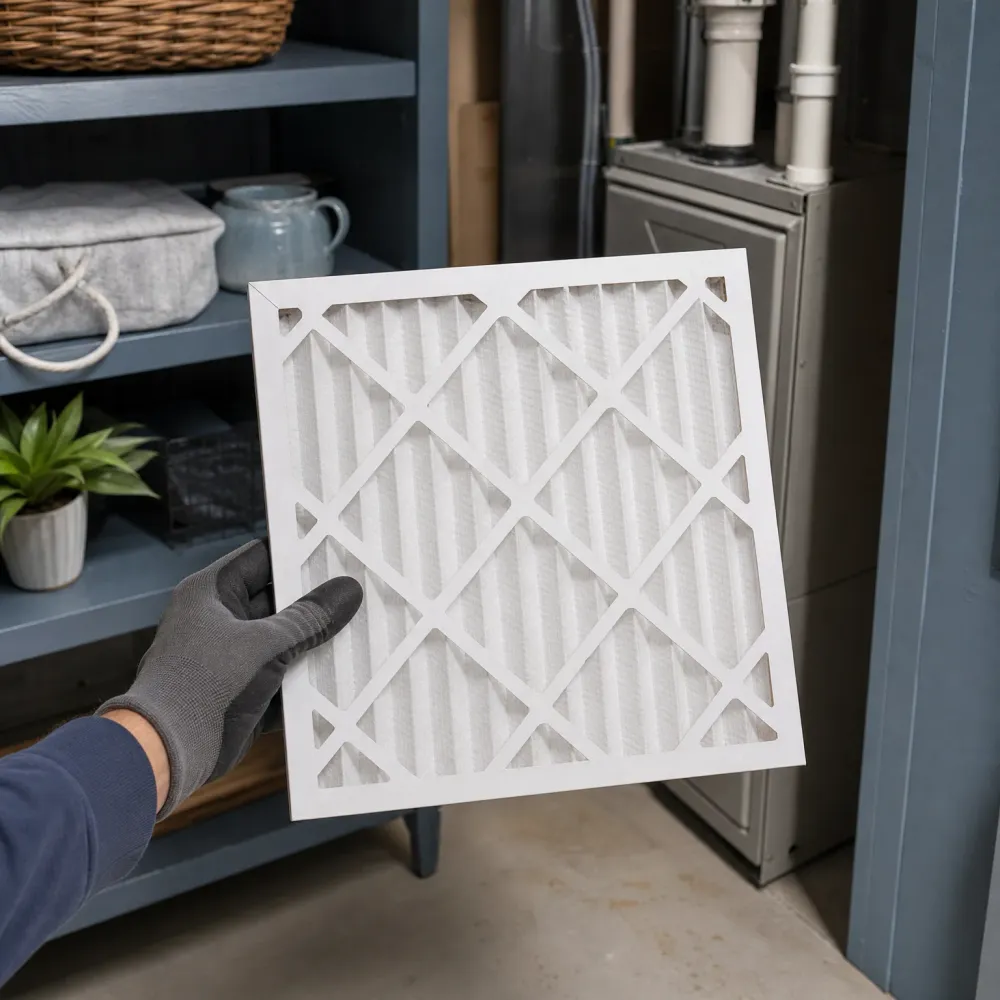
    A gloved hand holds a white pleated air filter in front of a blue shelving unit and a gray furnace with venting pipes.

Your winters don't ask much of a heat pump

Winter here is mild. The overnight low averages 37 degrees across December, January and February, and it only drops to freezing or below on about 50 nights a year, under a third of the nights in the five months the heat runs. A heat pump does its best work in exactly that range. It struggles when the outdoor air gets truly cold, but truly cold is rare here. Most nights it is pulling heat from air well above freezing, which is the easy case for it.

The running cost backs this up. A heat pump built to the federal minimum makes heat here for $1.90 per 100,000 Btu, against $2.05 for a gas furnace. That is South Carolina's own electricity and gas prices doing the math, not a national average. A heat pump costs less to run in this county and handles the cold nights this county actually has.

Heating only runs five months here, November through March. A furnace sits unused the other seven. A heat pump does not have that dead stretch built into it, which matters once you see what it can also do.
A single-story blue cottage with a white-columned front porch, gabled roof and dark blue door, set behind a lawn with trimmed shrubs, a flowering pink crape myrtle, tall pines, and a brick walkway leading to the street.

One machine for both seasons

Cooling runs just as long as heating here, five months, May through September, and the afternoon hits 90 degrees or higher about 75 days a year. A furnace has no answer for any of that. It only heats, so a separate central AC has to carry the entire summer on its own. A heat pump runs the same machine both ways. Flip it from winter to summer and it is already there.

That matters most in a county like this, where the two seasons split the year almost evenly. A furnace earns its keep for five months and then goes quiet for seven. A heat pump stays useful the whole time.

Most homes in Clarendon County already heat with electricity, 89.6 percent of them. Gas heat is rare here, just 2.1 percent, well under South Carolina's own statewide rate of 23.6 percent for gas. A gas furnace means bringing in a fuel line most of your neighbors don't have. A heat pump runs on what the house almost certainly already has.

Sources: NOAA nClimDiv · NOAA 1991–2020 seasonal normals · EIA SEDS 2024 · 10 CFR 430.32 · Census ACS 2020–2024

A two-story blue-gray clapboard house with white trim, a covered front porch with columns and railings, a central staircase, a front dormer gable with a shuttered window, and a brick chimney, framed by pine trees and flowering pink crape myrtles, with a lawn, sidewalk and paved street in the foreground.

Common questions about heat pumps and furnaces

  • Will a heat pump keep my house cool enough here?

    Yes. A heat pump cools a house the same way a central air conditioner does, since the two use the same cycle in reverse, and Clarendon County's afternoon high only reaches 90°F or above on about 75 days a year. Those hot afternoons are under a quarter of the year, and a heat pump sized for this county's summers handles them the same as central AC would.

  • What if my house doesn't have a gas line?

    Most houses here don't have one. Only 2.1% of homes in Clarendon County heat with utility gas, so if you're not among them, you're deciding between a heat pump and resistance heat, not a heat pump and a gas furnace. A heat pump costs less to run than resistance heat, since it moves heat instead of generating it from electricity directly. Propane or oil furnaces are an option too, but neither is piped to the house the way gas is, so you're buying fuel deliveries along with the furnace.

  • Is a heat pump cheaper to run than a furnace in Clarendon County?

    Yes. A heat pump makes the same heat for about $1.90 per 100,000 Btu here, against $2.05 for a gas furnace. That gap holds at South Carolina's average fuel prices with both machines built to the federal minimum. It's a modest difference, not a dramatic one, but the heat pump comes out ahead.