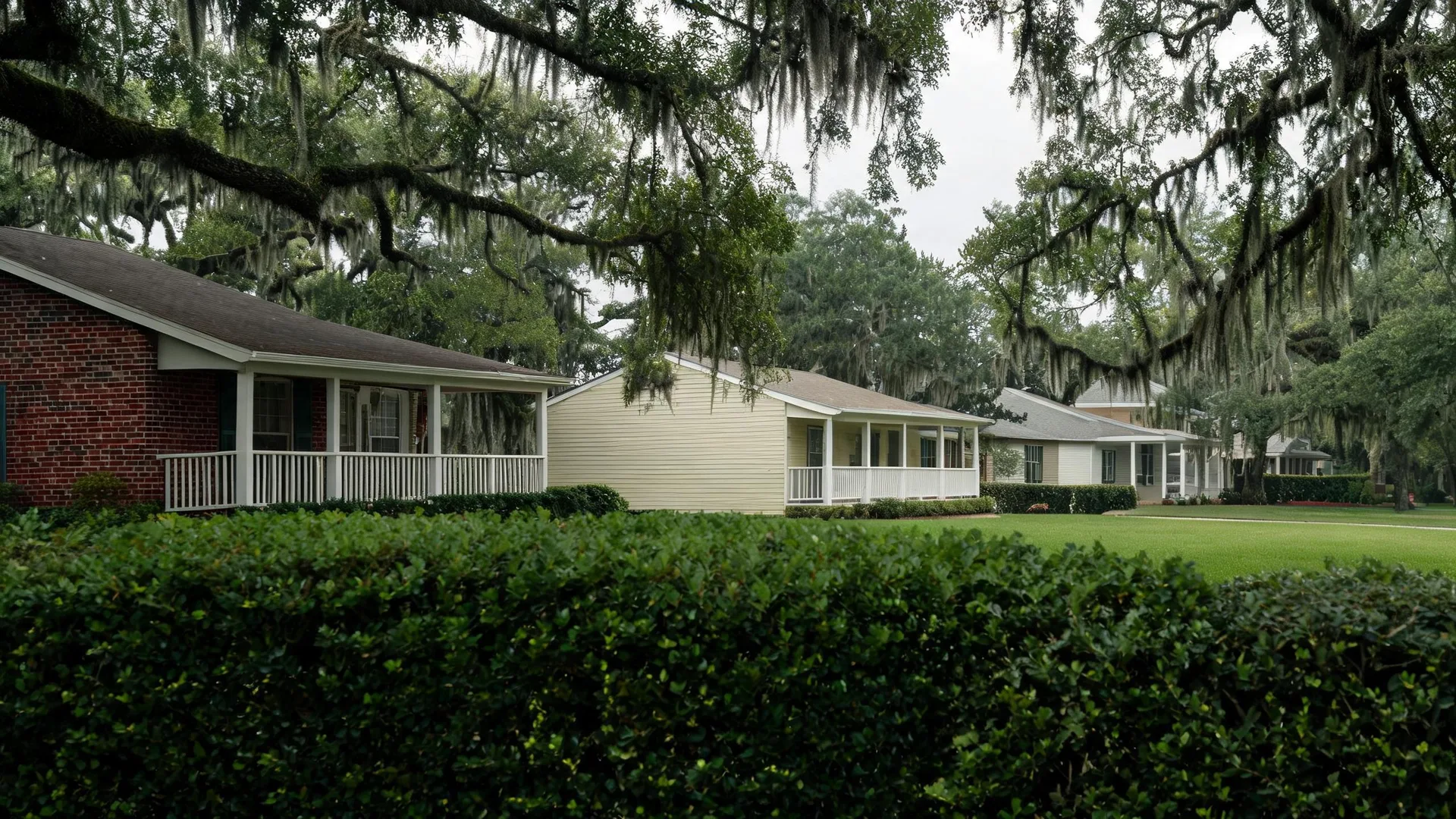
A row of single-story houses with porches, one brick and others with pale siding, behind a trimmed hedge and lawn, under oak branches draped with Spanish moss.

Furnace Repair in Manning, SC

Tell us about the job

Takes about a minute. No obligation.

RepairFurnace or heatingClarendon County, SC
Step 1 of 2

What ZIP code is the job in?

What the repair history tells you

A furnace that's needed a few service calls over its life but runs fine between them is usually still worth fixing. One that's had the same part fail more than once, or keeps tripping out on a new problem each season, is telling you the cabinet is wearing out even if the parts inside got replaced. Age matters less than that pattern.

What a cracked heat exchanger changes

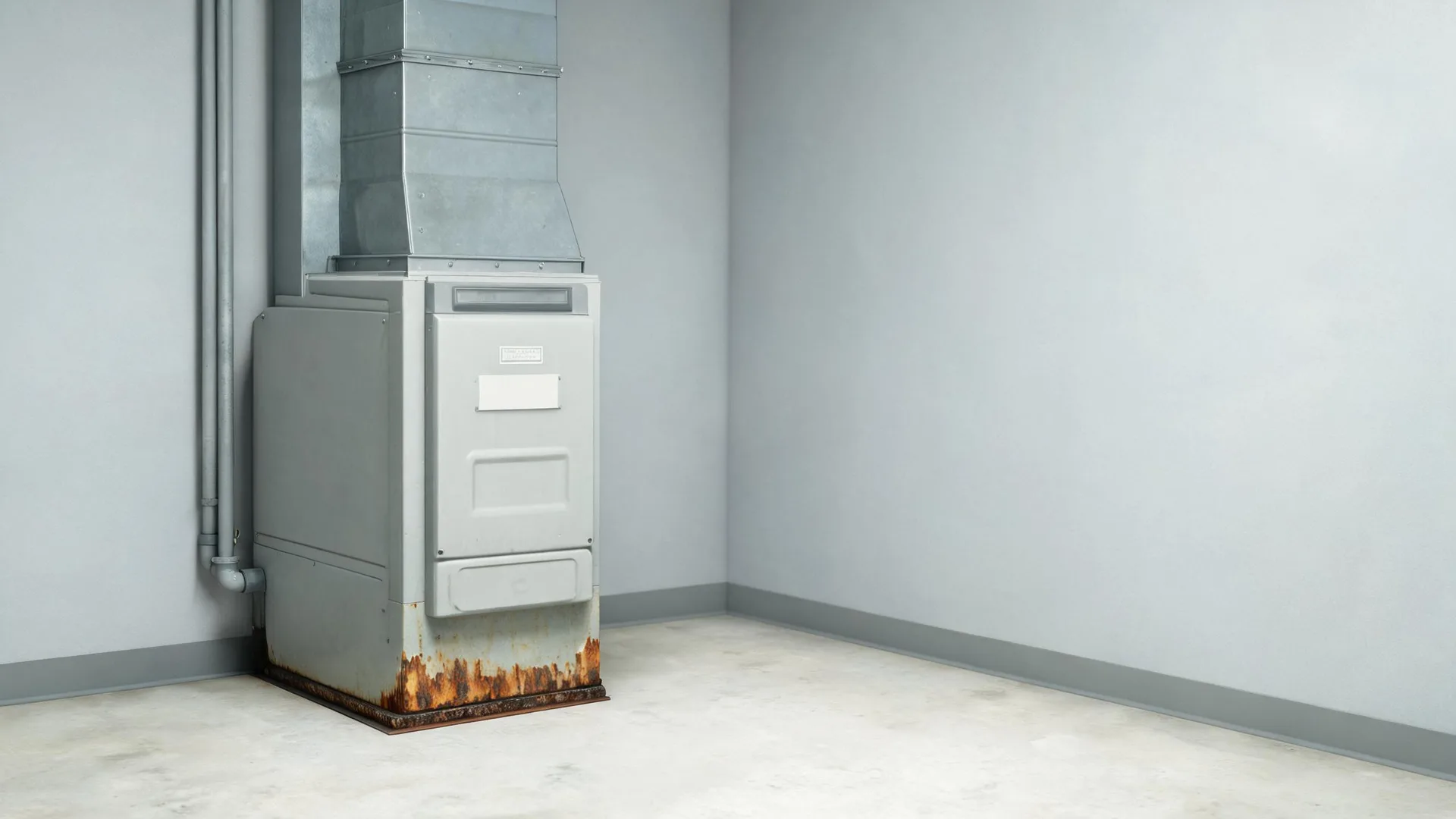
Most furnace repairs are worth doing. A cracked heat exchanger is the exception, since it lets combustion gas mix into the air your ducts carry through the house. A contractor who finds one will tell you to replace the furnace rather than patch it, and that's not a sales pitch, it's the one failure in this machine that isn't safe to work around.

5 months
November through March, your furnace is on duty
37°F
the average winter night it heats against
1 winter storms
in ten years, the nights a failure hurts most
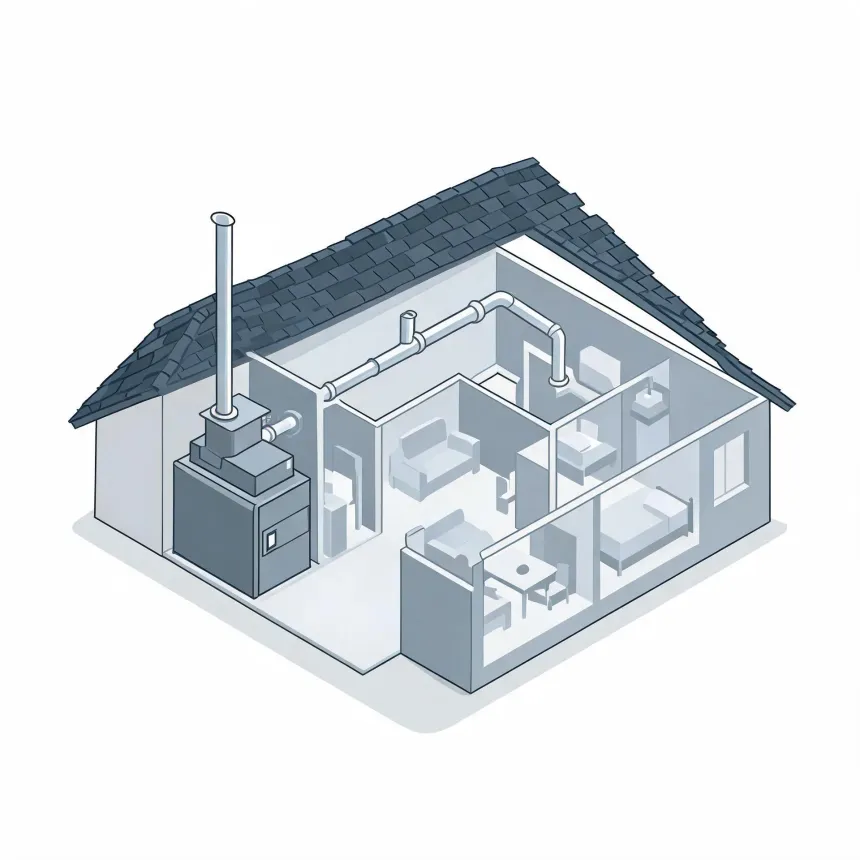
Isometric cutaway illustration of a single-story house showing interior rooms with furniture, ceiling ductwork, and a large furnace unit with a tall flue pipe in a corner room.
Your furnace works hardest from November through March.

NOAA nClimDiv, 1991–2020 normals

Electricity in South Carolina cost $41.71 per million Btu in 2024, more than running a gas furnace.

A furnace with a repair worth doing is still the cheaper fix, not a reason to replace it.

Furnace repair calls here peak in November, the first cold month

Heat runs November through March
Winter nights average 37°F
Climate zone 3A
A mix of old and new homes, many of them mobile homesHalf the homes in Clarendon County were built in 1990 or earlier, and 34.2% of all homes here are mobile homes.

Furnace here only has to work about five months a year, November through March. Overnight lows average 37°F across December, January and February, which is cold enough to run the furnace steady but nowhere near the strain of a northern winter. That's a light workload for the cabinet, the blower and the heat exchanger inside it. A furnace that isn't asked to do much tends to age slower, so when something does go wrong, it's more often one part giving out than the whole unit wearing down. That's the kind of problem worth paying to fix.

Get the usual fix

Nothing about this area is especially hard on it. It's most likely the usual problem with the usual fix.

Find a contractor
A gas furnace with attached ductwork, gas piping, and condensate lines installed in a concrete-block basement.

Get the part fixed, not the whole furnace replaced

Five months of real work a year leaves a furnace time to sit idle the rest of the year, and idle time doesn't wear anything out. So if a repair tech tells you the blower motor's bad or the igniter's failed, that's most likely all that's wrong. Get the part fixed rather than assuming the whole furnace is on its way out.

What actually wears out

The igniter sits in the path of every flame the furnace lights, and it's the part most likely to fail, especially the hot surface kind that turns brittle after enough cycles of heating and cooling. The flame sensor coats over with a film that normal combustion leaves behind, and once that film builds up, the sensor stops seeing the flame it's supposed to confirm, so the furnace shuts itself down even though nothing else is wrong. The blower motor's capacitor is the other common one, since it has to deliver a jolt every time the blower starts and weakens a little each time it does.

What a bad part looks like from the thermostat

A furnace that tries to start, clicks, and shuts off again is usually the igniter or the flame sensor, not a dead furnace. One that starts fine but never gets air moving points to the blower motor or its capacitor. Rattling or a burning smell when it first kicks on is normal dust burning off a hot surface, not a sign of failure on its own.

Most of the time the furnace tells you something's wrong before it quits on you. A weak flame sensor or a failing igniter shows up as short cycling. The burners light, run for a few seconds, and shut off, then try again on their own. A blower problem sounds different. The furnace kicks on but you feel no air at the vents, or air that's barely moving. A grinding or squealing noise while it runs usually points to the blower motor's bearings, and that's not a part that fixes itself. A furnace that just runs quiet and warm doesn't need a visit yet.

A diagnostic visit starts with the thermostat, not the furnace itself. The tech checks that a call for heat is actually reaching the furnace before touching anything inside the cabinet. From there it's the startup sequence, watched step by step. Does the inducer motor kick on. Does the igniter glow or spark. Does the flame catch and stay lit once the gas valve opens all the way. Wherever that sequence breaks is where the problem lives. A multimeter checks what can't be judged by eye, like whether a motor winding or a flame sensor is still reading the way it should. The blower and the heat exchanger get a look too, since a bad repair visit is one where the tech fixes what quit and misses what's about to. By the time a tech can tell you what's wrong, they've usually watched it happen and backed it up with a reading, not just a guess from the sound it makes.