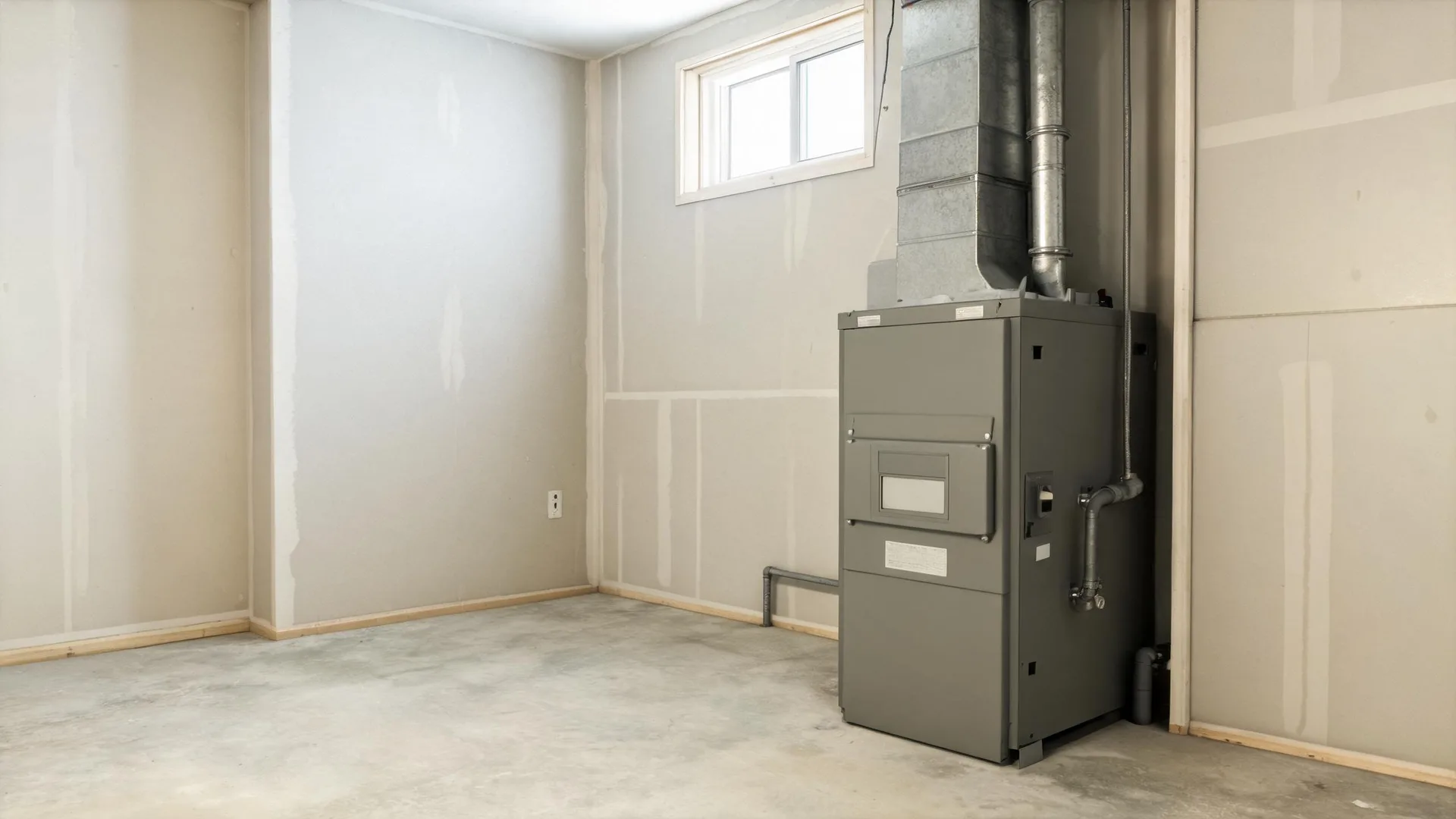
Wind and storms hit this county often
Marlboro County saw 69 damaging wind events between 2015 and 2024. A new furnace install is a chance to check where the outdoor equipment sits and what's around it.
Takes about a minute. No obligation.
Marlboro County saw 69 damaging wind events between 2015 and 2024. A new furnace install is a chance to check where the outdoor equipment sits and what's around it.
Almost half of South Carolina households went at least a day without power in 2024. A furnace needs electricity to run even when the fuel source doesn't, so it's worth asking your contractor what happens to your system when the power goes out.
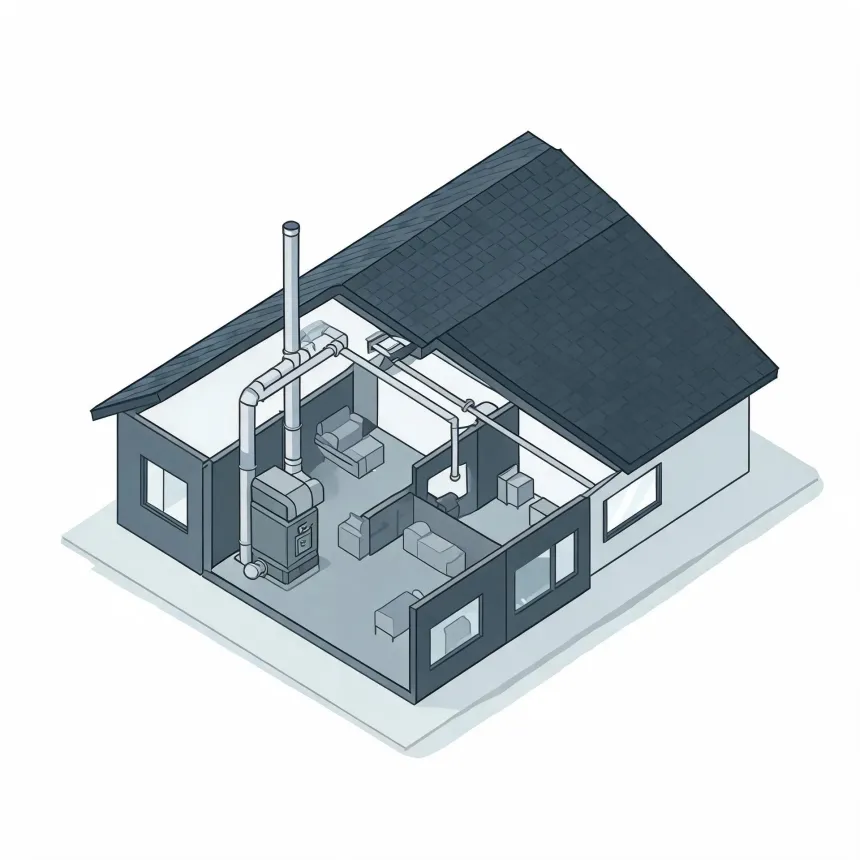
NOAA nClimDiv, 1991–2020 normals
A furnace sized right for Bennettsville doesn't need to be bigger or fancier to handle this county.
Standard sizing and efficiency get the job done here, so there's nothing local pushing you toward a pricier unit.




October is the month to get this done. Heat here doesn't start until November and runs about five months, through March, so there's no rush that forces the decision. Replace a furnace in the cold and you're working around whatever the contractor has on the truck, maybe living with a space heater for a few days while parts come in. Replace it in October and none of that applies. The install happens on a day that works for you, the old unit comes out before it's holding your house's heat hostage, and the new one gets tested under no pressure at all.
Half the homes in Marlboro County were built in 1977 or earlier. A furnace going into a house that age has to work with what's already there, the ductwork, the venting, the electrical, not a setup built from scratch. Mobile homes make up a quarter of the housing stock here too, and those have their own sizing and venting rules. Worth having the contractor look at the whole system, not just the furnace itself.
Find a contractorThe old furnace doesn't fail all at once, it wears down winter by winter. The heat exchanger has gone through the same cycle every time it fires, heating up and cooling back down, and that constant expansion and contraction is what eventually cracks it. The blower motor wears the same way, a little more resistance in the bearings each winter until it finally seizes or burns out. Most of the time none of this shows up as one clear breakdown. It shows up as a furnace that runs longer to heat the same rooms, cycles on and off more than it used to, or starts making a noise that wasn't there before. When a contractor pulls the old unit, the heat exchanger and burner usually tell the story, whether it was near the end or had more life left. Worth asking what they found once the new one is in.
A single stage unit with a fixed speed blower costs less than a modulating unit with a variable speed blower, but the equipment is only part of the bill. Labor, ductwork changes, venting work and electrical work all get added on top. In a lot of jobs that adds up to more than the furnace itself.
If the ductwork, gas line and electrical panel can take the new furnace as it is, the install goes faster and costs less. If the vent pipe needs resizing, the ductwork needs sealing or extending, or the panel needs an upgrade to run a variable speed blower, each of those is its own job on top of the furnace. A contractor can't give a firm number until they've seen what's already there.
The efficiency rating on a furnace tells you how much of the fuel it burns turns into heat in the house versus how much goes out the flue. A higher rated furnace pulls more heat out of the same amount of fuel, a lower rated one lets more of it escape unused. That's the whole idea behind the number, nothing more. It doesn't tell you how big a furnace to buy or how fast it heats a room, that comes down to sizing the unit to the house. A high efficiency furnace also condenses the exhaust and vents through PVC pipe rather than a metal flue, so it changes what the venting job looks like, not just what shows up on the utility bill.
Installation day starts with the old furnace coming out, not the new one going in. The contractor disconnects the gas line, the electrical, the venting, and takes the unit out whole or in pieces depending on how it was set. That part goes fast. What takes the time is everything around it, setting the new furnace in place, connecting the gas line and checking it for leaks, running the electrical, and sealing up the duct connections so air isn't leaking out at the joints. If the venting is changing, that gets run and sealed before anything is fired up. Once it's all connected, the contractor fires the furnace and runs it through a full cycle, checking the gas pressure, the temperature rise, and the airflow, not just that it turns on. A furnace that lights but hasn't been checked against those numbers can still be set up wrong.