
What a heat pump runs into here
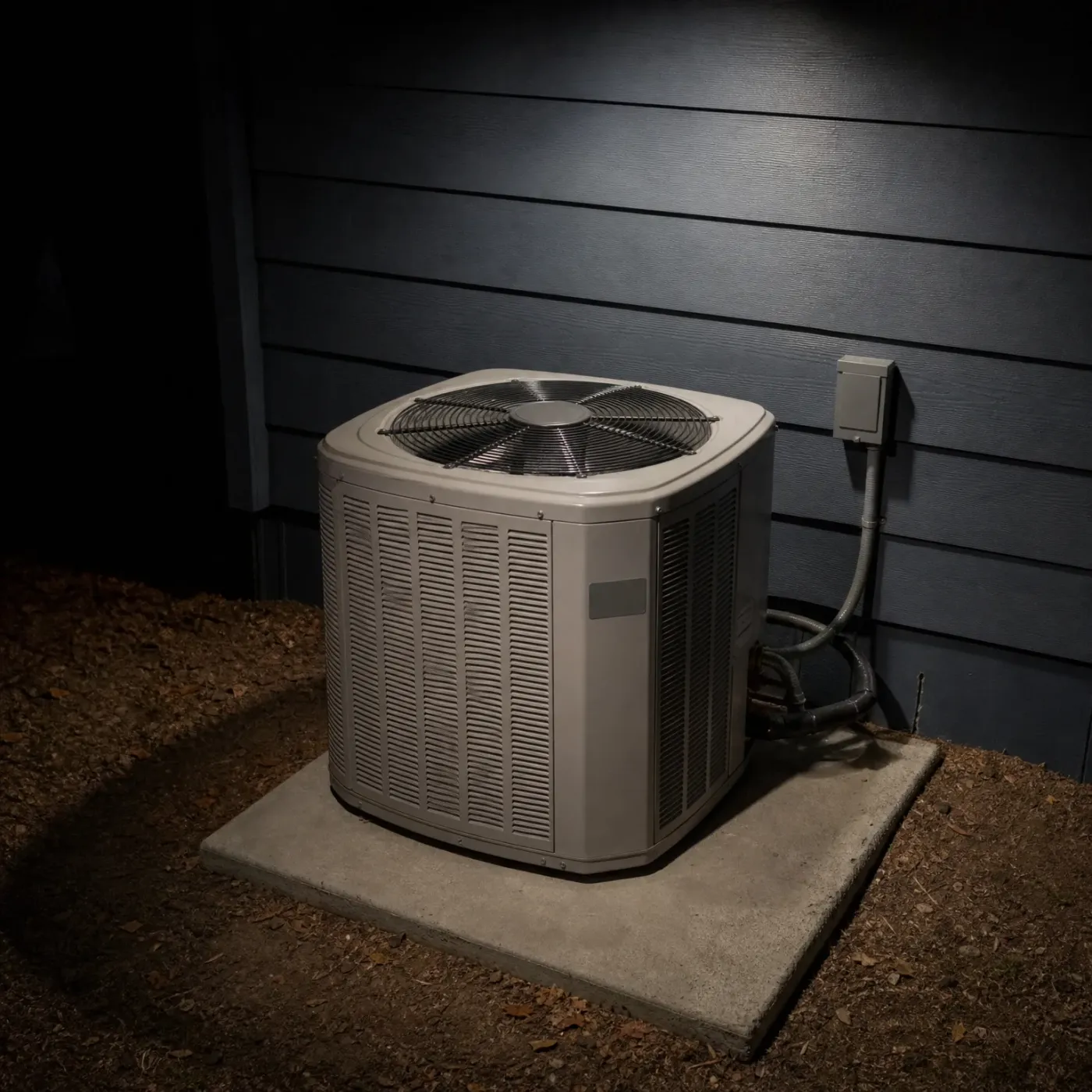
Your winters are mild. The overnight low averages 35°F across December, January and February, and fewer than one night a year drops to 0°F. That matters because a heat pump loses capacity below 40°F and often leans on backup heat below about 35°F. Here, the average winter night sits right at that mark.
About 60 nights a year dip to freezing or below, under half of the 150 nights in your five-month heating season. Almost none of them go further than that. Freezing is where a heat pump starts working harder, not where it quits. A field test of cold-climate heat pumps running through two winters in occupied homes found backup heat carried only a small share of the load between 0°F and 35°F, and running on backup alone was rare even at 0°F. Marlboro County almost never sees 0°F. It sees freezing, a lot, and cold-climate heat pumps are built to keep most of their capacity down to 5°F, not just hold on.
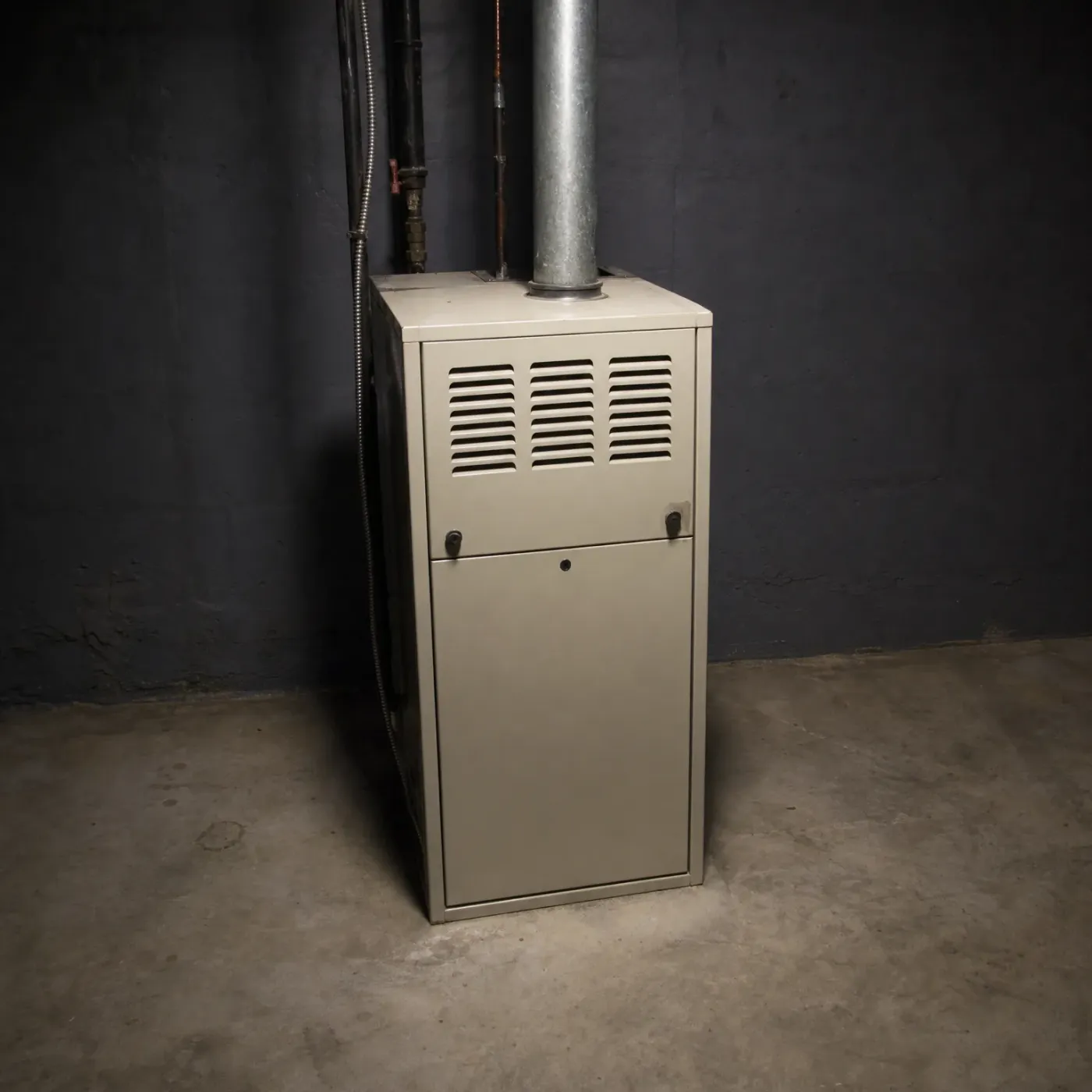
A furnace does not have this problem at all. It burns gas, makes heat on demand, and does not care what the temperature is outside. That is the case for a furnace in a county where freezing nights are common enough to matter.