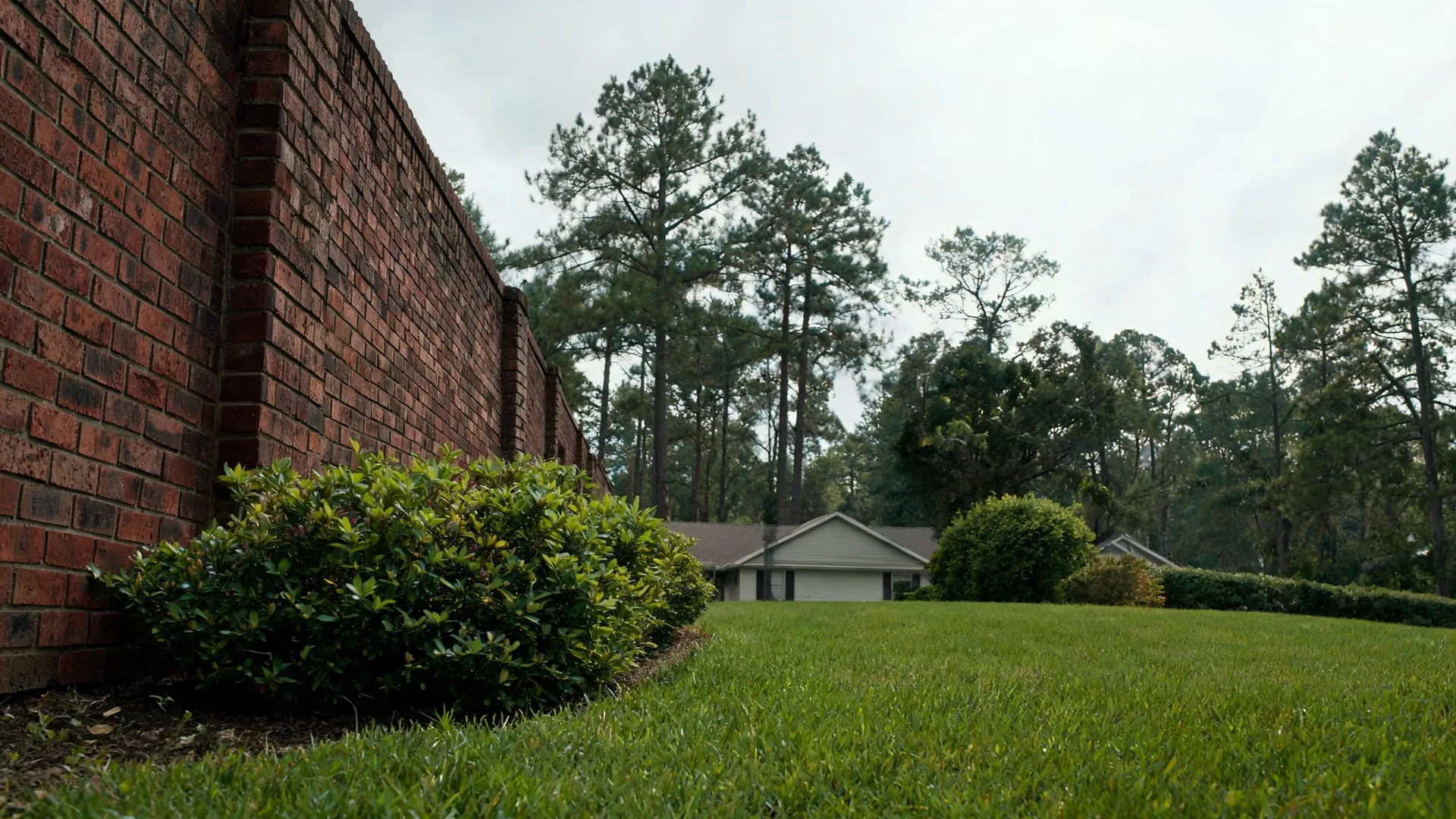
Low-angle view along a red brick wall with trimmed shrubs and a mulch bed beside a mown lawn, with a single-story house with a garage door and tall pine trees under an overcast sky in the background.

Furnace Repair in Bennettsville, SC

Tell us about the job

Takes about a minute. No obligation.

RepairFurnace or heatingMarlboro County, SC
Step 1 of 2

What ZIP code is the job in?

Marlboro County sees its share of rough weather

Marlboro County recorded 83 severe weather events between 2015 and 2024, and damaging wind caused most of them. A tornado came through once in that stretch, along with tropical storms and a handful of ice and snow events.


A furnace that still runs can still be hurt

Wind-driven debris can hit the outdoor unit or the vent without stopping your furnace from firing up. If your system went through a storm recently, it's worth having a contractor check it even if it seems fine. And almost half of South Carolina households lost power for a day or more in 2024, which matters here too, since a furnace needs electricity to run its blower and controls no matter what fuel it burns.

5 months
November through March, your furnace is on duty
35°F
the average winter night it heats against
3 winter storms
in ten years, the nights a failure hurts most
Isometric line illustration of a cutaway single-story house with a shingled roof, showing an interior furnace connected to ductwork and a tall vertical flue pipe, plus simple furniture in the adjacent room.
Your furnace works hardest from November through March.

NOAA nClimDiv, 1991–2020 normals

Furnace in Bennettsville only has to work about five months a year, November through March.

A furnace that isn't asked for much is more likely worth fixing than replacing.

Furnace trouble in Bennettsville shows up first in November

Heat runs November through March
Winter nights average 35°F
Climate zone 3A

Most furnace trouble here is ordinary, not storm damage. An igniter wears out. A flame sensor gets coated and stops reading the flame. A blower motor loses a capacitor. These happen in Bennettsville the same way they happen anywhere else a furnace runs through the winter. Electricity here runs $41.71 per million Btu, so a furnace that's losing efficiency to a dirty sensor or a weak capacitor costs more to run than one that's fixed. None of this means something is wrong with your house or your setup. It means a part failed, and a contractor can tell you which one.

Before you fix it, find out how much is left in it

Half the homes in Marlboro County were built in 1977 or earlier. If your furnace is the one that came with the house, it's old enough that a repair might just be a stopgap. Before paying for a big fix, ask the contractor how much life is left in it.

Find a contractor
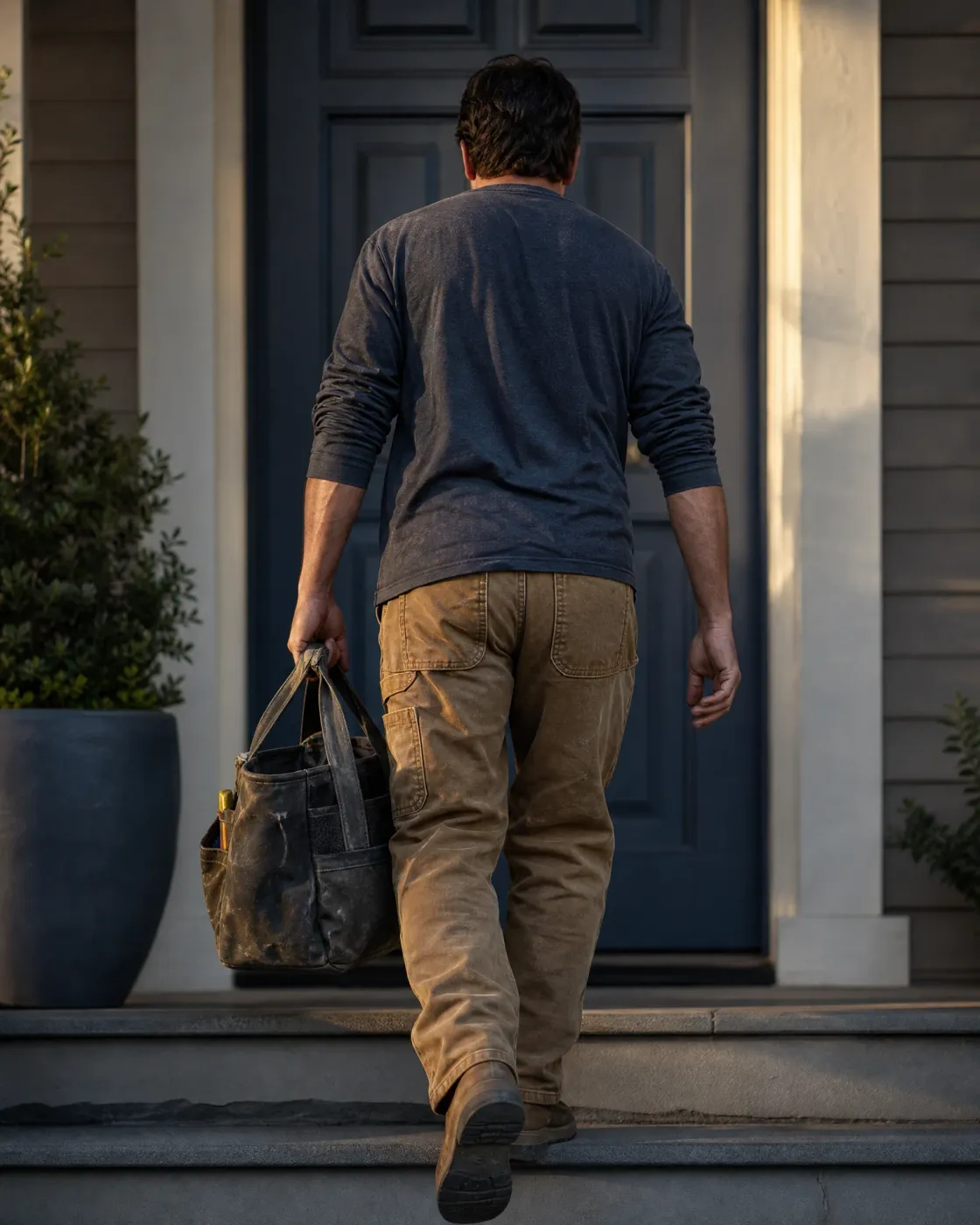
A man in a dark long-sleeve shirt and tan work pants, seen from behind, carries a worn canvas tool bag up concrete steps toward a dark blue front door.
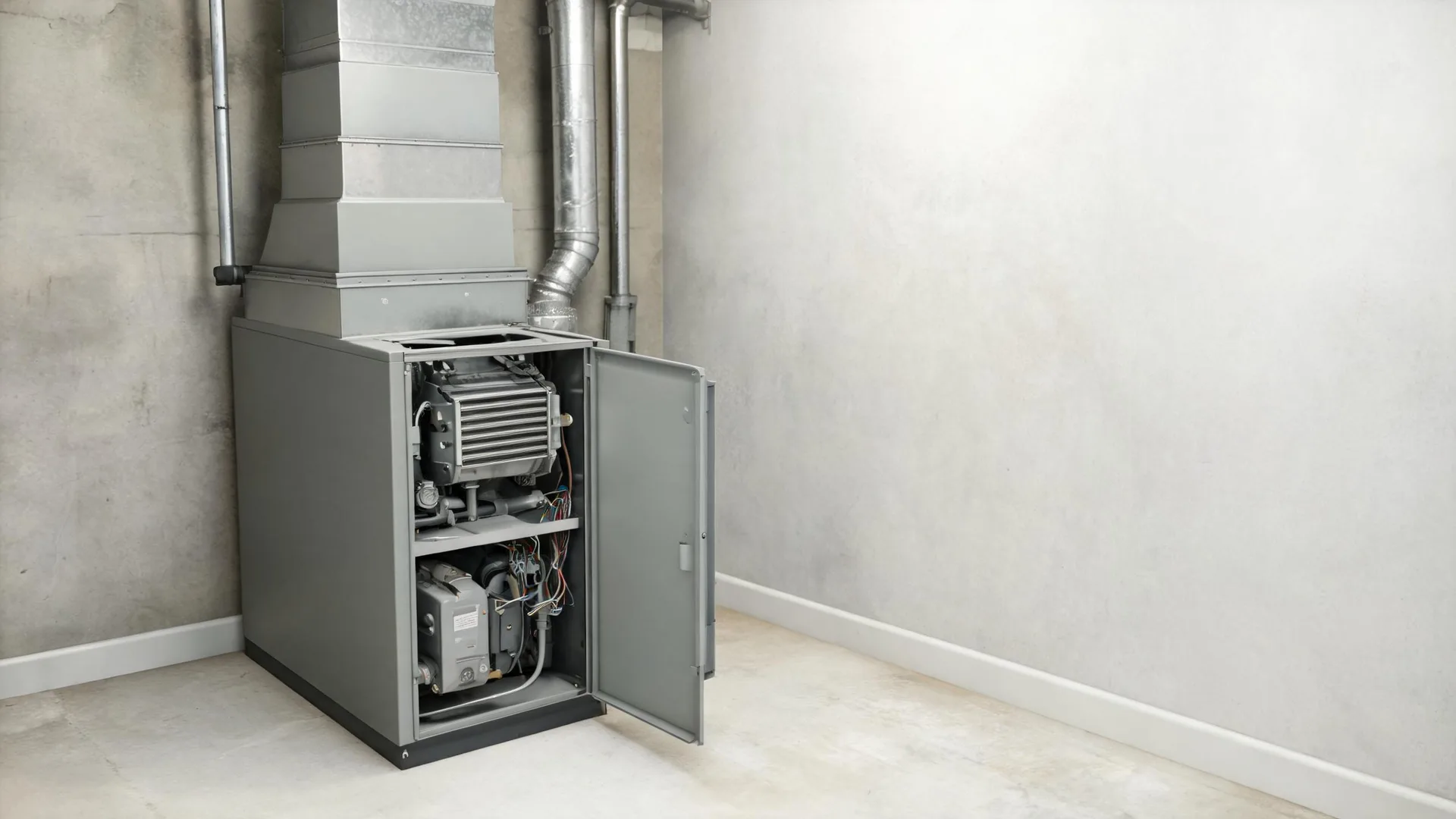
A gas furnace with attached ductwork, gas piping, and condensate lines installed in a concrete-block basement.

Light use most winters

Five months of work a year is light duty for a furnace. Add in those 35°F overnight lows across December, January and February, and most nights it only has to close a gap of a few degrees, not fight against real cold. A furnace running that kind of schedule tends to age slower than the part count alone would suggest. So when something does go wrong, a dirty flame sensor or a failing capacitor, it's worth asking a contractor to fix it rather than assuming it's worn out. A machine with this little strain on it usually has more life left than its years would suggest.

A small fault strains the parts around it

A cracked heat exchanger or a dirty flame sensor does not stay a small problem if the furnace keeps cycling. The limit switch starts tripping, the blower runs longer trying to satisfy the thermostat, and parts that were fine start absorbing stress they were not built for. One bad part left alone tends to take others down with it.

Some signs mean shut it off now

A furnace that smells like gas, trips its breaker again and again, or short cycles without warming the house should not be left running while you wait for an appointment. Those are signs of a problem that gets worse with every cycle, not one that holds steady until someone can look at it.

Most furnace failures trace back to a handful of parts, and they tend to go in the same order every time. The igniter is usually first, since it heats up and cools down every single cycle until the element finally cracks. The flame sensor goes next, not because it breaks but because it gets a layer of oxidation on it thin enough that it stops detecting the flame and shuts the gas off as a safety measure. Blower motors fail when the capacitor that kicks them into motion wears out, which shows up as a furnace that hums but won't push air. Further down the line, a cracked heat exchanger is the one that matters most, because it's a safety issue and not just a comfort one. Each of these fails on its own schedule, so one going bad doesn't mean the others are close behind.

A diagnostic visit starts with the thermostat, not the furnace. A contractor checks that the call for heat is actually reaching the unit before touching a panel. From there it's a sequence. Check for power at the board. Check for gas at the valve. Watch the ignition happen in real time. Does the igniter glow and light the burners. Does the flame sensor read the flame and hold the gas open. Does the blower kick on once the heat exchanger warms up. Each step either passes or it doesn't, and wherever it stops is where the problem is. A good contractor can usually watch one full cycle, start to finish, and tell you which part quit.