White plantation-style houses with wraparound porches lit at night, surrounded by Spanish moss-draped live oak trees.

Heat Pump Installation in Bennettsville, SC

Tell us about the job

Takes about a minute. No obligation.

New system or replacementHeat PumpMarlboro County, SC
Step 1 of 2

What ZIP code is the job in?

Weather here is hard on outdoor equipment

Marlboro County saw 83 severe weather events between 2015 and 2024, most of it damaging wind. A heat pump's outdoor unit sits outside year round, so wind-blown debris and hail are things the installer should plan around when picking the spot and the mounting.

Power cuts take out heat and hot water alike

Almost half of South Carolina households went at least 24 hours without power in 2024. A heat pump needs electricity to run, so an outage means no heat and no hot water until service is back. Worth asking your contractor what backup options make sense for your home before you need one.

5 months
November through March, your system heats
5 months
May through September, it cools
35°F
the average winter night it heats against
90°F
the average summer afternoon it cools against
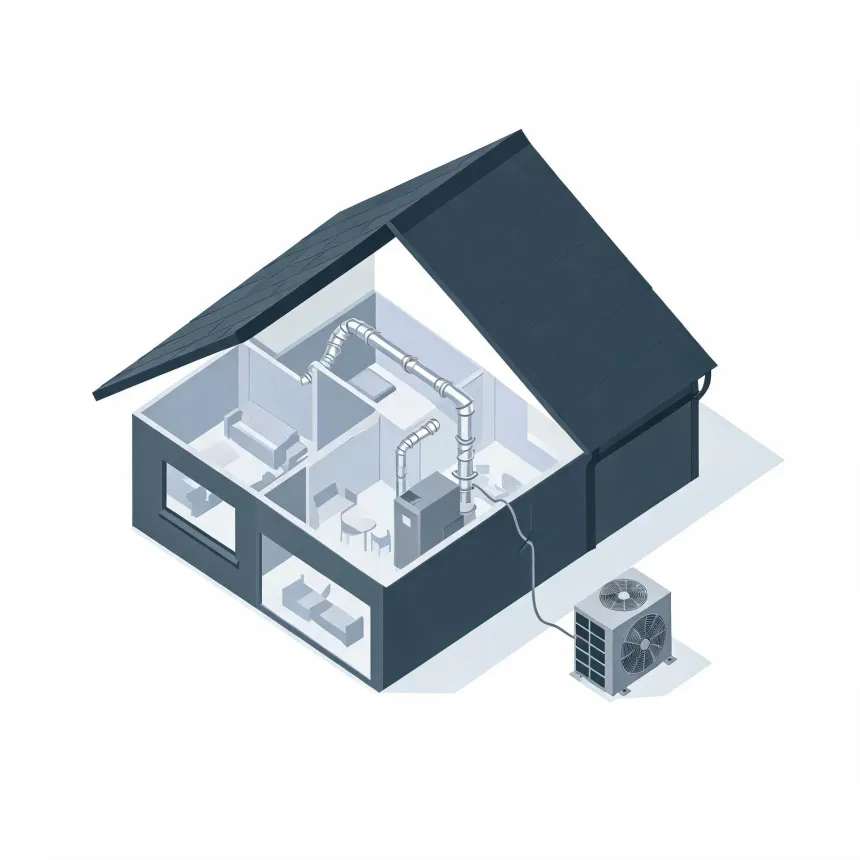
Isometric illustration of a cutaway house showing interior rooms with furniture, a furnace and ductwork, connected by a line to an outdoor condenser unit on the ground outside.
Your system heats November through March and cools May through September.

NOAA nClimDiv, 1991–2020 normals

74.9% of homes in Marlboro County already heat with electricity.

A heat pump fits into that setup instead of asking a home to take on something new.

Half the homes here were built by 1977, so the new system has to fit the house that's already standing

Half the homes here were built by 1977
Power costs 14.23 cents a kWh statewide
Climate zone 3A

Electricity in South Carolina ran 14.23 cents per kilowatt-hour in 2024, lower than most of the country. That changes the math on a heat pump. The highest-efficiency models still cost more up front, and at this rate it takes longer for the lower bills to make up the difference. So efficiency ratings matter less here than picking a system that holds up to wind and runs reliably through a power cut. Ask your contractor to size the install around what this house needs, not just the spec sheet.

Any heat pump installed here has to clear a higher bar

Marlboro County falls under zone 3A. Any heat pump installed here has to clear the Southeast's regional minimum, 14.3 SEER2 for cooling and 7.5 HSPF2 for heating, which is already higher than the national floor. A federal tax credit is available on top of that for systems that meet the qualifying efficiency levels. Worth asking your contractor about before you settle on a model.

Find a contractor
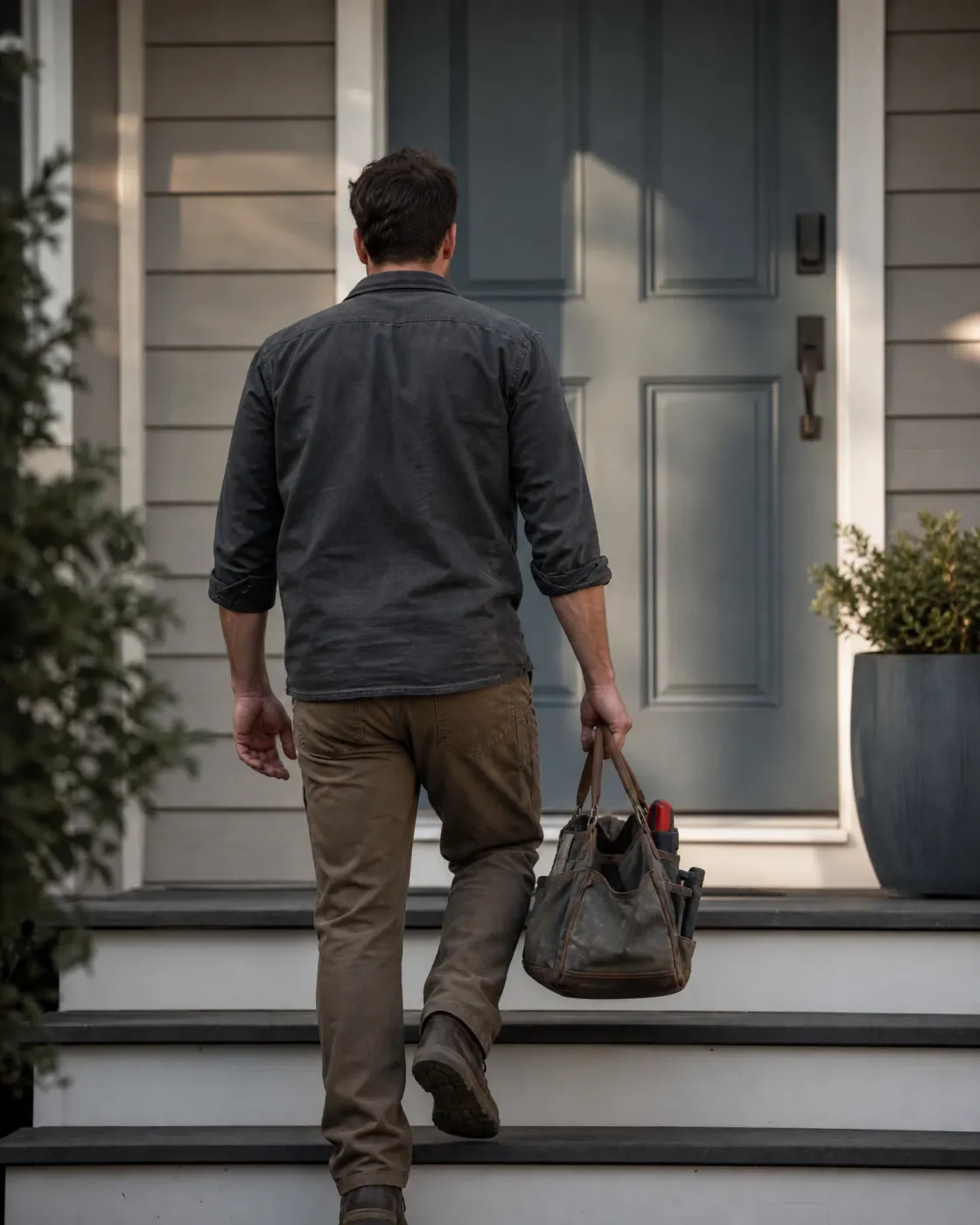
A man in a dark shirt and brown pants carries a worn canvas tool bag up concrete steps toward a gray-blue front door of a house with horizontal siding and a potted shrub.
A gray air-source heat pump mounted on a concrete pad next to a house with gray vinyl siding, surrounded by gravel and flanked by green shrubs and white hydrangea flowers.

Install before the season needs it

This heat pump will run heat from November through March and cooling from May through September. October and April sit right before each season starts, and either one is a good time to get it installed. A crew working ahead of the season isn't racing a cold snap or a heat wave to get the house back on heat or cooling. That gives them room to size the system right and mount the outdoor unit somewhere that holds up to wind, instead of working around whatever's already failed.

Size comes from a load calculation, not the old system's size

A contractor works out heat loss and heat gain room by room, using the square footage, the window area, the insulation, and how the house is laid out. Swapping in a unit sized to match what's already there just repeats whatever mistake was made the first time around. The calculation is what decides tonnage, not a guess based on the house next door.

Oversized and undersized both cause real problems

A heat pump that's too big cools the air fast and shuts off before it pulls enough moisture out, so the house feels clammy even at the right temperature. One that's too small runs constantly and never quite catches up on the coldest or hottest days. The right size is the one that runs long, steady cycles and matches the output to what the house actually loses or gains.

Taking out the old equipment is part of the install, not an extra step. If it's a furnace paired with the old AC, the furnace comes out too, along with the line set and the pad or mounting bracket the outdoor unit sat on. Refrigerant in the old system has to be recovered properly rather than vented, so a licensed contractor handles that as a normal part of the teardown. Whatever ductwork stays gets checked for leaks and fit before the new unit ties into it, since a heat pump moves a different volume of air than what was running before. None of this is something to plan around on your end. It's just what happens before the new system goes in.

The outdoor unit goes in first, set on a pad and leveled, with clearance around it for air to flow and for the installer to get back in later. The line set connecting it to the indoor coil gets run, then pressure tested for leaks before any refrigerant goes in. Indoors, the air handler or coil ties into the existing ductwork, and the electrical connections get made, including a dedicated circuit sized for this unit. Once everything is connected, the system gets charged with refrigerant to the exact weight the manufacturer specifies, not just until the air feels cold. The crew finishes by running the system through heating and cooling, checking airflow at the vents, and confirming the thermostat is talking to the unit correctly before they leave.