Marlboro County sees its share of storms
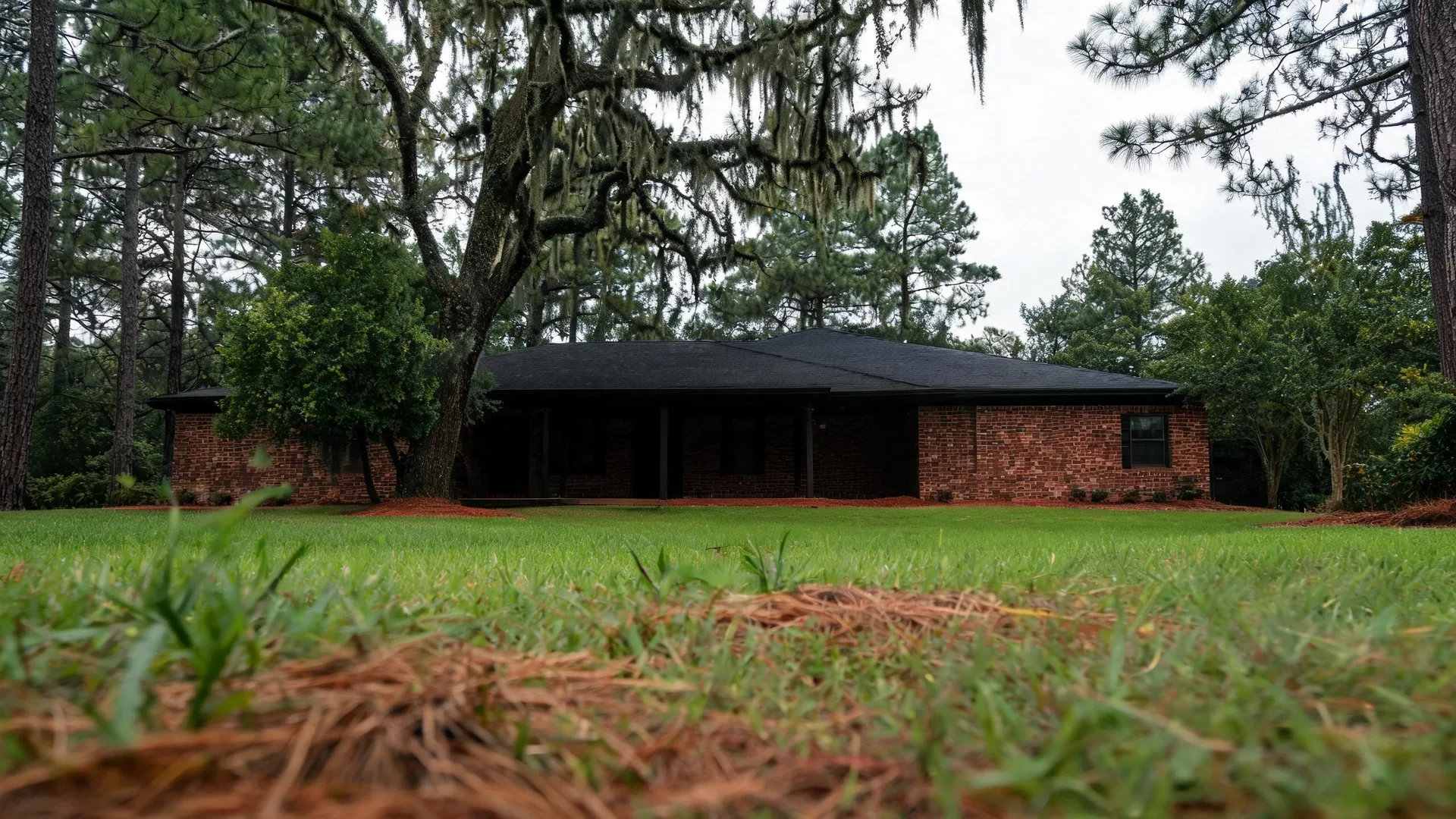
Marlboro County logged 83 severe weather events between 2015 and 2024. Most of that was damaging wind, with hail, a tornado and a handful of tropical storms mixed in.
Takes about a minute. No obligation.
Marlboro County logged 83 severe weather events between 2015 and 2024. Most of that was damaging wind, with hail, a tornado and a handful of tropical storms mixed in.
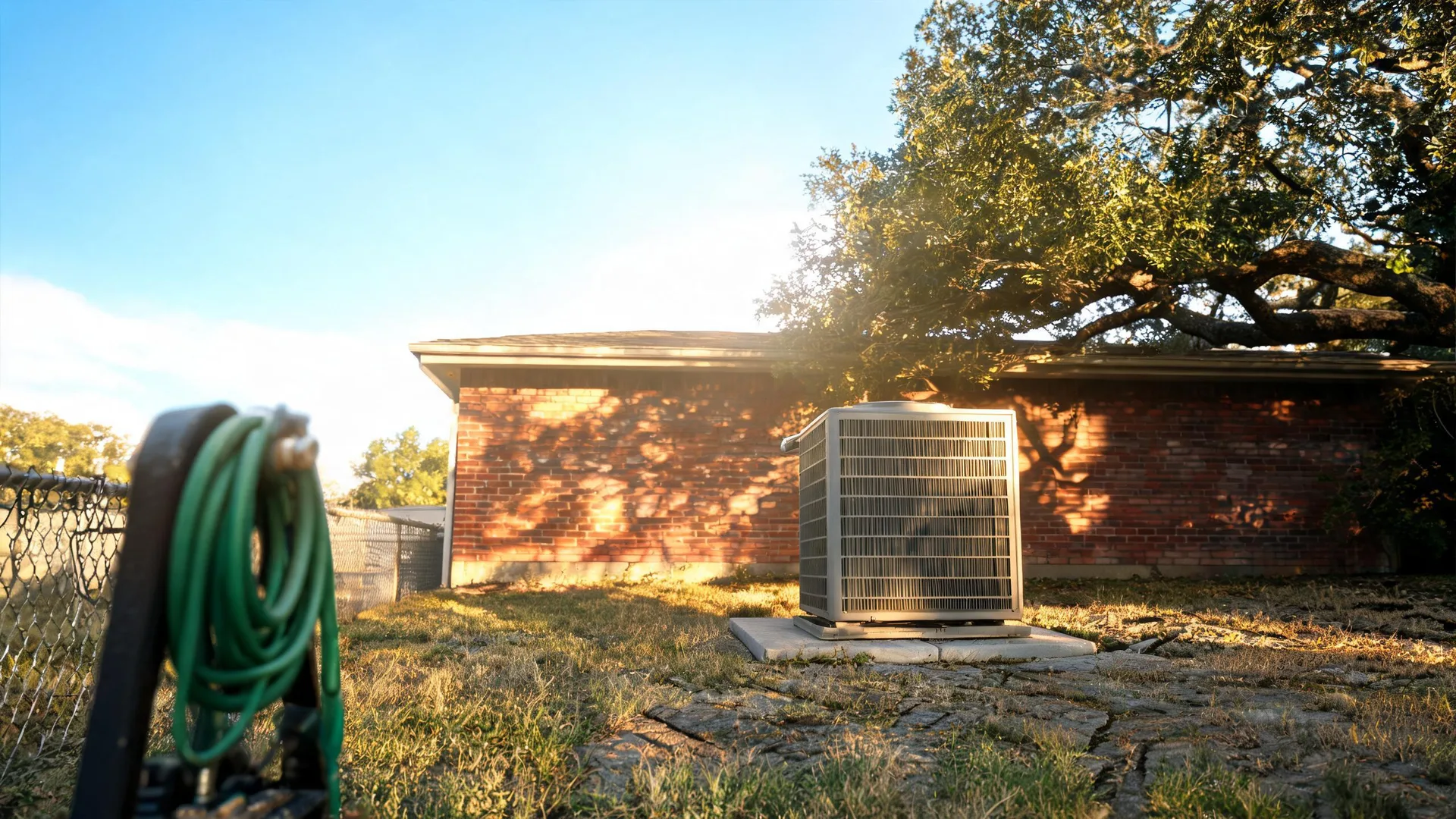
The outdoor unit has no walls around it. Wind-driven debris and hail can mark up the coil or bend the fins, and almost half of South Carolina households went at least a day without power in 2024. A heat pump that loses power for that long needs to be working right when it comes back on.
Your heat pump switches over to cooling in May and runs that way for five months straight.
April is when a tech can still get to a weak part before the first hot stretch asks something of it.



Storm season beats up outdoor units here. Have it checked for damage and debris before you need it.
Find a contractor
A quick visit gets the filter swapped and the coil hosed off and calls it done. A thorough one starts outside, checking refrigerant charge with gauges and watching the pressures while the system runs, not just glancing at the coil. The tech pulls the panel and checks the contactor points, the capacitor's output against what it's rated for, and the amp draw on the compressor and fan motor. Inside, the reversing valve gets tested both directions, since that's the part that lets the unit heat at all, and a stuck valve won't show up by looking at it. Drain line gets flushed, not just checked for a drip. If nobody opens the cabinet and puts meters on anything, you got a cleaning, not a tune-up.
The filter is the one part that's on you. A dirty filter starves the indoor coil of airflow, and in heating mode that makes the system work harder to move the same amount of heat. Walk around the outdoor unit too. Leaves, pine straw and grass clippings pile up against the coil and block airflow there as well. Keep a couple feet of open space on all sides of it.
Don't pull the outdoor panels or touch the wiring. The refrigerant lines run at pressures that need gauges to read safely, and the capacitor inside holds a charge even with the power off. If the unit is icing over, short cycling, or making a new noise, that's a sign for a tech to check the charge and the moving parts, not something to chase down yourself.
A heat pump that's about to need a repair usually says so first. Short cycling, where it kicks on and shuts off again within a few minutes, points to a sensor or airflow problem that's easier to find before it strands you without heat. Ice building up on the outdoor coil outside of a normal defrost cycle means something's off with the refrigerant charge or the reversing valve. Warm air blowing in heating mode, or air that never quite feels warm enough, can mean the valve isn't switching fully. A hissing or bubbling sound near the lines usually means refrigerant is escaping, and the system will keep losing capacity until that's found and sealed. Catching any of these during a check means a part gets replaced on a schedule, not during a cold snap when the unit finally gives out.
The time card above covers what gets checked. What it doesn't cover is why those checks only work in one direction of the system at a time. A heat pump run in cooling mode is sending heat outside, and a tech can test the capacitor, the charge and the contactor points right there. But the reversing valve only shows a problem in heating mode, since that's the only time it has to switch. A tune-up done in warm weather either waits on that test or forces the system into heating mode to run it, which is more than a filter change and a coil rinse. Ask what gets tested and in which mode, since a valve that's sticking won't announce itself until the first cold morning asks it to switch.